A hands-on comparison of organic mulch and decorative gravel, including real-world pros and cons for weeds, watering, upkeep, and design.
Gardening insights
When to Mulch a Vegetable Garden
Mulch at the right time to keep vegetables thriving. Learn the best timing for spring, summer, and fall, which crops benefit most, how deep to apply mulch, and how to avoid common mistakes like stem rot.

Elena Rosales
Elena Rosales is a certified Master Gardener and lifelong plant enthusiast who believes anyone can cultivate a green thumb. After transforming her tiny urban balcony into a thriving plant oasis, she moved to a half-acre homestead to grow her own food and flowers. Today, she shares practical, hands-on gardening advice to help the Hortello community bring more green into their lives.
Published October 1, 2026
Updated October 1, 2026
Mulch is one of those garden chores that feels optional until you skip it during a hot week and suddenly you are watering twice a day and still watching leaves droop by lunch. The trick is that mulch is not just about adding something. It is about timing. Put it down too early and you can chill the soil and stall growth. Put it down too late and you miss the window where it does the most good.
Below is how I time mulching through the seasons, which vegetables benefit the most, and the simple rules that prevent the classic problems like stem rot, slug parties, and “why is my soil still dry under there?”
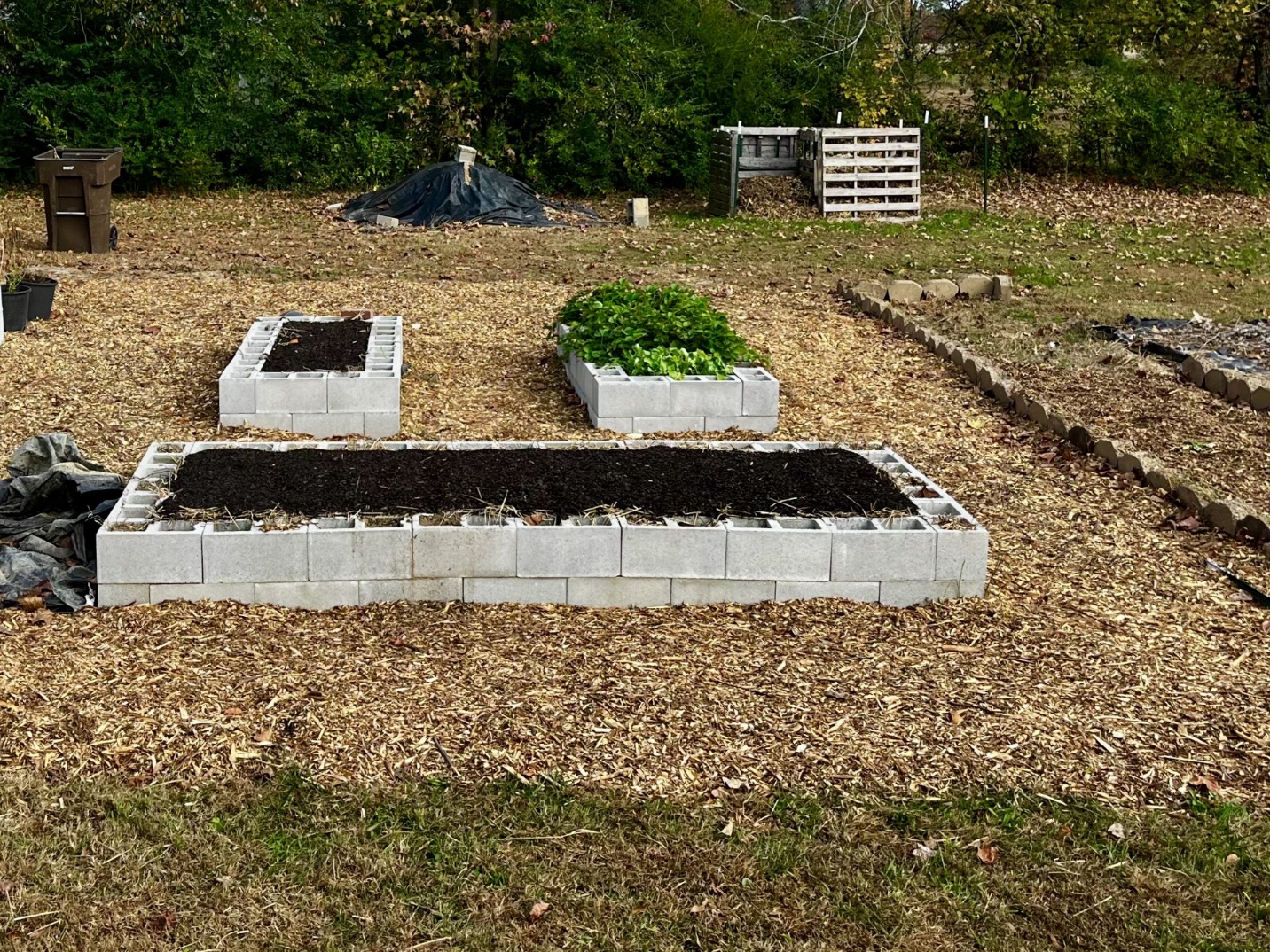
What mulch does for vegetables
In a vegetable garden, organic mulch is basically a multi-tool:
- Holds moisture by reducing evaporation, which means fewer deep soaks are needed.
- Buffers soil temperature so roots experience fewer swings between hot days and cool nights.
- Suppresses weeds by blocking light at the soil surface.
- Improves soil over time as it breaks down, feeding soil life and adding organic matter.
- Reduces soil splash, which helps keep lower leaves cleaner and can reduce the spread of some soil-borne diseases.
That said, mulch is not a cure-all. It works best when you pair it with good watering habits and healthy soil structure.
When to mulch in spring
Spring is where most gardeners either nail mulching or accidentally slow down their whole season. Here is the timing I use:
Wait until the soil is truly warming
The best spring rule of thumb is: mulch after the soil has warmed and seedlings are established. If you mulch cold, wet soil, you can trap that chill in place, especially with thicker mulches like straw or wood chips.
- For cool-season crops (lettuce, peas, kale, broccoli): mulch once plants are a few inches tall and the bed is no longer soggy. A lighter layer is usually plenty.
- For warm-season crops (tomatoes, peppers, cucumbers, beans, squash): wait until the soil feels warm to the touch and nighttime lows are consistently above about 50°F (10°C). If you like numbers, many warm-season crops really start cruising once soil temps are roughly 60 to 70°F (16 to 21°C). In many gardens, that is a week or two after transplanting.
Mulch after you water well
Mulch helps hold moisture. It does not magically add it. Water deeply first, then mulch. Otherwise you can end up sealing in dry soil, and you will wonder why plants look stressed even though you “mulched for moisture.”
Spring mulching steps that rarely fail
- Weed the bed first. Mulch on top of weeds is basically giving them a blanket and a snack.
- Water deeply.
- Apply mulch to the right depth (see the depth section below).
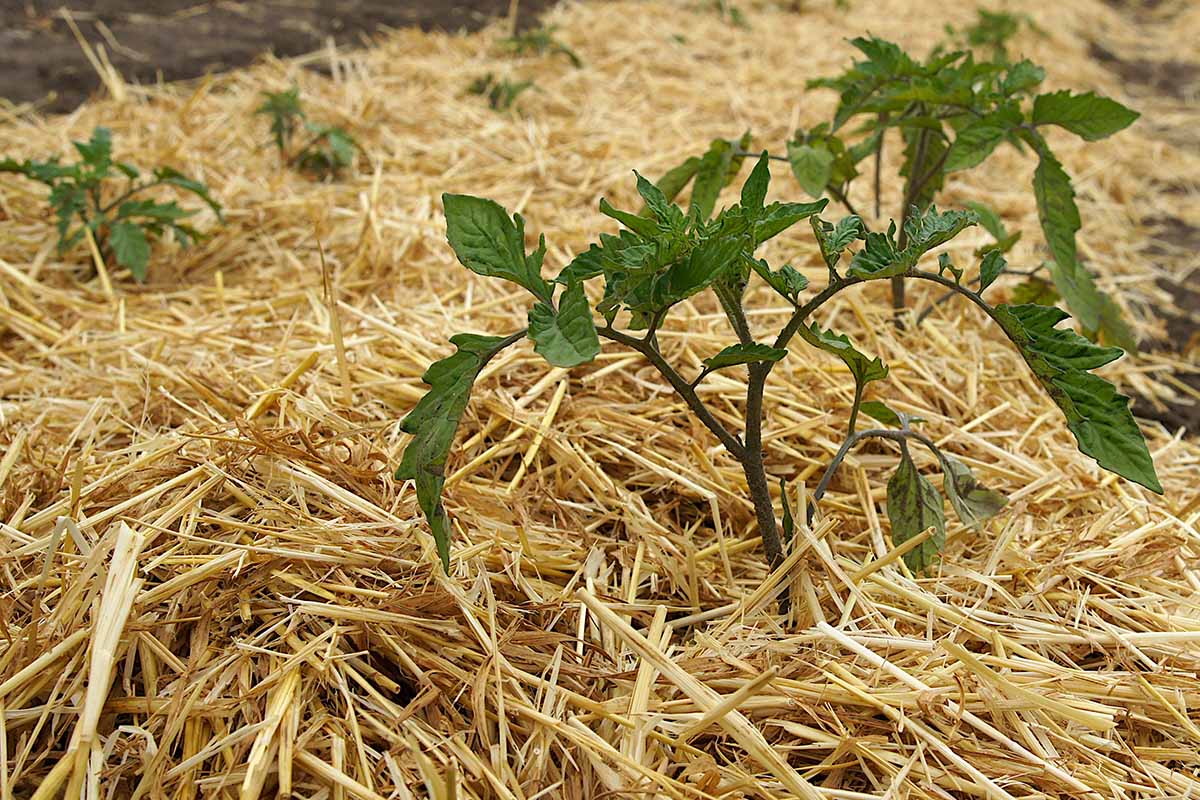
- Keep mulch pulled back from stems to prevent rot.
When to mulch in summer
Summer mulching is all about heat management and water conservation. If spring mulching is about getting the timing right, summer mulching is about maintaining coverage.
Top up when you can see soil again
Organic mulches break down, wash into the soil, and get moved around by harvesting and weeding. In the peak of summer, I check beds every couple of weeks. If you can see lots of bare soil between plants, it is time to refresh.
Mulch right before a heat wave
If a stretch of hot weather is coming, add mulch after a deep watering so the bed goes into the heat with a full tank. Think of it as putting a lid on a pot that already has water in it.
A summer caution: pests love a perfect hideout
Thick, damp mulch can shelter slugs, pill bugs, and earwigs. That does not mean you should skip mulch. It just means you should:
- Keep mulch a few inches away from plant stems and crowns.
- Avoid piling mulch against the main stem of squash, cucumbers, and tomatoes.
- Let the surface dry slightly between waterings when possible, especially in humid climates.
If slugs are a regular problem in your garden, pull mulch back a bit for a few days when you spot damage, set simple traps (boards or upturned pots you can lift in the morning), and use iron phosphate bait if you need a low-drama backup.
Mulch and irrigation play nicely together
Drip lines and soaker hoses are made for mulched beds. Lay irrigation first, then mulch over it. You will usually water less often, but still water deeply. Check moisture a few inches down under the mulch so you do not guess wrong.
When to mulch in fall
Fall mulching can mean two different things, depending on what is still growing in your beds.
For fall crops
If you are growing fall greens, carrots, beets, or brassicas, a light to moderate mulch helps keep soil evenly moist and reduces mud splatter. This is especially handy for leafy greens and anything you harvest close to the soil line.
For beds you are closing down
If you are mulching empty beds for winter protection, timing matters. Put mulch down after the soil cools (not while it is still warm). This can help prevent creating a cozy habitat for pests where they like to overwinter, and it can reduce the chance of keeping soils overly wet going into winter, especially in mild or wet-winter climates.
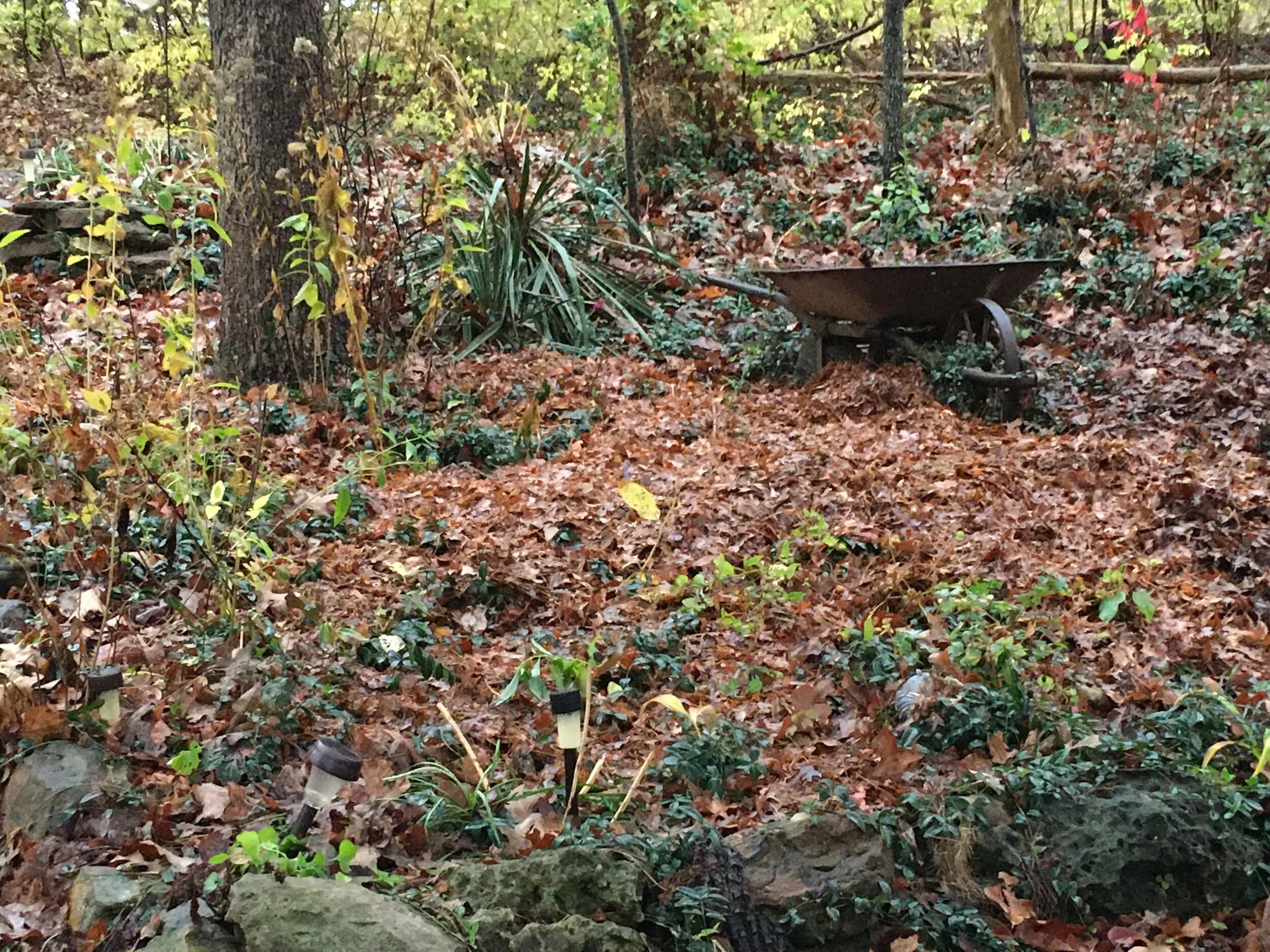
Even better, if you have access to leaves, shred them and use them as a winter blanket that will slowly break down by spring.
Which vegetables benefit most
Nearly all vegetables appreciate mulch once they are established, but a few truly shine with it.
Big winners
- Tomatoes: steadier moisture can mean fewer issues with cracking, and it can help reduce the risk of blossom-end rot by smoothing out watering swings. Plus, less soil splash on lower leaves.
- Peppers and eggplant: they love warm, even soil moisture. Mulch reduces stress, which can improve fruit set.
- Cucumbers and squash: mulch keeps fruits cleaner and reduces mud and rot from soil contact.
- Strawberries (if you grow them near veggies): straw mulch keeps berries off the soil and reduces rot.
- Garlic: fall-planted garlic benefits from a protective layer over winter and moisture moderation in spring.
Mulch with extra care
- Direct-seeded carrots, beets, radishes: wait until seedlings are clearly up and sturdy. Mulching too early can make it harder for tiny sprouts to push through, especially if the mulch is chunky.
- Onions: mulch lightly and keep it airy around stems to reduce rot. Onions like consistent moisture, but not a soggy collar.
- Potatoes: “mulch” can be part of your hilling strategy, but use clean straw or leaf mulch and keep adding as plants grow, so tubers stay covered and do not green.
How much mulch to use
Depth is where most mulching problems start. Too thin and weeds pop right through. Too thick and you can create soggy soil, slow warming, or crown rot.
Good general depths for vegetable beds
- Leaf mold, shredded leaves, compost: 1 to 2 inches. Compost is wonderful for soil health, but at this depth it is not a heavy-duty weed blocker unless weeds are already under control.
- Straw (seed-free): 2 to 4 inches, fluffed. Straw settles quickly, so start a little thicker than you think.
- Untreated grass clippings: 1 inch at a time, dry to slightly dry. Reapply in thin layers so it does not mat.
- Wood chips (best for paths, not usually right up against annual veggies): 2 to 3 inches in paths or around perennials. If you do use chips in beds, keep them as a surface layer and avoid mixing them into soil. Nitrogen tie-up is mainly an issue when chips are incorporated, but I still side-dress with compost if I am using chips anywhere near hungry crops.
Always keep a “no mulch zone” around stems
I leave 1 to 3 inches of bare soil around the base of most vegetable plants. For larger transplants like tomatoes, I give a little more breathing room. This one habit prevents a lot of stem rot and fungus issues.
Choosing an organic mulch
The “best” mulch is usually the one that is clean, affordable, and easy for you to apply. Here are reliable choices for vegetable gardens, with quick notes from real life use.
Straw
Classic for veggie beds because it is light, easy to spread, and great at suppressing weeds when applied thick enough. The key is buying straw, not hay. Hay comes packed with seeds.
Shredded leaves
My homestead favorite. Shredded leaves stay put better than whole leaves, break down beautifully, and feed the soil. If you only have whole leaves, apply them in a thin layer and fluff them occasionally so they do not form a soggy mat.
Untreated grass clippings
Use only if you are confident the lawn has not been treated with herbicides or weed and feed products. Apply in thin layers and let them dry a bit first. Thick, wet clumps can get slimy fast.
Compost (as mulch)
Compost is a gentle, tidy mulch, especially for small beds and containers. It will not block weeds as aggressively as straw, but it is fantastic for soil health. I often do compost first, then a light layer of straw on top in summer.
Wood chips
Wood chips shine in paths and around perennials. In annual vegetable beds, I use them sparingly because they are bulkier to manage and can tie up nitrogen if mixed into the soil. On top of the soil, they are generally fine. If you do use chips in a bed, keep them off stems and consider a compost side-dress for heavy feeders.
Inorganic mulches
I am mostly an organic mulch person, but there are a couple of non-organic options worth knowing about.
Black plastic
Black plastic can be useful for heat-loving crops in cooler climates because it warms soil and blocks weeds. It works best with drip irrigation underneath. The downside is it does not feed the soil, it can shed water if you are not irrigating well, and it becomes trash at the end of the season.
Landscape fabric
In vegetable beds, landscape fabric is often more trouble than it is worth. It can restrict how you amend soil, and weeds still find a way on top. I like it better under paths with wood chips than in the growing area.
Common mulching mistakes
Mulching too early in spring
Fix: wait until the soil has warmed and plants are established. If you crave that finished look, use a very light layer at first, then build depth later.
Piling mulch against stems and crowns
Fix: keep that small bare ring around stems. This is especially important for tomatoes, peppers, squash, and anything prone to stem rot.
Over insulating the soil
In cool climates or during a chilly spring, a thick mulch can slow growth by keeping soil cold.
Fix: start thinner, then top up once weather stabilizes.
Mulching dry soil
Fix: soak the bed well, then mulch. If you already mulched dry soil, pull it back, water thoroughly, then put it back.
Using the wrong material in the wrong place
Fix: save wood chips for paths, use straw or shredded leaves in beds, and be cautious with grass clippings unless you know they are chemical-free.
Thinking mulch replaces watering
Fix: mulch reduces watering frequency, but you still need deep watering. Check moisture a few inches down by sticking your finger into the soil under the mulch.
Quick seasonal cheat sheet
- Spring: mulch after soil warms and seedlings or transplants are established. Water first.
- Summer: top up when soil shows through, especially before hot stretches. Watch for pests hiding in thick, damp mulch.
- Fall: mulch fall crops lightly for moisture and cleaner harvests. Mulch empty beds after soil cools for winter protection.
FAQ
Should I mulch right after planting seedlings?
For transplants, you can mulch soon after planting as long as the soil is warm and you keep mulch away from stems. For tiny direct-seeded crops, wait until seedlings are up and strong so they are not smothered.
Is it okay to mulch around tomatoes right away?
Yes, with two conditions: the soil is not cold and soggy, and you leave a little breathing room around the stem. Mulch plus consistent watering is one of the easiest tomato upgrades.
Can mulch cause stem rot?
It can if it stays pressed against the stem or crown and holds moisture there. Pull mulch back a couple inches and avoid “mulch volcanoes.”
How often do I need to replace mulch?
Most organic mulches need topping up once or twice during the growing season. Straw and grass clippings break down faster. Shredded leaves and compost settle over time and may need an occasional refresh.