A practical comparison of raised beds and in-ground gardening, including costs, soil, drainage, pests, maintenance, and which veggies thrive in each setup.
Gardening insights
Amending Heavy Clay Soil for Better Drainage
Heavy clay soil can be fertile, but it needs air and organic matter to drain well. Learn simple, organic ways to loosen clay, build healthier roots, and prevent compaction.

Elena Rosales
Elena Rosales is a certified Master Gardener and lifelong plant enthusiast who believes anyone can cultivate a green thumb. After transforming her tiny urban balcony into a thriving plant oasis, she moved to a half-acre homestead to grow her own food and flowers. Today, she shares practical, hands-on gardening advice to help the Hortello community bring more green into their lives.
Published September 21, 2026
Updated September 21, 2026
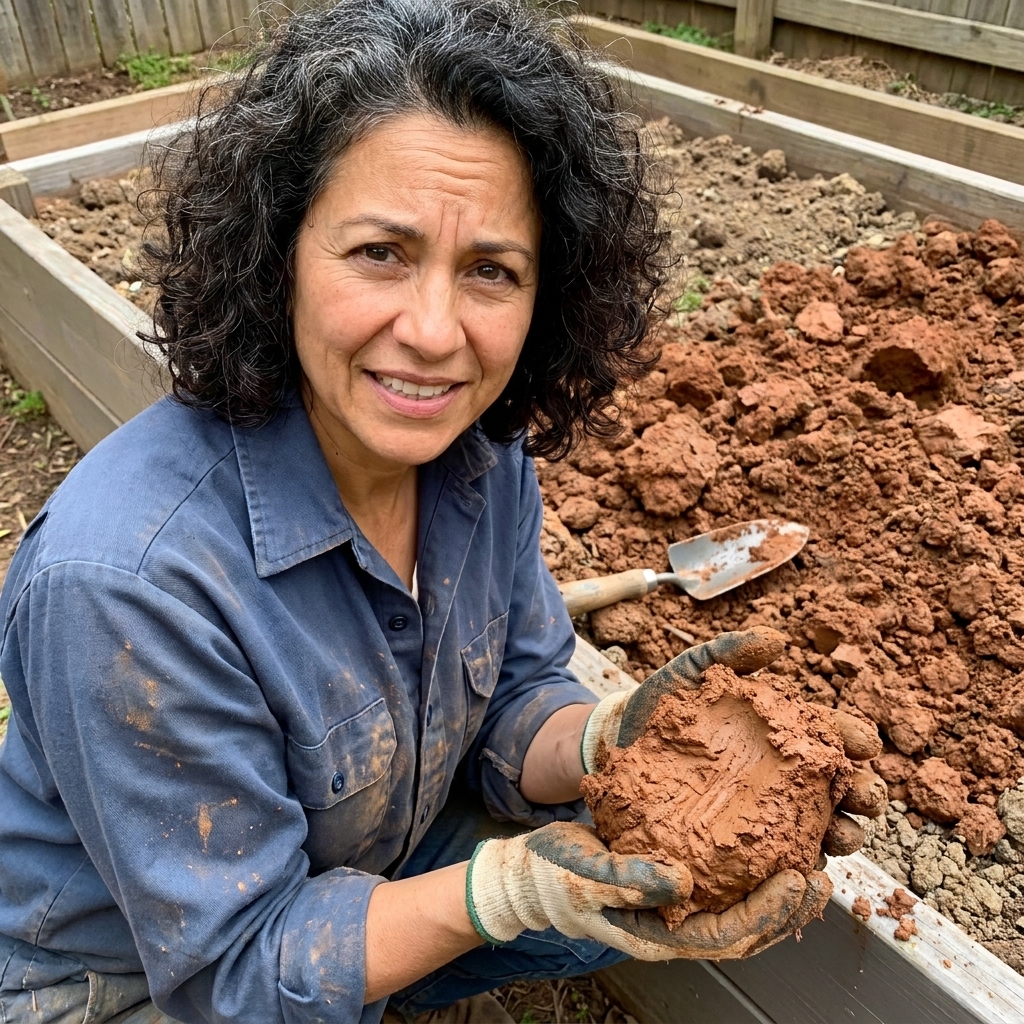
If your soil is the kind that sticks to your boots like peanut butter and cracks into plates when it dries, welcome to the heavy clay club. I have gardened in it on my balcony planters (yes, you can get clay-heavy “topsoil” in bags) and now on my little homestead, and I can tell you two things are true at the same time: clay can be incredibly fertile, and it can make roots work way too hard for air and water.
The goal is not to “get rid of” clay. The goal is to change its structure so water can move through, oxygen can reach roots, and beneficial life can thrive. With the right organic matter and a few habits that protect soil structure, clay can become a gorgeous, crumbly loam over time.
Why clay drains poorly (and why it is not all bad)
Clay particles are tiny and flat, like microscopic playing cards. They stack and compress easily, leaving very little pore space for air and water. When clay is wet, it can smear and compact. When it dries, it can bake hard and crack. That swing stresses roots and can lead to issues like:
- Root rot in wet seasons because oxygen is limited
- Stunted plants because roots cannot explore the soil
- Slow nutrient uptake because cold, wet, low-oxygen soil shuts down root function and microbial activity
- Surface puddling and runoff instead of soaking in
Here is the upside: clay holds nutrients and water better than sandy soil (it has a high “pantry” capacity, also known as cation exchange capacity). Once you improve the structure, clay can feed plants steadily instead of swinging between swamp and brick.
First, figure out your clay issue
Quick drainage check
Pick a spot, dig a hole about 12 inches wide and 12 inches deep, and fill it with water. Let it drain once, then fill it again. Time the second drain. This is a rule of thumb, not a universal standard, but it is helpful for gardeners:
- About 1 inch per hour or faster: generally good drainage
- Roughly 1 inch every 2 to 4 hours: slow, often compacted, but workable with organic matter and good habits
- Slower than that: heavy clay, compaction, a perched water table, or a restrictive layer may be in play
Look for compaction and hard layers
If a shovel hits a stubborn layer 4 to 10 inches down, you might be dealing with compaction from construction, foot traffic, or repeated tilling when wet. Organic matter still helps, but you may also need deeper loosening or drainage changes (more on that below).
Do a simple soil test
If you are going to put energy into fixing clay, a basic soil test is worth it. At minimum, check pH and nutrients. If you are in an arid region, irrigate heavily, or suspect salts, ask about EC (salinity) and sodium indicators like SAR or ESP. If you are curious about texture, a quick jar test at home can confirm how much clay you are really working with.
What to add (and avoid)
The best amendment: organic matter
Organic matter is the long game that actually changes clay structure. It feeds soil life, and soil life creates stable aggregates, those little crumbs that hold together while still leaving pore space for air and water.
My favorite options:
- Finished compost: the most reliable, gentle, and effective. A good target is 1 to 2 inches as a top-dress in spring, and another 1 to 2 inches in fall if you can swing it.
- Leaf mold: partially decomposed leaves. It is magic for clay, improving tilth without a fast nutrient flush.
- Well-rotted manure: great for building soil fast, especially before heavy-feeding crops. Make sure it is aged and weed-seed free.
- Composted bark fines: helpful for structure, especially in ornamental beds.
If you only remember one thing: top-dress regularly and let worms and weather do some of the mixing for you.
Gypsum: sometimes useful, often overhyped
Gypsum (calcium sulfate) can help some clay soils, especially sodic soils where sodium causes particles to disperse and seal up. For most home gardens, results are mixed unless you actually have a sodium problem. A white crust on the surface can be many things (salts, lime, fertilizers), so do not use that alone as a diagnosis. If you suspect a sodium or salinity issue, a soil test that includes EC and sodium (SAR or ESP) is the smart move before you invest heavily.
What not to add: sand in small amounts
This is the classic mistake. Mixing a little sand into clay usually does not create the open, loamy texture people imagine. Without enough organic matter and without changing the overall texture a lot, sand can pack into the fine clay matrix and make the soil feel harder and more brick-like. Large-scale textural modification takes massive volumes and is impractical for most home gardens, so you are usually better off focusing on organic matter, aggregation, and soil protection.
Step-by-step: amend clay soil
1) Work at the right moisture
Clay has a “sweet spot.” Too wet and you smear it into a brick. Too dry and you cannot break it up. The ideal time to work clay is when it feels like a wrung-out sponge. If you squeeze a handful and it forms a ball that crumbles when you poke it, you are good to go.
2) Loosen, do not pulverize
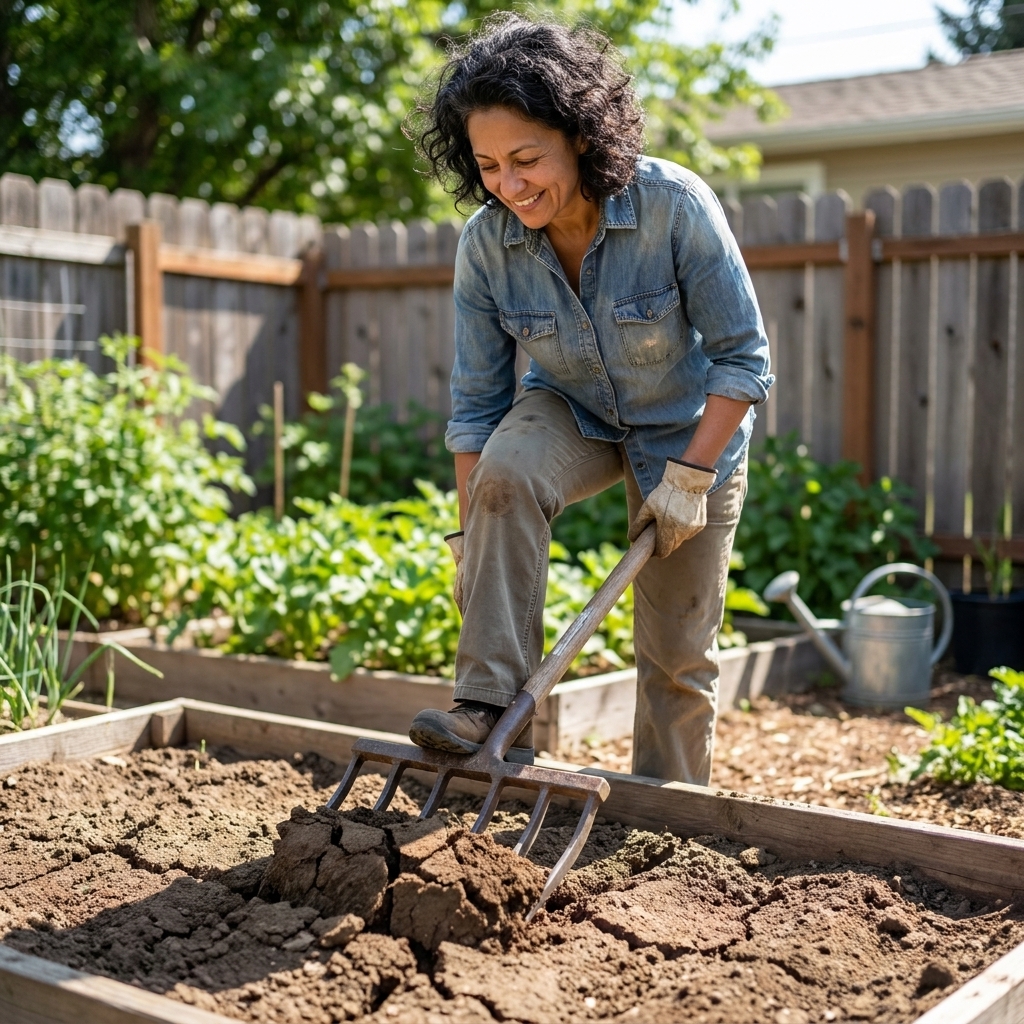
If you are starting a new bed, loosen the top 8 to 12 inches with a garden fork or broadfork. Wiggle to lift and crack the soil, but try not to flip and grind it into dust. In established beds, I prefer a fork over a rototiller because it preserves soil structure and fungal networks.
3) Add organic matter generously
Spread 1 to 2 inches of compost or leaf mold over the surface. If you are building a brand-new bed and the soil is truly miserable, you can go up to 3 to 4 inches the first year.
For new beds, you can lightly incorporate the amendment into the top 6 inches the first time. After that, top-dress and let biology do the blending.
4) Mulch like you mean it
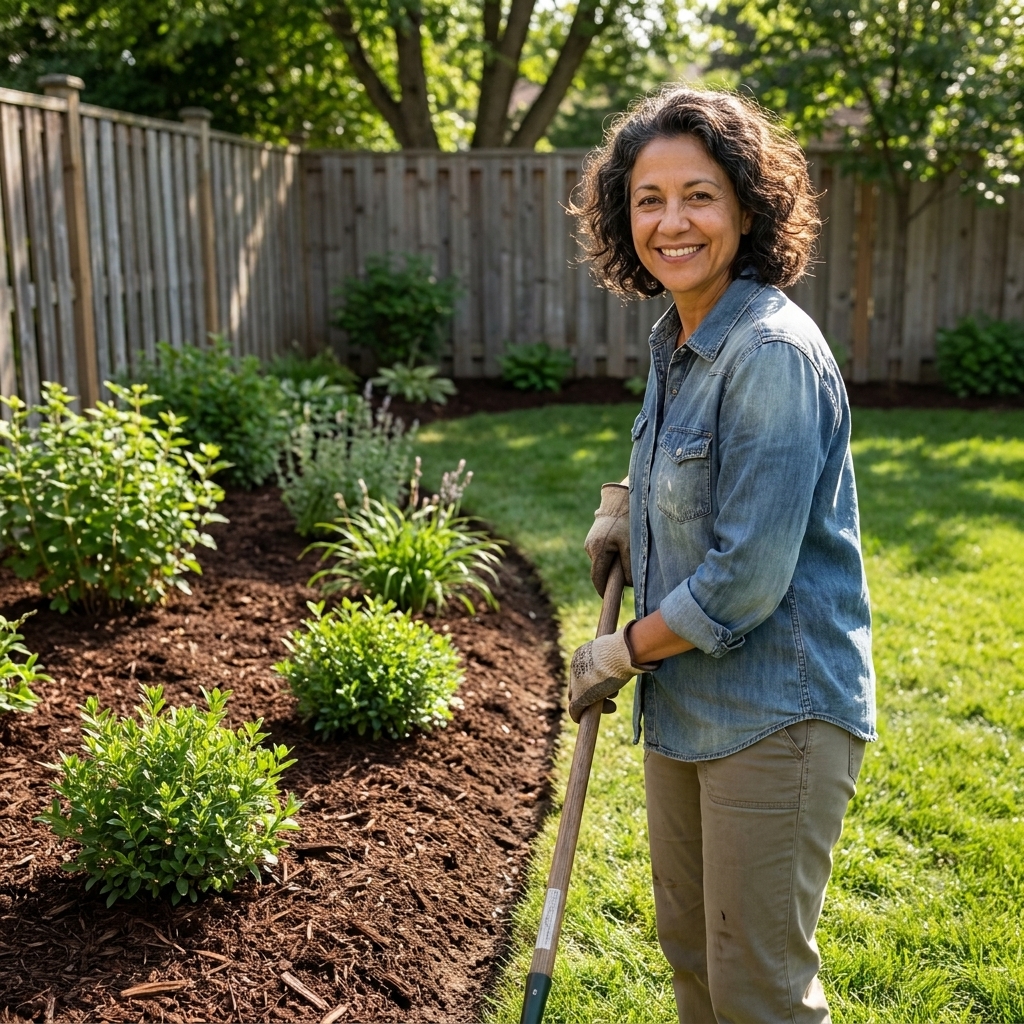
Mulch is a clay soil lifesaver because it buffers moisture swings and prevents surface crusting. Good options include shredded leaves, straw, untreated grass clippings (thin layers), or wood chips in paths and around perennials.
- Vegetable beds: 1 to 3 inches (pull back from stems)
- Perennial beds: 2 to 4 inches
- Paths: 3 to 6 inches of wood chips to prevent compaction where you walk
Two quick cautions: keep mulch a few inches off trunks and crowns to prevent rot, and be picky about sources. Hay, straw, and grass can sometimes carry persistent herbicides (like aminopyralid). If you are not sure, ask the supplier or do a small bioassay in a pot before you spread it everywhere.
5) Protect your soil structure
The fastest way to undo your hard work is to compact clay again. A few habits that make a huge difference:
- Never step in garden beds. Use defined paths.
- Avoid working soil when it is wet. If it sticks to tools, step away.
- Use raised beds or mounded rows if your site stays soggy.
Cover crops: the quiet hero
If you want a low-effort, high-impact way to improve clay, plant a cover crop in the off-season. The roots do the “tillage” for you, and the tops become organic matter.
Great cover crops for home gardens
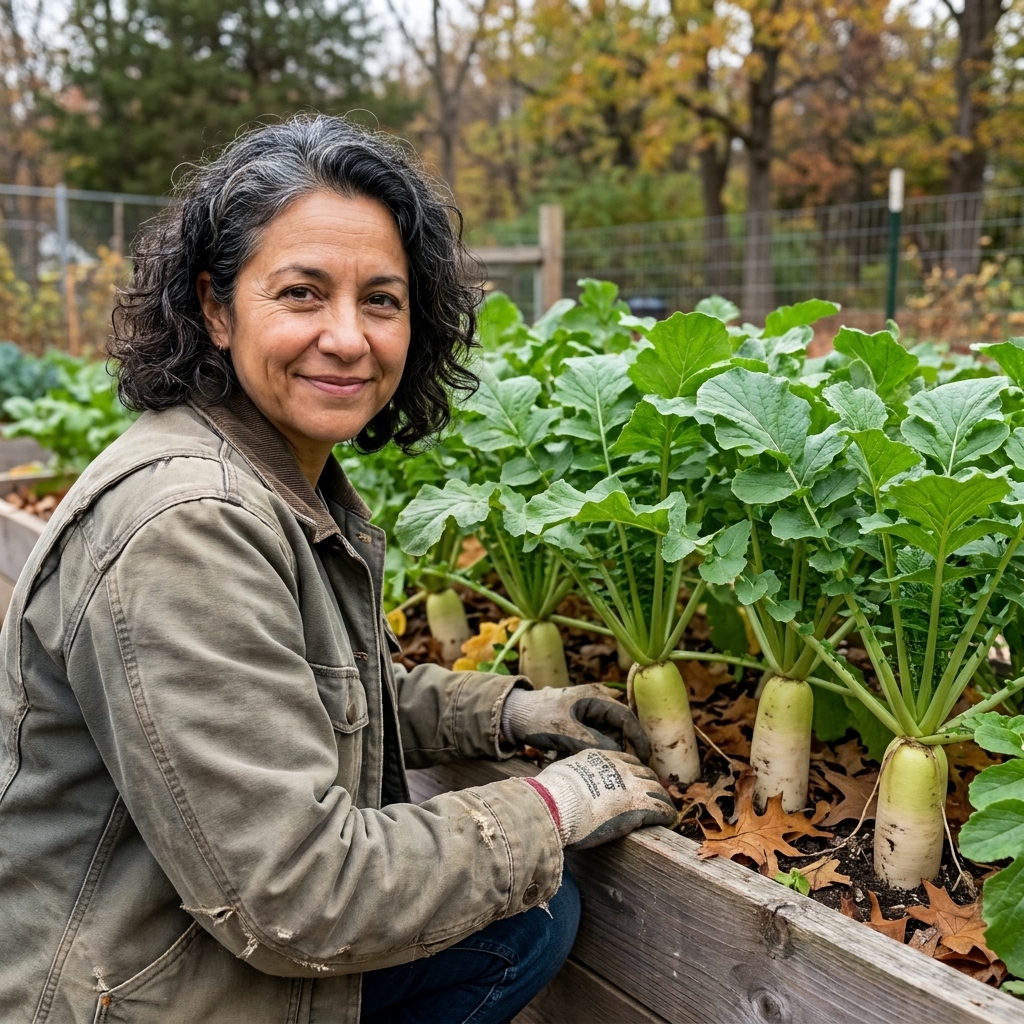
- Daikon radish (tillage radish): sends a thick taproot down, then rots and leaves channels for water and roots.
- Crimson clover: adds nitrogen and feeds pollinators if you let it bloom briefly.
- Cereal rye or oats: excellent root mass for aggregation and erosion control. Oats winter-kill in many colder climates, which makes spring cleanup easy. Rye is tough and vigorous, so plan to terminate it early (before it gets woody or sets seed).
In spring, chop and drop before the cover crop sets seed, then mulch over it. Your soil will get easier every season.
When drainage needs more than compost
Sometimes the problem is not just clay, it is water with nowhere to go.
Signs you may need drainage fixes
- Water sits for more than 24 to 48 hours after rain
- You have a low spot where runoff collects
- Downspouts dump near beds
- There is a compacted or restrictive layer that roots cannot penetrate
Options that work with organic gardening
- Redirect roof runoff: extend downspouts, add a rain garden, or use a rain barrel.
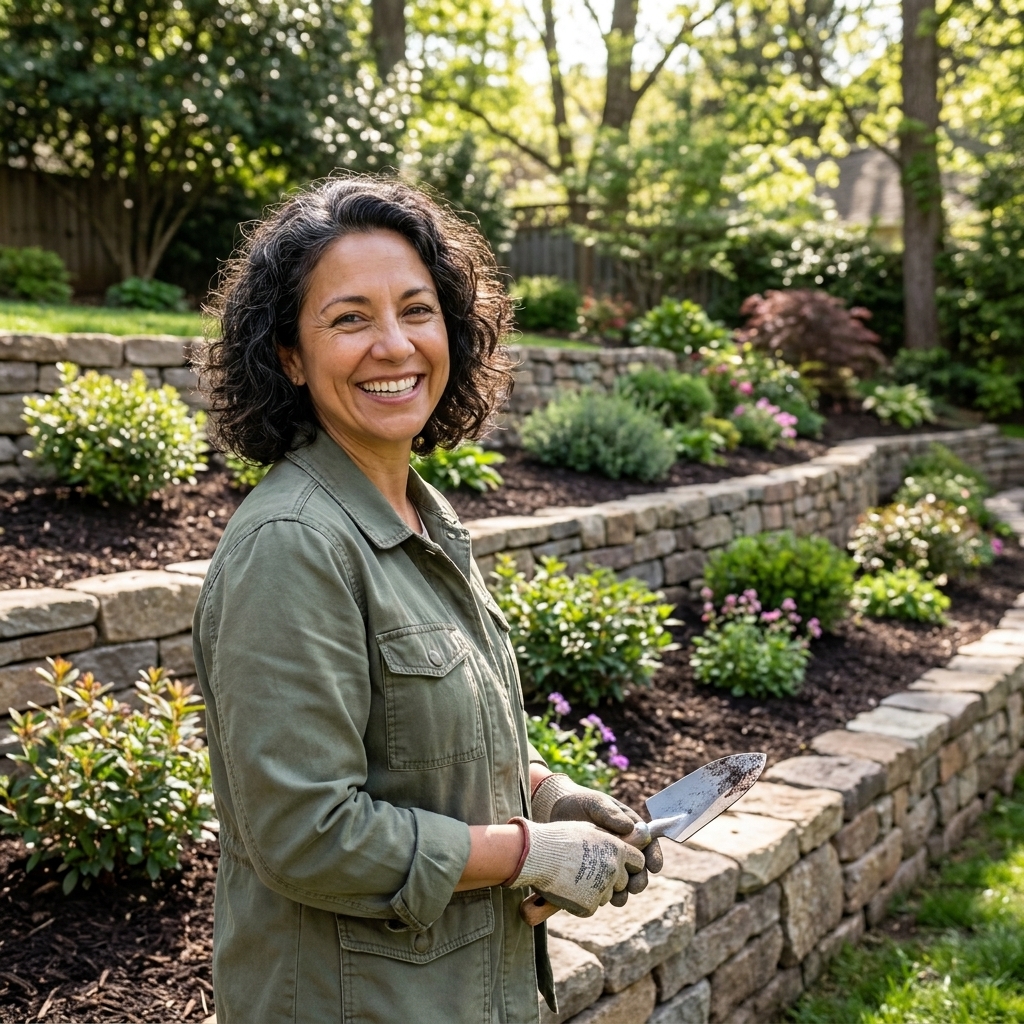
- Create raised beds: even 8 to 12 inches of height can transform root health.
- Install a French drain: for chronically wet areas, especially near foundations.
- Subsoil loosening: a broadfork used annually can help relieve compaction over time. If you have a true claypan or hardpan, results vary and you may need mechanical subsoiling or a more serious drainage plan.
Raised bed and container shortcuts
If you are gardening in clay and you need a win this season, do not be shy about building up instead of fighting down.
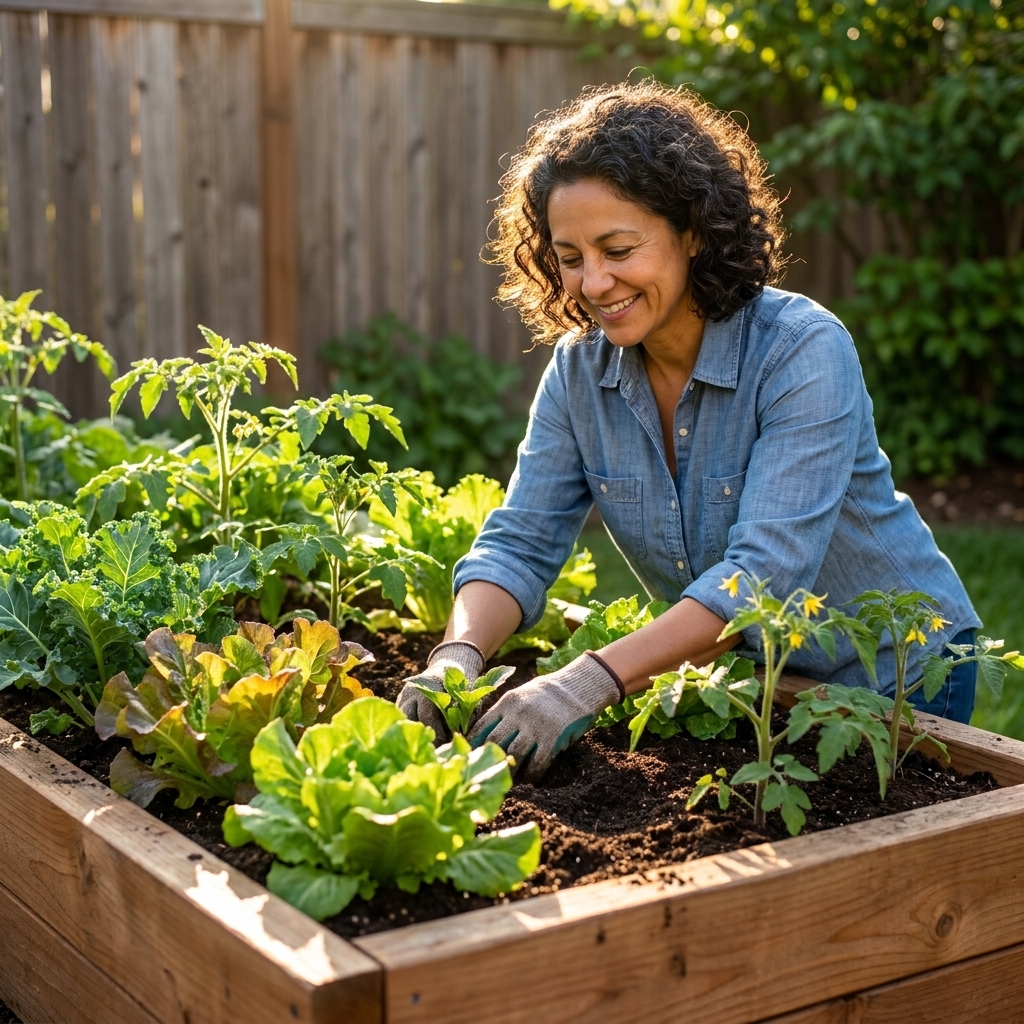
- Raised beds: fill with a blend heavy on compost and topsoil. Avoid pure compost, it can shrink and dry quickly.
- Mounded rows: pile amended soil 6 to 10 inches high for vegetables like tomatoes and peppers.
- Containers: use a quality potting mix, not garden soil. Clay in pots becomes a brick.
This is not “cheating.” It is smart gardening. I started as an urban balcony grower for a reason: sometimes you build the conditions you need.
Plant picks for clay
If you are improving clay in stages, plant choice can save your sanity. In general, you want plants that tolerate heavier soil while you build better structure, and you want to avoid plants that hate wet feet in the meantime.
Often fine in improved clay
- Apples and pears (with decent drainage)
- Daylilies, asters, bee balm
- Switchgrass and many native perennials
- Brassicas like cabbage and kale (they like steady moisture)
Usually unhappy in soggy clay
- Lavender, rosemary, many Mediterranean herbs
- Many succulents and plants that demand sharp drainage
- Anything labeled “drought-loving” that also hates winter wet
If your clay stays wet, lean into plants that tolerate moisture (think iris, willow, and other “rain garden” types) or raise the planting area.
Common mistakes (I have made most of these)
- Over-tilling: it can destroy aggregates and create a fluffy surface over a compacted layer.
- Adding sand without enough organic matter: it can make the soil denser instead of looser.
- Skipping mulch: clay crusts and compacts faster when bare.
- Working wet soil: it smears, compacts, and takes months to recover.
- Expecting a one-and-done fix: improving clay is a seasonal rhythm, not a weekend makeover.
I like to think of clay soil as a relationship. The more consistently you show up with compost, mulch, and patience, the more it softens.
Quick seasonal plan
Spring
- Top-dress with 1 to 2 inches of compost
- Mulch after soil warms
- Set up paths and avoid stepping in beds
Summer
- Keep soil evenly moist with mulch and deep watering
- Spot-aerate with a fork if crusting happens
Fall
- Top-dress again with 1 to 2 inches of compost or leaf mold
- Add shredded leaves as winter mulch
- Sow a cover crop in open beds
Winter
- Let freeze-thaw cycles help break up clods
- Plan for raised beds or drainage tweaks if puddling persists
FAQ
How long does it take to improve heavy clay soil?
You will usually notice a difference in digging and drainage after one season of compost plus mulch. The big transformation, where the soil starts to crumble nicely and drains evenly, often takes 2 to 3 years of consistent organic matter additions.
Can I just till compost into clay once?
For a new bed, one initial incorporation can help. After that, I prefer top-dressing and mulching. Repeated tilling can lead to compaction below the tilled layer and can break down soil structure.
Is clay soil bad for all plants?
Not at all. Many plants tolerate or even enjoy clay once it is not waterlogged. The key is oxygen. If you have chronic sogginess, pick plants that handle wet feet or raise the planting area.
What is the best mulch for clay soil?
Shredded leaves are my favorite because they break down into leaf mold and feed soil life. Straw works well in vegetable beds, just make sure it is clean and herbicide-free. Wood chips are excellent for paths and around trees and shrubs.
A final neighborly note
If you are staring at a sticky, stubborn patch of clay and feeling discouraged, I promise you are not doing anything wrong. Clay just asks for a different approach: feed it, cover it, and disturb it less. Give it a year of compost and mulch, and you will be amazed at how much easier your garden becomes to plant, water, and love.