Water-wise xeriscaping ideas that look lush without the thirst, plus plant combos, soil tips, and drip irrigation strategies for a low-maintenance yard.
Gardening insights
Mulch vs. Gravel
Mulch or gravel? Compare cost, maintenance, weeds, water use, and style so you can choose the best ground cover for your garden beds, paths, and containers.

Elena Rosales
Elena Rosales is a certified Master Gardener and lifelong plant enthusiast who believes anyone can cultivate a green thumb. After transforming her tiny urban balcony into a thriving plant oasis, she moved to a half-acre homestead to grow her own food and flowers. Today, she shares practical, hands-on gardening advice to help the Hortello community bring more green into their lives.
Published September 21, 2026
Updated September 21, 2026
If you have ever stood in the landscape aisle holding a bag of cedar mulch in one hand and eyeing those tidy pallets of decorative rock with the other, you are in good company. I have done the same little “mulch math” more times than I can count, usually after promising myself I was only going in for seed-starting mix.
Mulch and gravel can both be great ground covers, but they solve different problems. The best choice depends on what you want your garden to do: keep roots comfortable, cut down on watering, look crisp year-round, handle heavy foot traffic, or stay easy to change as your plants grow.
The quick difference
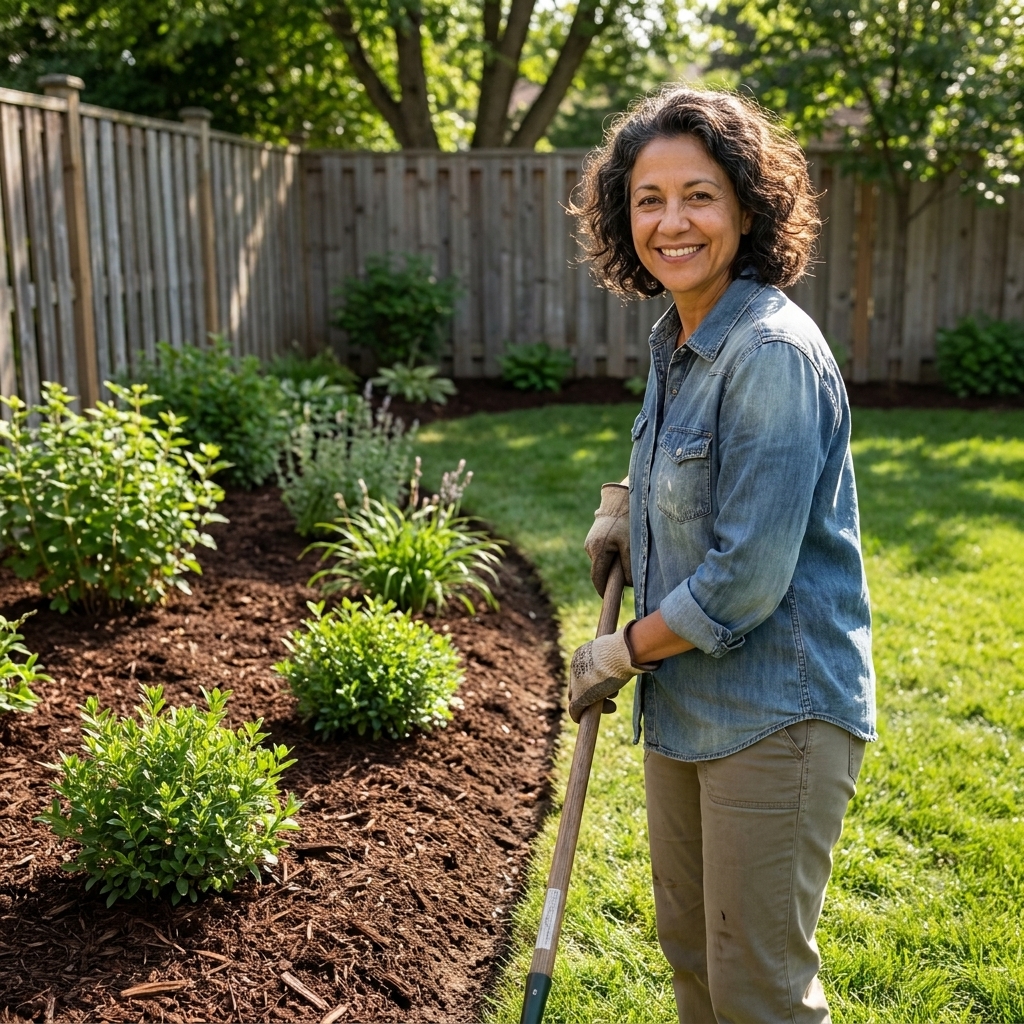
Organic mulch is a plant-based layer (wood chips, shredded bark, pine needles, leaf mold, compost) that breaks down over time, feeding soil and improving its structure.
Decorative gravel is an inorganic layer (pea gravel, crushed stone, river rock, decomposed granite) that does not break down, stays put longer, and creates a more permanent, hardscaped look.
- If you want healthier soil and happier plants: mulch usually wins.
- If you want long-term coverage and a clean, modern look: gravel often wins.
- If you want the lowest maintenance: it depends on your weeds, trees, and whether you are willing to edge and blow debris.
Cost
Mulch
Upfront cost: Usually lower per square foot, especially if you can buy in bulk or get arborist wood chips.
Long-term cost: Ongoing. Most organic mulches need topping up every 1 to 2 years, depending on the material (fine shredded bark breaks down faster than chunky chips) and your climate.
Gravel
Upfront cost: Often higher, plus delivery fees can be significant because stone is heavy.
Long-term cost: Typically lower replacement cost, but you may spend on edging, landscape fabric (optional, but common), and occasional top-offs where gravel migrates or sinks.
My real-life note: If you are still “figuring out” your garden layout, mulch is the cheaper, easier-to-change option. Gravel is more of a commitment.
Maintenance
Mulch maintenance
- Top up: Add about 1 to 2 inches when it thins.
- Rake and fluff: Especially after heavy rain or wind.
- Watch the depth: For most planting beds, aim for about 2 to 4 inches total.
Mulch is forgiving. If you decide to expand a bed, plant something new, or move a shrub, you just push it aside and get to work.
Gravel maintenance
- Blow or rake debris: Leaves, petals, and twigs fall in and break down into a thin “soil” layer that weeds love.
- Keep it contained: Edging matters. Without a barrier, gravel wanders into lawns and beds like it has weekend plans.
- Weed occasionally: You will still weed, but the strategy changes.
Gravel is tidy when it is tidy. It can also be annoying to reset after kids, pets, storms, or enthusiastic gardeners (hi, it is me) step off the path into the bed.
Weed control
Neither mulch nor gravel is a magical “never weed again” button. The best weed control comes from blocking light and preventing bare soil, plus being quick about pulling the first few weeds before they set seed.
Mulch for weeds
Mulch is very good at suppressing weeds when applied correctly:
- Put it down about 2 to 4 inches deep.
- Start with weed-free soil (pull weeds first).
- Refresh thin spots, because weeds love the edges and bare patches.
Bonus: mulched beds are easier to weed because the soil beneath stays looser and more moist.
Gravel for weeds
Gravel can suppress weeds, but two types still show up:
- Weeds from below: These push up through gaps, especially if there is no barrier layer and the base is not well prepared.
- Weeds from above: Wind-blown seeds germinate in the dust and organic debris that collects between stones.
If you use landscape fabric under gravel, it can help with weeds from below at first, but it is not a forever fix. Over time, debris accumulates on top, and weeds root into that layer anyway. Also, fabric can make deep weeding frustrating because roots tangle in it.
Water and soil health
Mulch: moisture saver and soil builder
Organic mulch slows evaporation, buffers soil temperature, and as it breaks down it improves soil structure and supports beneficial organisms. In plain language: it helps the soil act like a sponge, not a brick.
- Great for: veggie beds, perennials, shrubs, trees, pollinator gardens.
- Especially helpful in: sandy soils (adds water-holding ability) and clay soils (improves structure over time).
Gravel: stable surface, different soil effects
Gravel does not feed your soil. It can reduce surface evaporation a bit by shading the ground, but it also tends to run hotter in full sun and does not add organic matter, which can leave many garden soils feeling drier over time unless you are on top of irrigation.
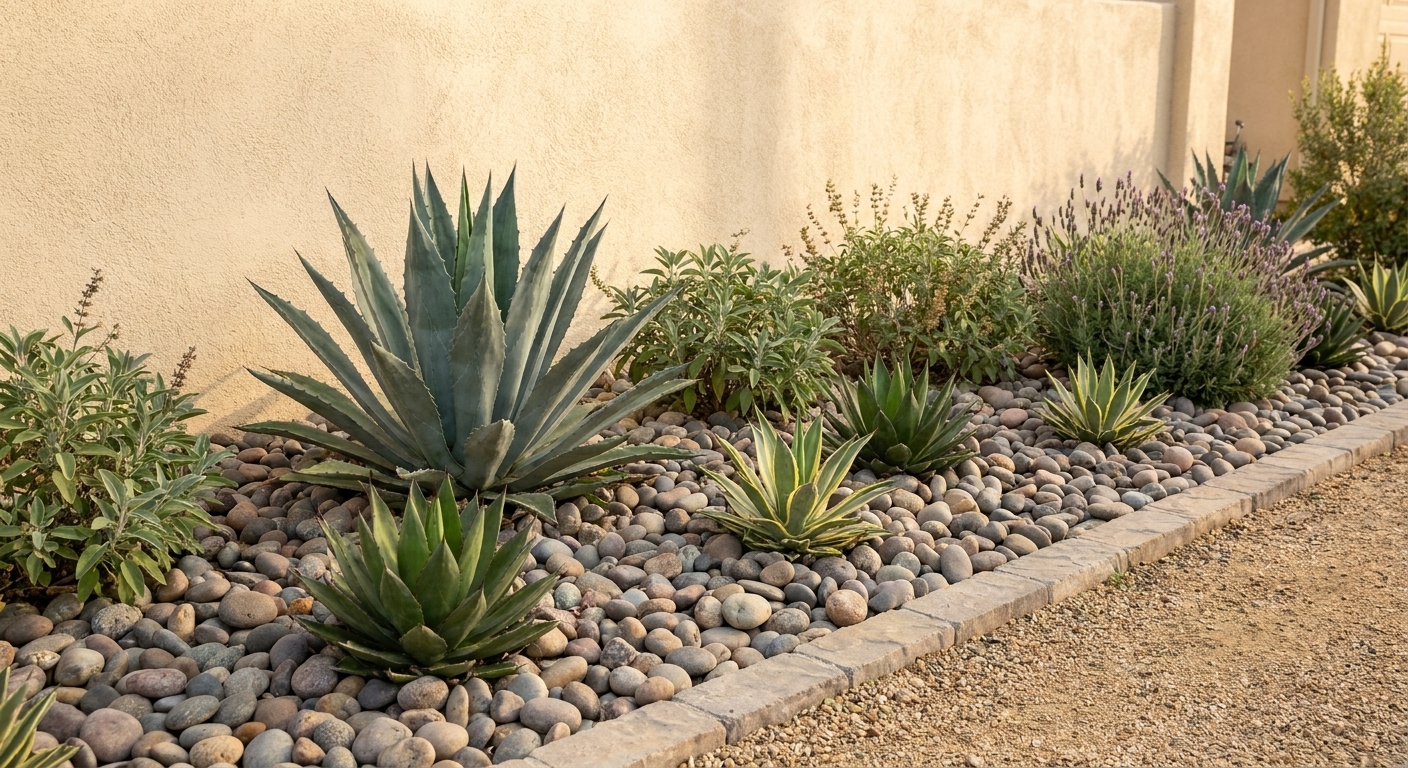
- Great for: drought-tolerant plantings, Mediterranean herbs, xeriscapes, areas where you want a firm surface.
- Consider carefully for: thirsty plants, shallow-rooted perennials, or gardens where you are actively improving poor soil.
Temperature
This is one of those not-so-glamorous factors that makes a huge difference in summer.
Mulch
Mulch generally keeps soil cooler in heat and warmer in cold snaps. That means less stress for plant roots and more consistent growth.
Gravel
Gravel can raise the temperature around plants in full sun, especially darker stone. That can be a plus for heat-loving plants in cool climates, and a minus for tender perennials or anything that sulks when its roots get hot.
Looks
Mulch vibe
Mulch reads as soft, natural, and garden-forward. It makes flowers and foliage pop and feels right at home in cottage gardens, woodland beds, and food gardens.
- Best style matches: cottage, woodland, traditional, edible gardens.
- Color note: Dyed mulches can fade and sometimes look unnatural up close. I prefer natural wood tones when possible.
Gravel vibe
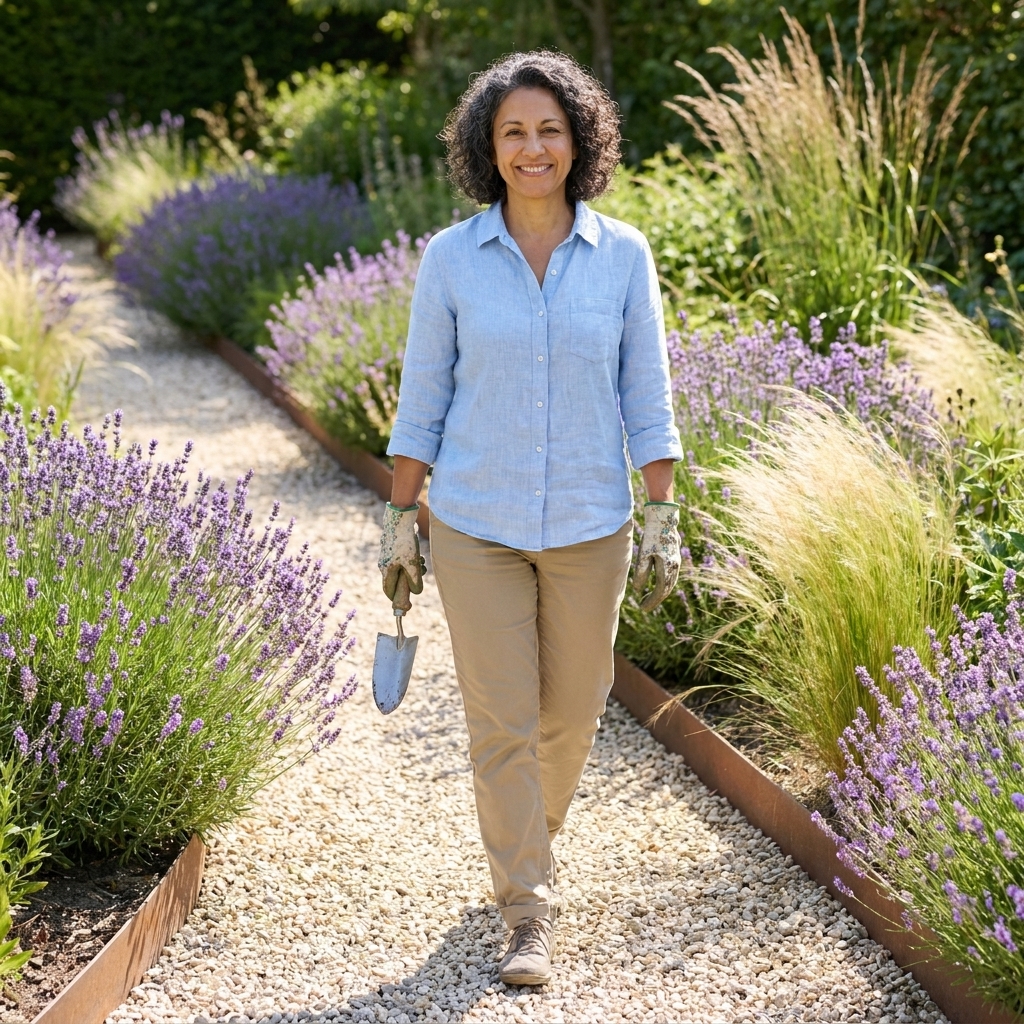
Gravel looks crisp and architectural. It pairs well with clean lines, drought-tolerant plants, and modern or Mediterranean-inspired spaces. Underfoot, it can feel satisfying and crunchy, or annoying and unstable, depending on the size and your shoes.
- Best style matches: modern, minimalist, Mediterranean, desert, Japanese-inspired gardens (with thoughtful plant choices).
- Texture note: Pea gravel shifts underfoot; crushed stone packs more firmly for paths.
Best uses
Where mulch shines
- Planting beds for shrubs, perennials, and annuals
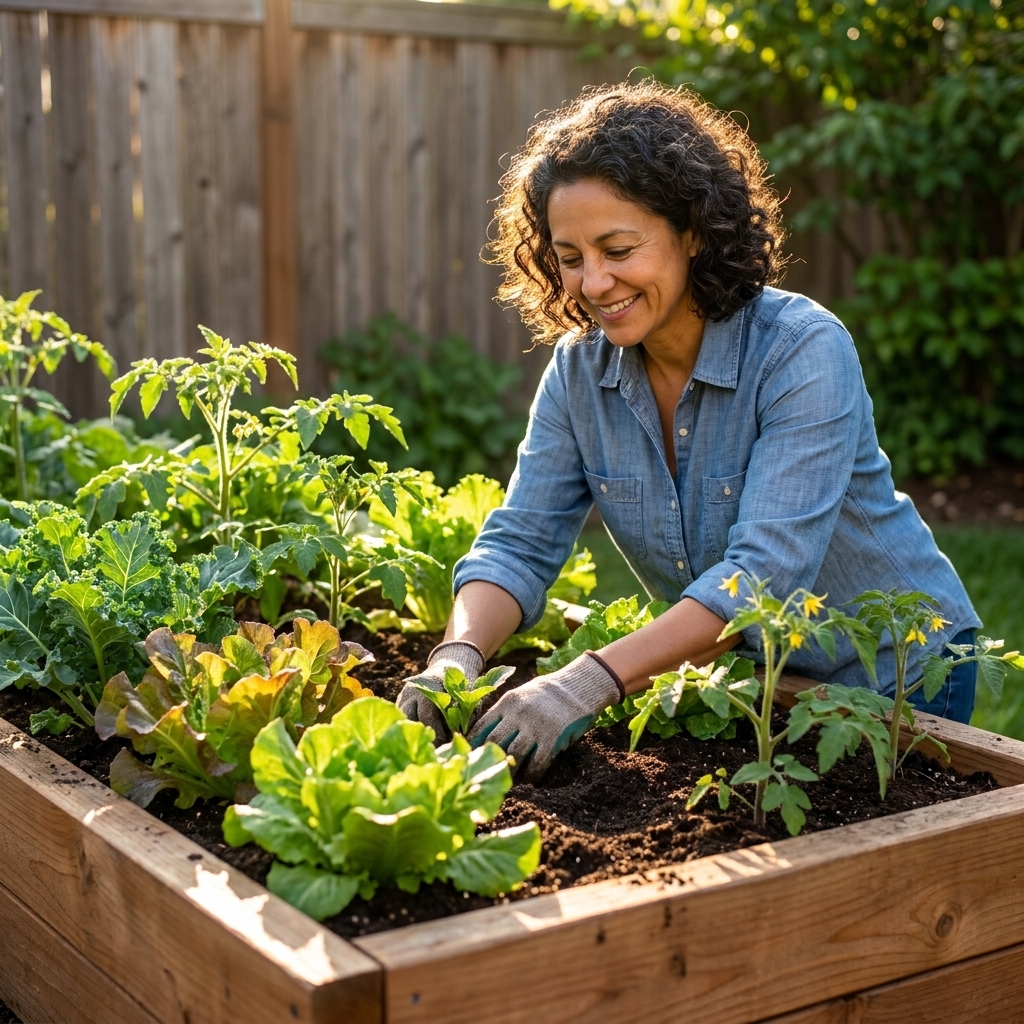
- Vegetable gardens (straw, leaf mold, or untreated wood chips in pathways)
- Around trees (kept off the trunk)
- Under hedges where you want fewer weeds and better soil over time
Where gravel shines
- High-traffic paths and seating areas
- Dry creek beds and drainage features
- Drought-tolerant beds where you want a low-water, low-organic-matter surface
- Foundation plantings where splashing soil is a problem and you want a cleaner look
One caution: Gravel can be rough around delicate stems if it shifts, and it is not my favorite right up against plants that like consistently cool, moist soil.
Installation
How to mulch a bed
- Weed first and water the soil if it is dry.
- Apply about 2 to 4 inches of mulch in an even layer.
- Keep mulch 2 to 4 inches away from plant stems and tree trunks. No mulch “volcanoes”.
- Edge the bed if you want a crisp line and less spillover.
How to install gravel without regrets
- Excavate to the depth you need (often 3 to 6 inches for paths).
- Install edging before you pour gravel. This is non-negotiable if you want it to stay put.
- Use a base layer for paths and patios (compacted crushed stone) for stability.
- Consider a barrier layer thoughtfully. Fabric can help initially, but it is not a lifetime weed solution and can complicate future planting changes.
- Choose the right gravel size for your purpose: pea gravel for a casual look, angular crushed stone for a more stable walking surface.
If you are laying gravel in a planting bed (not a path), ask yourself if you are truly done planting. If the answer is “probably not,” mulch may save your sanity later.
Real-life considerations
Fire risk
If you live in a wildfire-prone area, check local guidance for defensible space and what is recommended near structures. In some regions, gravel (or other noncombustible materials) is used as a buffer close to the house, while certain mulches may be discouraged right up against foundations.
Slopes and runoff
On slopes, both materials can move:
- Mulch can wash downhill in heavy rain, especially if it is too fine or the slope is steep.
- Gravel can migrate and creep over time (and it is extra annoying when it does).
Edging helps, and for gravel paths on slopes, a stabilizing grid can make a big difference.
Termites and local pests
If termites or other wood-destroying insects are a concern where you live, it is worth checking local extension advice for mulch use near foundations. The goal is not panic, just smart placement and good clearance.
Pets, kids, and everyday living
Mulch
- Softer for play areas and falls.
- Muddier if you have energetic dogs who think fresh mulch is a treasure hunt.
- Watch for splinters with some wood chip types, and avoid cocoa mulch if pets might eat it. It can be harmful to dogs, especially in larger amounts.
Gravel
- Tracks less mud into the house in many situations.
- Can get hot on bare feet in summer sun.
- Can scatter into lawns and driveways, especially with kids running through.
Common mistakes
Mulch mistakes
- Too deep: More is not always better. Very deep layers, especially of fine-textured mulch, can limit airflow and hold too much moisture at the surface.
- Piling against stems: Invites pests and disease.
- Using fresh chips in veggie beds as a soil mix-in: Fresh wood chips are best on top of soil, not tilled in, because they can temporarily tie up nitrogen as they break down.
Gravel mistakes
- Skipping edging: You will be picking rocks out of your lawn forever.
- Installing gravel over weeds without prep: They will come right back.
- Underestimating leaf litter: If you have big shade trees, gravel can become a debris trap that needs regular blowing and raking.
- Choosing the wrong stone: Round rock shifts; sharp rock can be uncomfortable for pets; very fine gravel can migrate easily.
Which should you choose?
If you want a simple decision, here is my neighbor-over-the-fence advice:
- Choose mulch if you are growing plants you want to thrive, you care about soil health, you like changing your garden over time, or you are working with challenging soil.
- Choose gravel if you want a durable surface for paths or seating, you garden in a dry style, you love a crisp hardscape look, or you are covering an area where plants are sparse and structure matters.
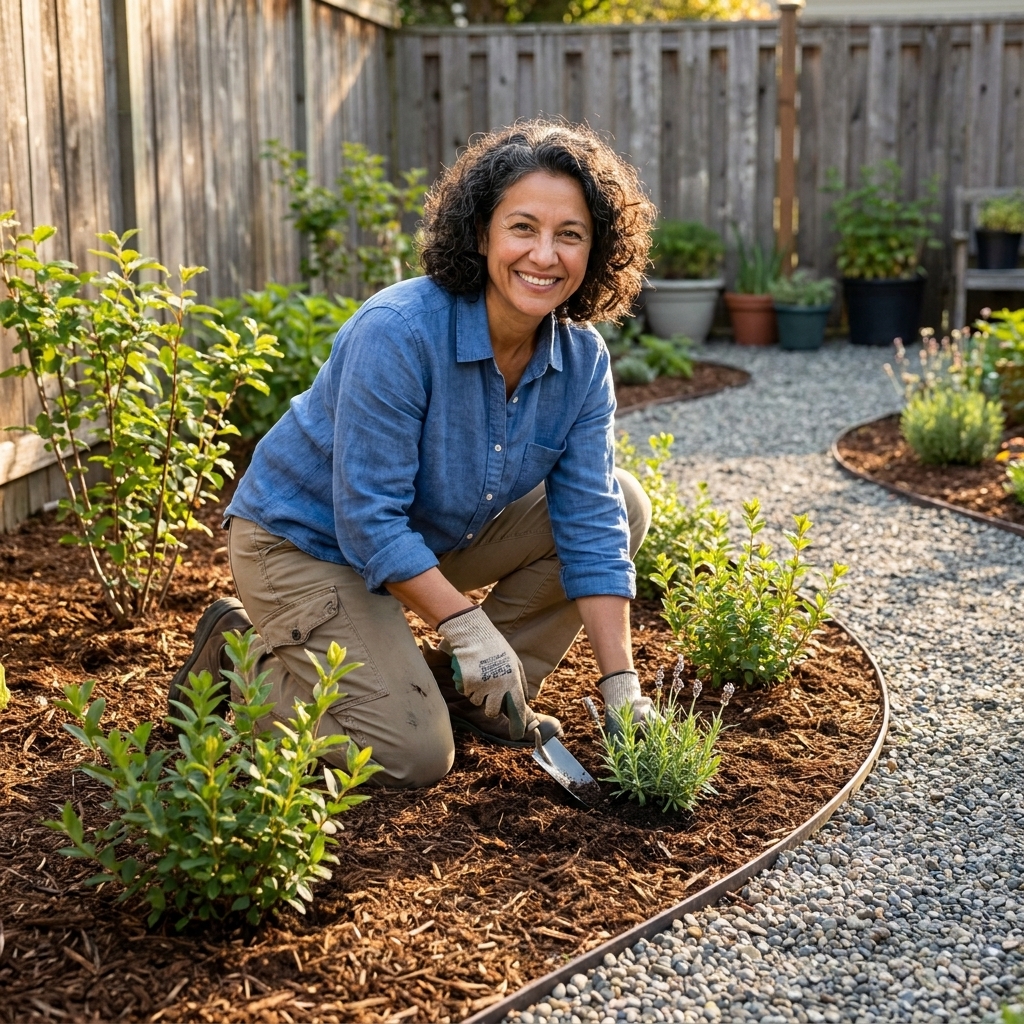
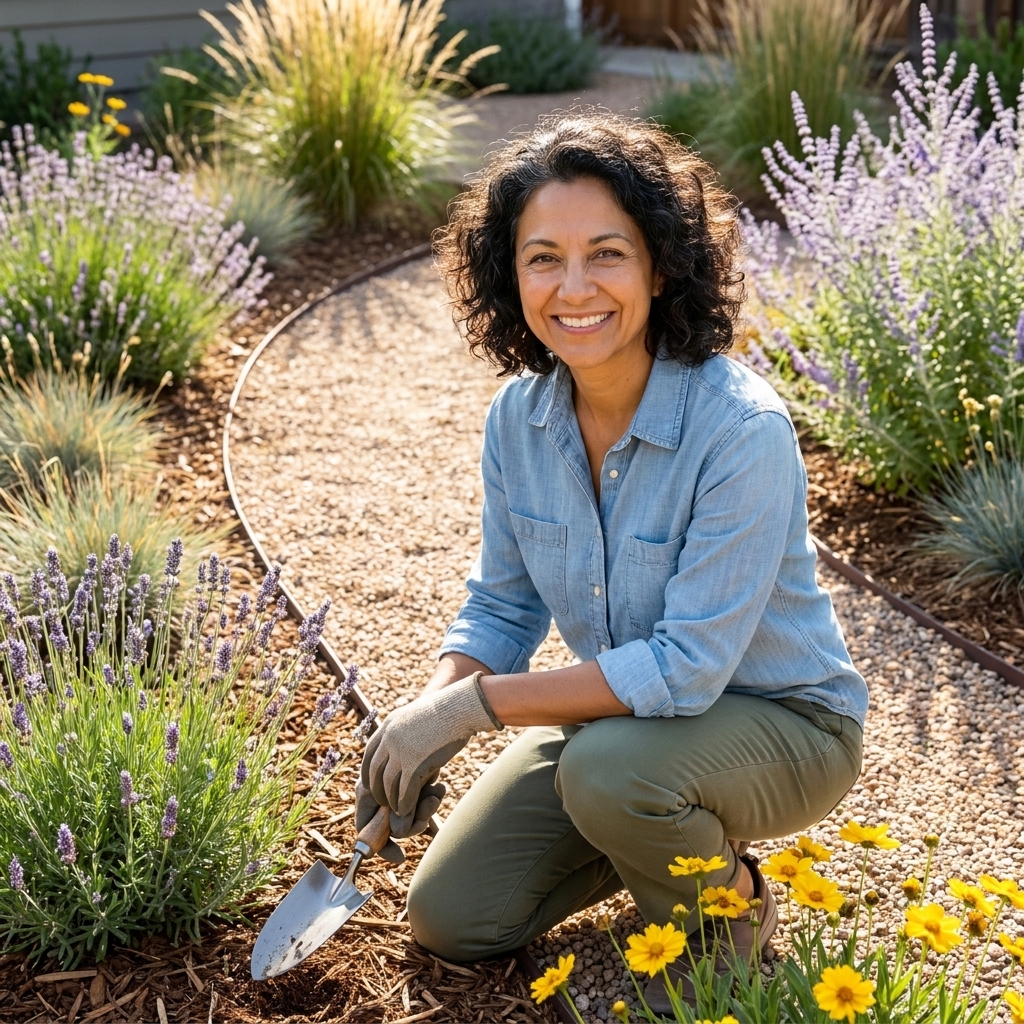
- Choose both if your space has different needs. I often use mulch in planting beds and gravel for paths. Your garden can be a mixed-texture masterpiece.
And if you are still undecided, start with mulch in your planting areas for a season. You can always switch later. It is much harder to un-gravel a bed than to rake back wood chips.
FAQ
Does gravel attract more weeds than mulch?
Not necessarily, but it can feel that way because weeds in gravel are harder to pull cleanly, and wind-blown seeds love the dust and leaf bits that collect between stones. Mulch tends to suppress weeds more reliably when kept at a consistent, bed-appropriate depth.
Do I need landscape fabric under gravel?
It can help at first, especially for weeds coming from below, but it is not a permanent weed solution. Over time, debris builds up on top and weeds sprout anyway. If you might want to plant or adjust the area later, fabric can become a hassle.
How often should I add more mulch?
You typically do not “replace” it so much as top it up. Plan to refresh with about 1 to 2 inches every 1 to 2 years, or whenever you notice it thinning and weeds sneaking in.
Can I put gravel around trees and shrubs?
You can, but mulch is usually kinder to roots and soil life. If you use gravel, keep a generous clear zone around trunks and be mindful of heat buildup and watering needs.
What depth is best?
Mulch: About 2 to 4 inches for most planting beds. Gravel: Commonly 2 to 3 inches for coverage, deeper for paths when paired with a proper base layer.