Stagger plantings, swap crops by season, and rotate families for continuous harvests from spring through fall. Includes easy schedules, timing buffers, and a...
Gardening insights
Late Summer Planting for Fall Harvest
Plant now, harvest when the air turns crisp. Here’s what to sow in late summer, plus timing tips, quick-maturing crops, and cold-hardy greens for a thriving fall garden.

Elena Rosales
Elena Rosales is a certified Master Gardener and lifelong plant enthusiast who believes anyone can cultivate a green thumb. After transforming her tiny urban balcony into a thriving plant oasis, she moved to a half-acre homestead to grow her own food and flowers. Today, she shares practical, hands-on gardening advice to help the Hortello community bring more green into their lives.
Published September 21, 2026
Updated September 21, 2026
Late summer gardening has a special kind of magic. The sun is still warm on your shoulders, the soil is toasty, and the weeds have (mostly) shown you their whole hand. Best of all, you can plant now and harvest when the air turns crisp and the kitchen starts begging for soups, salads, and sheet-pan dinners.
If you have ever looked at your tired mid-August beds and thought, “Welp, guess we’re done,” I am here to lovingly disagree. A fall vegetable harvest is absolutely within reach, even in small spaces and containers. Let’s plant smart, pick fast varieties, and let cooler nights do some of the flavor work for us.
Quick note before we dive in: fall planting advice lands differently depending on where you live. If you have a long, mild fall, you can grow a lot. If your first frost comes early, aim for quick crops and transplants, and consider row cover sooner rather than later.
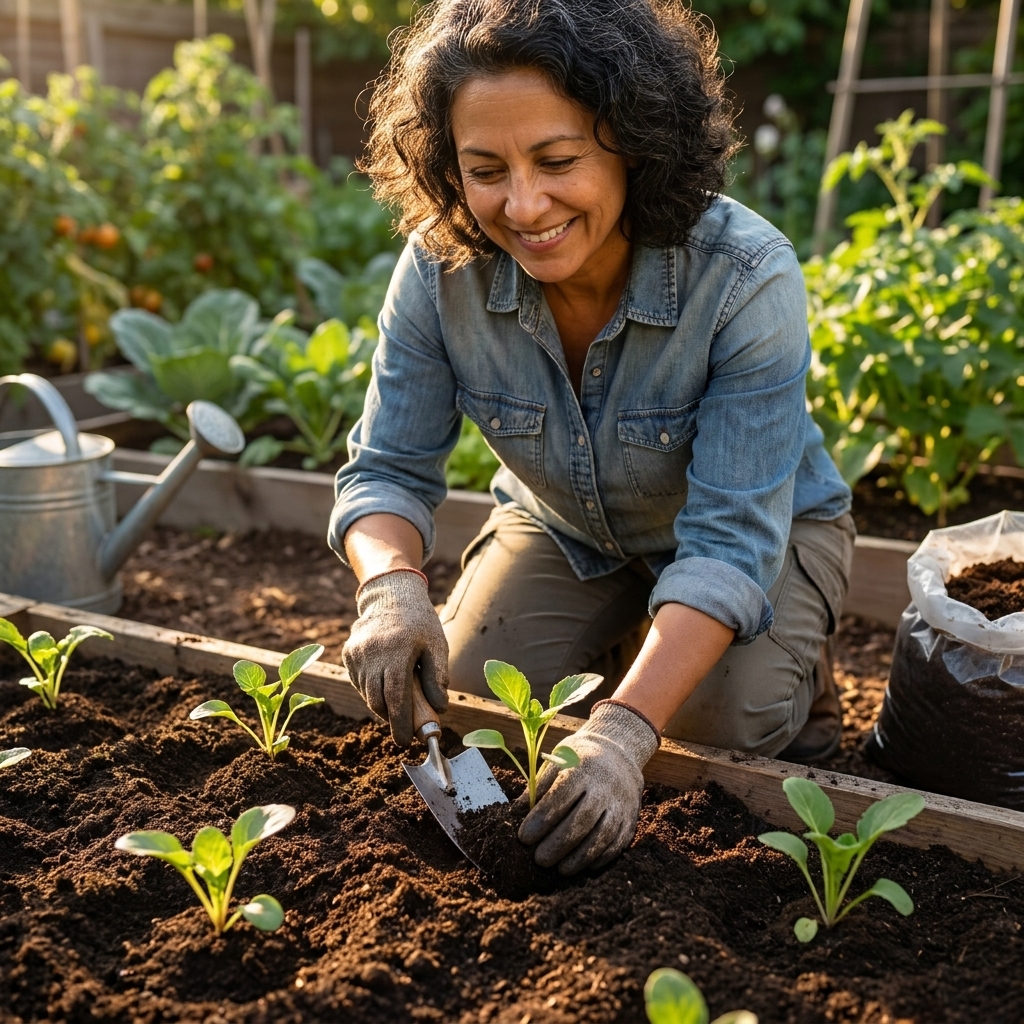
Start with your first frost date
Fall planting is all about timing, and timing starts with one number: your average first fall frost date. Once you know that date, you can work backward using the “days to maturity” listed on seed packets.
The simple timing math
- Find your first frost date. (Your local extension office usually has it.)
- Take the crop’s days to maturity and add a buffer: +10 to 14 days for slower fall growth.
- Count backward from your frost date to find your latest planting window.
Example (fast crop): If your first frost is October 15 and your lettuce says 45 days (from seed), plan for about 55 to 60 days. That means you would aim to sow by mid-August to early September.
Example (slower crop): If carrots take 75 days (from seed), you are really planning for closer to 85 to 90 days. With an October 15 frost, that puts your sowing date in mid-July. If you are past that, pivot to quicker roots (turnips, beets as babies) or focus on greens.
Good news: Many fall crops do not mind light frosts. Some actually get sweeter after a chilly night, which is basically nature’s way of apologizing for summer’s heat.
Fast growers to direct sow
These are my late-summer MVPs. They germinate quickly in warm soil and mature fast enough to fit into the fall window in many climates.
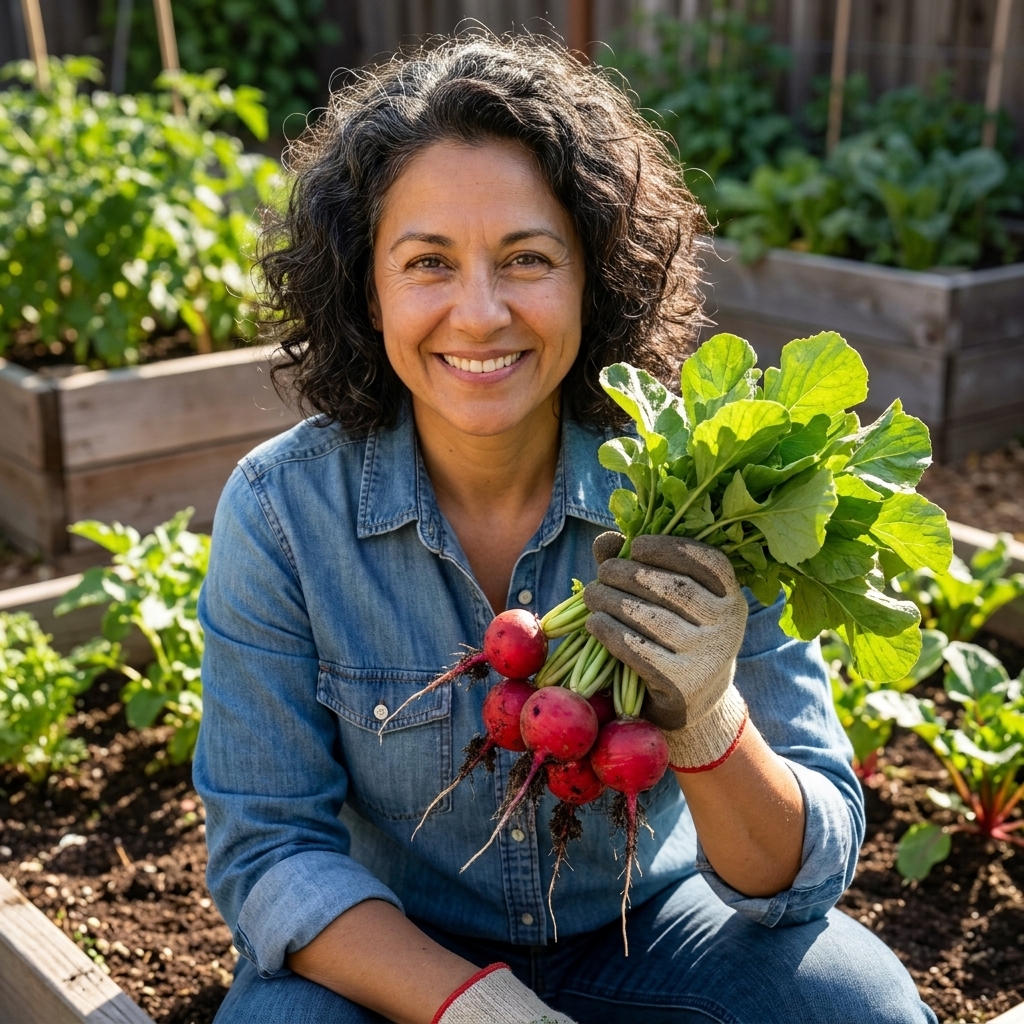
Radishes
Radishes are the “instant gratification” crop. Most are ready in 22 to 35 days (from seed). In late summer heat, keep the seedbed evenly moist for good germination.
- Planting tip: Sow a short row every 7 to 10 days for a steady harvest.
- Fall favorite: Try longer types (like daikon) if you still have enough time before hard freezes.
Bush beans
If you still have warm days ahead, bush beans can be a fantastic late summer sow. Many mature in 50 to 60 days (from seed).
- Planting tip: Choose quick varieties and keep soil consistently moist during flowering.
- Reality check: Beans are not frost-hardy. They are great if your first frost is still a comfortable distance away.
Beets
Beets are a two-for-one: roots and greens. Expect 50 to 70 days (from seed) for full-size roots, sooner if you harvest baby beets.
- Planting tip: Thin seedlings early. Crowded beets stay small and sulky.
- Bonus: Beet greens are delicious sautéed with garlic and a squeeze of lemon.
Carrots
Carrots can be a late summer success story, especially where falls are long and mild. Many varieties take 65 to 80 days (from seed), but baby carrots are faster.
- Planting tip: Carrot seed is tiny. Keep the top layer of soil damp until germination, which can take 1 to 2 weeks.
- Container note: Use a deep pot and a loose, stone-free mix for straight roots.
Turnips
Turnips are wonderfully underrated. Many mature in 35 to 60 days (from seed) and handle cool weather well.
- Planting tip: Harvest young for tender roots, or let them size up for roasting.
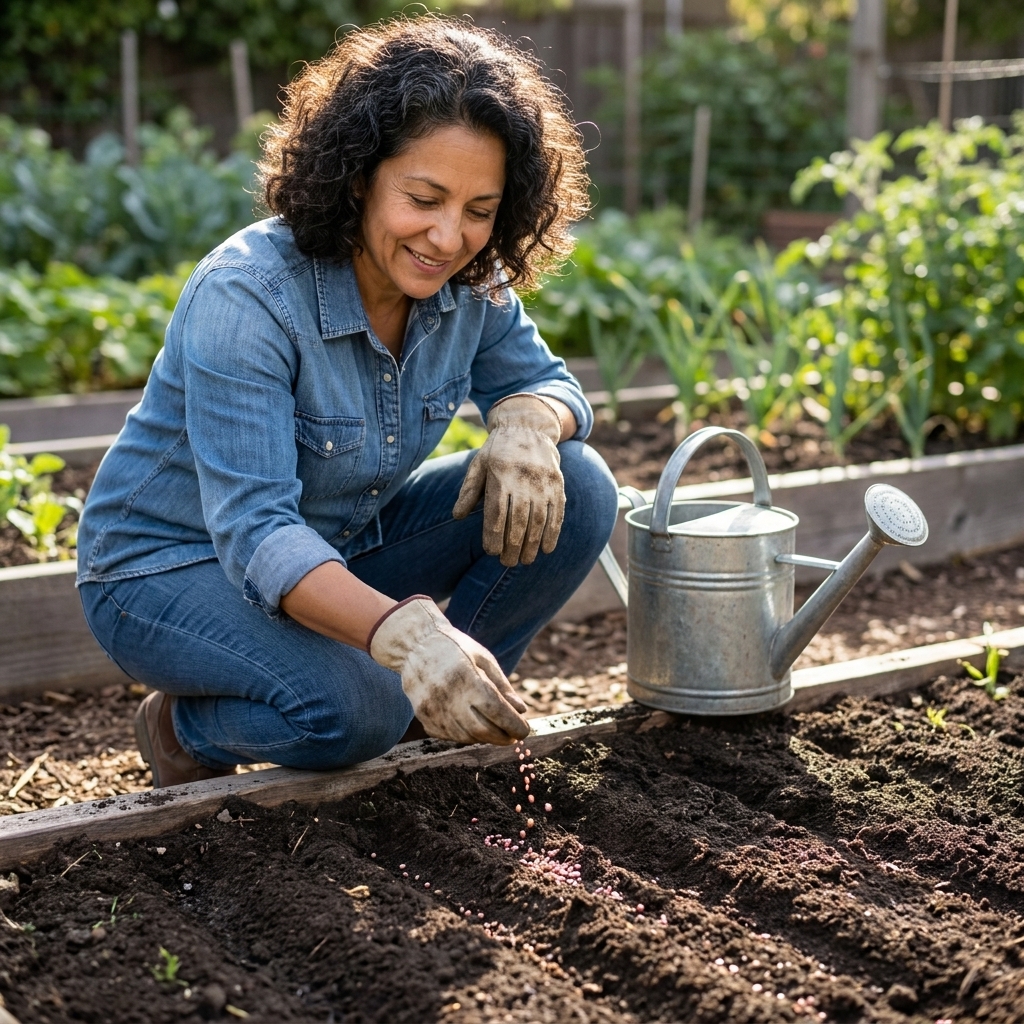
Cold-hardy greens for fall
Fall greens are the reason I keep gardening when everyone else is mentally packing up for winter. Cooler weather means fewer bolting issues, less bitterness, and happier salads.
Spinach
Spinach loves cool weather and often tastes sweeter in fall. Many varieties mature in 35 to 50 days (from seed).
- Planting tip: In hot late-summer conditions, sow in partial shade or use shade cloth for the first couple of weeks.
- Heat note: Spinach can be stubborn in warm soil. If nights are still hot, try starting seedlings indoors and transplanting, or wait until soil temperatures drop.
- Frost note: Light frosts are fine. Hard freezes usually call for a row cover, especially for young plants.
- Succession tip: Sow a small patch every 10 to 14 days until your timing window closes.
Lettuce
Lettuce is a fall garden classic. Leaf types can be ready in 30 to 45 days (from seed), and you can harvest baby greens sooner.
- Planting tip: If germination is stubborn in heat (thermodormancy), pre-chill seeds in the fridge for a few days, then sow in the evening and keep moist.
- More reliable options: Choose heat-tolerant “summer” lettuce varieties, sow under a board or burlap to hold moisture, or pre-sprout seeds on a damp paper towel and plant once they show a tiny root.
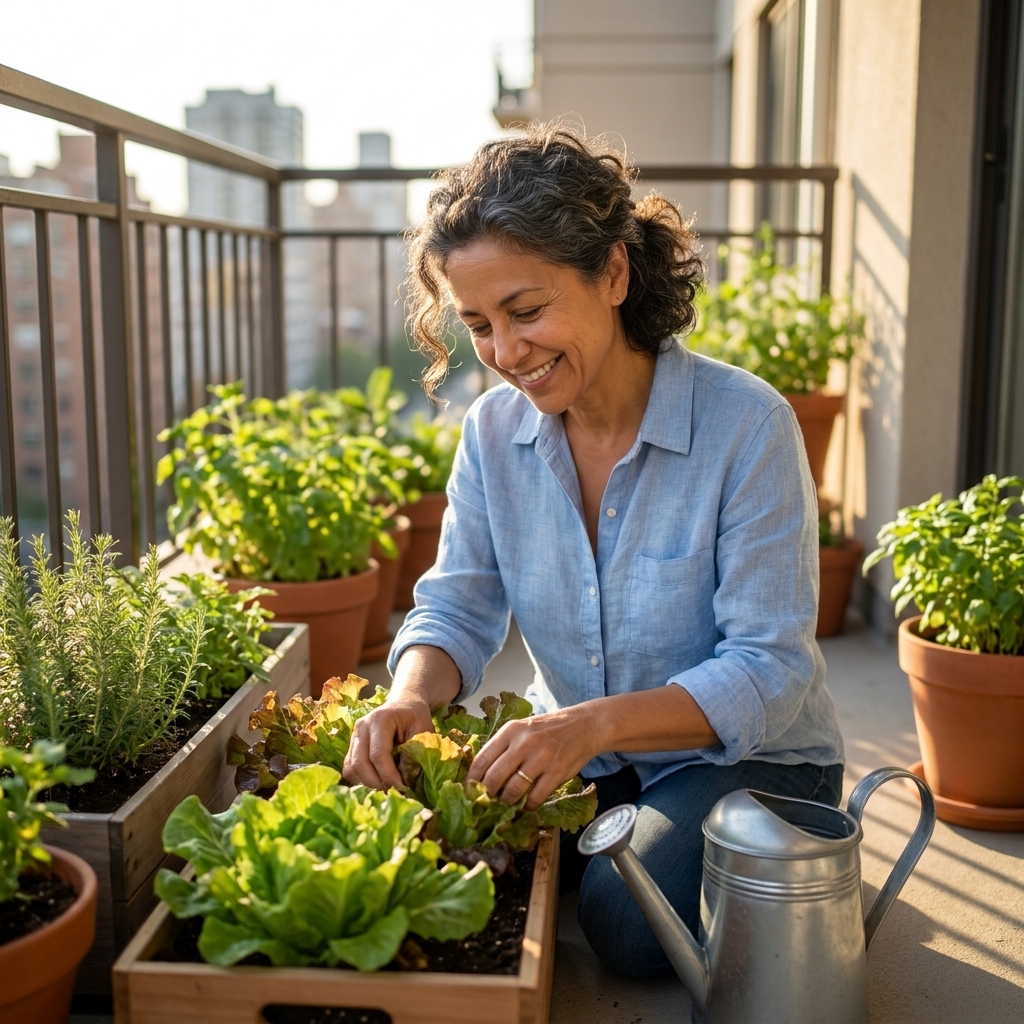
- Container win: Lettuce is one of the easiest crops for balcony pots and window-box style planters.
- Succession tip: Sow a short row every 1 to 2 weeks for steady salads.
Arugula
Arugula is fast and peppery, usually ready in 25 to 40 days (from seed). Cool weather mellows the bite just a bit.
- Planting tip: Succession sow every 2 weeks for steady salads.
Kale
Kale is famously cold-hardy and can keep producing well into late fall. Expect 50 to 70 days (from seed) for mature leaves, sooner for baby kale.
- Flavor note: A little frost can make kale noticeably sweeter.
- Frost note: Light frosts are usually no big deal. Hard freezes are tougher on small plants, so cover if temperatures drop sharply.
- Harvest tip: Pick outer leaves and let the plant keep growing from the center.
Swiss chard
Chard is a workhorse and surprisingly forgiving. It often produces in 50 to 60 days (from seed) and can tolerate cool conditions.
- Harvest tip: Cut-and-come-again harvesting gives you weeks of meals.
Asian greens (bok choy, tatsoi, mizuna)
If you have struggled with these in spring because they bolt, fall is your season. Many are ready in 30 to 55 days (from seed).
- Planting tip: Protect from flea beetles early with a lightweight row cover.
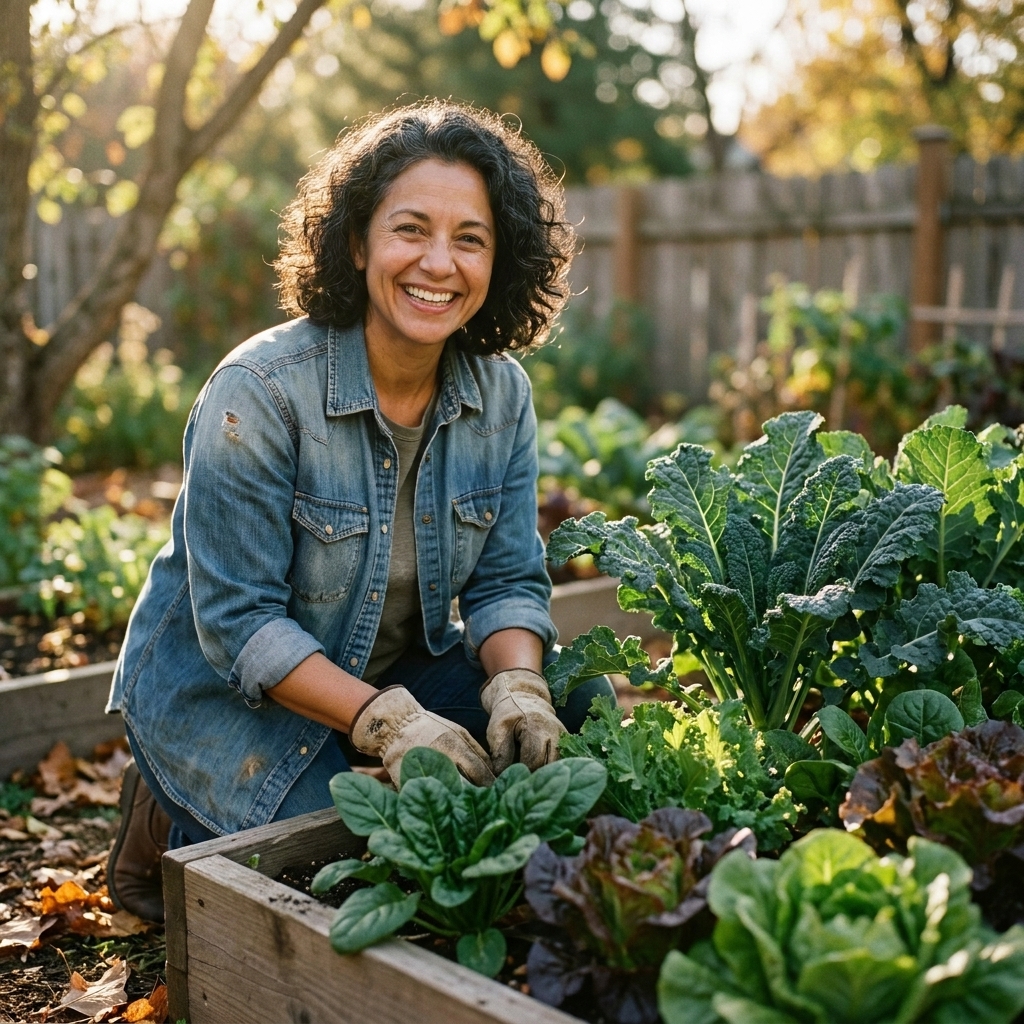
Fall brassicas: use transplants
Broccoli, cauliflower, cabbage, and Brussels sprouts can be glorious in fall, but they take longer and appreciate a head start. In late summer, I often recommend using transplants if you can find them, especially in shorter-season areas.
Good brassica options
- Broccoli: Often 60 to 80 days from transplant. Side-shoot types keep producing.
- Cauliflower: More timing-sensitive, typically 70 to 90 days from transplant.
- Cabbage: Many types 70 to 100 days from transplant, but some early varieties are quicker.
- Brussels sprouts: A long game crop, best where fall is long and winters are mild.
Pest tip: If cabbage moths, loopers, or aphids are common where you garden, put row cover on right at transplanting. It is the easiest way to prevent that slow-motion heartbreak later.
My honest note: Brassicas taught me humility. If you are new to fall gardening, start with greens and radishes for quick wins, then add one brassica as your “experiment.” Gardening is allowed to be a science project.
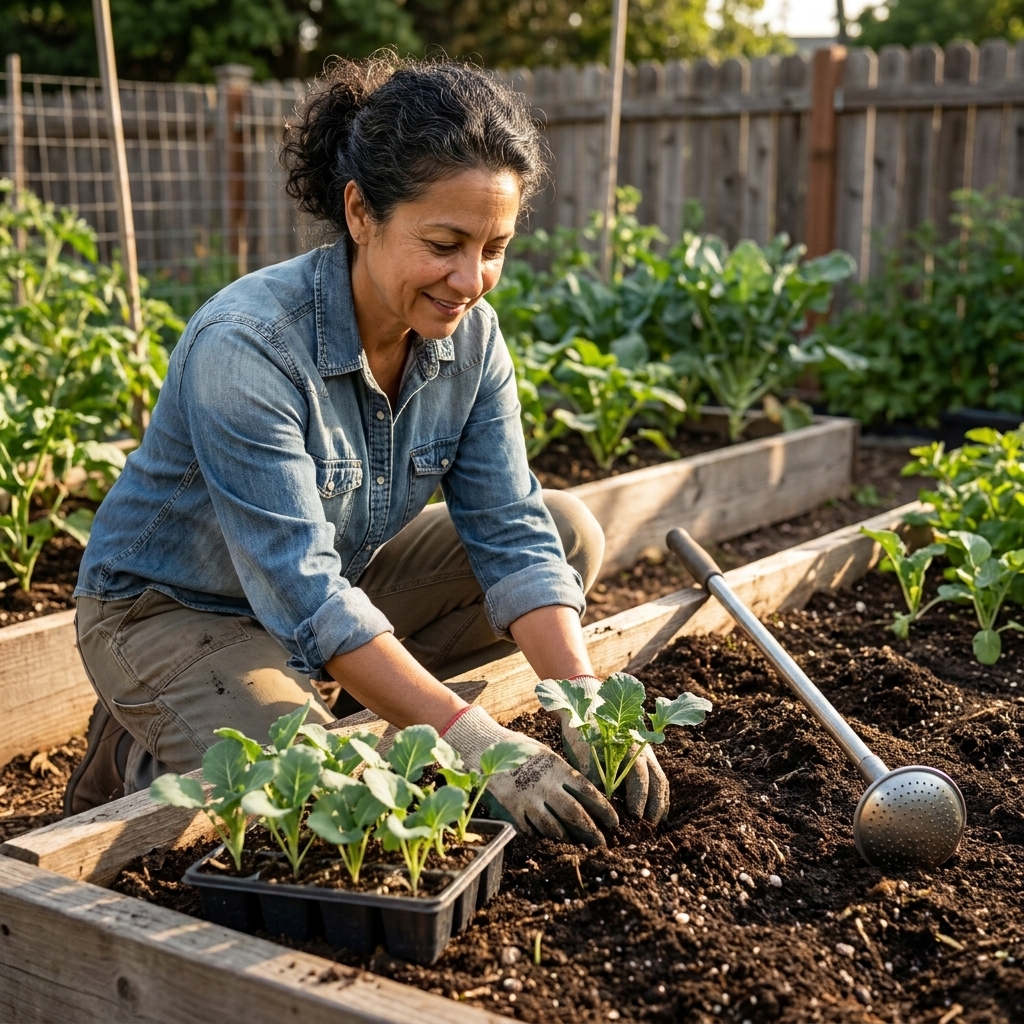
Containers for fall planting
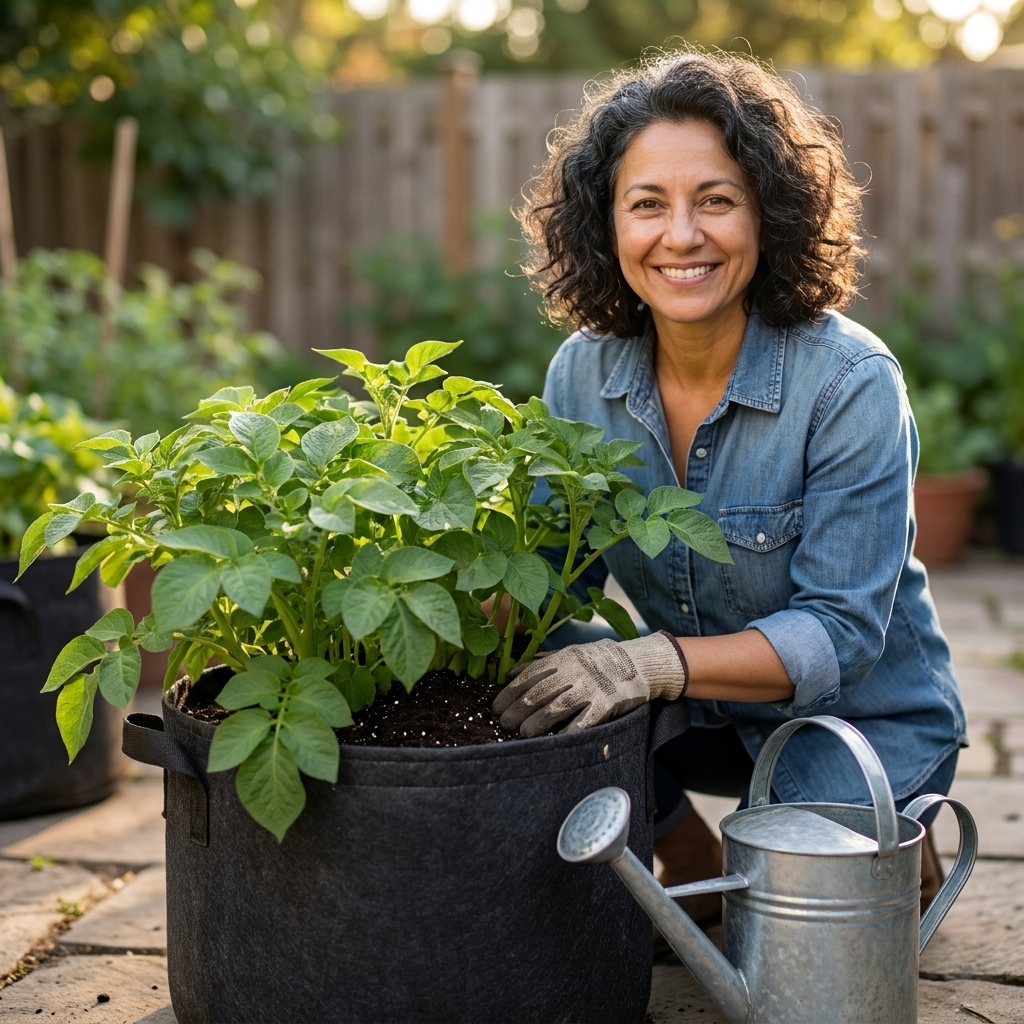
If you are gardening in pots, fall planting can actually be easier than summer. Less heat stress means less frantic watering.
My favorite container picks
- Lettuce, arugula, spinach: Shallow roots, fast harvest.
- Radishes: Great in medium-depth pots.
- Green onions: Quick and forgiving, perfect “snip as needed” flavor.
- Kale: One plant per pot can feed you for weeks.
Container success tips
- Refresh the soil: Top-dress with compost and mix in a little slow-release organic fertilizer.
- Watch moisture: Pots dry faster, even in cool weather. Check daily during germination.
- Give afternoon shade at first: Especially for lettuce and spinach when days are still hot.
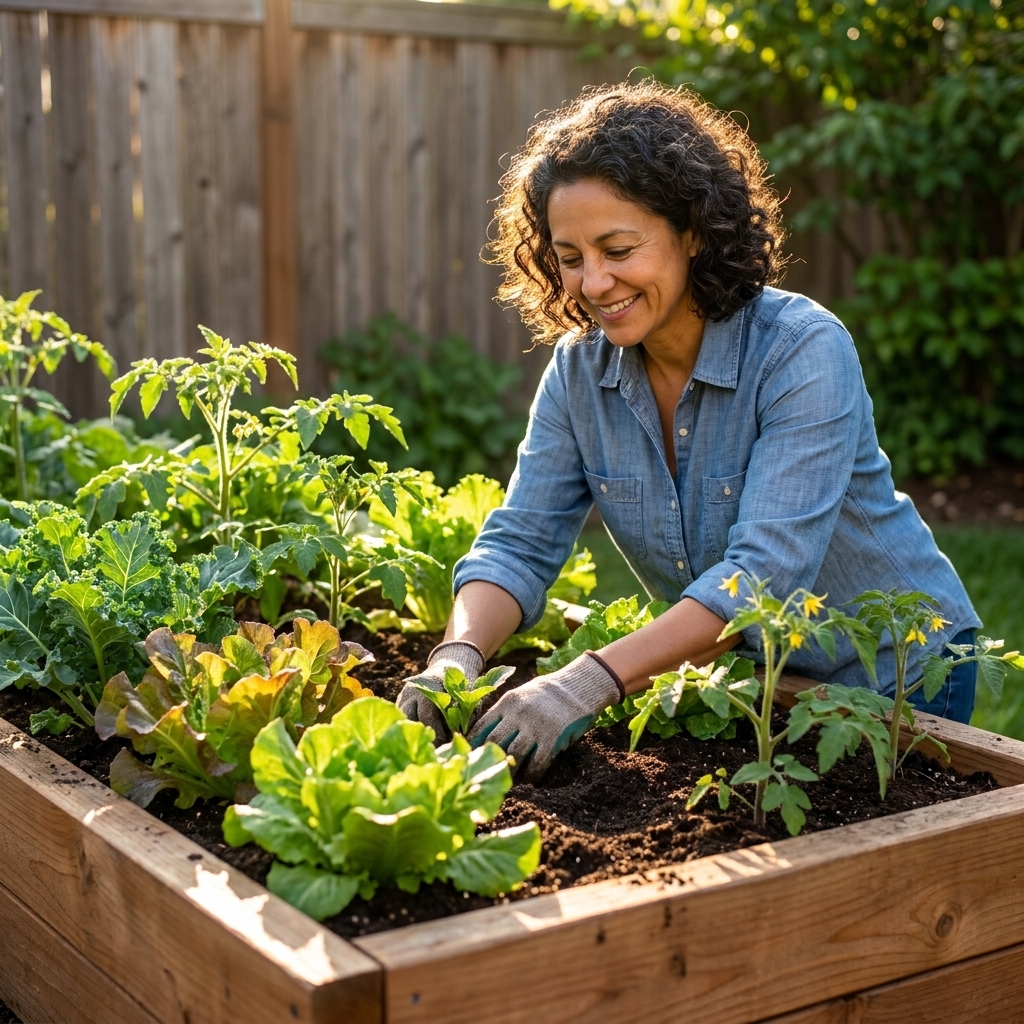
Bed prep: a 30-minute reset
Late summer beds can look a little rough. That is normal. Here is the quick reset I use when I need to turn a tired summer spot into a fall-ready seedbed.
- Pull finished crops and remove any diseased leaves. (Compost healthy plant matter, trash the sick stuff.)
- Weed thoroughly. You do not want weed seeds racing your fall seedlings.
- Loosen the top few inches with a hand fork or broadfork, especially where soil is crusted.
- Add compost (about 1 to 2 inches). You can mix it in lightly, or simply top-dress if you prefer minimal disturbance.
- Water deeply the day before sowing if your soil is dry.
- Sow, label, and cover lightly according to seed depth.
If the heat is still intense, I sometimes lay a piece of burlap or a board over freshly seeded rows. It holds moisture and improves germination. Just check daily and remove it as soon as seedlings pop up.
Protecting fall crops
When it is still hot
- Water in the morning so plants go into the afternoon hydrated.
- Use shade cloth (or even a sheer curtain) for tender greens until nights cool.
- Mulch after seedlings are established to keep soil moisture steady.
- For tricky germination: If lettuce or spinach will not sprout, it is often soil temperature, not you. Try sowing under a board, misting to keep the surface evenly damp, or starting seedlings indoors for transplant.
When pests are still active
- Row cover: My go-to for flea beetles on arugula and Asian greens, and for moth protection on brassicas.
- Hand-pick: Caterpillars on kale and broccoli are easier to manage early.
- Healthy soil first: Stressed plants invite trouble. Compost and steady watering help more than we want to admit.
When frost threatens
- Keep lightweight frost cloth ready. It can buy you weeks.
- Harvest strategically: Pick lettuce and tender greens before a hard freeze.
- Let hardy greens ride: Kale and spinach usually shrug off light frosts, especially once established. Hard freezes are a different story, so cover when temperatures plunge.
Cheat sheet
If you want the quick version, start here and adjust for your frost date and variety timing.
- Fastest wins: Radishes, arugula, baby lettuce, Asian greens
- Great roots for fall: Beets, turnips, carrots (if you have time)
- Cold-hardy staples: Kale, spinach, Swiss chard
- Warmth-dependent: Bush beans (only if you have enough frost-free days)
- Best as transplants: Broccoli, cauliflower, cabbage
FAQ
Is it too late to start a fall garden in late summer?
In most places, no. It depends on your first frost date and what you plant. Focus on quick crops like radishes and leafy greens, and use transplants for longer-season brassicas.
Do I need to fertilize for fall vegetables?
Often, yes, but gently. A layer of compost plus a balanced organic fertilizer is usually plenty. Leafy greens appreciate steady nitrogen, but too much can create lots of soft growth that is more pest-prone.
Why won’t my lettuce or spinach germinate in August?
Heat is usually the culprit, especially warm soil. Try sowing in the evening, keeping the seedbed consistently moist, giving a bit of shade, and pre-chilling seeds for a few days. Heat-tolerant varieties, sowing under a board, or pre-sprouting seeds can be even more reliable until nights cool down.
What’s the easiest fall crop for beginners?
Leaf lettuce and radishes, hands down. They are fast, forgiving, and they help you build confidence for bigger fall projects.
A final pep talk
Late summer planting is not about perfection. It is about giving yourself a fresh start when the garden feels a little worn out. Start small, sow a short row of something quick, and let that first crisp fall harvest remind you why we keep coming back to the soil.
If you want, tell me your first frost date and what you have growing right now, and I can help you pick the best fall lineup for your exact window.