Stagger plantings, swap crops by season, and rotate families for continuous harvests from spring through fall. Includes easy schedules, timing buffers, and a...
Gardening insights
Raised Beds vs. In-Ground Gardening
Trying to decide between raised beds and in-ground gardening for vegetables? Compare costs, soil needs, upkeep, and yields so you can choose what fits your space and your back.

Elena Rosales
Elena Rosales is a certified Master Gardener and lifelong plant enthusiast who believes anyone can cultivate a green thumb. After transforming her tiny urban balcony into a thriving plant oasis, she moved to a half-acre homestead to grow her own food and flowers. Today, she shares practical, hands-on gardening advice to help the Hortello community bring more green into their lives.
Published September 21, 2026
Updated September 21, 2026
If you have ever stood in the garden aisle holding a stack of lumber in one hand and a seed packet in the other, you have already met the raised bed vs. in-ground dilemma. I have gardened both ways, starting with containers on a city balcony and graduating to a half-acre homestead where I can (sometimes) get carried away. Both methods can grow gorgeous, productive vegetables. The “best” choice usually comes down to your soil, your space, your budget, and how much bending you want to do on a Saturday morning.
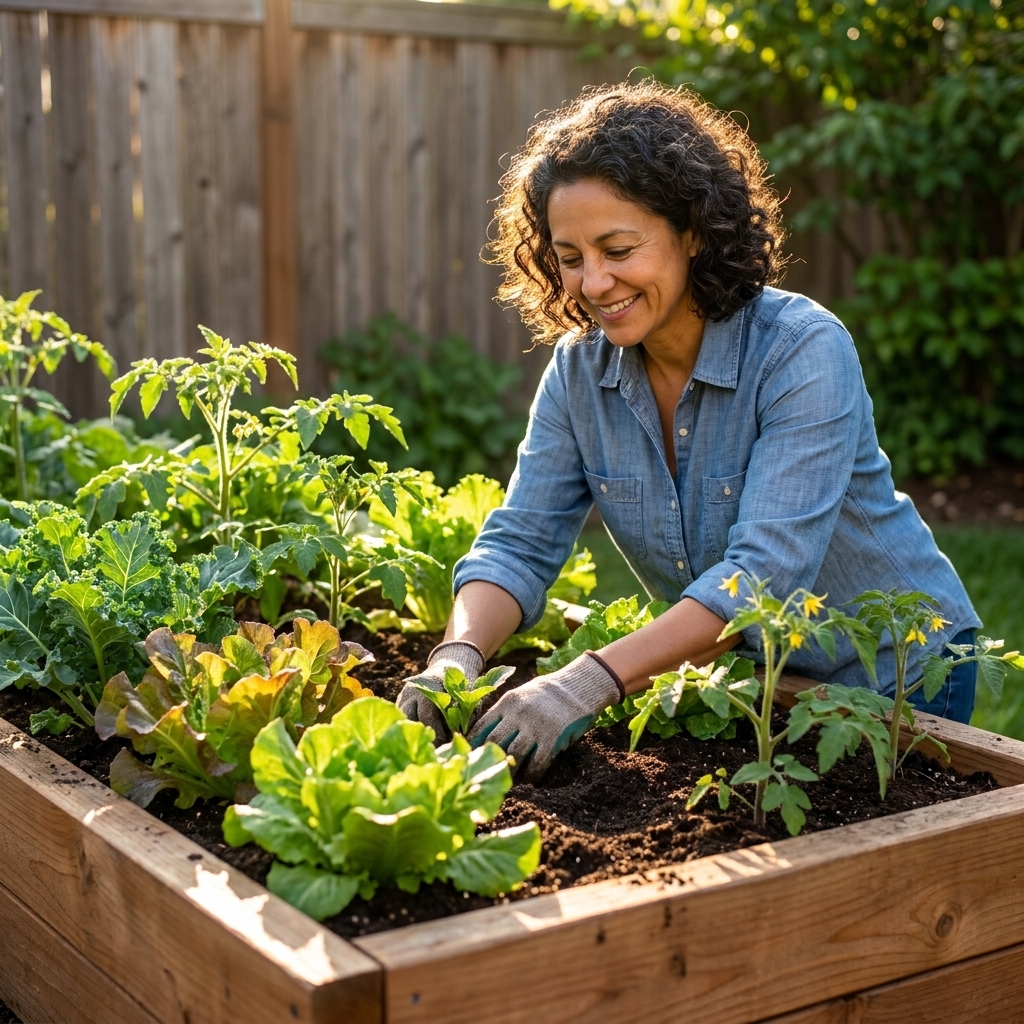
Let’s break down the pros, cons, and real costs so you can pick a setup you will actually enjoy using all season.
The quick difference
Raised bed gardening
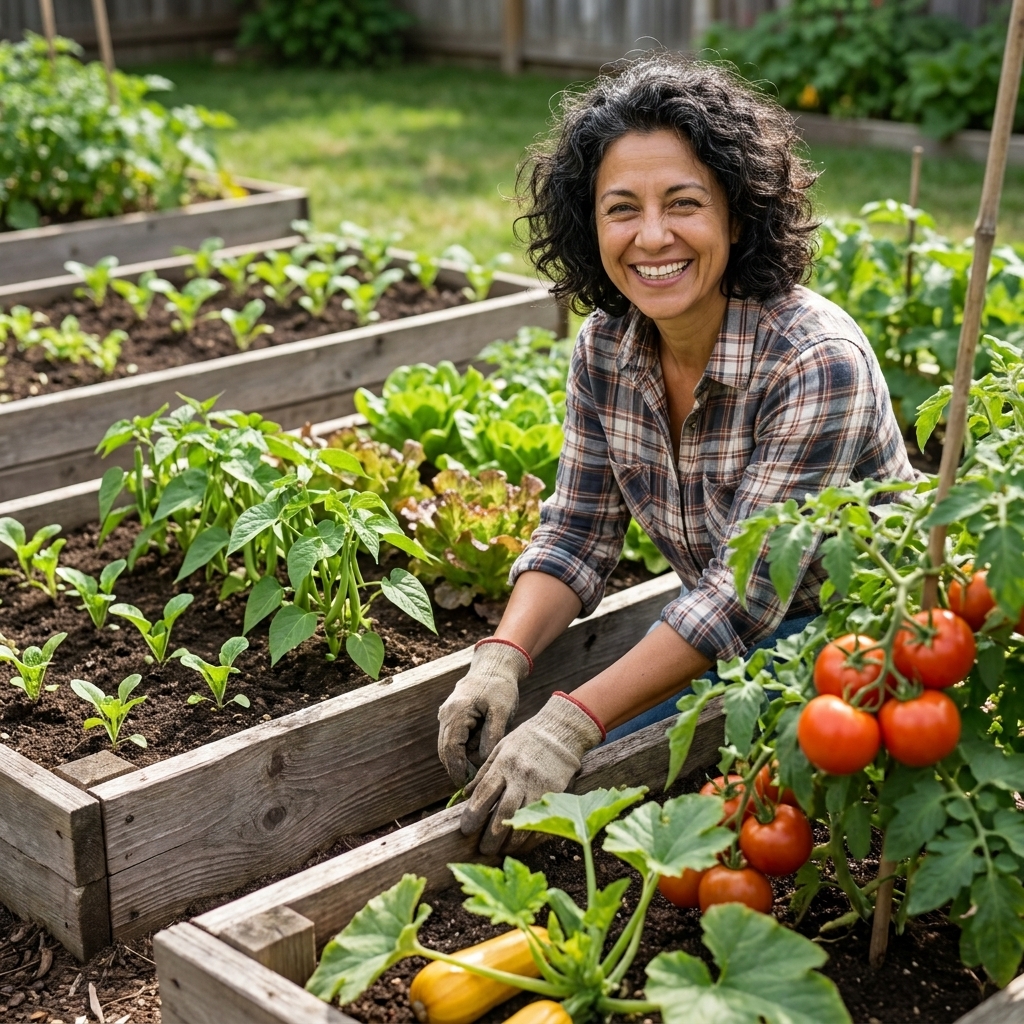
A raised bed is a defined growing area where the soil level is higher than the surrounding ground. It might be framed with wood, stone, metal, or composite, or it can be a simple mound shaped above grade. Most vegetable raised beds are 6 to 18 inches deep. Note: 6 inches can work for shallow-rooted crops if the soil beneath is loose and healthy, but many vegetables are happier with more depth.
In-ground gardening
In-ground gardening means planting directly into your existing native soil, usually after loosening it and adding compost. This can be a traditional row garden, a wide bed dug into the ground, or a no-till bed built by layering compost and mulch over the soil surface.
Pros and cons at a glance
Raised beds: where they shine
- Better drainage and earlier spring planting, especially helpful in heavy clay or wet yards.
- More control over soil quality, since you can fill with a tailored mix.
- Less compaction, because you can set up beds you never step in.
- Weeding is often easier thanks to defined edges and looser soil.
- Great for small spaces and tidy layouts.
Raised beds: trade-offs
- Upfront cost for lumber, hardware, and soil.
- They dry out quicker and may need more frequent watering.
- Limited rooting depth if the bed is shallow or the soil beneath is compacted.
- Wood can rot over time, depending on material and climate.
In-ground: where it shines
- Lowest cost to start, especially if you already have workable soil.
- More consistent moisture in many climates, with less frequent watering once established.
- Unlimited bed size and easy expansion.
- Deep rooting potential for big crops when the soil is improved.
In-ground: trade-offs
- Soil problems are harder to fix fast if you have clay, sand, compaction, or contamination concerns.
- Drainage can be tricky in low spots.
- More weeds at first, especially if the area was lawn or neglected ground.
- More bending and kneeling, unless you use wide beds, paths, and good garden ergonomics.
Cost: what you will really spend
Costs swing widely depending on size, materials, and whether you already have compost and tools. Here is a practical way to think about it.
Raised bed startup costs
- Bed frame: Wood, metal, stone, or composite. Cedar lasts well but costs more. Budget wood is cheaper but may rot sooner.
- Soil fill: This is the big one. Even a modest 4x8 bed that is 12 inches deep needs about 32 cubic feet of soil mix. If you buy bagged soil, costs climb quickly. Bulk delivery is often cheaper if you have multiple beds.
- Hardware and extras: Screws, corner brackets, landscape fabric for pathways, drip irrigation, and mulch.
Typical reality: A single 4x8 raised bed often lands somewhere around $150 to $500+ depending on lumber choice and whether you buy bagged soil or order in bulk. Multiple beds can become much more cost-effective if you buy soil in bulk and build frames efficiently.
In-ground startup costs
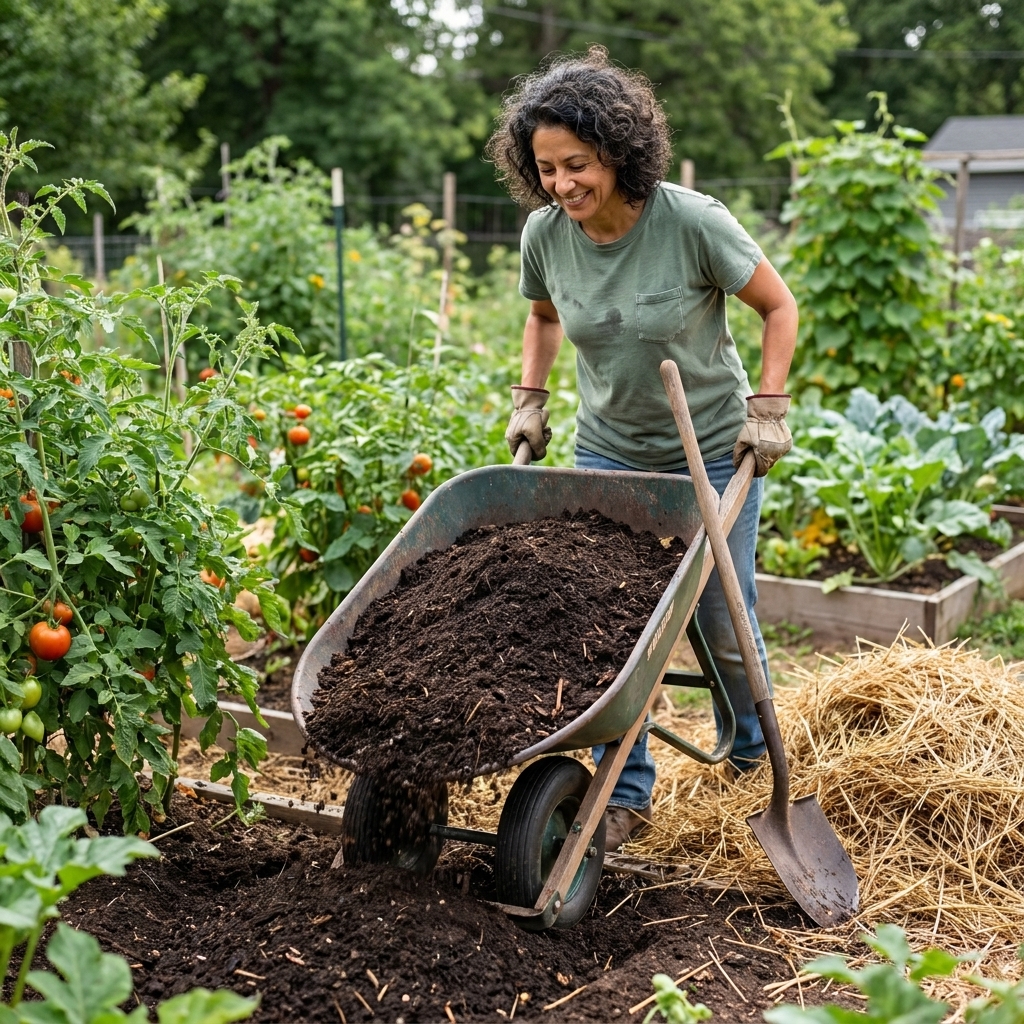
- Compost: Often the main expense. Even “free” compost costs time to haul and spread.
- Tools: A digging fork, shovel, rake, and hoe go a long way.
- Mulch: Helps with weeds and moisture, especially during the first year.
Typical reality: In-ground is usually cheaper to start, but it may require more patience to improve soil over a season or two.
Soil and drainage
If you tell me one thing about your garden, tell me this: how does your soil behave after a soaking rain?
If your soil is heavy clay
Raised beds can be a huge relief. Clay holds nutrients but drains slowly and compacts easily. A raised bed lets you start with a lighter, compost-rich mix while you gradually improve the clay underneath over time. If you go in-ground, focus on adding compost and avoiding working soil when it is wet (that is how you make clay clump like pottery).
If your soil is sandy
In-ground can work beautifully because sandy soils are easy to dig and warm quickly, but they dry out fast and nutrients leach. Raised beds can make drying even worse unless you amend heavily with compost and mulch. Either way, think organic matter, mulch, and drip irrigation.
If your yard stays wet or has poor drainage
Raised beds are often the safer choice for vegetables because soggy roots lead to rot and disease. Place beds where they get sun, and consider creating paths that slope slightly away from the beds. If you garden in-ground, choose the highest spot available and use wide beds with defined paths so you never compact the growing area.
If contamination is a concern
Older homes, roadside areas, or spots near peeling exterior paint can have lead or other contaminants. In those cases, raised beds with imported soil are a smart way to grow food more confidently. A liner or barrier can help separate the bed from questionable soil below, but it does not eliminate risk from dust, splash-back from nearby soil, or tracking soil into the bed. Mulch exposed ground around beds, keep paths covered, wash produce well, and take shoes off at the door if you are gardening in a suspect area. When in doubt, get a soil test through your local extension office or a reputable lab.
Maintenance: water, weeds, and your back
Watering
Raised beds warm earlier and shed water more readily, which usually means more frequent watering during hot weather. Drip irrigation or soaker hoses are worth their weight in tomatoes. A simple timer makes it even easier to stay consistent. In-ground beds often hold moisture longer, especially once you build good soil structure with compost and keep it mulched.
Weeds
Raised beds tend to start cleaner, especially if you smother the lawn underneath with cardboard before filling. In-ground beds can have more weed pressure early on, but mulch and regular shallow hoeing can turn the tide quickly. (A confession: I once let a patch go “just for a week,” and it turned into what I now call the Great Zucchini Invasion of 2019, plus a supporting cast of weeds. The garden will always humble you.)
Comfort and accessibility
If kneeling is hard on your body, raised beds are a gift. Taller beds can be built at 24 to 36 inches high for easier access, though they require more soil. In-ground gardens can still be comfortable if you use wide beds, solid paths, and a kneeling pad, but raised beds generally win for ergonomics.
Pests and diseases
Neither method is pest-proof, but the challenges can look different.
Raised bed considerations
- Fewer soil-borne weeds at first if you start with clean soil.
- Easy to add barriers, like mesh under the bed for gophers or hardware cloth for burrowing pests.
- Slugs can still show up, especially in damp climates, and they love the cozy edges.
In-ground considerations
- Beneficial soil life can be richer in established ground, which supports plant health.
- Crop rotation is easier if you have space, which helps reduce disease buildup in plant families like tomatoes and squash.
- Burrowing pests can be tougher to exclude without barriers.
In both systems, your best “pest control” is healthy soil, consistent watering, strong seedlings, and regular garden walks where you catch issues early.
What grows best where
Most vegetables grow well in either, but a few crops have clear preferences depending on your setup.
Great choices for raised beds
- Leafy greens (lettuce, spinach, arugula): quick, tidy, easy to succession plant.
- Carrots and beets: especially if your native soil is rocky or compacted.
- Onions and garlic: appreciate good drainage.
- Peppers and eggplant: love warm soil.
- Herbs: basil, parsley, dill, cilantro, thyme, and more.
Great choices for in-ground beds
- Winter squash and pumpkins: they sprawl and need room.
- Sweet corn: best in larger blocks for pollination.
- Potatoes: possible in raised beds, but in-ground gives you space to hill.
- Perennial edibles (asparagus, rhubarb, artichokes in the right climates): they like staying put.
If you want the best of both worlds, I often suggest raised beds for high-value, high-attention crops (salad greens, carrots, peppers) and in-ground space for big roamers (squash, corn, melons).
Space and layout
Small or paved spaces
Raised beds can go where in-ground cannot, like over compacted subsoil, rocky areas, or spots where you removed turf and hit rubble. Just make sure there is at least 6 to 8 hours of sun for fruiting crops like tomatoes.
Sloped yards
In-ground beds on slopes can erode, while raised beds can be leveled with some work. Terracing with multiple beds can be beautiful and productive, but it adds complexity and cost. On gentle slopes, in-ground beds laid across the slope (not up and down) plus heavy mulching can work well.
Expanding over time
In-ground wins for easy expansion. Raised beds are modular, but each new bed comes with new soil costs. If you dream of a larger garden later, you might start with one raised bed for immediate success and add in-ground beds as you build soil confidence.
Materials and safety notes
Wood choices
Cedar and redwood are naturally rot-resistant (and naturally more expensive). Pine is affordable, but it tends to break down sooner, especially in wet climates.
Pressure-treated lumber
Modern pressure-treated wood is different from the older CCA-treated lumber many gardeners still worry about, and it is commonly used for raised beds. If you prefer extra peace of mind, choose cedar, use a composite or metal bed, or line the inside of the frame. If you do line a bed, avoid creating trapped pockets where water cannot drain.
How to choose
- Choose raised beds if: your soil is heavy clay or stays wet, you suspect contamination, you want a tidy layout, you have limited space, or you want less bending and quicker early success.
- Choose in-ground if: your soil is already decent, you want the lowest-cost setup, you want a large garden, or you are excited to improve soil over time with compost and mulch.
- Choose a hybrid if: you want salad greens and root crops close to the house in a raised bed, but need in-ground room for squash, corn, potatoes, or big crop rotations.
Getting started
If you are building a raised bed
- Keep it reachable: 3 to 4 feet wide is ideal so you can reach the center without stepping in.
- Site it in sun: aim for 6 to 8 hours of direct light for most vegetables.
- Smother grass first: lay plain cardboard on the ground before filling (remove tape and glossy ink).
- Use a good mix: a blend of topsoil and compost is a solid baseline. Avoid filling entirely with potting mix, which can shrink and dry out outdoors. Also skip the temptation to use 100% compost; it is too rich and can settle oddly. If you buy bagged products, watch for “garden soil” that is mostly wood fines.
- Mulch: even in raised beds, mulch saves water and reduces weeds.
- Plan irrigation early: raised beds do well with a simple drip grid or a few parallel lines, and a timer helps you stay consistent.
If you are starting in-ground
- Start small: one or two beds you can keep up with beats a large plot you resent.
- Add compost: a 1 to 3 inch layer worked in (or left on top for no-till) makes a big difference.
- Define paths: never step where you plant. Compaction is the quiet yield thief.
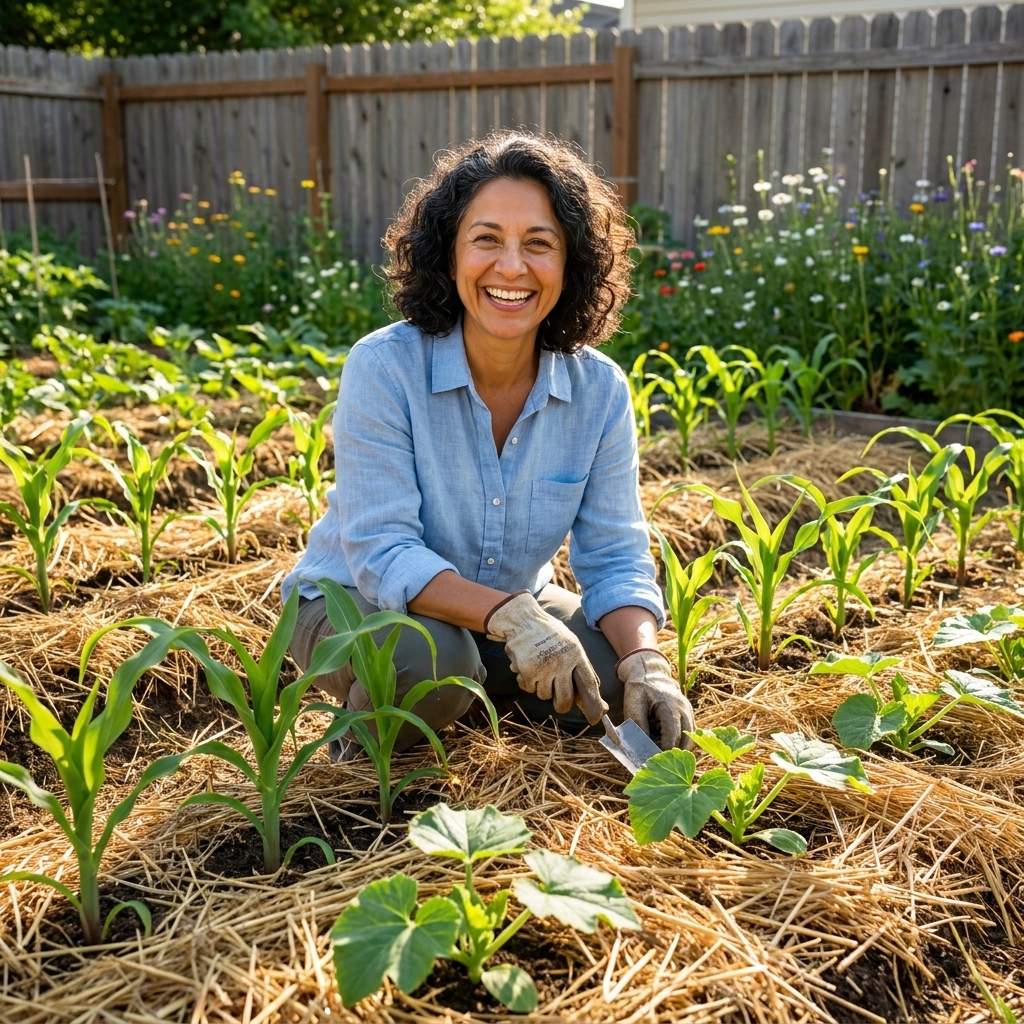
- Mulch generously: straw, shredded leaves, or untreated grass clippings (thin layers) help enormously.
FAQ
Do raised beds always produce more?
Not automatically. Raised beds can produce more per square foot when the soil is fluffy, fertile, and planted intensively. But an in-ground garden with healthy soil, good spacing, and consistent watering can be just as productive.
How deep should a raised bed be for vegetables?
For many vegetables, 10 to 12 inches of quality soil in the bed works well, assuming the soil underneath is not rock-hard. If the ground below is compacted, loosen it before filling. Root crops and larger plants are happier with 12 to 18 inches.
Is it okay to put raised beds directly on grass?
Yes, as long as you block light so the grass dies. Cardboard under the bed is my favorite simple method. It breaks down over time and earthworms will treat it like a welcome mat.
What about no-dig or no-till in-ground beds?
They are wonderful, especially if you want to build soil health gently. You can create an in-ground bed by mowing low, covering with cardboard, and layering compost and mulch on top. It is often a slower start than a fully filled raised bed, though results vary based on your soil and how much compost you add up front.
Can I mix methods in one yard?
Absolutely. Many of us do. Raised beds near the house for daily-harvest crops, and in-ground beds for big, sprawling, or rotation-heavy crops is a very happy arrangement.
My neighborly bottom line
If your soil is challenging, your space is tight, or you want a clean, accessible setup, raised beds can feel significantly easier, especially in the first year. If you have decent soil and want to grow a lot of food for less money, in-ground gardening is hard to beat, and it gets better every season you feed it compost and keep it covered with mulch.
Whichever route you choose, start with one bed, one season, and one simple goal: grow something you will be excited to eat. The rest, including the occasional zucchini takeover, is just part of the adventure.