From watering problems to nutrient issues, pests, and disease, here are common reasons veggie leaves turn yellow, plus practical steps to correct the issue.
Gardening insights
Banish Aphids and Cabbage Worms Naturally
Stop aphids, cabbage worms, and other veggie garden pests without harsh chemicals. Learn organic methods, DIY sprays, hand-picking tricks, and prevention strategies that work.

Elena Rosales
Elena Rosales is a certified Master Gardener and lifelong plant enthusiast who believes anyone can cultivate a green thumb. After transforming her tiny urban balcony into a thriving plant oasis, she moved to a half-acre homestead to grow her own food and flowers. Today, she shares practical, hands-on gardening advice to help the Hortello community bring more green into their lives.
Published September 21, 2026
Updated September 21, 2026
If you have ever walked out to your garden feeling proud and then noticed a cluster of pear-shaped aphids on your kale or a cabbage worm doing its slow-motion munch across a broccoli leaf, I am right there with you. Pests are not a sign you are failing. They are just information. Something tasty is growing, and now you get to respond.
The good news is you can protect vegetables and herbs with organic methods that are safe for you, pollinators, and the soil. The trick is using the right tool for the right pest, at the right time. Let’s build you a simple, effective plan.
Start here: Identify what is actually eating your plants
Before you spray anything, take 2 minutes to play garden detective. Many organic controls are very targeted, which is a fancy way of saying they work great when used correctly and do almost nothing when used on the wrong culprit.
Quick pest ID by damage
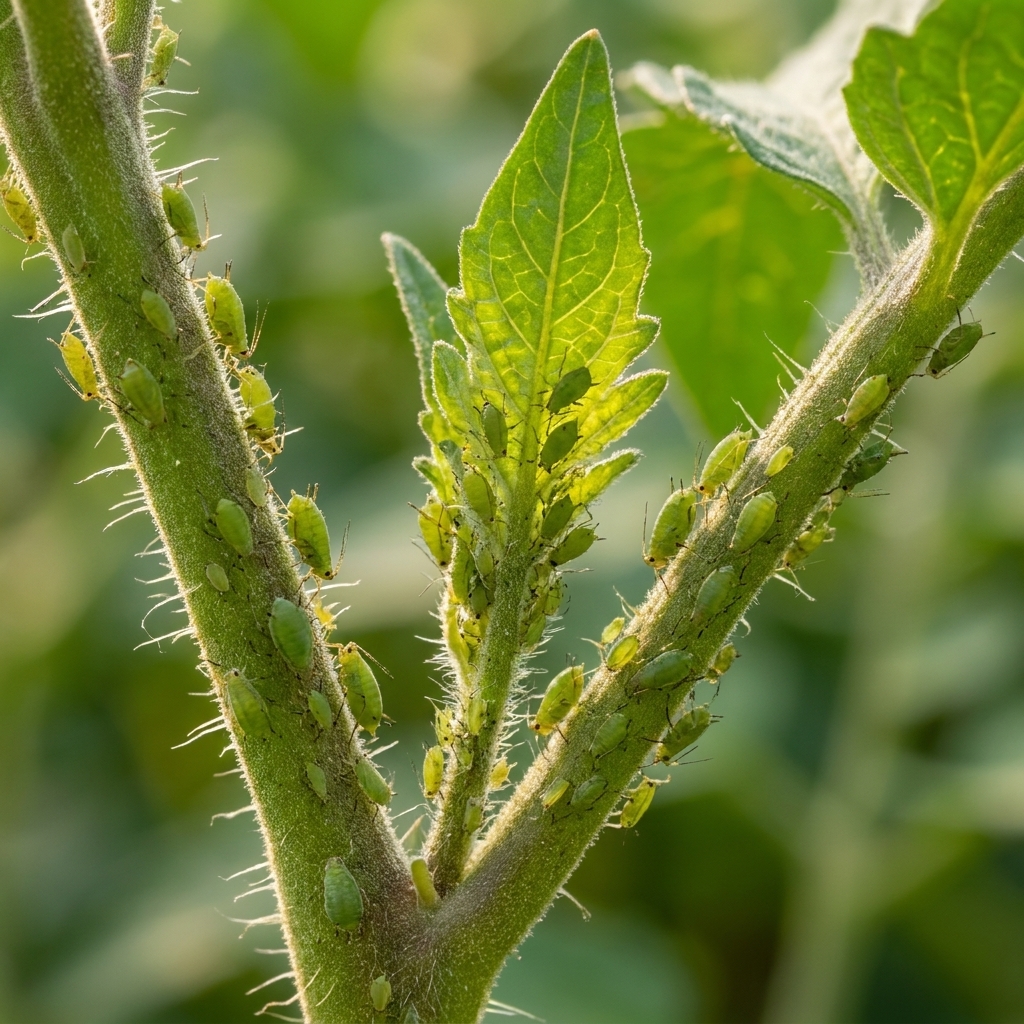
- Aphids: clusters of tiny green, black, or gray insects on tender growth, curled leaves, sticky shine (honeydew), and sometimes ants farming them.
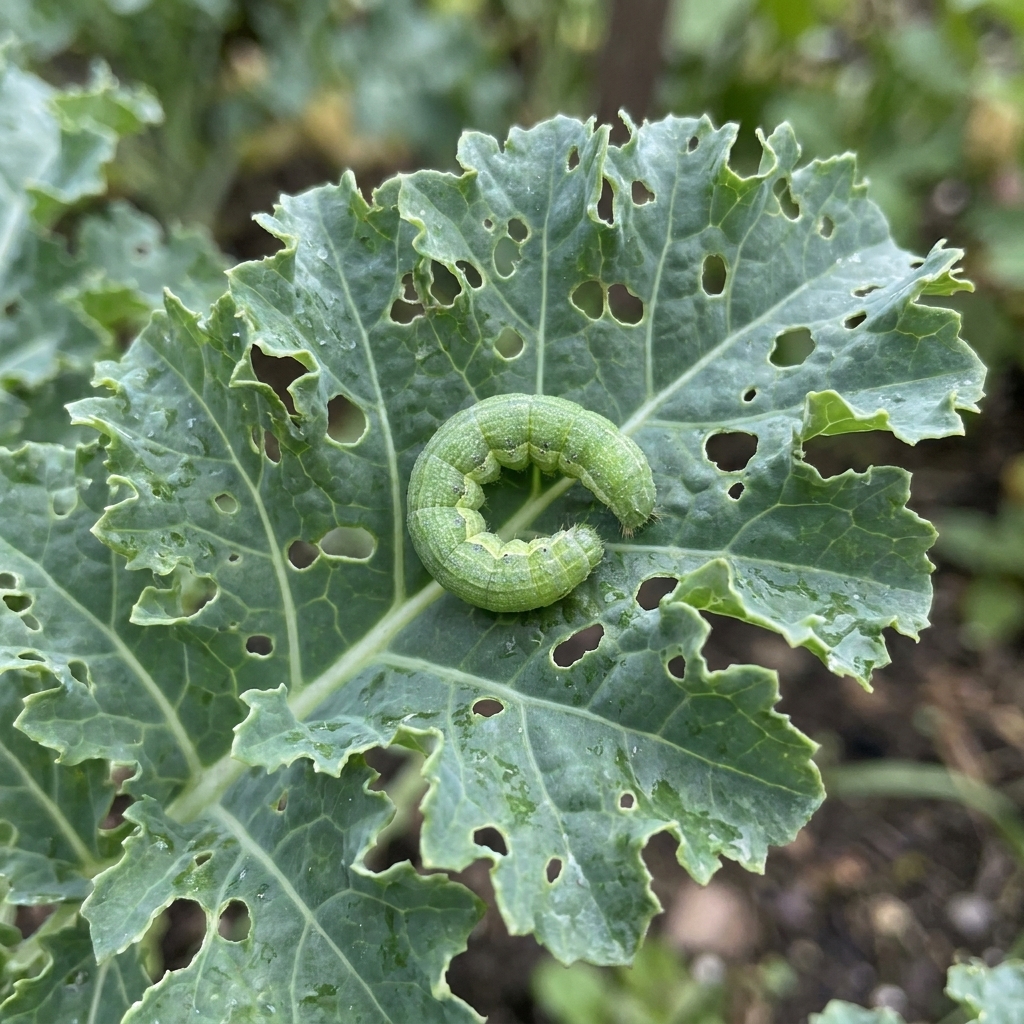
- Brassica caterpillars (cabbage worms and friends): ragged holes in brassica leaves (kale, cabbage, broccoli, cauliflower), frass (little dark green pellets), and green caterpillars that blend in like pros. You might be dealing with imported cabbageworms, cabbage loopers, or diamondback moth larvae. The good news is the same core tactics work for all of them.
- Flea beetles: tiny shot-hole damage, especially on arugula, radishes , eggplant, and young seedlings. You may see tiny jumping beetles.
- Spider mites: fine webbing, stippled leaves that look dusty or speckled, plants declining during hot, dry weather.
- Whiteflies: small white insects that flutter up when you bump a plant, sticky leaves, yellowing.
- Slugs and snails: irregular holes, slime trails, and damage that often appears overnight.
My rule: if you can see the pest, start with the least dramatic fix first. A strong spray of water or hand-picking can solve problems faster than mixing a potion.
The organic pest control ladder (use the gentlest step that works)
I like to think of pest control as a ladder. You climb only as high as you need to. This protects beneficial insects and keeps you from turning your garden into a chemical arms race.
Step 1: Physical removal
- Blast aphids off with water: Use a firm spray from a hose on the undersides of leaves. Many will not climb back up, but some will return or reappear from nearby plants, so repeat every 2 to 3 days for a week.
- Hand-pick brassica caterpillars: Check brassicas daily during peak season. Drop caterpillars into a cup of soapy water.
- Prune heavily infested tips: If a few stems are covered in aphids, snip and trash them. Do not compost if the infestation is intense.
Step 2: Barriers and traps
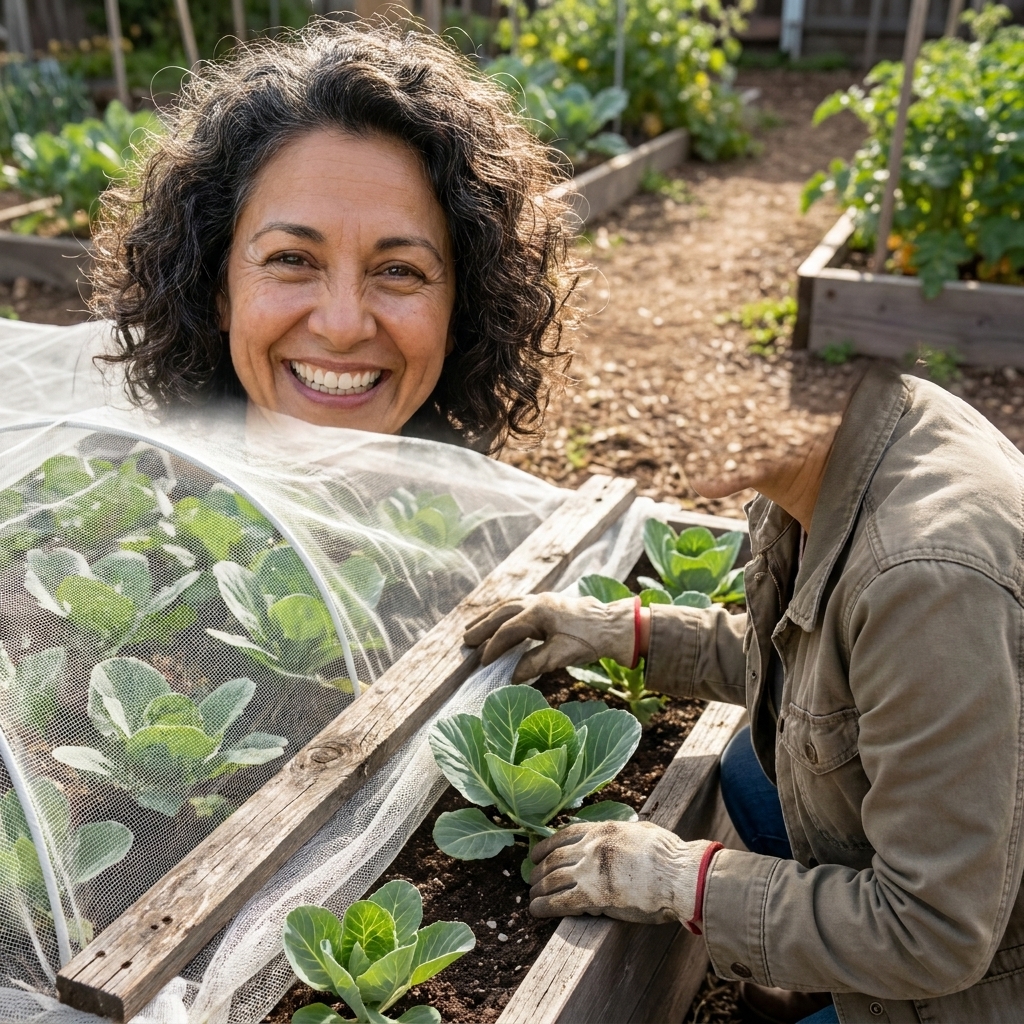
- Row cover for brassicas: Lightweight insect netting stops cabbage white butterflies and moths from laying eggs. Install at planting time and seal edges with soil, boards, or landscape staples.
- Collars for cutworms: A strip of cardboard around seedlings can save young starts.
- Yellow sticky cards: Useful for monitoring whiteflies, but place thoughtfully so you do not catch too many beneficials. I use them mostly in greenhouses or problem corners.
Step 3: Soft sprays (use with intention)
Sprays can be very helpful, but they are not harmless. Even organic sprays can injure beneficial insects if used carelessly. Always follow the product label, spray at dusk or early morning when pollinators are less active, and aim at the pest, not the whole garden.
- Insecticidal soap: Best for soft-bodied pests like aphids and whitefly nymphs. It works on contact and needs thorough coverage, especially on leaf undersides.
- Horticultural oil: Useful for mites and some scale-type pests. It can stress plants if sprayed in heat, full sun, or drought conditions, so timing matters.
- BT (Bacillus thuringiensis var. kurstaki): A targeted option for caterpillars on brassicas. It must be eaten to work.
Protect your helpers: Avoid spraying open flowers, spot-treat when you can, and skip spraying stressed plants (drought-stressed leaves burn more easily and pests rebound faster).
Step 4: Encourage natural predators
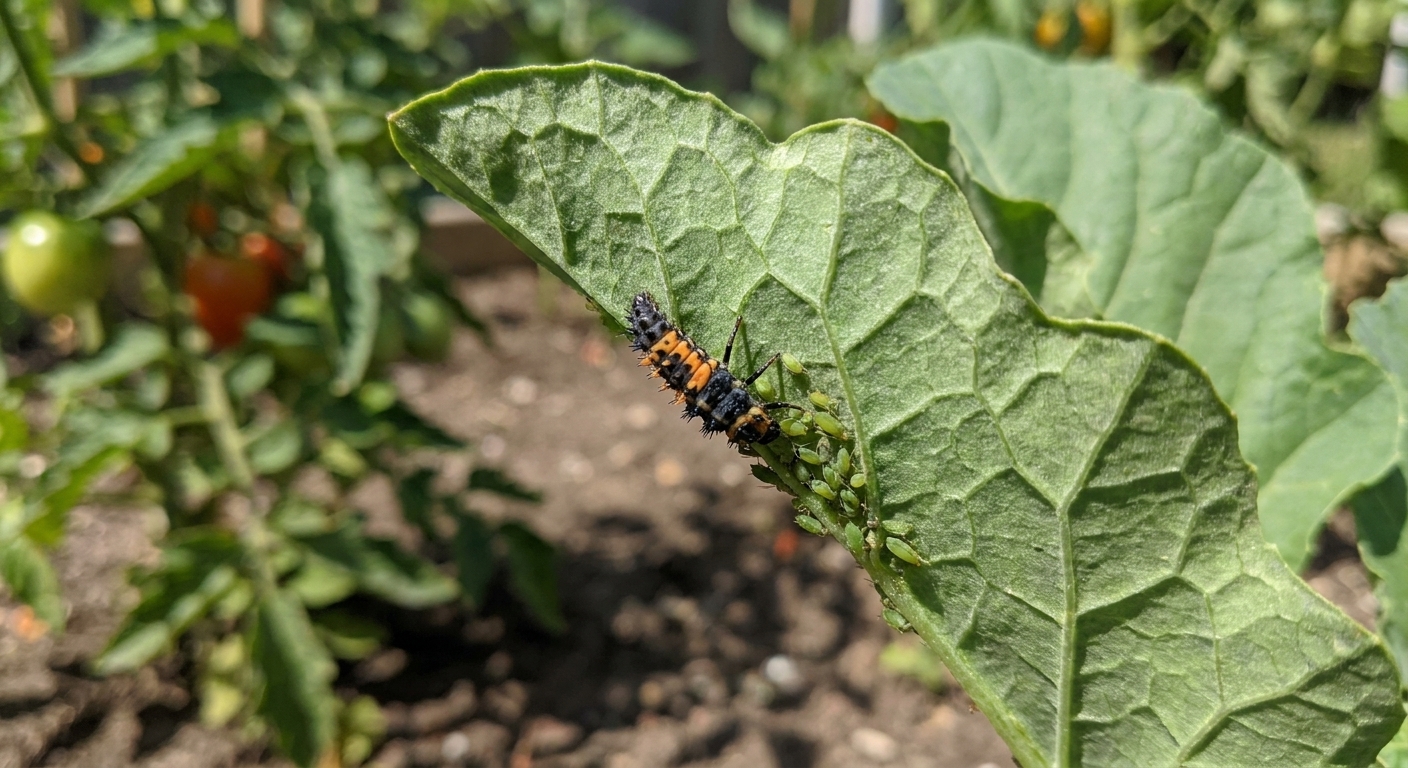
Lady beetles, lacewings, parasitic wasps, hoverflies, and even tiny pirate bugs do a lot of pest control for free. Your job is to feed and shelter them, then avoid blasting them with broad sprays.
Aphids: Clear them fast without wrecking your ecosystem
Aphids love soft, nitrogen-rich growth. They show up on kale, peppers, tomatoes , roses, herbs, you name it. And they multiply like they have a group chat.
What works best (in order)
- Water spray + repeat: Knocks them off and disrupts feeding. It is very effective when you stay on it.
- Squish-and-wipe: On thick stems like kale or nasturtium, I’ll gently pinch clusters with gloved fingers.
- Insecticidal soap (store-bought is easiest): Soaps work on contact by disrupting insect cell membranes, which leads to dehydration. It must hit the insect to work, so coverage is everything.
- Neem oil (use cautiously): Helps disrupt feeding and growth, but can burn leaves in heat. Direct sprays can affect beneficial insects too, so use it as a targeted tool, not a weekly habit.
DIY soap spray recipe (mild and careful)
If you want a DIY approach, keep it mild. DIY mixes vary by soap brand, and even “gentle” soaps can cause leaf burn on some plants.
- Mix: 1 quart of water + 1 teaspoon liquid castile soap (unscented is best).
- Use: Spray directly on aphid clusters, including leaf undersides.
- Test first: Try it on a few leaves and wait 24 hours before spraying the whole plant.
- Rinse: After 1 to 2 hours, lightly rinse the plant with plain water if you can, especially in warm weather.
- Repeat: Every 3 to 5 days as needed.
A note on dish soap: Many dish detergents are degreasers with additives that can damage plant tissue. If you use soap, gentler is better.
Deal with ants if they are farming aphids
If you see ants running up stems, they are often protecting aphids for honeydew. Wrap the base of the plant or stake with a sticky barrier (placed carefully so it does not snag leaves or trap helpful insects). Check and refresh it as dust builds up. When ants stop guarding, predators move in and aphids drop faster.
Brassica caterpillars: Stop the chewing on kale and cabbage
Those white butterflies you see fluttering around your kale and cabbage are often laying eggs that become hungry little leaf-eaters. Sometimes it is imported cabbageworms, sometimes loopers, sometimes diamondback moth larvae. Cute adult insect, not-so-cute baby. The key is to interrupt the egg-to-caterpillar pipeline.
Best defenses
- Row cover from day one: This is my number one. If the butterflies and moths cannot reach the leaves, they cannot lay eggs.
- Hand-pick + frequent checks: Look along leaf midribs and undersides for tiny yellow eggs and small green caterpillars.
- BT (Bacillus thuringiensis var. kurstaki): A targeted organic control for caterpillars. It must be eaten, so apply to leaf surfaces where they feed.
How to use BT correctly
- Spray at dusk: UV light breaks BT down quickly.
- Coat both sides of leaves: Especially the undersides.
- Reapply after rain: And reapply per label directions, often every 5 to 7 days during heavy pressure.
- Be patient: Caterpillars stop feeding soon after ingesting BT, but they may not disappear instantly.
Good to know: BT affects caterpillars that eat it. That includes butterfly larvae, so keep it off plants where you are intentionally hosting caterpillars like milkweed for monarchs.
Other common veggie garden pests
Flea beetles
- Best move: Row cover on seedlings until plants are established.
- Trap crop: Radishes can often lure flea beetles away from slower crops like eggplant, but results vary by region and pressure.
- Kaolin clay: A particle film that makes leaves less appealing. Apply according to label and reapply after rain.
Spider mites
- Increase humidity: They love hot, dusty conditions. Rinse plants with water, especially leaf undersides.
- Prune worst leaves: Remove heavily infested foliage.
- Horticultural oil or insecticidal soap: Apply in cool parts of the day and repeat, since eggs hatch in cycles.
Whiteflies
- Vacuum trick: In the early morning, use a small handheld vacuum to remove adults.
- Yellow sticky cards: For monitoring and reducing numbers.
- Soap spray: Aim at leaf undersides where nymphs live.
Slugs and snails
- Night patrol: Go out after dark with a flashlight and remove them.
- Copper barriers: Copper tape around raised beds or pots can help deter slugs where it stays clean and continuous.
- Iron phosphate bait: Organic option that is safer around pets than many alternatives, but still follow label directions.
- Reduce hiding spots: Pull weeds, lift boards, and water in the morning so the soil surface dries by night.
DIY sprays and mixes: What works and what to skip
I love a good homemade garden remedy, but I also love leaves that are not scorched. Here is my practical, safer shortlist.
Safer DIY options
- Mild soap spray: Best for soft-bodied pests like aphids and young whiteflies. Contact only. Test first and keep concentrations gentle.
- Garlic or hot pepper tea: Can deter some pests, but results are inconsistent. If you try it, test on a few leaves first and strain well to avoid clogging sprayers.
Things I generally avoid
- Strong dish detergent mixes: Too harsh for many plants.
- Vinegar sprays: Vinegar has a non-selective, burn-down effect on plant tissue. It can scorch weeds and your vegetables right along with them.
- Broad, frequent neem use: Neem is useful, but overuse can stress plants, and direct sprays can impact beneficial insects.
My simple spray rule: If you are spraying “just in case,” pause. The best organic gardens rely more on timing, barriers, and biology than constant spraying.
Make your garden less inviting to pests
Healthy plants tolerate pest pressure better, and diverse gardens attract more helpers. Here are the prevention habits that make the biggest difference on my homestead.
Grow strong plants
- Go easy on nitrogen: Over-fertilized plants produce extra-tender growth that aphids adore.
- Water consistently: Drought stress invites mites and slows plant recovery.
- Mulch: Moderates soil temperature and moisture, and reduces plant stress.
Companion planting (with a realistic mindset)
Companion planting is not magic force fields, but it does help when it increases diversity and supports beneficial insects.
- For beneficials: Sweet alyssum, dill, cilantro (let some bolt), calendula, borage.
- As trap plants: Nasturtiums can draw aphids away from other plants.
Rotate crop families
If caterpillars hammer your brassicas every year, rotate brassicas to a different bed and clean up old crop debris. You are reducing the welcome-back sign for pests that overwinter nearby.

When to worry: Keep your sanity with thresholds
One of the biggest mindset shifts in organic gardening is accepting that a perfect, untouched leaf is not the goal. Food is the goal. Flavor is the goal. A garden that feels alive is the goal.
- Leafy greens: I tolerate minor damage, but I act quickly because you are eating the leaves.
- Tomatoes and peppers: A few aphids rarely matter. Focus on plant vigor and predator activity.
- Brassicas: I take caterpillars seriously early. Small plants can be stripped fast.
If a plant is repeatedly overwhelmed, it is okay to pull it and replant. I had to do this during the Great Zucchini Invasion of 2019, which was less “integrated pest management” and more “why are there 47 zucchini on one plant.” We learn, we laugh, we compost, we try again.
When to escalate
- Remove and reset: If a plant is covered (and I mean covered) in aphids, mites, or whiteflies, sometimes the most organic move is to remove it, reduce the pest population, and protect the rest of the bed.
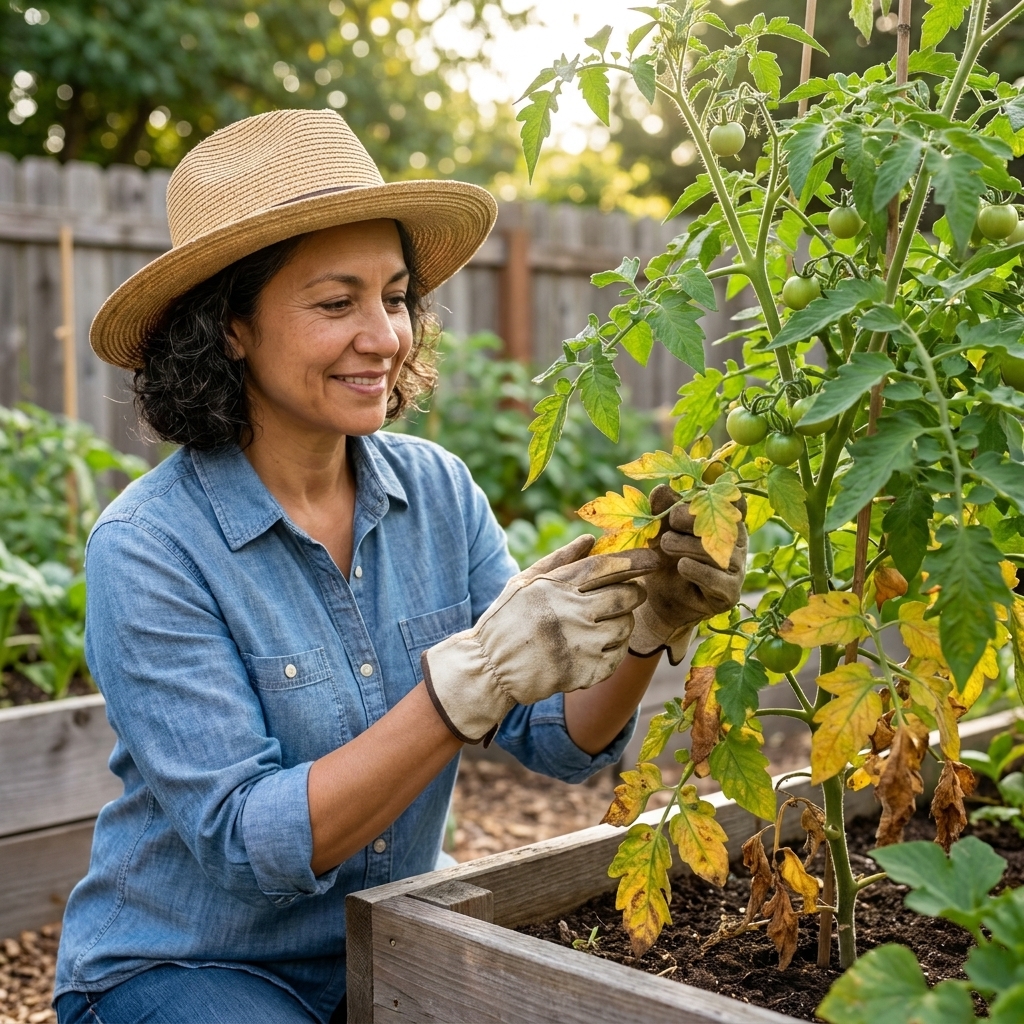
- Check for lookalikes: Yellowing, spotting, or stunting is not always insects. It can be nutrient issues, heat stress, overwatering, or disease . If sprays are not helping, pause and reassess.
- Ask for local help: Your county extension office or a local garden center can help ID pests and diseases specific to your region.
Safety notes
Organic does not mean non-toxic. Always follow label directions, store products away from kids and pets, avoid spraying on windy days, and keep sprays and runoff out of waterways. When in doubt, use the gentlest option and the smallest effective amount.
FAQ
Will soapy water hurt my vegetable plants?
It can if it is too strong or applied in hot sun. Keep mixes mild, spray in the cool of the day, and test on a small area first. Rinsing after a short contact time helps reduce leaf burn.
Is it safe to eat veggies after using insecticidal soap, neem, or BT?
Generally yes when used according to label directions. Wash produce well. For any product, follow the harvest interval on the label if one is listed.
Why do aphids keep coming back?
Because they reproduce quickly, and because ants may be protecting them. Repeated water sprays, addressing ants, and improving plant vigor usually turns the tide. If you see lots of lady beetle larvae or lacewing larvae, you may be only a week away from the predator boom that cleans things up.
What is the most effective organic control for brassica caterpillars?
Row cover prevents them. If caterpillars are already present, hand-picking plus BT used correctly (and per label) is the most reliable organic combo I have found.
Your simple 10-minute pest routine
If you want a realistic habit that keeps pests manageable, here is what I do a few times a week:
- Flip a few leaves on each plant and look for clusters, eggs, and frass.
- Blast or hand-pick what you see.
- Check row cover edges for gaps.
- Notice who is helping you: lady beetles, tiny wasps, hoverflies.
- Only spray if the pest is actively increasing and physical methods are not keeping up.
Organic pest control is not about winning a war. It is about keeping the balance tipped in your favor, while letting your garden stay a vibrant little ecosystem. And honestly, that is part of the magic.