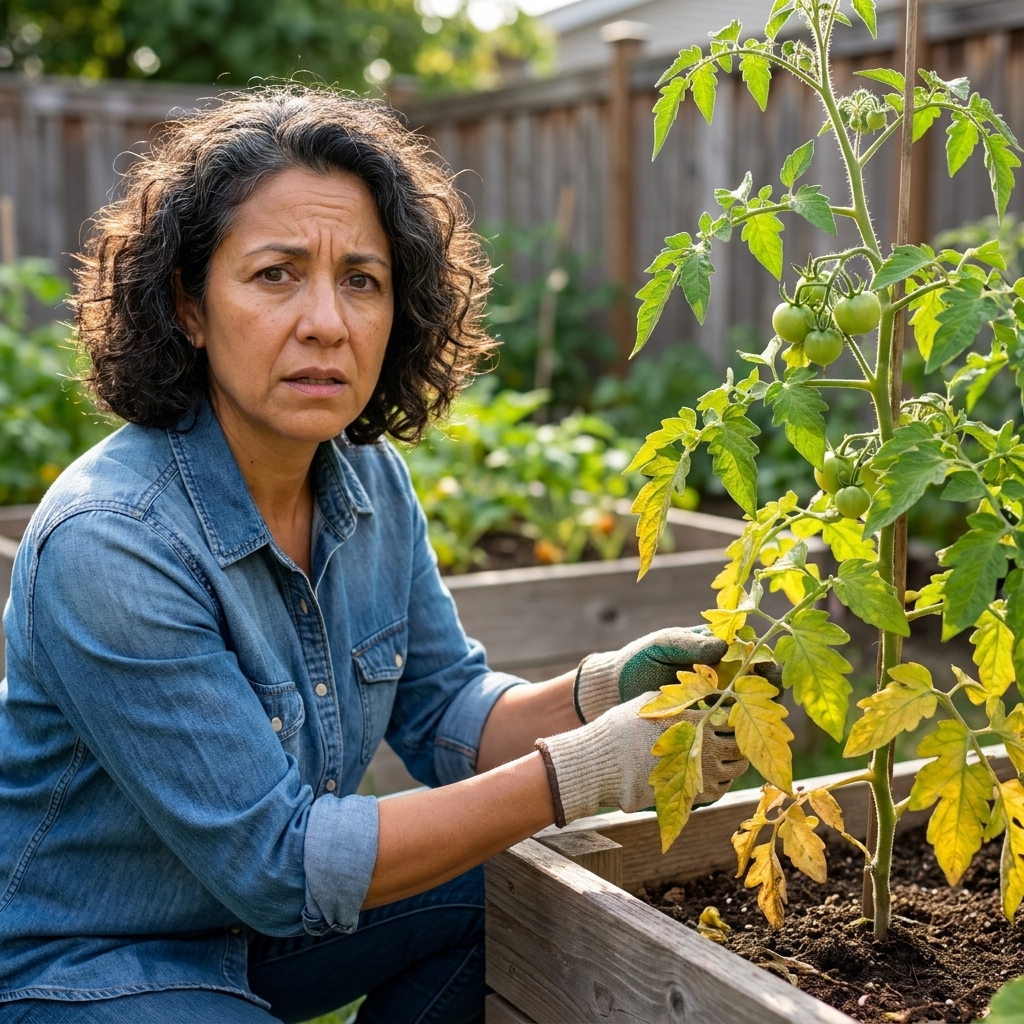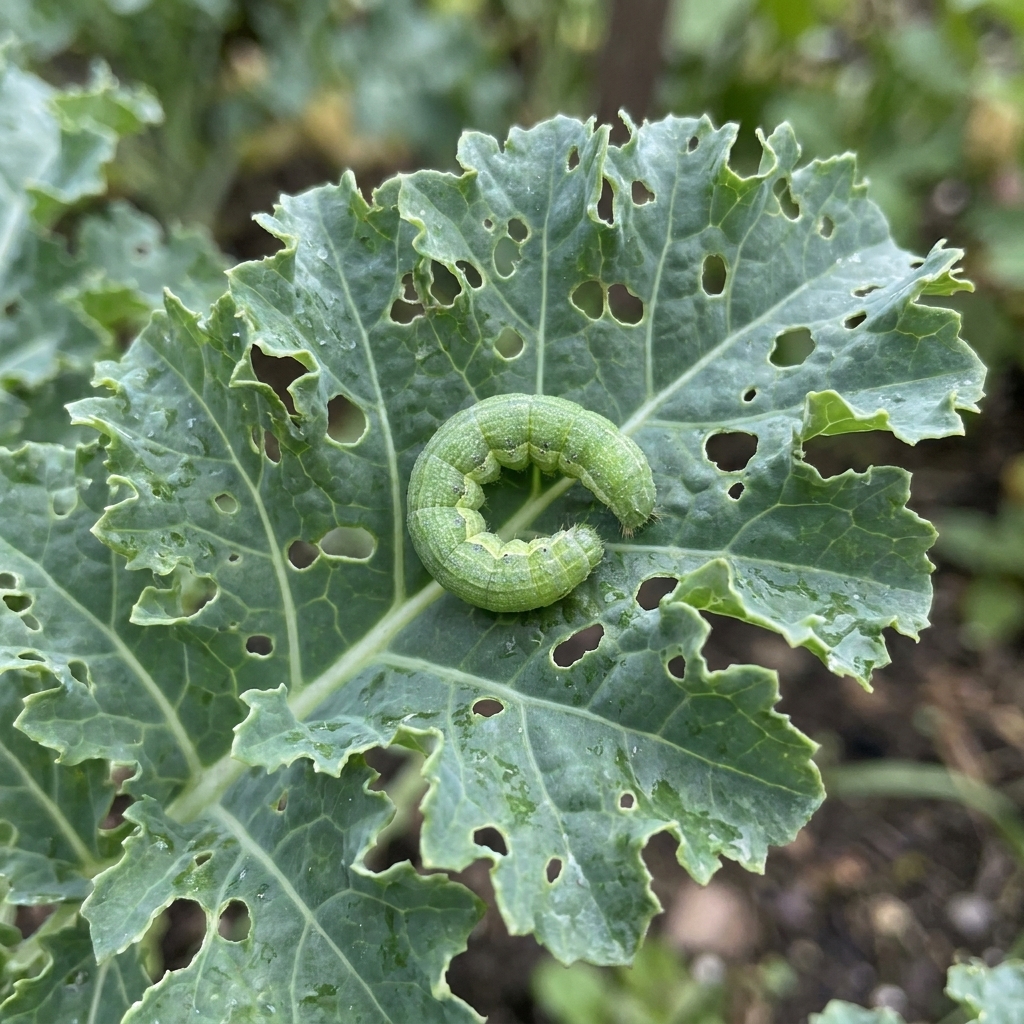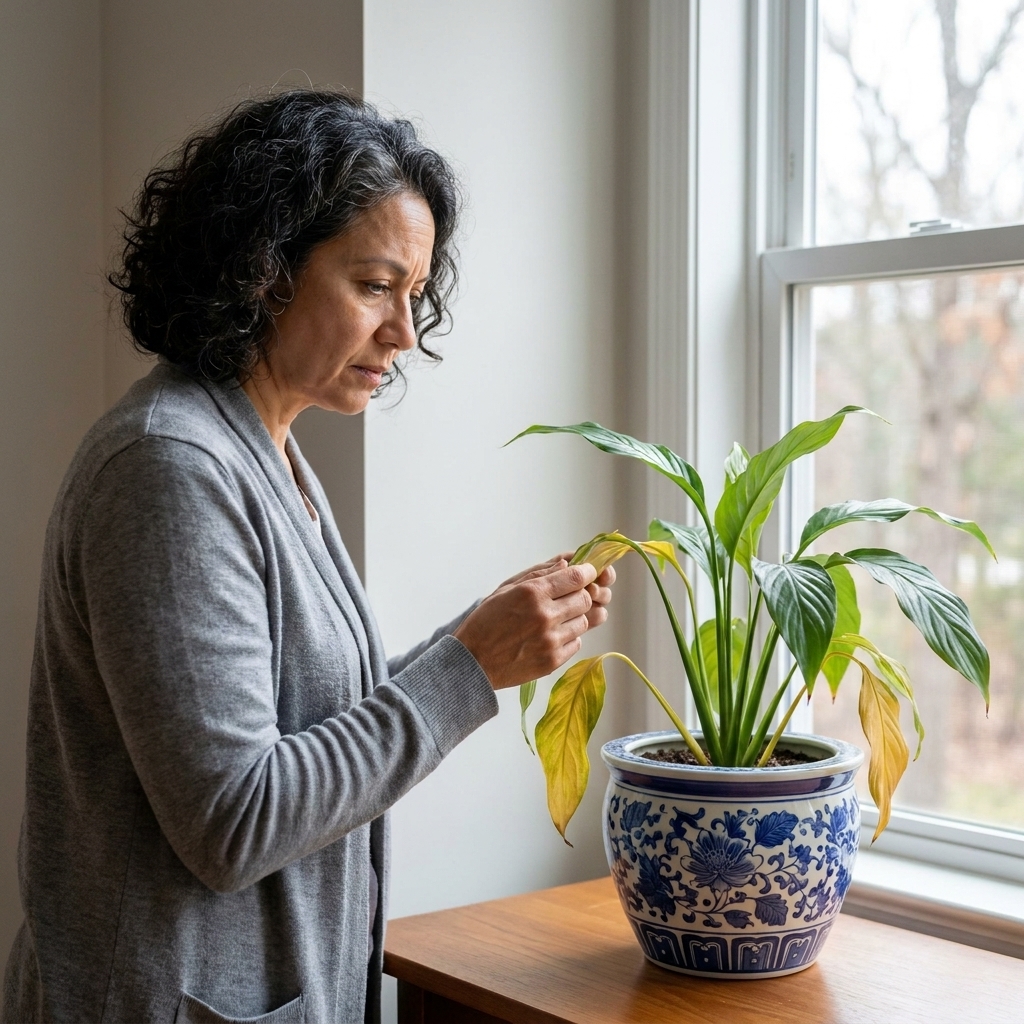
From watering problems to nutrient issues, pests, and disease, here are common reasons veggie leaves turn yellow, plus practical steps to correct the issue.
Gardening insights
Powdery Mildew on Vegetables
Learn how to spot powdery mildew early, treat it with organic options that work, and prevent it with simple garden habits that keep vegetables productive.

Elena Rosales
Elena Rosales is a certified Master Gardener and lifelong plant enthusiast who believes anyone can cultivate a green thumb. After transforming her tiny urban balcony into a thriving plant oasis, she moved to a half-acre homestead to grow her own food and flowers. Today, she shares practical, hands-on gardening advice to help the Hortello community bring more green into their lives.
Published September 21, 2026
Updated September 21, 2026
Powdery mildew is one of those garden problems that can feel rude in its timing. Your squash is finally taking off, the cucumbers are climbing, then suddenly there is a dusty white film on the leaves like someone sprinkled flour over your hard work.
The good news is that powdery mildew is usually manageable. You do not have to give up on the season, and you do not need a chemistry degree to fight back. With a little detective work and a few steady habits, you can keep your vegetables producing and your plants far less stressed.
What it is (and why it shows up)
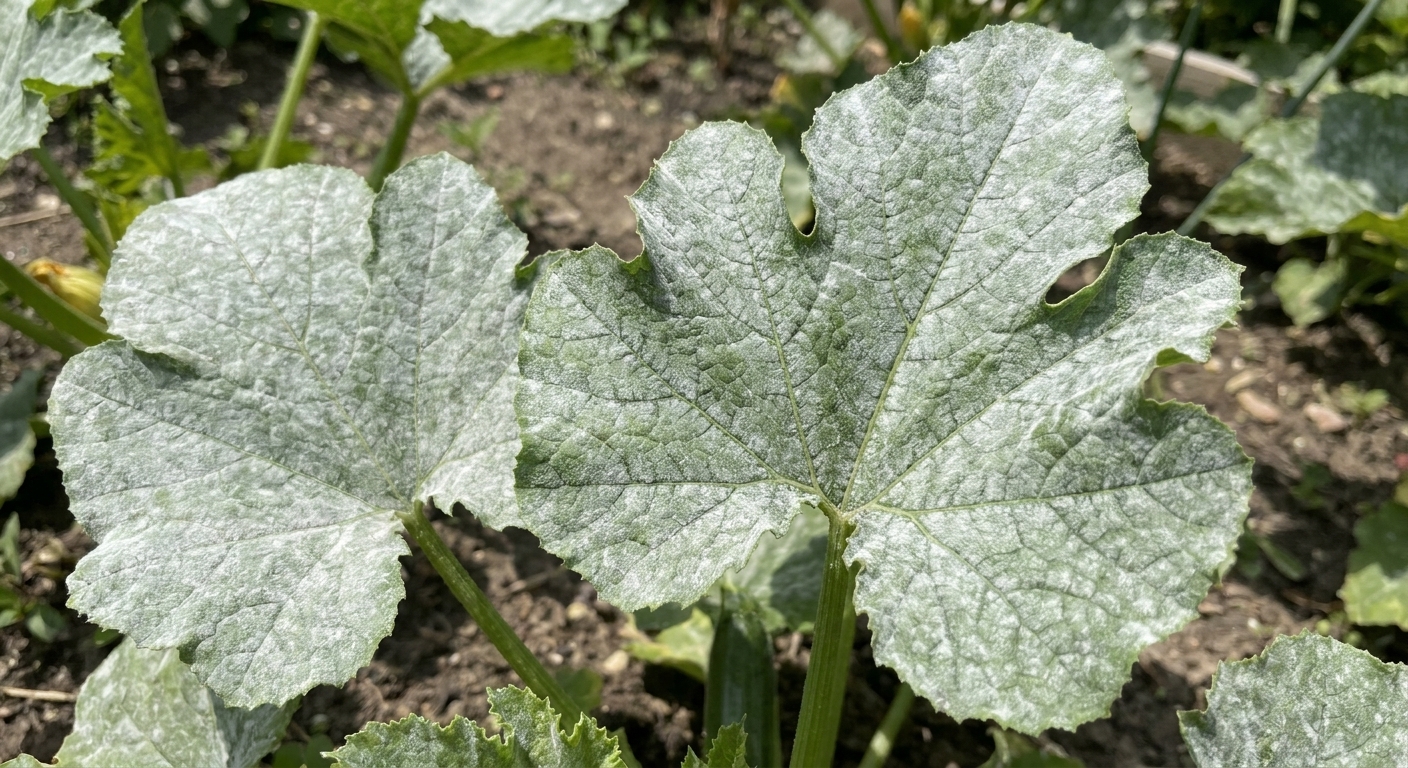
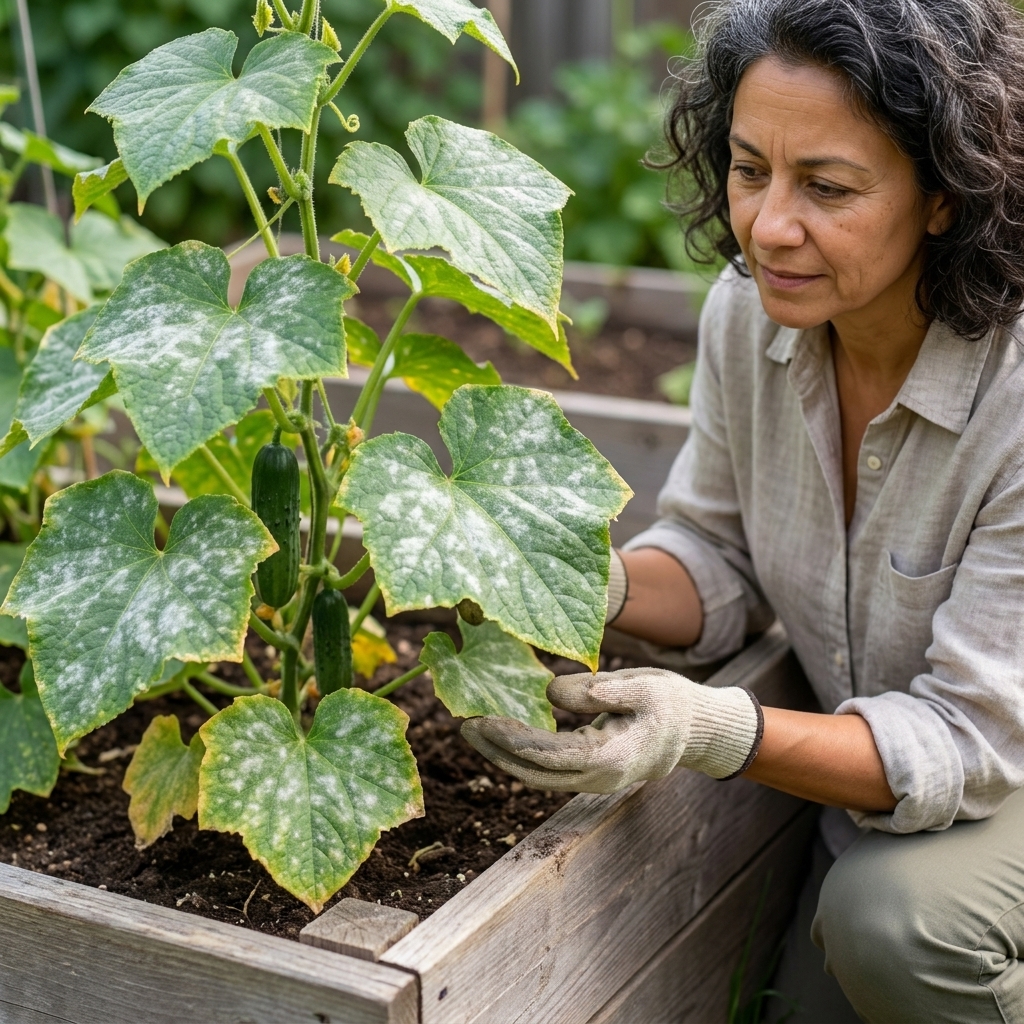
Powdery mildew is a group of fungal diseases that appear as white or gray powdery patches on leaves, stems, and sometimes flowers and fruit. Unlike many other fungal diseases, powdery mildew does not need free water sitting on the leaf to infect. It tends to thrive when days are warm, nights are cool, and air circulation is poor.
In real gardens, powdery mildew tends to flare up when:
- Plants are crowded and leaves overlap, creating a humid pocket.
- Airflow is limited by fences, walls, tall crops, or tight rows.
- Plants are stressed by drought, inconsistent watering, nutrient imbalance, or root restriction in containers.
- Late-season growth is tender and more susceptible, especially on squash and cucumbers.
One important note: powdery mildew spores are common in many regions and can blow in on the wind. Seeing it does not mean you failed. It means you garden outdoors with living things.
How to identify it
Classic symptoms
Powdery mildew often starts as small, pale spots, frequently on older leaves. Those spots can expand into a white, dusty coating that you can sometimes rub off with a fingertip. Depending on the crop and the specific mildew species, you may see it on the upper surface, the underside, or both.
- White powdery patches on leaves and sometimes stems.
- Yellowing leaves as the infection progresses.
- Leaf curling, browning, and crisping in severe cases.
- Reduced vigor and smaller harvests, especially in cucurbits.
Look-alikes
Before you spray anything, take a breath and make sure you are treating the right problem.
- Dust or pollen: wipes off cleanly and does not return in spreading, fuzzy patches.
- Hard water residue: leaves a ring or spot pattern where droplets dried, not a living powdery growth.
- Downy mildew: causes yellow angular patches and a darker, fuzzy growth on the undersides of leaves. It tends to spread fast in wet weather.
- Spider mite damage: looks like stippling or bronzing, with fine webbing. No powdery coating.
Most affected vegetables
Powdery mildew can show up on many crops, but it is especially common on:
- Squash and pumpkins (summer and winter types)
- Cucumbers
- Melons
- Peas
- Beans
- Tomatoes (less common, but possible, especially in crowded or greenhouse settings)
- Leafy greens like kale in some climates
If you grow cucurbits, powdery mildew is more of a “when” than an “if.” Your goal is early action and slowing the spread so the plant can keep photosynthesizing and filling out fruit.
What to do today
When you catch powdery mildew early, you can often keep it from taking over. Here is my calm, do-this-now checklist.
1) Remove the worst leaves
Snip off heavily infected leaves, especially those that are yellowing or more white than green. Use clean pruners. If you have only a few spots on an otherwise healthy leaf, keep it and treat it instead.
- Cut leaves at the stem, do not tear.
- Place infected leaves directly into a bag or bucket.
- Do not compost infected material unless you have a reliably hot compost system. Most home piles do not stay hot enough, long enough, to consistently kill disease organisms.
2) Improve airflow
Thin crowded vines, redirect runners, and consider removing a few extra leaves that are shading the center of the plant. It can feel scary to prune a squash, but letting air move through the canopy makes a huge difference.
3) Water the roots
Powdery mildew does not require leaf wetness to infect, but consistently wet foliage encourages other diseases and keeps plants stressed. Water in the morning at soil level so leaves dry quickly and roots stay steady.
Organic treatments that work
Let’s set expectations: sprays are not a magic eraser. They help slow or stop new growth of the fungus. They do not restore damaged leaf tissue. Think “contain and protect,” not “make it disappear overnight.”
Option 1: Potassium bicarbonate
If I had to pick one home-garden friendly product for active powdery mildew, this is it. Potassium bicarbonate changes the leaf surface pH and can damage the fungal structure on contact.
- Best for: active infections you caught early to mid-stage
- How to use: follow the label exactly, cover both the tops and undersides of leaves
- Timing: reapply every 7 to 10 days, or after heavy rain, per label
Look for ready-to-use or concentrate products labeled for powdery mildew on vegetables.
Option 2: Sulfur
Sulfur is a classic organic fungicide. It works best as a protectant and mild suppressor when used early.
- Best for: prevention, early infections, recurring seasonal pressure
- Avoid when: temperatures are hot (check label, often above 85°F), or if you recently used oils
Do not combine sulfur with horticultural oils, neem, or soap sprays unless the label explicitly allows it, since plants can burn.
Option 3: Neem or horticultural oil
Oils can smother spores and reduce spread, but they require thorough coverage and careful timing.
- Best for: light infections, prevention, and when you can spray in mild weather
- How to use: spray in early morning or evening to avoid leaf burn and reduce impact on pollinators
- Watch-outs: do not spray open flowers, avoid heat-stressed plants, and do not spray in full sun
Option 4: Biofungicides
Products containing beneficial microbes (often Bacillus subtilis or Bacillus amyloliquefaciens) help by outcompeting pathogens and supporting a healthier leaf microbiome.
- Best for: prevention and very early infections
- Tip: start before you see heavy pressure and apply regularly
What about baking soda sprays?
Baking soda is a popular DIY remedy, but it is easy to overdo and can damage leaves or build up sodium in the soil if used frequently. If you want a bicarbonate approach, I recommend potassium bicarbonate instead. It is more effective and more plant-friendly when used correctly.
Quick safety note
Even organic products deserve respect. Wear gloves and eye protection, mix and apply at label rates, and follow the label for re-entry and harvest timing.

How to spray better
I have absolutely been guilty of the “quick spritz and hope” method. Powdery mildew does not respect that energy.
- Spray both sides of leaves. Powdery mildew is often most visible on top, but coverage underneath matters.
- Spray to a light, even wetness. Not dripping. Drips waste product and can stress plants.
- Choose calm weather. Wind steals your spray and leaves you with patchy coverage.
- Repeat on schedule. Most products need reapplication. If you skip a week during ideal mildew weather, it often surges back.
- Spray at the right time. Early morning or evening is usually safest, especially for oils. Avoid spraying in heat or full sun, even with non-oil products, because stressed leaves are easier to burn.
If bees are visiting blossoms, avoid spraying flowers and aim for times when pollinators are not active.
One small habit that saves headaches: rinse your sprayer well after use, especially after sulfur or oils. Residue can cause clogs, funky mixing issues, or unintended plant burn next time.
Prevention that matters most
Sprays are tools. Culture is the foundation. These practices reduce how often you have to spray and how severe outbreaks become.
Space and support
- Trellis cucumbers (and smaller squash varieties) when you can. Vertical growth improves airflow and makes coverage easier.
- Prune for airflow by removing a few older leaves and excess interior growth.
- Respect spacing on seed packets more than you think you need to. Future-you will thank you.
Water consistently
Stressed plants are more susceptible. Deep, regular watering at the soil line helps plants keep growing even if powdery mildew shows up.
Feed the soil
Healthy soil supports steady growth and resilience. I lean on compost, gentle organic fertilizers, and mulch to keep moisture even.
- Mulch to reduce stress and soil splash.
- Avoid heavy nitrogen late in the season, which can create tender growth that mildews easily.
Choose resistant varieties
If powdery mildew is a yearly visitor in your garden, resistant varieties are a gift. Look for seed descriptions that mention “PM resistant” for cucumbers, squash, and melons. Resistance does not mean immunity, but it can buy you weeks of healthier leaves.
If you like specific starting points, gardeners often have good luck with PM-resistant cucumbers like ‘Marketmore 76’ and ‘Diva’. For squash, many modern hybrids list PM resistance right on the tag. Use what thrives in your area and treat resistance like a head start, not a force field.
End-of-season cleanup
At season’s end, remove and discard infected vines and leaves. How powdery mildew overwinters varies by species, climate, and nearby hosts, but cleanup still helps reduce pressure next year.
Is it safe to eat?
In most cases, yes. Powdery mildew primarily affects leaves. Fruit like zucchini, cucumbers, and tomatoes are generally fine to eat if they are otherwise healthy.
- Wash produce well.
- If a fruit has scarring, soft spots, or rot, compost or discard it.
- If you sprayed any product, follow the label for harvest timing and washing guidance.
When to pull the plant
Sometimes the most practical choice is to let a plant go, especially late in the season. Consider removing the plant if:
- More than half the leaves are heavily infected and turning brown.
- The plant has stopped producing and looks exhausted.
- You have repeated reinfections despite spacing, airflow, and correct applications.
I know it can feel like defeat, but it is often just good garden triage. Pulling a severely infected plant can protect nearby crops and free up space for a fall planting.
Powdery mildew FAQ
Does it live in the soil?
Usually, powdery mildew is mainly spread by airborne spores and survives on living hosts, weeds, or plant debris, depending on the species and climate. It is not typically a soil-borne disease in the way that some wilts are. That said, debris management still matters.
Will rain wash it off?
Rain may temporarily reduce how much powder you can see, but it does not eliminate the infection. Weather swings can also stress plants, and that is when mildew likes to pounce.
Can I prevent it completely?
In many climates, not completely. But you can often delay it long enough to get a full harvest by spacing plants well, watering consistently, choosing resistant varieties, and treating early.
Should I remove every leaf with a spot?
No. Leaves power the plant. Remove the worst leaves, treat what remains, and focus on slowing spread. If you strip too many leaves, the plant can stall and fruit can sunscald.
My simple game plan
If you want a quick routine that keeps you out of panic mode, here is what I do on my homestead beds and containers:
- Weekly check: glance at older leaves on squash and cucumbers.
- At first sign: remove the worst leaf or two, open the canopy, water deeply.
- Treat: choose one labeled organic option (often potassium bicarbonate for active flare-ups), spray thoroughly.
- Repeat: reapply on schedule and keep airflow improved.
- End of season: clean up vines and plan resistant varieties next year.
And if it makes you feel better, I once ignored a mild case on zucchini and ended up with what my family still calls the Great Zucchini Invasion of 2019. I learned two lessons: zucchini will always find a way, and powdery mildew always punishes procrastination.