A neighborly, step-by-step guide to what to plant in late summer for a bountiful fall vegetable harvest, including fast growers, frost-tough greens, and simp...
Gardening insights
Succession Planting for Bigger Harvests
Keep the harvest coming from spring to fall with simple succession planting. Learn timing, crop rotation basics, transplants vs direct sowing, and beginner-friendly schedules.

Elena Rosales
Elena Rosales is a certified Master Gardener and lifelong plant enthusiast who believes anyone can cultivate a green thumb. After transforming her tiny urban balcony into a thriving plant oasis, she moved to a half-acre homestead to grow her own food and flowers. Today, she shares practical, hands-on gardening advice to help the Hortello community bring more green into their lives.
Published September 21, 2026
Updated September 21, 2026
If you have ever had a week where you are drowning in lettuce and then suddenly eating store-bought salad for the rest of the summer, you are not alone. I have been there, standing in the garden with a basket of greens thinking, “How did I do this again?” Succession planting is the gentle, beginner-friendly fix. It is simply the practice of planting in waves so one crop is ready as another finishes, giving you a steady harvest instead of a feast-or-famine rollercoaster.
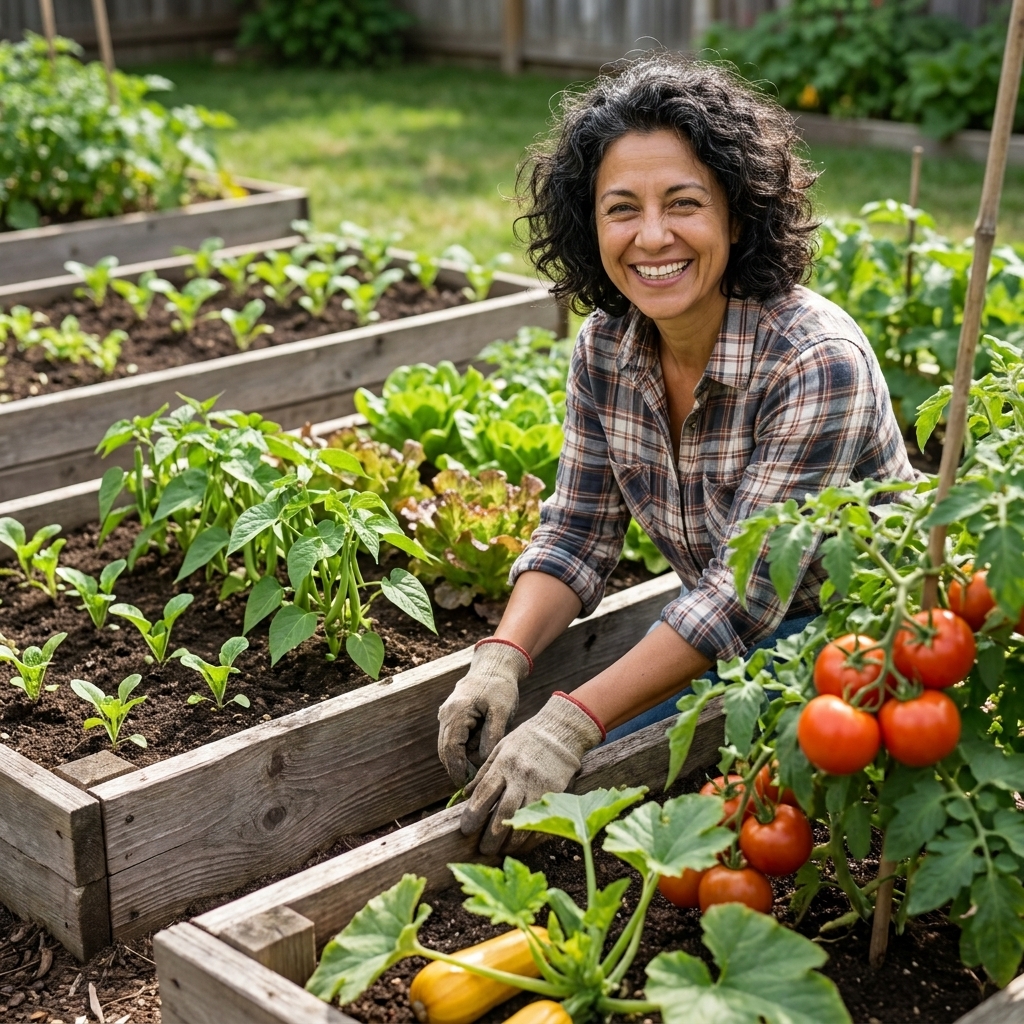
In this guide, I will walk you through a few easy strategies you can mix and match, plus sample schedules you can copy and adjust to your climate.
What succession planting means
Succession planting has three main “moves.” Most gardeners use a combination of all three over a season:
- Staggered sowing: Plant the same crop every 1 to 3 weeks so it matures in a stream.
- Follow-on planting: As soon as one crop comes out, another goes in (peas out, beans in, for example).
- Variety timing: Plant early, mid, and late varieties of the same vegetable at the same time to spread harvest.
The goal is to keep your beds (or containers) productive for as much of the season as possible, without exhausting the soil or inviting a pest party.
Why yields go up in small spaces
Succession planting boosts total harvest in a few practical ways:
- You avoid “empty bed weeks”: Space is your most limited resource. If a bed has to rest, cover it with mulch or a quick cover crop so the soil stays protected and happy.
- You harvest at peak quality: Instead of letting everything get huge and bitter at once, you pick smaller, tastier vegetables for longer.
- You dodge seasonal stress: Heat-loving crops can replace spring crops right as temperatures climb, and fall crops can start once nights cool.
- You reduce pest pressure: Rotating plant families and refreshing plantings can disrupt repeat infestations.
It is also easier on you. A little planting every couple of weeks feels much more manageable than one giant planting weekend.
Start with frost dates and maturity days
You do not need fancy software. You just need:
- Your average last spring frost date (for when to start planting outdoors).
- Your average first fall frost date (for how long your season lasts).
Then use seed packet days to maturity as a rough guide. Add a buffer because gardens are real life, and because timing varies by crop, microclimate, and whether you are transplanting or direct sowing.
- Add 7 to 10 days in spring when soil is still cool.
- In late summer, consider adding 0 to 14 days depending on the crop and conditions. Some seeds sprout fast in warm soil, but heat plus dry topsoil can slow or sabotage germination, especially for cool-season crops. If you can keep the seed bed evenly moist and a little shaded, you may not need much buffer at all.
If you are planting for fall harvest, count backward from your first frost date, then add 1 to 2 weeks of buffer because growth slows as days shorten and nights cool. Plain language version: start fall crops a bit earlier than the math suggests.
Four easy succession strategies
1) Sow salad greens in small batches
Leafy greens are the easiest place to begin because they are quick, compact, and forgiving.
- Frequency: Sow every 10 to 21 days.
- Best picks: Lettuce, arugula, spinach (spring and fall), mustard greens, bok choy (cool weather).
- Tip from my own mistakes: In warm weather, choose heat-tolerant lettuce and give afternoon shade if you can. Otherwise you will get that bitter “why did I wait so long” flavor.
2) Swap spring crops for summer crops
This is the classic follow-on planting pattern. When a crop finishes, you immediately replant that space.
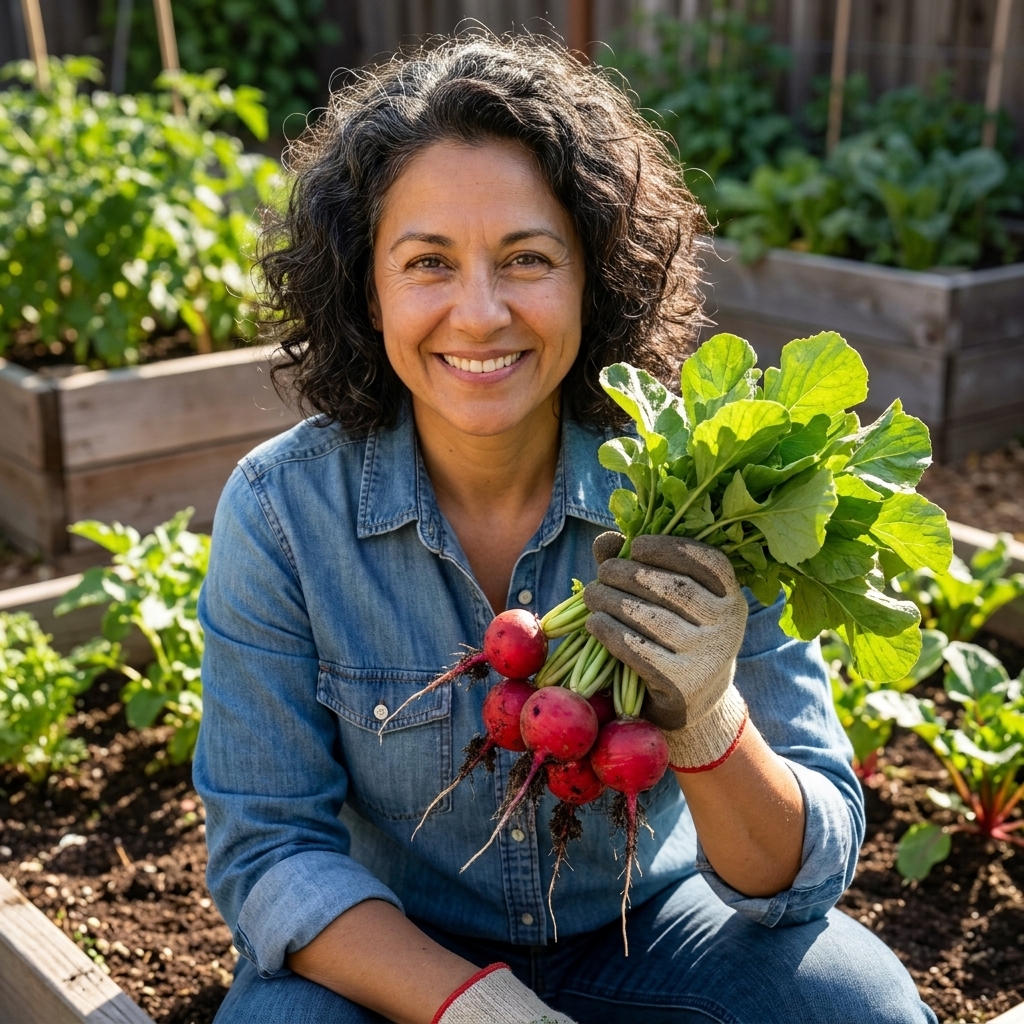
- Spring to summer: Peas → bush beans, spinach → basil, radishes → cucumbers.
- Early potatoes or garlic (once harvested): → fall carrots, fall greens, or a fast-maturing zucchini or squash (if your season allows).
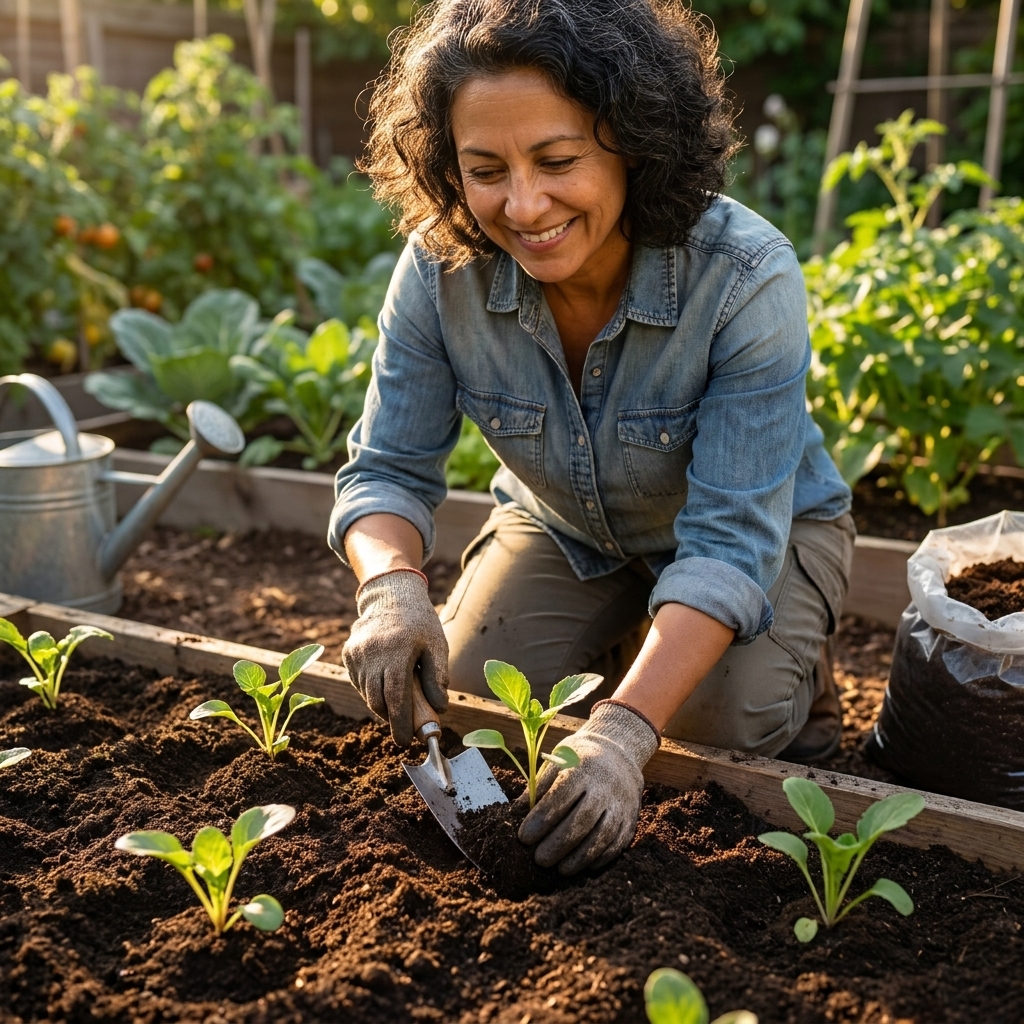
When you pull the first crop, add a thin layer of compost and replant the same day if possible. I like to keep a few seed packets and starts ready so the bed never sits empty.
3) Mix early, mid, and late varieties
Great for gardeners who prefer fewer planting dates. Choose varieties with different maturity times.
- Good candidates: Corn, cabbage, carrots, bush beans, broccoli.
- Example: Plant three bush bean varieties: 50 days, 55 days, 60 days. Harvest stretches naturally.
4) Interplant to buy time
Interplanting means tucking fast crops between slow crops.
- Examples: Radishes between young broccoli, lettuce around peppers before the pepper canopy fills in, scallions along the edges of tomato beds.
This is one of my favorite small-space tricks from my balcony days. You harvest the quick crop before the big one needs the elbow room.
Transplants vs direct sowing
This one detail can make succession planting feel either effortless or weirdly frustrating, so here is the quick version:
- Usually better as transplants: Brassicas (broccoli, cabbage, kale), many lettuces (especially in hot weather), and sometimes onions and leeks. Starting these in trays lets you slide a healthy plant into a gap the moment it opens.
- Usually better direct sown: Carrots, radishes, turnips, peas, beans, and most root crops. They grow best when planted where they will live.
If you want to keep it simple, direct sow the quick stuff and transplant the longer-season cool crops.
Simple rotation for succession
Rotation sounds intimidating, but the beginner version is straightforward: try not to grow the same plant family in the same spot back-to-back, especially in beds where disease can build.
Here are the main vegetable families to know:
- Brassicas: broccoli, cabbage, kale, radish, arugula
- Nightshades: tomatoes, peppers, eggplant, potatoes
- Cucurbits: cucumbers, zucchini, squash, melons
- Legumes: peas, beans
- Alliums: onions, garlic, leeks
- Apiaceae: carrots, celery, parsley, dill
Easy rule: If you just pulled a crop, replace it with a different family. For example, peas (legumes) out, carrots (Apiaceae) in.
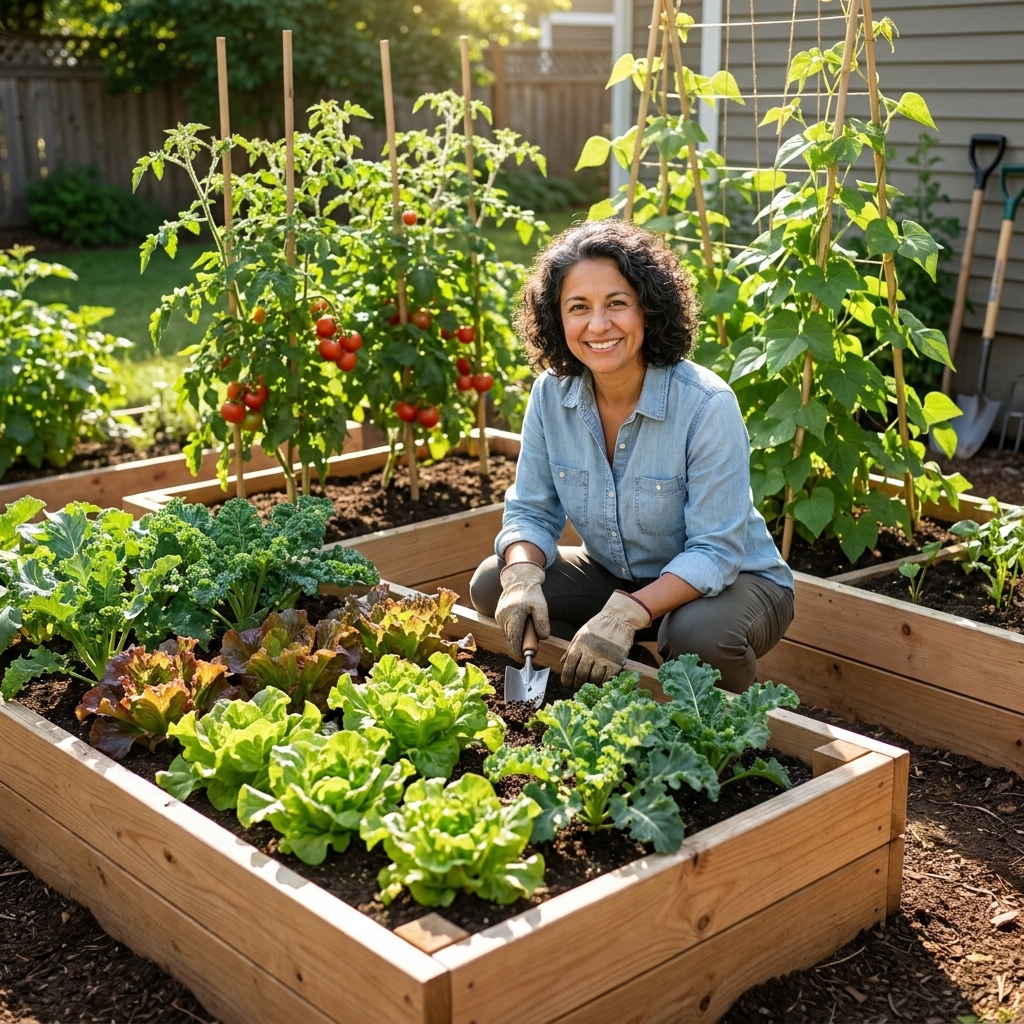
Soil health bonus: Legumes can contribute some nitrogen when they fix it well (good rhizobia, healthy plants), especially if you cut plants at the base and leave roots to decompose. It is not magic fertilizer, but it can help.
Timing tricks that help
Keep a seed-starting pipeline
If you wait until a bed is empty to start seeds for the next crop, you lose valuable time. Instead:
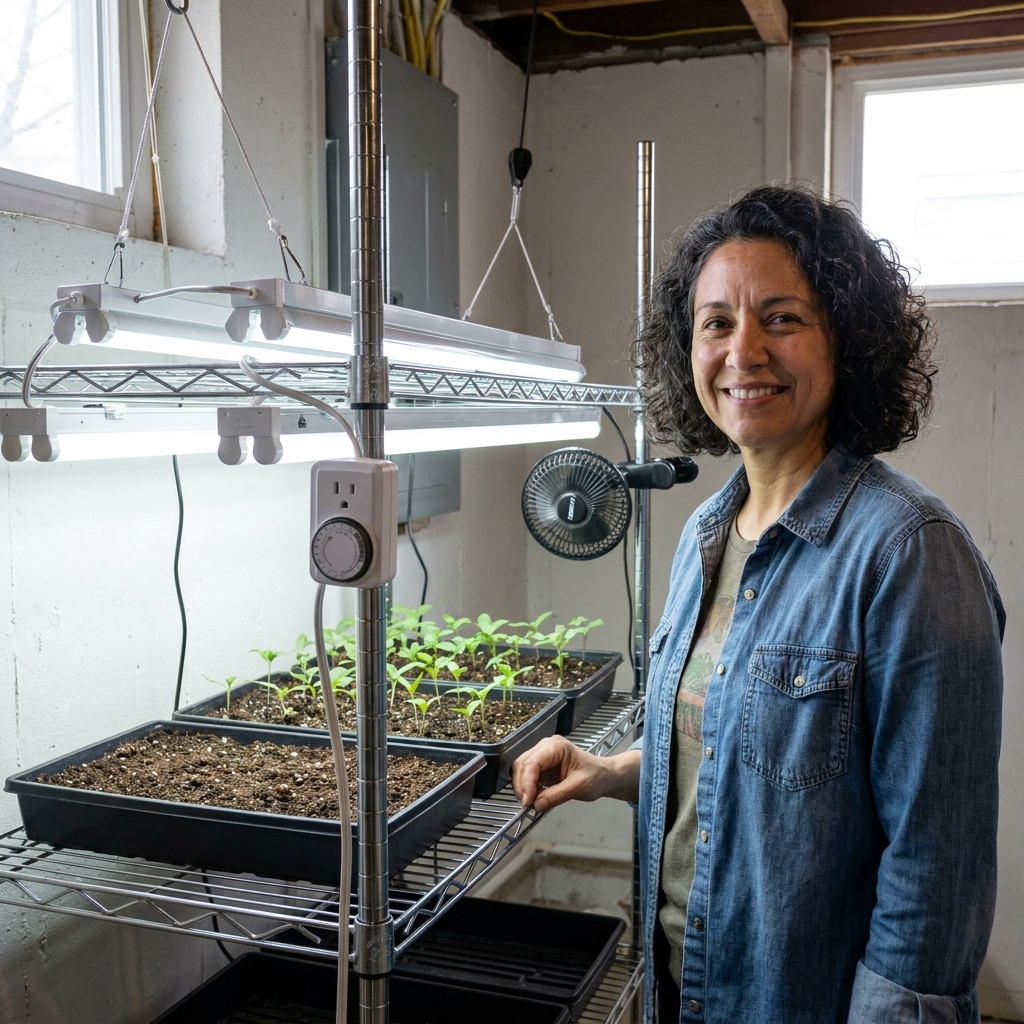
- Start the “next” seedlings in trays 2 to 4 weeks before you expect to pull the current crop.
- Or direct sow quick crops (radishes, turnips, beans, carrots) the same day you clear the bed.
Use heat and shade
- In hot climates or midsummer, start fall greens in partial shade or under shade cloth.
- In cool springs, use row cover to warm soil and protect seedlings.
Harvest early and often
Many vegetables keep producing if you pick regularly. This is “succession planting without replanting.”
- Examples: bush beans, snap peas, zucchini, cucumbers, okra.
And yes, harvesting zucchini daily is how I survived the Great Zucchini Invasion of 2019. I learned the hard way that one missed weekend can turn into a baseball bat situation.
Schedules you can copy
Use these as starting points and adjust based on your frost dates. If you are not sure, start small with one bed or even one container and build confidence.
Schedule A: Salad bed
- Early spring: Sow spinach and lettuce mix.
- Every 2 weeks: Sow a short row or small patch of lettuce and arugula.
- Late spring: When spinach bolts, replace with basil or bush beans.
- Late summer: Start fall spinach and lettuce again (shade and steady moisture help germination).
- Fall: Keep harvesting under row cover until hard freezes.
Schedule B: One bed, three seasons
- Spring: Peas + radishes (interplanted).
- Early summer: Remove peas, plant cucumbers on a trellis.
- Late summer: When cucumbers slow down, plant quick fall greens like bok choy or mustard greens.
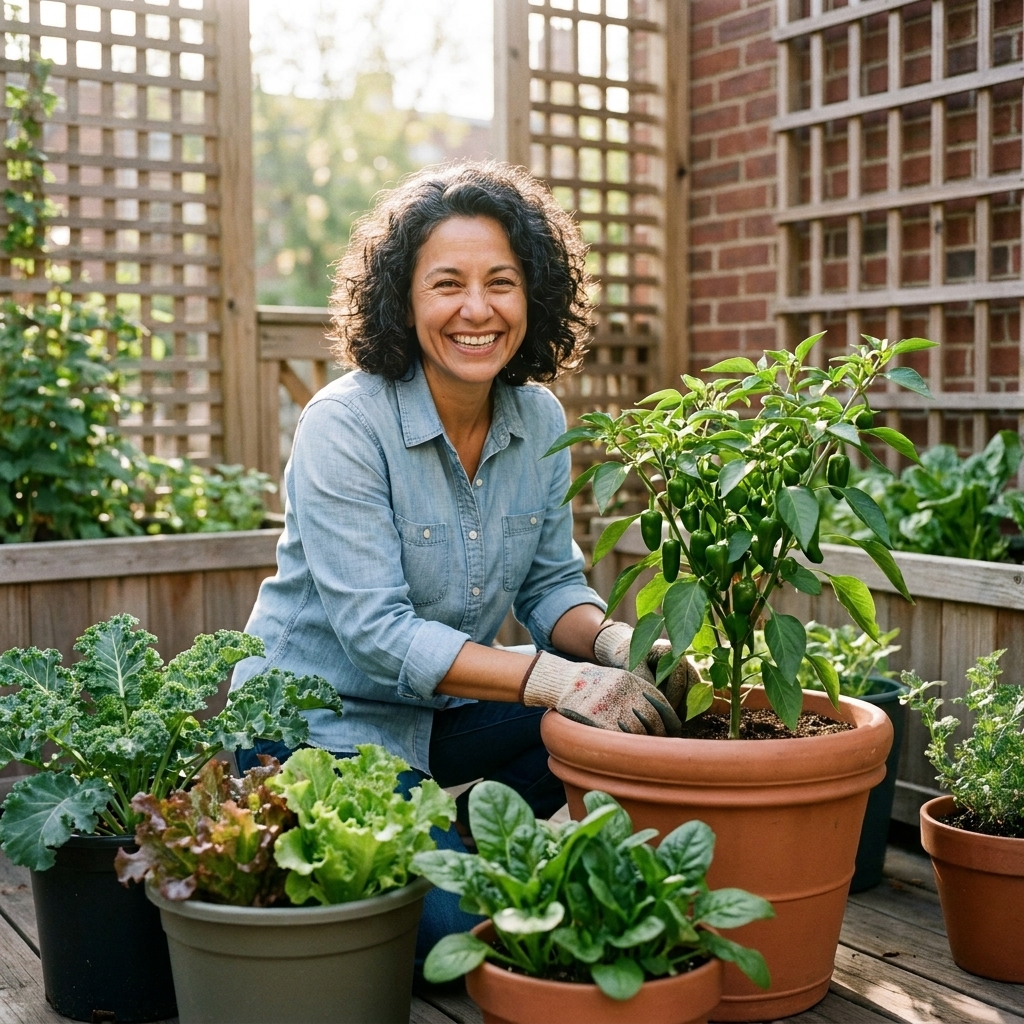
Schedule C: Container plan
- Cool season: A 5 to 10 gallon pot of spinach or leaf lettuce.
- Warm season: Switch to a single pepper plant or compact tomato with basil at the edges.
- Fall: Pull the summer plant and sow arugula or baby kale.
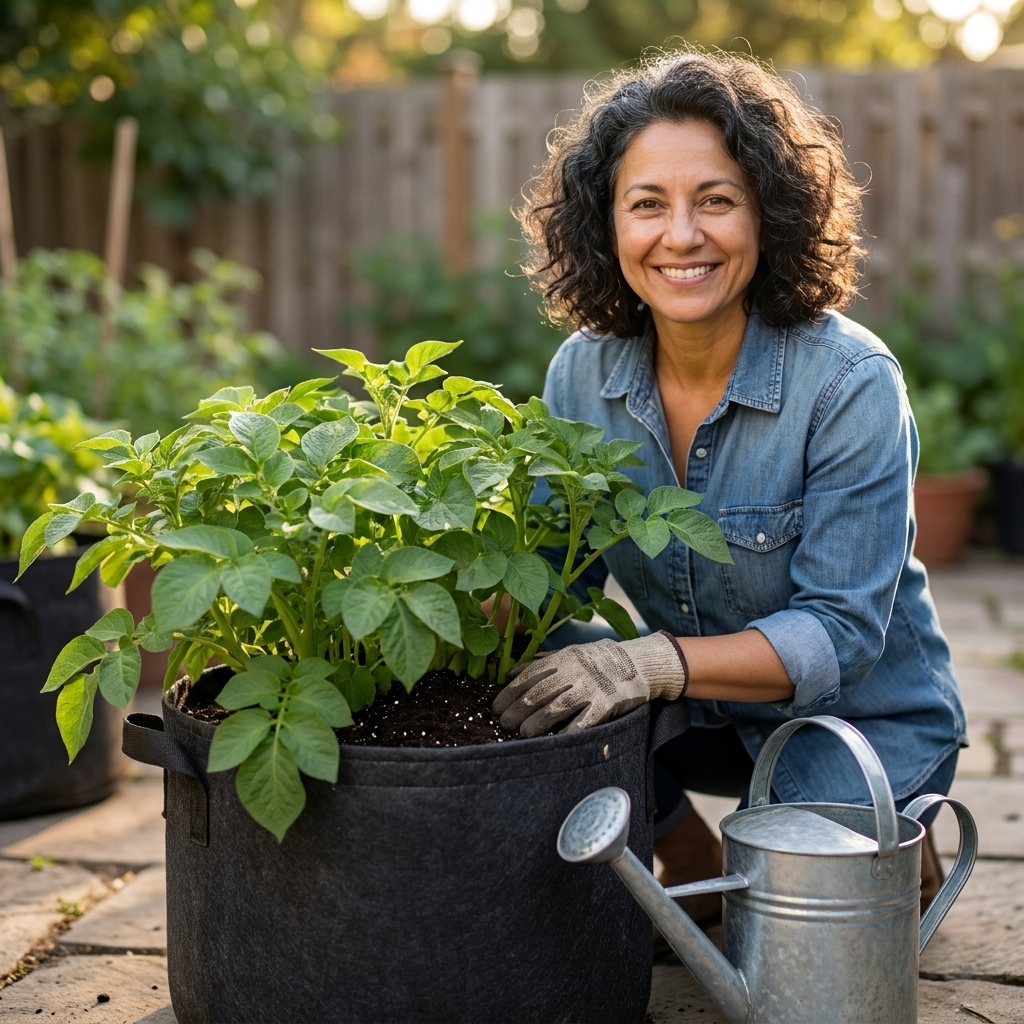
Container note: Because you are reusing the same potting mix, refresh with compost and a slow-release organic fertilizer, or replace one-third of the mix each time you replant.
Protect fall successions
Fall gardening is the part that feels backwards at first. You are sowing in summer heat to eat in crisp weather. A few simple tools make a big difference:
- Row cover: Great for insect protection early and frost protection later.
- Cold frame or low tunnel: Helps you keep greens going well past first frost.
- Baby greens option: If a crop is cutting it close on timing, harvest it young. “Days to maturity” is one thing, but “days to baby leaves” is often much shorter, and still delicious.
Common mistakes
- Planting the whole packet at once: Save seed for later sowings or split it into labeled jars.
- Forgetting watering during germination: Summer successions fail fast if the top inch dries out. Water lightly once or twice daily until sprouted.
- Not accounting for heat: Cilantro, spinach, and many lettuces struggle in high heat. Swap in basil, amaranth, Malabar spinach, or heat-tolerant lettuce varieties.
- Replanting into tired soil: Add compost between rounds and avoid repeating the same family in the same spot when possible.
- Starting fall crops too late: Fall gardens are planted in summer. It feels wrong the first time, but it works.
My simple planning method
If planning makes your eyes cross, try this low-tech approach:
- Draw your beds or containers as boxes.
- Write your “anchor crops” first (tomatoes, peppers, winter squash) because they occupy space longest.
- Fill gaps with quick crops (radishes, lettuce, arugula, bush beans).
- Add one follow-on plan per bed (what goes in after the first crop finishes).
- Set two calendar reminders each month: one for sowing and one for starting transplants.
This is exactly how I keep my homestead beds moving without feeling like I need a spreadsheet and a minor in logistics.
FAQ
How often should I succession plant?
For fast crops like lettuce and radishes, every 1 to 3 weeks works well. For beans, a second planting 2 to 4 weeks after the first often gives a nice extended harvest.
What are the easiest vegetables for succession planting?
Lettuce, arugula, radishes, carrots (if you keep them evenly moist), bush beans, cilantro (in cool weather), and scallions are very beginner-friendly.
Can I do succession planting with tomatoes and peppers?
Not typically in the same way, since they take a long time and prefer warm soil. Instead, succession plant around them: grow spring greens before they go in, and fall greens after they come out.
Do I need to fertilize between successions?
Usually, yes. A thin layer of compost between plantings is my go-to. For heavy feeders (brassicas, leafy greens), an additional organic fertilizer can help, especially in containers.
A gentle challenge
Pick just one space, even a single pot, and try one succession: sow lettuce today and again in two weeks. That is it. Once you taste the magic of a steady harvest, you will start spotting empty spaces like little opportunities instead of problems. And if you mess up the timing, welcome to gardening. We learn, we replant, and we keep going.