Stagger plantings, swap crops by season, and rotate families for continuous harvests from spring through fall. Includes easy schedules, timing buffers, and a...
Gardening insights
10 Fast-Growing Vegetables to Harvest in Under 40 Days
Want quick garden wins? These 10 fast-growing vegetables can go from seed to harvest in under 40 days, with simple tips for beds, pots, and small spaces.

Elena Rosales
Elena Rosales is a certified Master Gardener and lifelong plant enthusiast who believes anyone can cultivate a green thumb. After transforming her tiny urban balcony into a thriving plant oasis, she moved to a half-acre homestead to grow her own food and flowers. Today, she shares practical, hands-on gardening advice to help the Hortello community bring more green into their lives.
Published September 21, 2026
Updated September 21, 2026
If you have ever stared at a packet of tomato seeds and thought, see you in three months, you are not alone. I love a long-season crop, but sometimes you need a quick win. Maybe your growing season is short, maybe you are gardening on a balcony, or maybe you just want the satisfying snap of a harvest before your motivation wanders off.
Here are 10 vegetables you can typically harvest in under 40 days, plus the little tricks that make them even faster. (And yes, I am speaking as someone who once planted way too much zucchini and lived through the Great Zucchini Invasion of 2019. Quick crops are safer for the ego.)
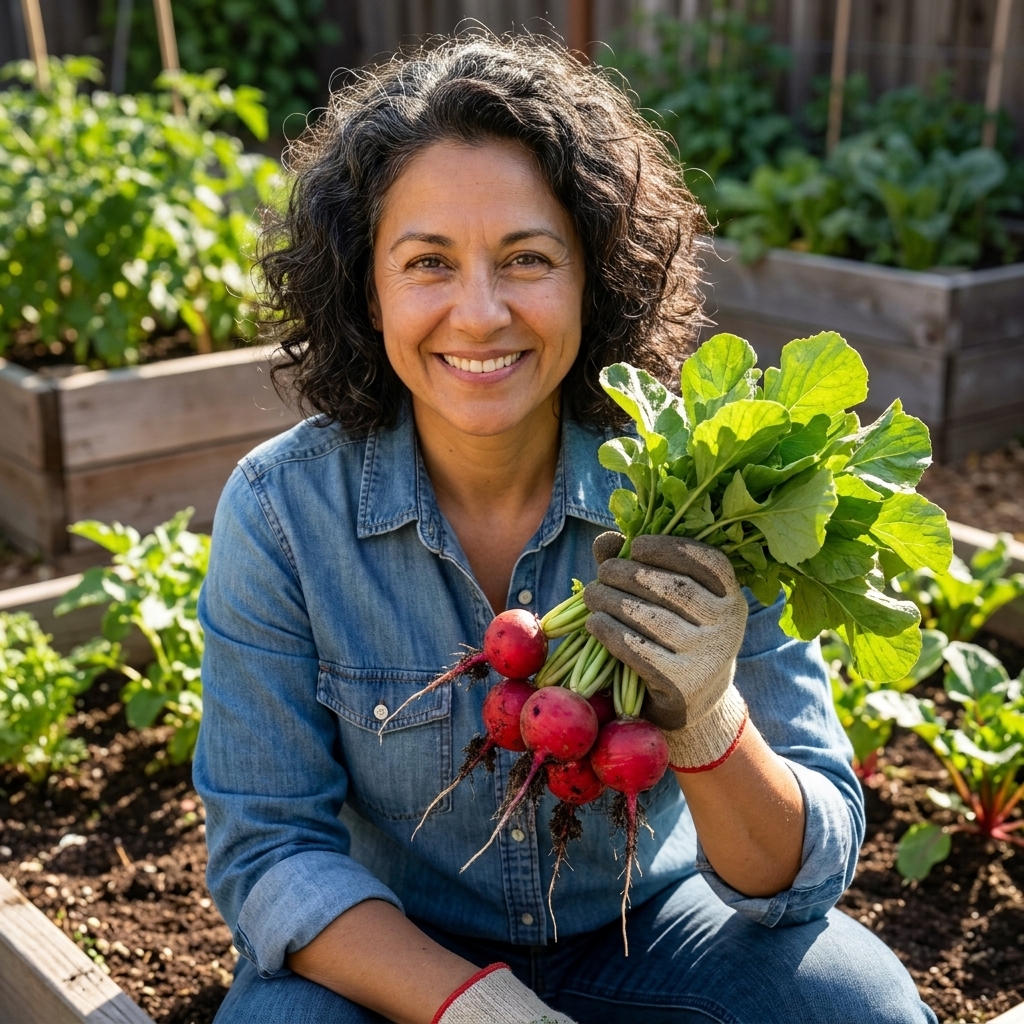
Before you plant: faster harvests
- Pick the right varieties. Look for “days to maturity” on the packet. For baby greens, harvest can be even sooner than the listed number.
- Plant in loose, fertile soil. Fast crops hate compaction. Mix in finished compost and, for containers, use a quality potting mix (not garden soil).
- Keep moisture steady. Inconsistent watering slows growth and can make roots split or greens turn bitter.
- Grow in cool seasons when appropriate. Many of these are happiest in spring and fall. Heat can stall them.
- Use succession planting. Sow a small amount every 7 to 14 days so you keep harvesting instead of getting one big glut.
10 fast vegetables (under 40 days)
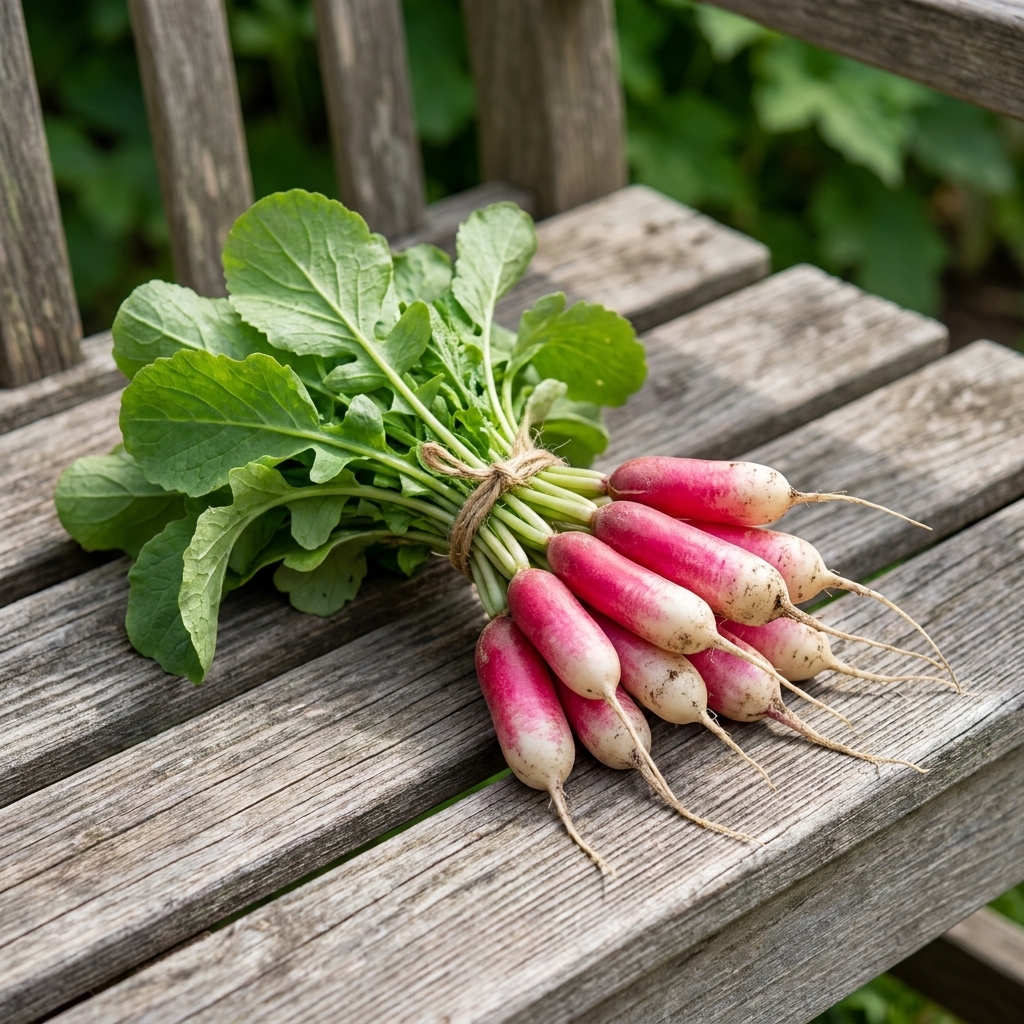
1) Radishes (often 20 to 30 days)
If you want the fastest gratification in the garden, radishes are your best friend. They go from seed to crunchy, peppery roots in about the time it takes you to forget where you put your pruners.
- Best for: Beds, raised beds, window boxes, shallow containers (6 inches deep works)
- Planting tip: Direct sow. Radishes do not like transplanting.
- Make it faster: Thin early so each root has space. Crowding makes more leaves and fewer bulbs.
- Harvest cue: Shoulders of the root start peeking above the soil line.
2) Arugula (often 20 to 35 days)
Arugula is one of my favorite “instant salad” crops. It germinates quickly, grows happily in cool weather, and brings that peppery bite that makes even a basic bowl of greens feel fancy.
- Best for: Containers, beds, balcony planters
- Planting tip: Sow shallowly, barely covering seed.
- Make it faster: Harvest as baby leaves at 3 to 4 inches tall.
- Heat note: In hot weather it bolts fast, so spring and fall are prime arugula time.
3) Baby spinach (often 25 to 40 days)
Spinach is a cool-season superstar. For full-size leaves it takes longer, but for tender baby spinach, you can start snipping surprisingly soon.
- Best for: Beds and deep pots (8 to 10 inches is ideal)
- Planting tip: Sow thickly for baby leaf harvest, then cut and come again.
- Make it faster: Keep soil consistently moist and cool. Mulch helps.
- Harvest cue: Leaves are big enough to pinch off without tugging up the whole plant.
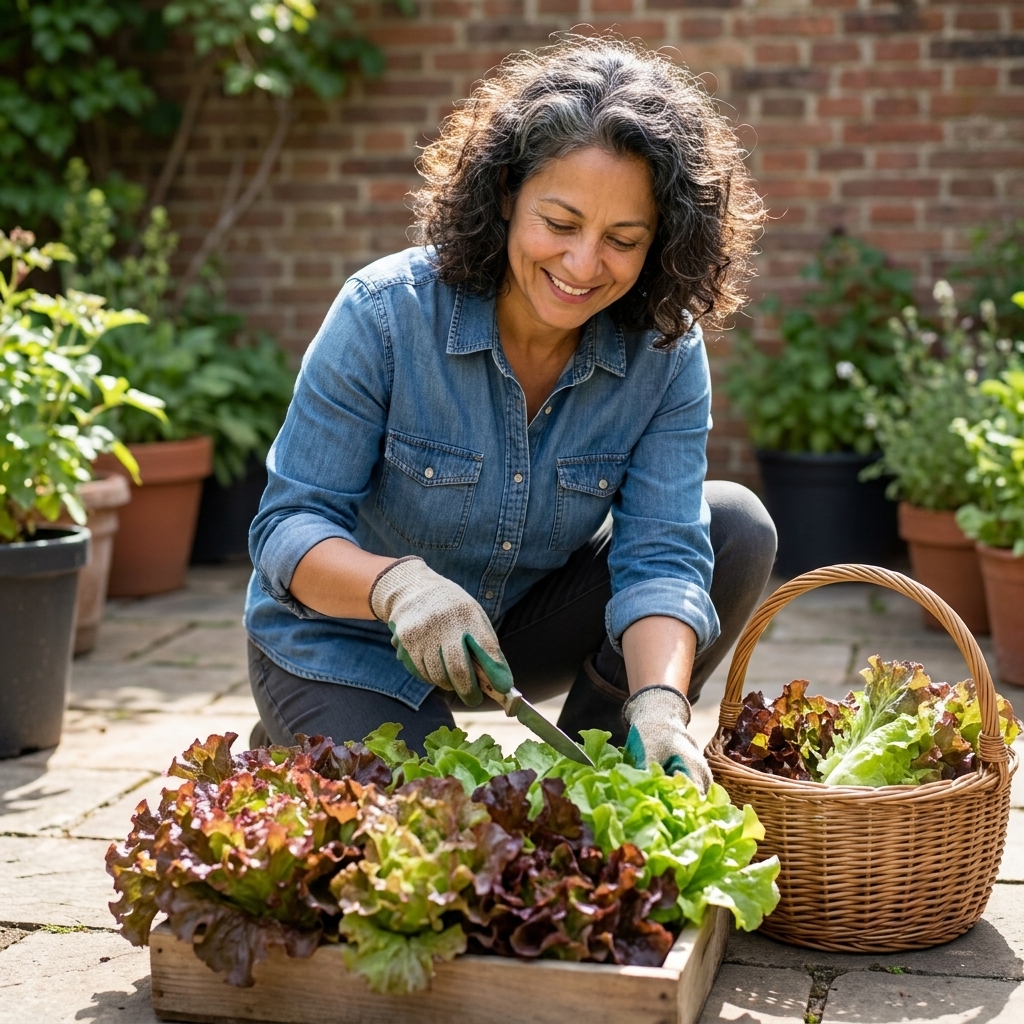
4) Leaf lettuce (often 28 to 40 days)
Loose-leaf lettuces are the “snip-and-come-again” champions. You can harvest outer leaves as the plant grows, which means you do not have to wait for a full head.
- Best for: Containers, raised beds, patio planters
- Planting tip: Sow small patches every 1 to 2 weeks for steady salads.
- Make it faster: Grow as baby leaf: broadcast seed and cut at 3 to 5 inches tall.
- Heat note: Afternoon shade in summer keeps leaves sweeter.
5) Mustard greens (often 25 to 40 days)
Mustard greens grow with that enthusiastic, leafy energy that makes you feel like a gardening genius. The flavor ranges from mild to spicy depending on the variety and the weather.
- Best for: Beds and containers
- Planting tip: Direct sow and thin seedlings to avoid a tangled jungle of stems.
- Make it faster: Harvest baby leaves early for a milder bite.
- Kitchen note: Quick sauté with garlic is my go-to when the garden is overflowing.
6) Green onions (fast method) (often 20 to 40 days)
Green onions are wonderfully forgiving, especially for new gardeners. The key detail is how you start them. From seed, scallions are usually a longer game. But if you start from sets or regrow them from scraps, you can get that homegrown oniony goodness on a fast timeline.
- Best for: Containers, raised beds, garden edges
- Planting tip: For under-40-day results, plant onion sets close together, or regrow store-bought green onion bottoms (roots attached) in soil.
- Make it faster: Keep them evenly moist and harvest as soon as they are the size you like. Sets and regrown starts can reach usable size quickly.
- Bonus: They are great space-fillers around carrots and leafy greens.
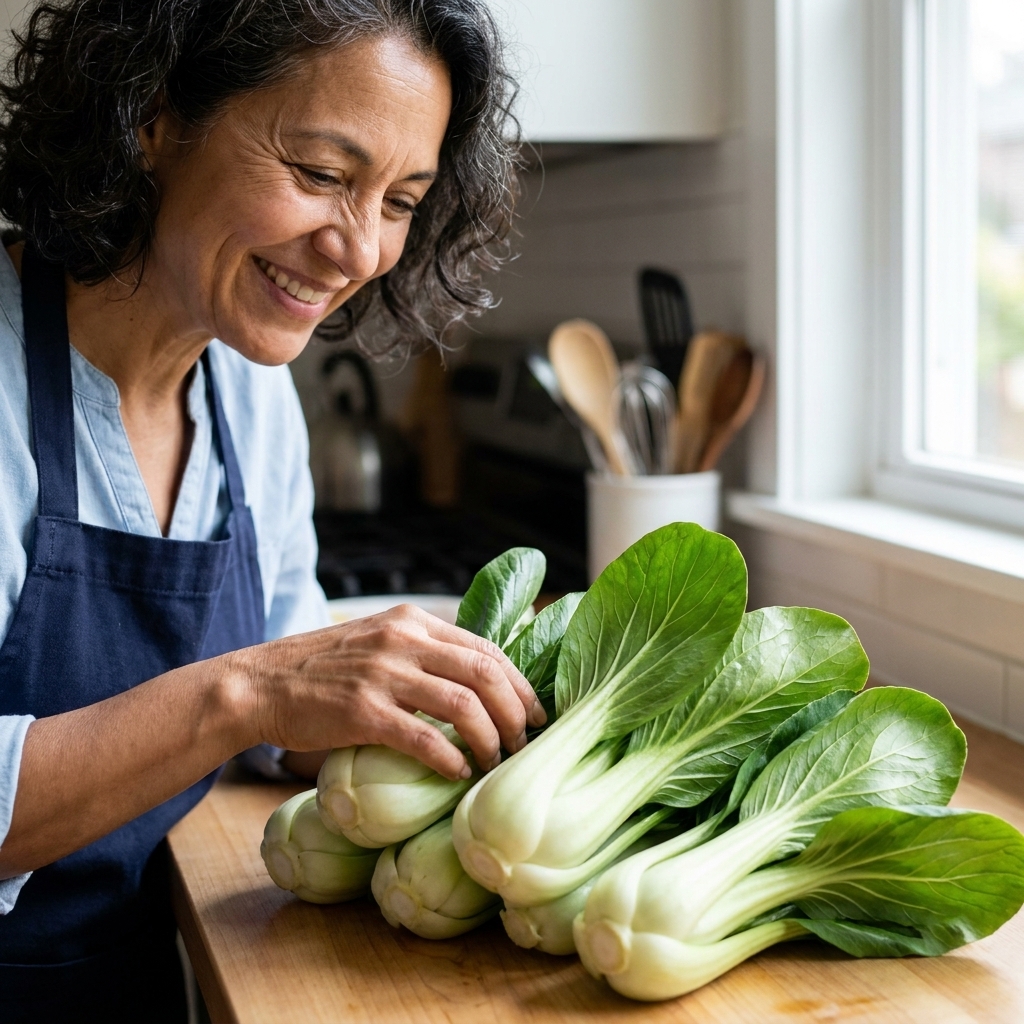
7) Bok choy (baby types) (often 30 to 40 days)
Baby bok choy is a quick, tidy crop that feels like a small miracle when you harvest crisp little rosettes for stir-fries. Choose varieties labeled “baby” for the speediest results.
- Best for: Beds and larger pots
- Planting tip: Direct sow or transplant gently when seedlings are small.
- Make it faster: Keep it cool and evenly watered to reduce bolting.
- Harvest cue: Small, firm heads or rosettes that feel substantial in your hand.
8) Turnip greens (often 25 to 40 days)
Turnips pull double duty, but if you are chasing speed, grow them for the greens. The leaves are tender when young and cook down beautifully.
- Best for: Beds and containers
- Planting tip: Direct sow and thin seedlings. Crowded turnips get stressed.
- Make it faster: Harvest greens early and often, leaving the center growth point.
- Flavor tip: Baby greens are mild; mature leaves get more bite.
9) Beet greens (often 25 to 40 days)
Beets take longer to size up into full roots, but beet greens are fast, nutritious, and honestly underrated. Think earthy, slightly sweet, and great in a sauté or mixed into soups.
- Best for: Beds, deeper containers (10 to 12 inches is ideal)
- Planting tip: Beet “seeds” are clusters. Thin to avoid a tight knot of seedlings.
- Make it faster: Harvest outer leaves when they are 4 to 6 inches long.
- Note: If you want both greens and roots, harvest lightly from each plant so the root can still develop.
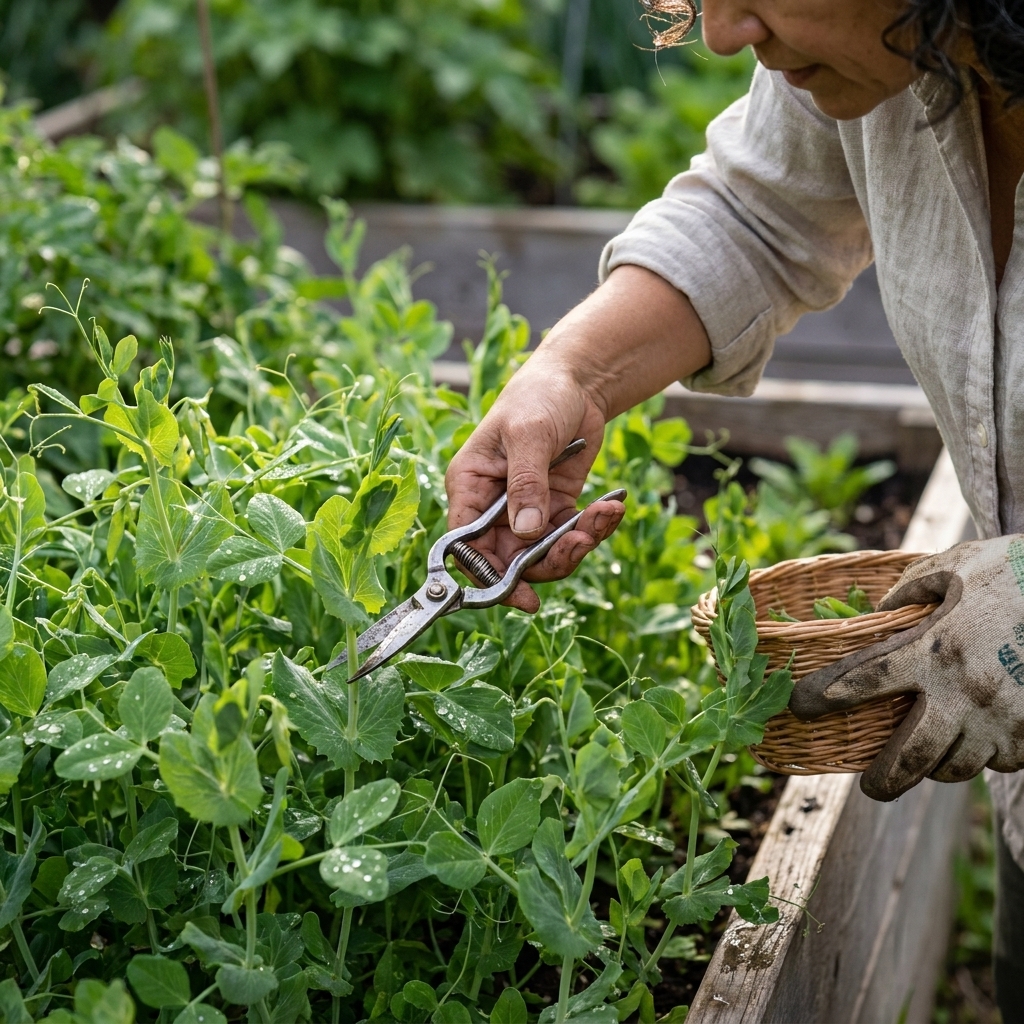
10) Pea shoots (often 14 to 30 days)
This is the sneaky one, and it is honestly my favorite. If you grow peas for shoots, you can harvest in a couple of weeks and feel like a wizard. (Pea pods are a longer timeline, so shoots are the move when you want speed.)
- Best for: Containers, window boxes, raised beds
- Planting tip: Sow densely for shoots. You are not trying to raise polite, well-spaced pea plants. You are growing a tasty little thicket.
- Make it faster: Harvest shoots at 4 to 6 inches tall. Snip above a leaf node so it can regrow.
- Season note: Peas prefer cool weather. They sulk in heat.
Fast harvests in small spaces
If you are gardening on a balcony or patio, speed is on your side. Containers warm up quickly in spring, which can jump-start growth. Just remember they also dry out fast.
- Pick wide containers for greens. Salad crops have shallow roots and love surface area.
- Use a “salad box” approach. Combine lettuce, arugula, spinach, and mustard in one larger planter and harvest as baby leaf.
- Fertilize lightly but consistently. A diluted organic liquid fertilizer every 2 to 3 weeks keeps leafy crops moving.
- Keep a watering routine. In warm weather, daily watering is common for pots.
Why fast crops feel slow
- Cold soil. Seeds can sit without sprouting. Consider starting a week later, using a cloche, or placing containers where they warm in the sun.
- Not enough light. Most vegetables want 6+ hours of sun. Leafy greens can manage with less, but growth will be slower.
- Crowding. It is tempting to skip thinning. I get it. But plants compete, and nobody wins.
- Uneven watering. Stress slows growth and can make greens bitter and roots split.
Quick FAQ
What is the fastest vegetable to grow?
Radishes are usually the quickest true “vegetable harvest,” often ready in 20 to 30 days. For an even faster edible harvest, pea shoots and some baby greens can be ready in 2 to 3 weeks.
Can I really harvest in under 40 days from seed?
Yes, especially with radishes and baby leaf greens. Weather, daylight, soil fertility, and consistent moisture make a big difference, so think of the timeline as a realistic range, not a promise. (And for green onions, use sets or regrow scraps if you want them on the quick track.)
What should I plant if my season is short?
Lean into cool-season greens (lettuce, spinach, arugula, mustard) plus radishes and quick-start scallions. Then succession plant so you keep harvesting until heat or frost shuts things down.
Your next 40 days
If you are craving momentum, pick two or three from this list and sow them this week. My favorite “quick win” combo is radishes + leaf lettuce + arugula: you get crunch, sweetness, and spice, and it all fits in a surprisingly small space.
And if something flops, welcome to the club. Gardening is just a long series of experiments with snacks at the end.