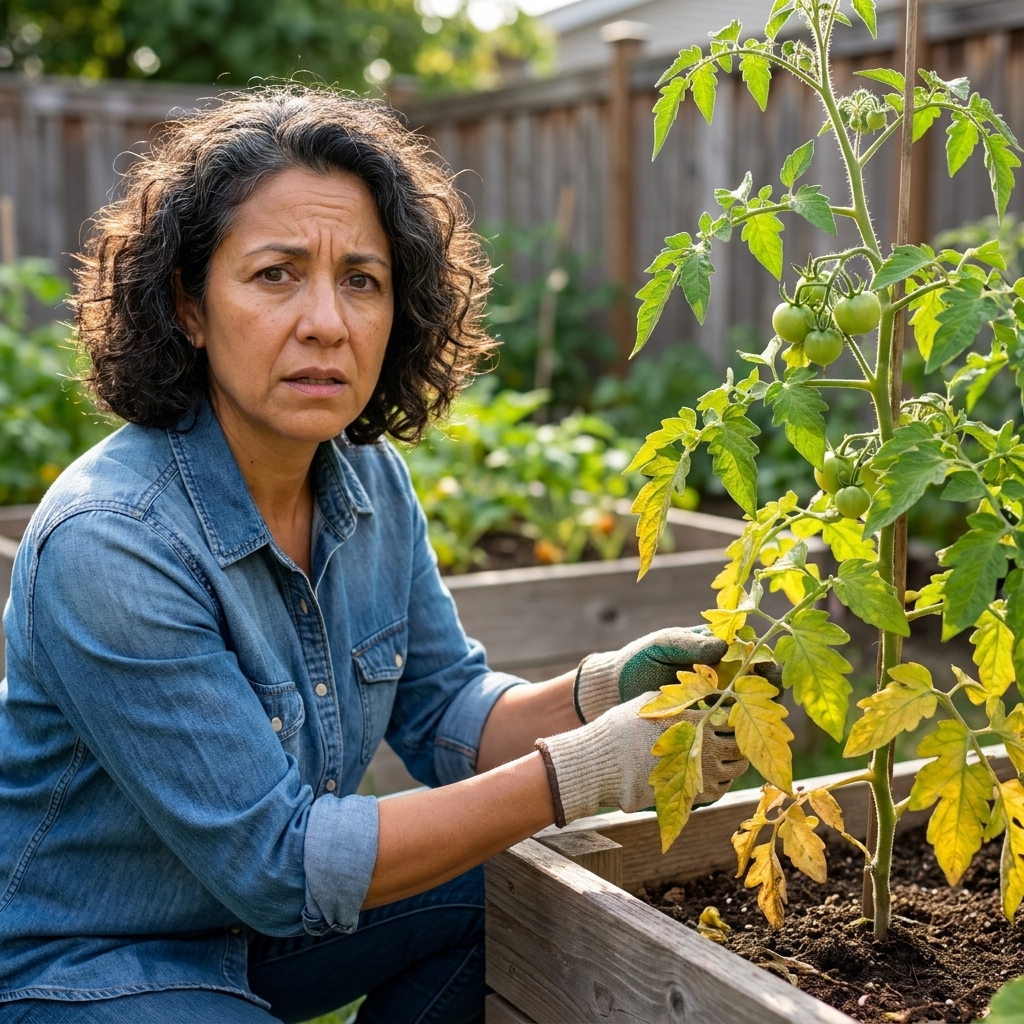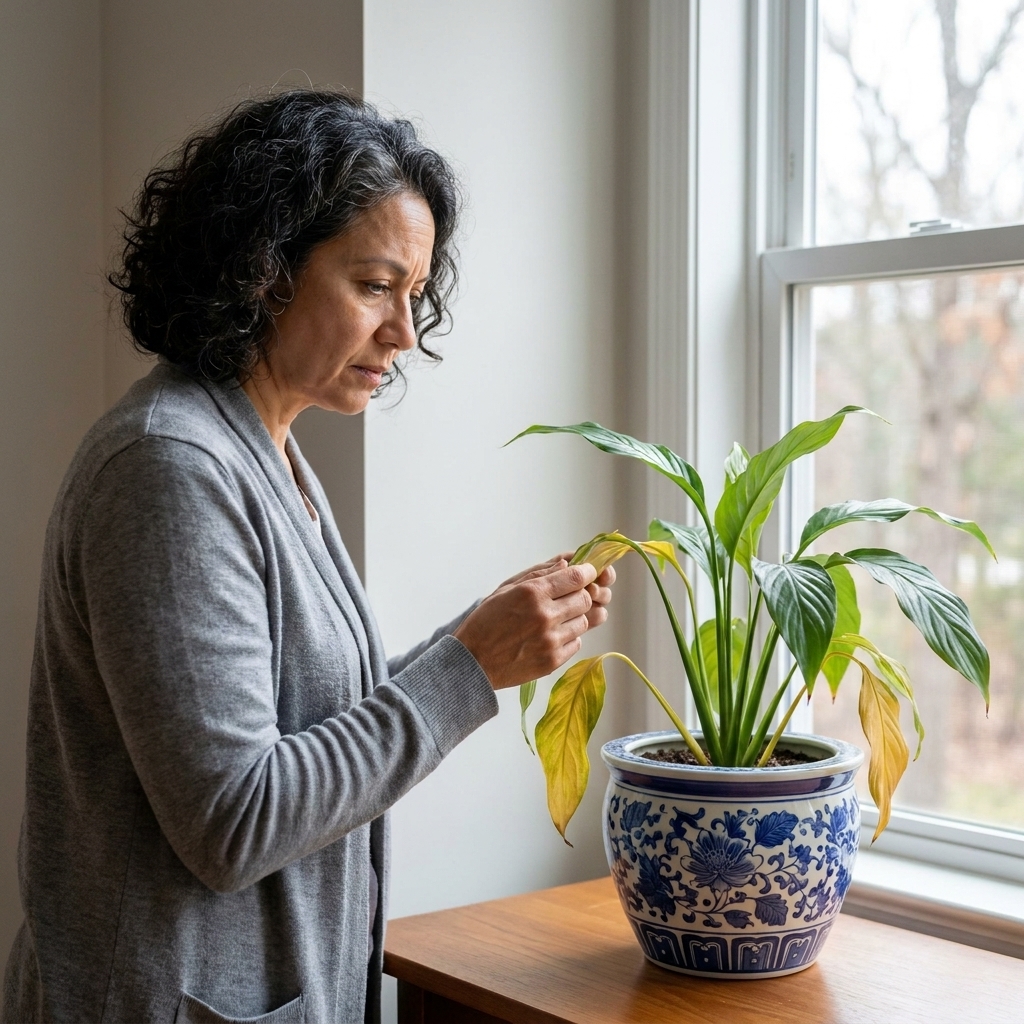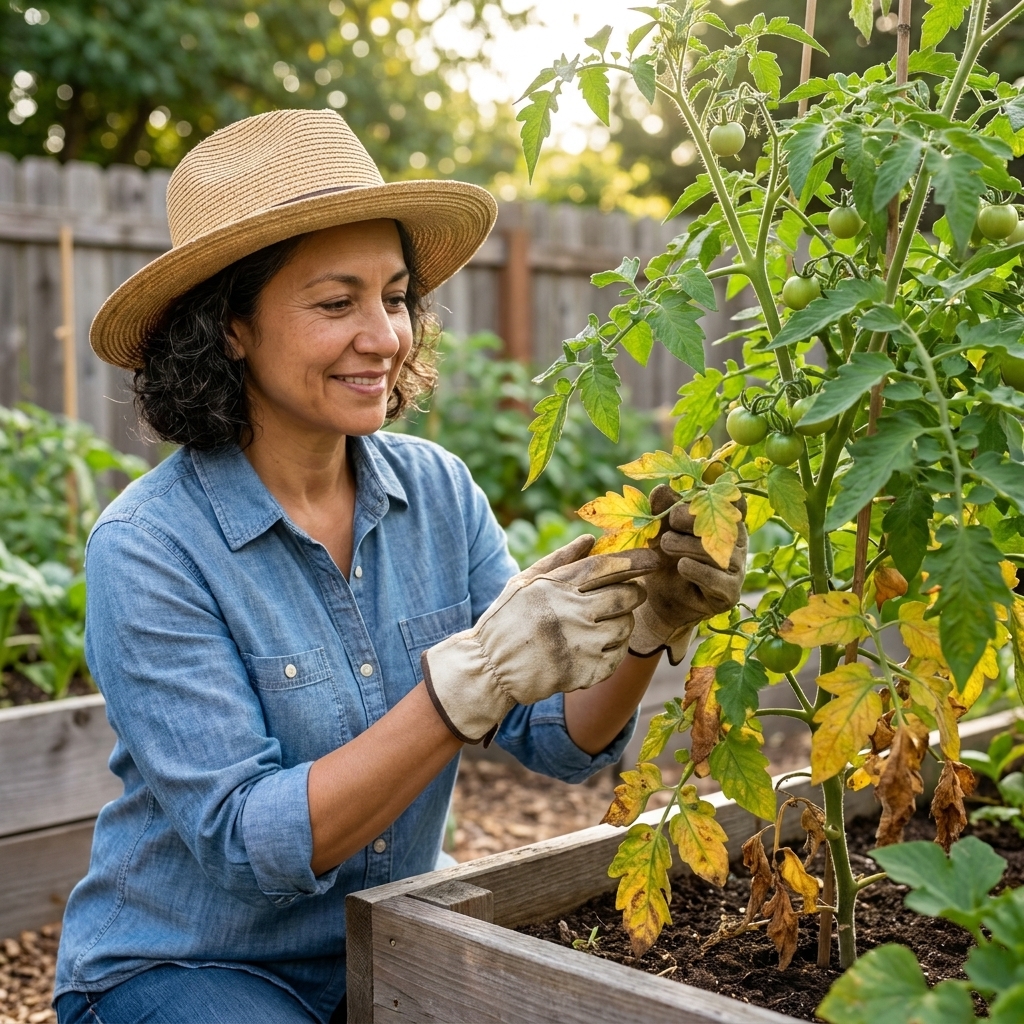
From watering problems to nutrient issues, pests, and disease, here are common reasons veggie leaves turn yellow, plus practical steps to correct the issue.
Gardening insights
Liquid vs. Granular Fertilizer
Liquid or granular fertilizer? Learn the real pros and cons of each, when to use them, and how to feed veggies, containers, lawns, and houseplants without overdoing it.

Elena Rosales
Elena Rosales is a certified Master Gardener and lifelong plant enthusiast who believes anyone can cultivate a green thumb. After transforming her tiny urban balcony into a thriving plant oasis, she moved to a half-acre homestead to grow her own food and flowers. Today, she shares practical, hands-on gardening advice to help the Hortello community bring more green into their lives.
Published September 21, 2026
Updated September 21, 2026
If fertilizer shopping makes you feel like you need a decoder ring, you are not alone. I have stood in the garden aisle holding a bottle in one hand and a bag in the other, trying to decide which one will help my tomatoes thrive without turning my soil into a chemistry experiment.
Here is the simple truth: liquid and granular fertilizers both work. The “best” choice depends on how fast your plants need nutrients, how you like to garden, and what you are feeding. Let’s break it down in plain language, with practical scenarios you can use this week.
Quick definitions
What is liquid fertilizer?
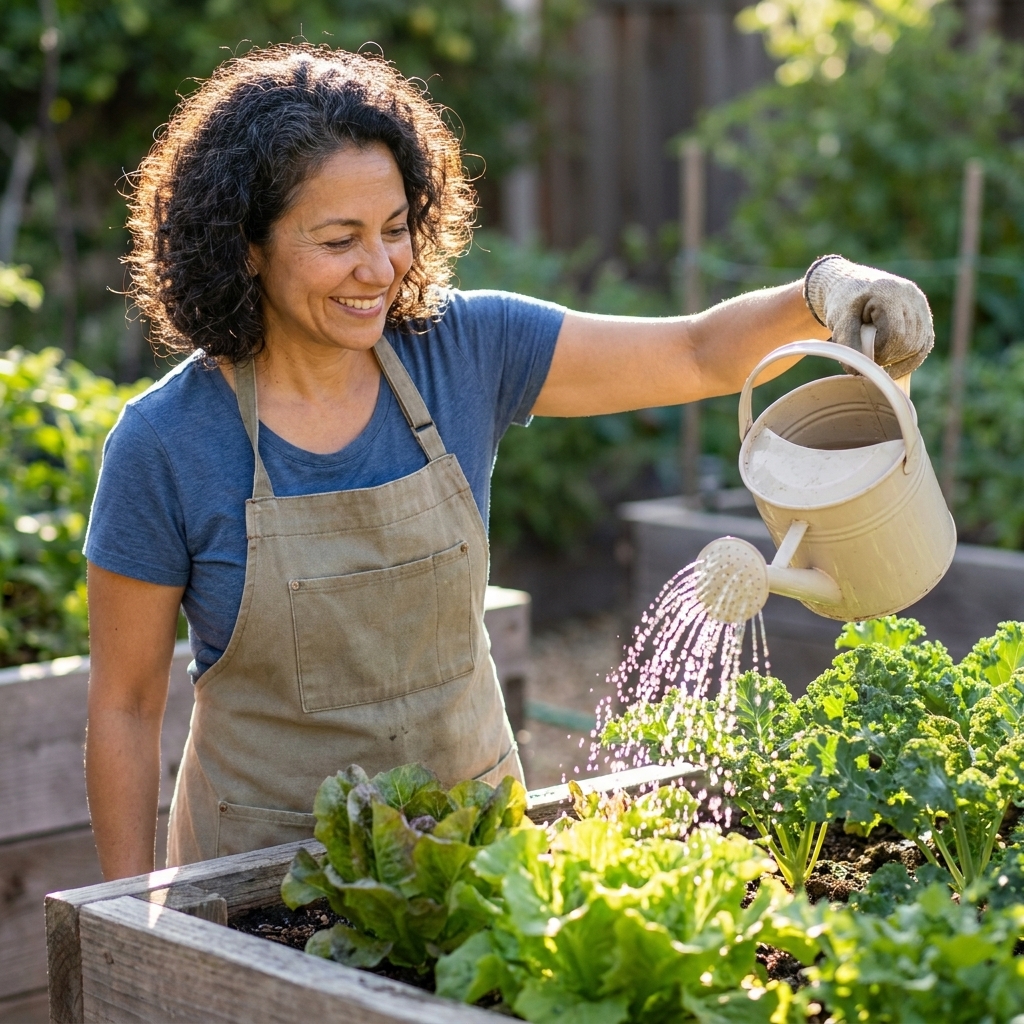
Liquid fertilizer is plant food that is dissolved or suspended in water (or meant to be mixed with water). You apply it by watering the soil, drenching around the root zone, or sometimes spraying leaves as a foliar feed.
What is granular fertilizer?
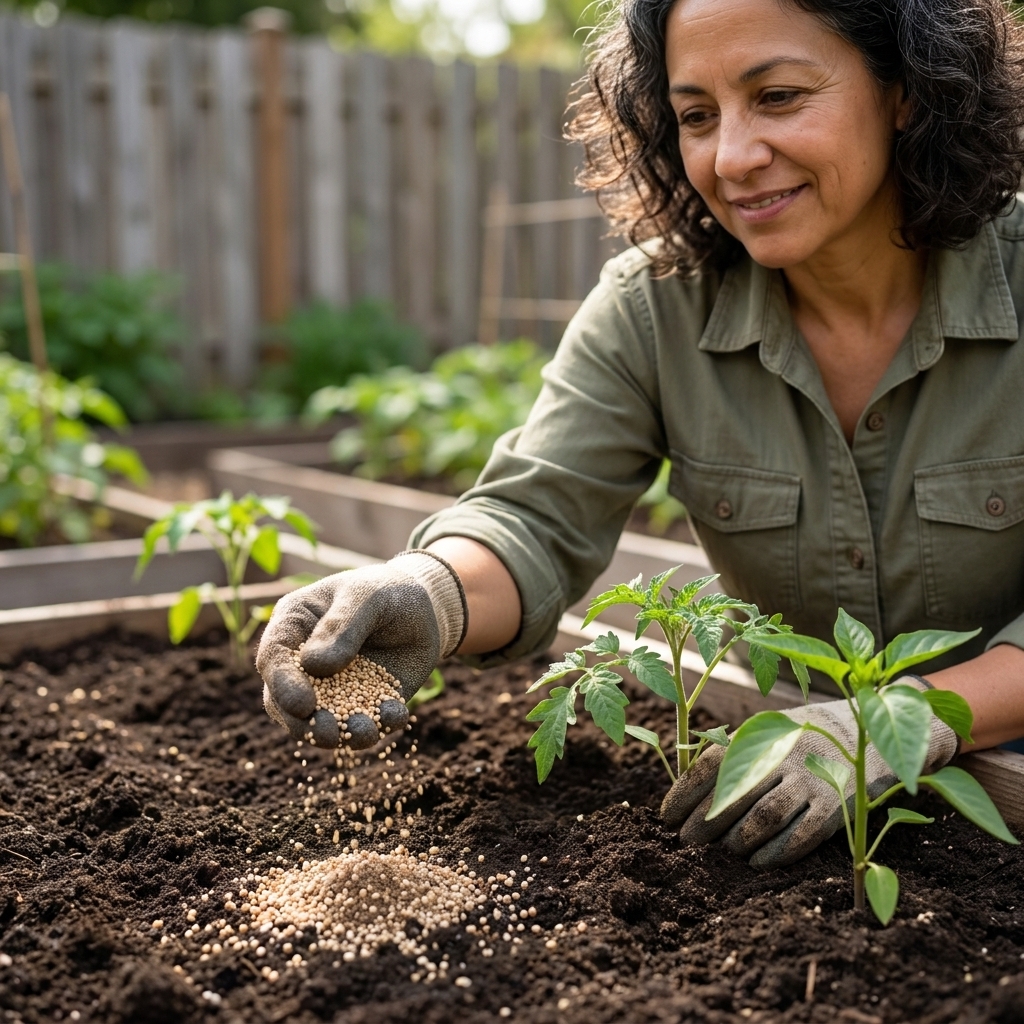
Granular fertilizer comes as dry pellets or prills. You sprinkle it on the soil (or lawn), then water it in. Nutrients become available as the granules dissolve and, depending on the formula, release over time. Some are readily soluble, some are coated for a slower release, and organic meals often rely on soil biology to make nutrients plant-available.
Liquid fertilizer
Pros
- Fast results: Nutrients are available quickly, especially in warm weather when plants are actively growing.
- Great control: Easy to adjust dose and frequency. Helpful for containers where nutrients wash out faster.
- Even coverage: When applied evenly, plants get a more uniform “sip” of nutrients.
Cons
- More frequent applications: Many liquid feeds are short-lived, so you may be fertilizing weekly or every other week.
- Easier to overdo: A heavy hand can burn roots or push lots of lush leaves with fewer flowers and fruits.
- Mixing and cleanup: Measuring, mixing, and cleaning sprayers or watering cans is a real thing.
Best uses
- Containers and hanging baskets (veggies, herbs, annuals)
- Fast-growing vegetables during peak growth (tomatoes, peppers, cucumbers)
- When plants look hungry and you need a quicker correction
- Cooler soils where microbe-dependent fertilizers (especially organic granulars) may be slow to kick in
My neighbor-fence tip: If you can remember to water, you can remember to fertilize. I like pairing a mild liquid feed with my regular watering schedule for balcony pots and seedlings.
Quick caveat: Liquids are only “even” if your application is even. If one pot gets drenched and another gets a polite sprinkle, they will not grow like twins.
Granular fertilizer
Pros
- Longer lasting: Many granular fertilizers feed for weeks to months.
- Convenient: Sprinkle, water in, and you are done.
- Great for beds and lawns: Especially when you want a baseline feed across a larger area.
Cons
- Slower to kick in: You may not see a quick “bounce back,” especially with organic granules that rely on soil biology.
- Can be uneven: If you scatter irregularly, some spots get more than others.
- Runoff risk if misapplied: Applying before heavy rain or on hard surfaces can send nutrients where you do not want them.
Best uses
- In-ground vegetable gardens as pre-plant or early-season feeding
- Perennials, shrubs, and fruit trees where steady nutrition is the goal
- Lawns when you need broad coverage and a longer feed
- Gardeners who want “set it and forget it” (no judgment, I love this too)
Fast vs. slow in the soil
Think of plant nutrition like cooking:
- Liquid fertilizer is a quick meal. Plants can access nutrients sooner, so it is useful when growth is rapid or you need a faster correction.
- Granular fertilizer is a slow simmer. It releases nutrients over time, which supports steadier growth with fewer feedings.
One important note: “fast” does not always mean “better.” Pushing too much quick nitrogen can make plants look gorgeous and leafy while reducing blooms and fruit. (Ask me about the Great Zucchini Invasion of 2019. I fed, they obeyed, and my neighbors mysteriously stopped answering the door.)
Slow vs. controlled release
These terms get mashed together on labels, so here is the plain-English version:
- Slow-release often means nutrients become available gradually, sometimes because they are less soluble or because soil microbes have to do some work (common with many organic meals).
- Controlled-release usually means coated granules (often synthetic) that release nutrients based on moisture and temperature as the coating allows water in and nutrients out.
- Water-soluble granular fertilizers dissolve quickly once watered in. They are “granular” in shape, but they do not necessarily behave like a long-feeding product.
If you only remember one thing: granules are not automatically slow. Check the label for how long it feeds.
How to choose
Pick liquid when…
- You are feeding containers.
- You want quick support during flowering and fruiting.
- You are dealing with visible nutrient stress and want a faster response.
- You like a routine and do not mind mixing.
Pick granular when…
- You want to feed the whole bed before planting.
- You are tending perennials and shrubs and want low-maintenance nutrition.
- You are fertilizing a large area like a lawn.
- You want fewer applications over the season.
Pick both when…
Many gardens do best with a two-step approach: granular as the foundation and liquid as a targeted boost. For example, I often work a granular organic fertilizer into my beds at planting time, then use a diluted liquid feed when tomatoes start setting fruit.
By garden type
Vegetable beds
- At planting: Granular mixed into the top few inches of soil (or banded along rows) is easy and steady.
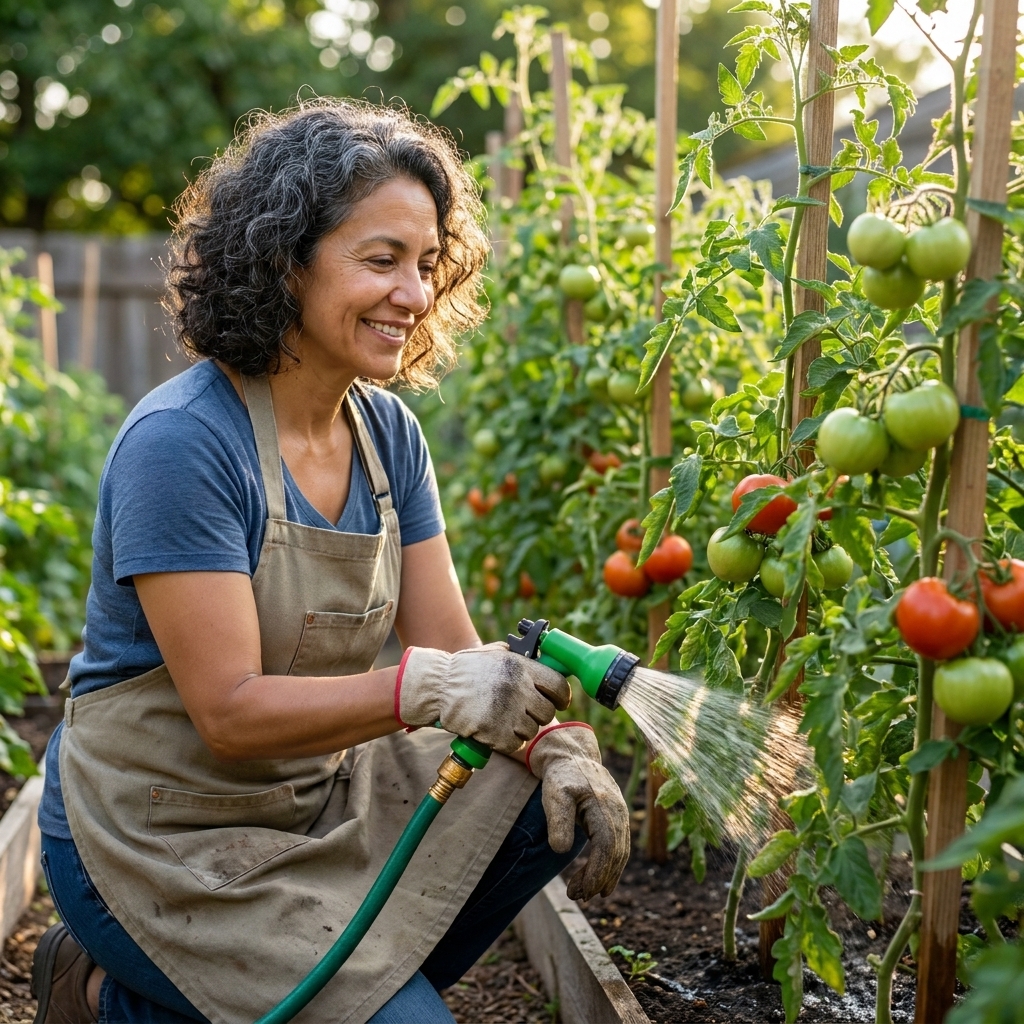
- Mid-season: Liquid is great for heavy feeders (tomatoes, corn, squash) when they are actively growing and producing.
Containers
- Best bet: Liquid, because pots leach nutrients quickly.
- Option: Slow-release or controlled-release granules in the potting mix, plus occasional liquid feeding if growth stalls.
Houseplants
- Best bet: Liquid at low strength during active growth.
- Tip: Pause or reduce feeding in low-light seasons when plants slow down.
Lawns
- Best bet: Granular for even coverage and longer feeding.
- Important: Sweep granules off sidewalks and driveways so they do not wash into storm drains.
Perennials, shrubs, and fruit trees
- Best bet: Granular (often organic) in early spring, applied around the drip line and watered in.
- Liquid use: Helpful for new plantings that need gentle, consistent support while establishing.
Organic vs. synthetic
You will see both liquid and granular fertilizers in organic and synthetic forms.
- Organic fertilizers (like fish emulsion, kelp, composted poultry manure, alfalfa meal) can support soil biology as well as plant growth. They often release more gradually, but they are not “weak,” and they still need correct dosing.
- Synthetic fertilizers provide nutrients in forms plants can take up quickly and predictably. They are effective, but they can be easier to overapply, and they do not add organic matter.
If soil health is one of your goals (it is one of mine), consider using compost plus an organic granular as your baseline, then use a targeted liquid feed when plants are truly asking for it.
How to apply safely
1) Read the label, then cut the dose for stressed plants
Heat, drought, recent transplanting, or root damage makes plants more sensitive. In those moments, I would rather feed at half strength than risk fertilizer burn.
2) Water first if the soil is dry
Applying fertilizer to bone-dry soil is like handing someone a salty snack with no water nearby. Lightly water first, then fertilize, then water in if needed.
3) Keep fertilizer off leaves unless it is foliar
Granules stuck on wet foliage can burn. If you spill, brush them off and water the soil.
Foliar feeding note: It can help as a short-term patch when a plant needs a quick nudge (or when roots are stressed), but it is not a replacement for building healthy soil and feeding the root zone.
4) Do not fertilize right before a big storm
Heavy rain can wash nutrients away before plants can use them.
5) Do not chase problems fertilizer cannot fix
Yellow leaves can come from overwatering, compacted soil, pests, root damage, or cold nights . Fertilizer helps only when nutrients are actually the issue.
6) Watch for salt buildup
Salt injury is not just a “liquid fertilizer” thing. Overusing synthetic liquids or granulars can build up salts, especially in containers, and even in-ground over time if you keep hitting the same spot. Your container flush routine helps for a reason.
N-P-K basics
Every fertilizer label shows N-P-K numbers, like 10-10-10 or 5-1-2. That is the percent by weight of:
- N (nitrogen): drives leafy, green growth
- P (phosphorus): supports energy transfer and early root development (and yes, it is involved in flowering, but it is not a magic “more blooms” button)
- K (potassium): supports overall vigor, water regulation, and stress tolerance, and it can influence fruit quality
For many home gardens, a balanced or slightly nitrogen-leaning fertilizer works well early on. Later, some fruiting crops appreciate a bit more potassium, especially if your soil test does not already show high K. If you want to be extra confident, a simple soil test is the best money you can spend before adding more “P” just because a bloom fertilizer promises fireworks.
Soil test timing tip: For most home gardens, testing every 2 to 3 years (or when you move into a new garden) is a solid rhythm. It helps you avoid building up excess phosphorus and lets you target what is actually missing.
Simple routines
Routine A: Mostly granular
- Mix granular fertilizer into beds at planting.
- Top dress once mid-season if the label recommends it.
- Use compost as mulch for steady soil building.
Routine B: Mostly liquid
- Start with quality potting mix .
- Feed with a diluted liquid fertilizer every 7 to 14 days during active growth.
- Flush pots with plain water occasionally to reduce salt buildup.
Routine C: Both (my go-to for veggies)
- Granular at planting for a baseline.
- Liquid feed when plants begin flowering and setting fruit, or when growth clearly slows.
- Adjust based on weather and what the plants are telling you.
FAQ
Is liquid fertilizer better than granular?
Not universally. Liquid is faster and more flexible, granular is steadier and more convenient for larger areas. “Better” depends on your garden type and how hands-on you want to be.
Can I use liquid fertilizer every time I water?
Only if the product is designed for constant feeding and you are using the recommended dilution. For most gardeners, feeding every 1 to 2 weeks during active growth is plenty, especially for containers.
What is easiest for beginners?
If you have in-ground beds, a granular fertilizer applied at planting is simple and forgiving. If you are gardening in pots, a gentle liquid feed on a schedule is often easiest to manage.
What is the biggest mistake you see with fertilizer?
Overfeeding. More fertilizer does not equal more harvest, and it can invite pests, reduce blooms, burn roots, and pollute waterways. Start modestly and increase only if plants truly need it.
The bottom line
If I had to sum it up like we are chatting over the fence: granular fertilizer builds a steady foundation, and liquid fertilizer is your quick, targeted helper. Choose the one that fits your garden and your routine, then apply it with a light hand and a watchful eye.
Your plants will tell you the rest, usually in the most honest language there is: new growth, sturdy stems, and flowers that actually turn into food.