A step-by-step indoor seed-starting guide that covers soil, lighting, watering, and timing so your seedlings are sturdy and ready for spring planting.
Gardening insights
How to Harden Off Seedlings
Harden off seedlings with a simple day-by-day schedule for sun, wind, and cool nights so transplants do not stall, scorch, or snap.

Elena Rosales
Elena Rosales is a certified Master Gardener and lifelong plant enthusiast who believes anyone can cultivate a green thumb. After transforming her tiny urban balcony into a thriving plant oasis, she moved to a half-acre homestead to grow her own food and flowers. Today, she shares practical, hands-on gardening advice to help the Hortello community bring more green into their lives.
Published September 28, 2026
Updated September 28, 2026
If you have ever moved a cozy, indoor-grown seedling outside and watched it wilt like a sad little salad green, you have met transplant shock. It is not you being “bad at gardening.” It is the plant being unprepared for the real world: stronger sun, drying wind, bigger temperature swings, and unfiltered rain.
Hardening off is simply training seedlings for outdoor life a little at a time. Think of it like easing into a cold lake instead of cannonballing in. Do it well and your seedlings keep growing without a long sulk, stems thicken, leaves toughen up, and roots settle in faster after transplant.
What hardening off changes
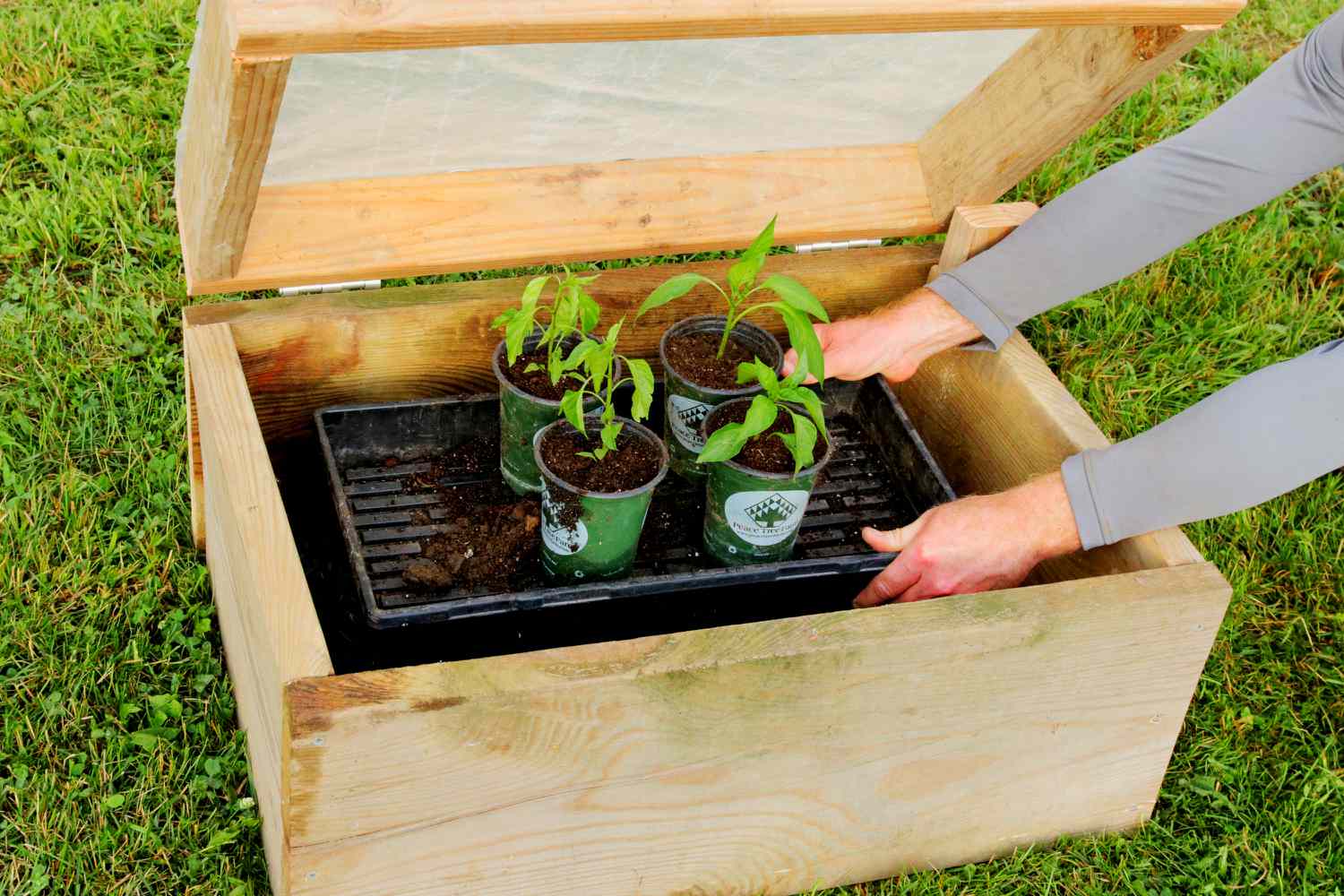
Indoor seedlings grow in a protected bubble: steady temperatures, gentle light, no wind, and evenly moist soil. Outdoors, they face real stress. Hardening off helps seedlings:
- Acclimate leaves to higher light and UV , including thicker cuticle and more protective pigments, so they scorch less easily.
- Strengthen stems in response to breeze and temperature variation.
- Adjust water use to lower humidity and faster evaporation.
- Handle cooler nights so growth does not stall after transplant.
That adaptation takes time. For most garden veggies and flowers, plan on 7 to 10 days. Some crops want longer (hello, peppers), and some can handle a quicker ramp-up.
Before you start
1) Make sure they are ready
Harden off seedlings when they have:
- 2 to 4 true leaves (not just the first seed leaves).
- Healthy color (not pale from low light).
- Roots that hold the plug together when you lift one cell, but not a tight spiral.
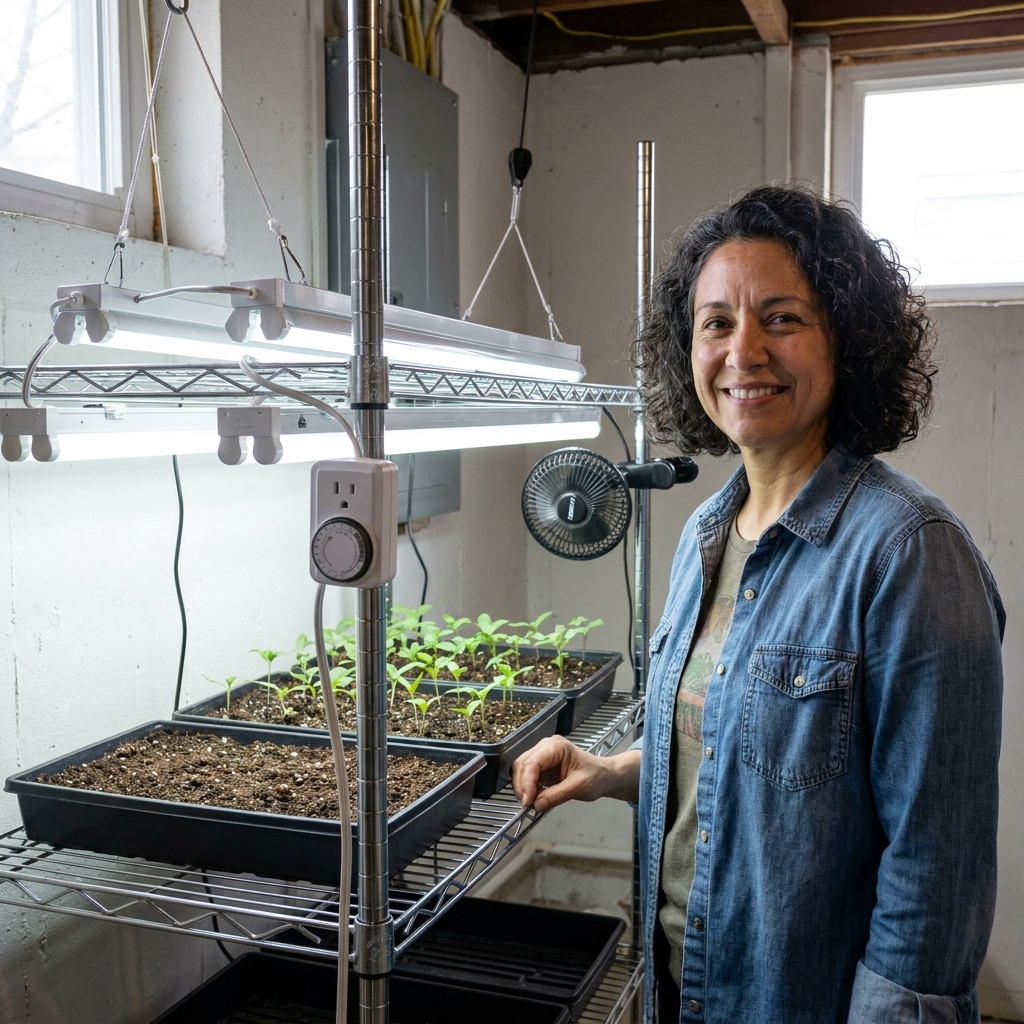
If they are leggy and floppy, fix the indoor setup first (more light, gentle airflow, and potting up if necessary). Hardening off will not magically correct weak growth.
2) Check timing and temperatures
Hardening off is not the same as “it is safe to plant.” Start hardening off when your outdoor conditions are close to what the seedlings will live in, and when you can protect them from extremes.
- Know your last frost window. For frost-tender crops (tomatoes, peppers, basil, cucumbers), wait until nights are reliably above their comfort zone. As a rough guide, tomatoes often tolerate the mid-40s°F (around 7°C) but can stall or get stressed below about 50°F (10°C), especially with wind. Peppers want warmer nights, often 50 to 55°F (10 to 13°C). Basil is even more of a diva, and many gardeners wait for 55°F (13°C) nights before leaving it out overnight. Use ranges, your microclimate, and your forecast.
- Watch wind. A breezy spring day can dehydrate seedlings faster than bright sun.
- Avoid hardening off during a heat wave. If it is suddenly 90°F/32°C, slow down and use shade.
3) Choose a training spot
Pick a place that is:
- Bright shade or morning sun for the first few days.
- Sheltered from strong wind (beside a wall, behind a hedge, on a covered porch).
- Safe from pets and pests (I have personally watched a squirrel dig in a seedling tray like it was a sandbox).
If you do not have a naturally sheltered spot, you can create one. A cold frame , a simple hoop with row cover, or even a big clear storage tote (propped open for airflow and never in full sun) can act like training wheels while seedlings adjust.
Day-by-day schedule
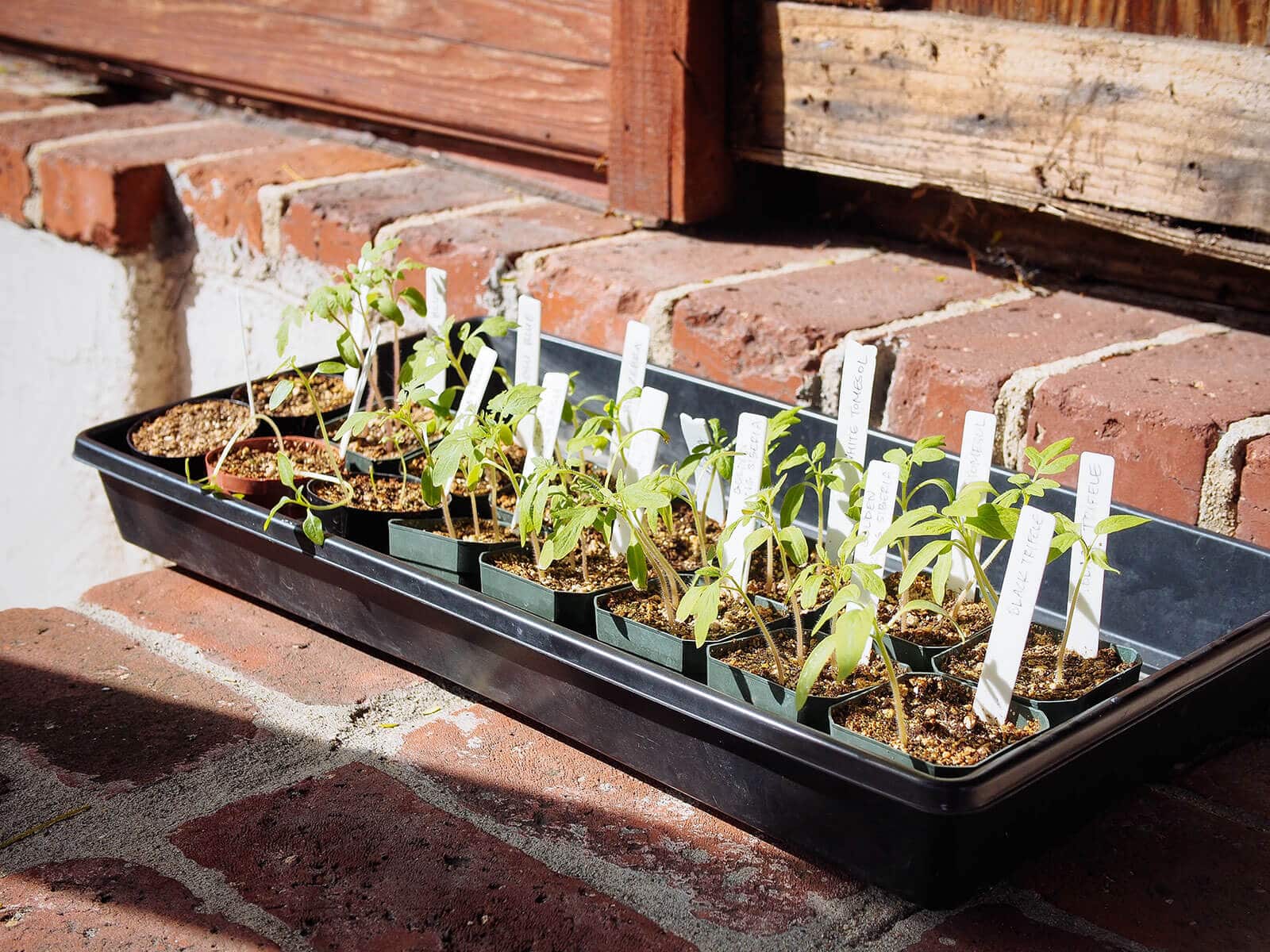
This is my go-to plan for most indoor-started seedlings. Adjust up or down based on your weather and the crop (notes below). The golden rules are: start in shade, increase sun slowly, and add nights last.
Day 1: 30 to 60 minutes (bright shade)
- Place seedlings outside in bright shade for 30 to 60 minutes.
- Avoid midday sun and gusty wind.
- Bring them back indoors.
Day 2: 1 to 2 hours (shade, little breeze)
- Bright shade again.
- If conditions are calm, allow a gentle breeze for a short period to start strengthening stems.
- Bring them back in.
Day 3: 2 to 3 hours (add early sun)
- Give 30 to 60 minutes of early morning sun, then shade.
- Keep an eye on the soil. Trays dry faster outdoors.
Day 4: 3 to 4 hours (1 to 2 hours sun)
- Increase to 1 to 2 hours of sun, ideally morning sun.
- Keep them out of harsh afternoon rays.
Day 5: 4 to 6 hours (2 to 3 hours sun)
- Increase sun exposure gradually.
- Let them experience a bit more air movement, but avoid strong gusts that can snap stems.
Day 6: Most of the day (shade break)
- Leave seedlings outside most of the day.
- If afternoon sun is intense, give a midday shade break, for example move them into shade from about 11 a.m. to 3 p.m..
- Bring them in for the night.
Day 7: Full day (match planting conditions)
- A full day outside in the conditions they will be planted into.
- If nights are mild for your crop, you can consider leaving them out overnight in a protected spot. Overnight should also mean sheltered from surprise wind, pounding rain, and curious critters.
Days 8 to 10 (optional): Add overnights
- Leave seedlings outdoors day and night if temperatures are within their safe range.
- Protect from heavy rain, strong wind, or an unexpected cold dip (row cover and cold frames shine here).
My little reality check: if your schedule gets interrupted by storms or a sudden cold snap, do not “make up” time by jumping ahead. Just repeat the last successful day and continue.
Adjust for plant type
Fast adapters
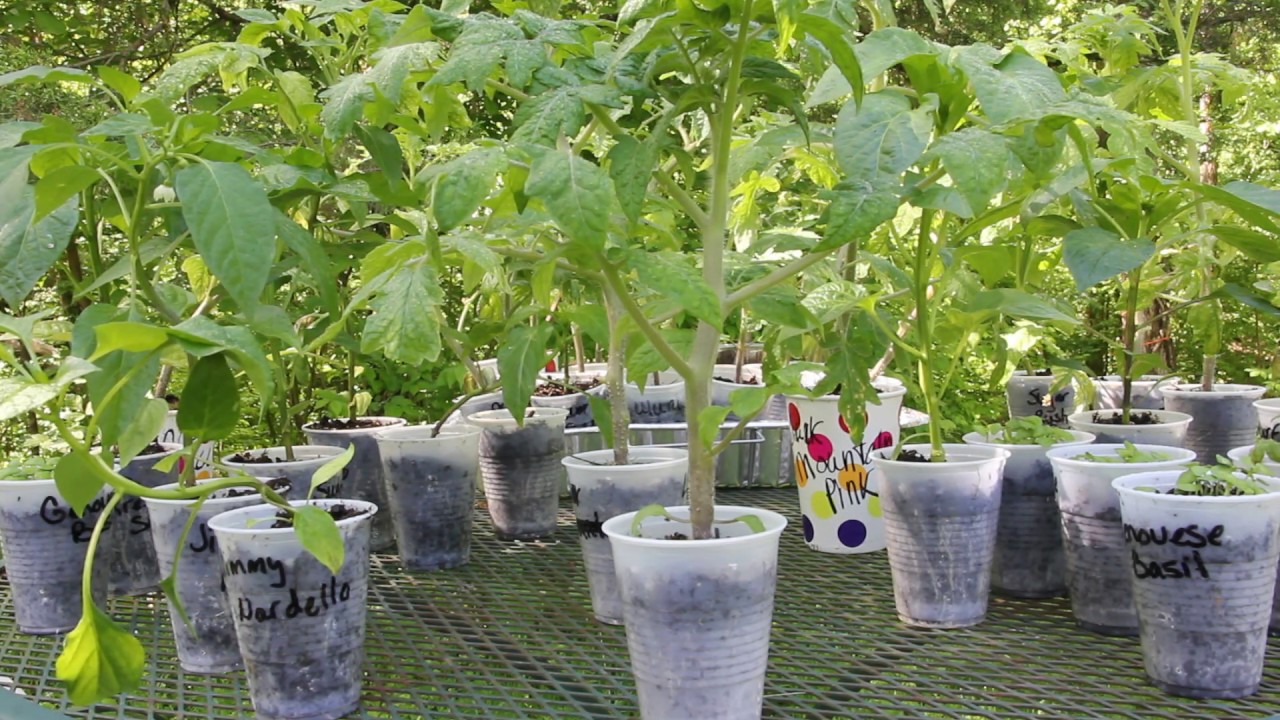
Lettuce, brassicas, onions, and many cool-season flowers often harden off quickly, especially when temperatures are mild. You may be able to shorten the process to 5 to 7 days.
Once hardened, many cool-season seedlings (think kale, broccoli, pansies) can tolerate light frosts, depending on variety and how gradual the acclimation has been. Still, “tolerate” does not mean “love,” so cover them if a hard freeze is coming.
Slow and steady crops
Peppers, eggplant, basil, cucumbers, and other warm-season crops tend to be more dramatic about cold nights and intense sun. I give these a full 10 days whenever I can, and I am cautious with overnight exposure until nights are truly warm. Warm-season crops are not frost tolerant, even after hardening off.
Very tender seedlings
Anything recently potted up or recovering from stress (damping-off scares, missed watering, or root binding) benefits from a gentler ramp. Keep them in bright shade longer and increase sun exposure in smaller increments.
Watering (the part that trips people up)
Outdoor air usually means faster drying. A seedling that was fine indoors for 24 hours can be bone-dry after a breezy afternoon outside.
- Check moisture twice a day during hardening off.
- Water early so leaves dry quickly and disease pressure stays low.
- Water thoroughly until it drains from the bottom, then let the mix lightly dry again. Constant soggy mix plus cool nights is a recipe for stress.
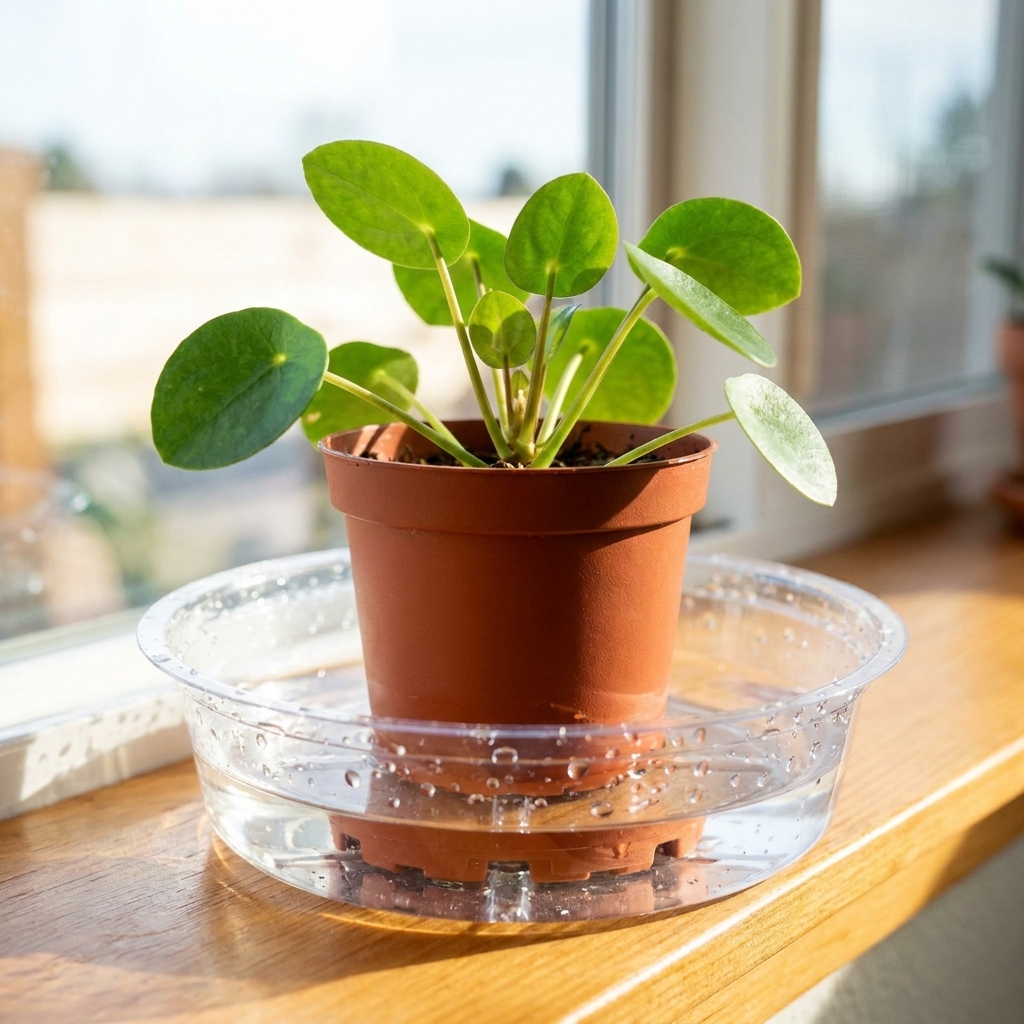
If you are hardening off in cell packs, consider setting trays inside a shallow bin so you can bottom-water when needed, but do not leave them sitting in water for hours.
Common mistakes
1) Full sun on day 1
This is the classic seedling sunburn scenario. Leaves can turn pale, get white patches, or develop crispy edges. Start in shade, then introduce early morning sun before midday sun.
2) Forgetting wind
Wind pulls moisture from leaves and can physically damage tender stems. Begin in a sheltered spot and slowly increase air exposure.
3) One bad dry-out
One deep dry-out can stunt seedlings and set them back even if they perk up later. During hardening off, soil checks are non-negotiable.
4) Starting in cold weather
Chilling slows growth. Some seedlings can handle it, others will sit there sulking for weeks. If nights are still cold, harden off during the day but bring them in at night until temperatures are appropriate for that crop.
5) Pounding rain too soon
A gentle rain is fine once seedlings are tougher, but a heavy downpour can shred leaves, compact potting mix, and tip trays. If storms roll in, tuck them under cover.
6) Overfeeding or fiddling
High nitrogen can push soft growth that burns more easily. If your seedlings need feeding, use a light, balanced fertilizer and focus on good light and consistent moisture instead of force-feeding.
Also, avoid major pinching or pruning right before or during hardening off. Save the “haircut” for after they are settled in.
Signs you are done
You are looking for subtle, sturdy confidence:
- Leaves look slightly thicker and hold their posture outdoors.
- Stems feel firmer, not floppy.
- Plants do not wilt quickly in normal outdoor conditions.
- Color remains steady, with no new bleaching or crispy patches.
If they still wilt within minutes outside, slow down. Repeat a “shade day” and try again.
Transplant day
Even perfectly hardened-off seedlings appreciate a careful transplant.
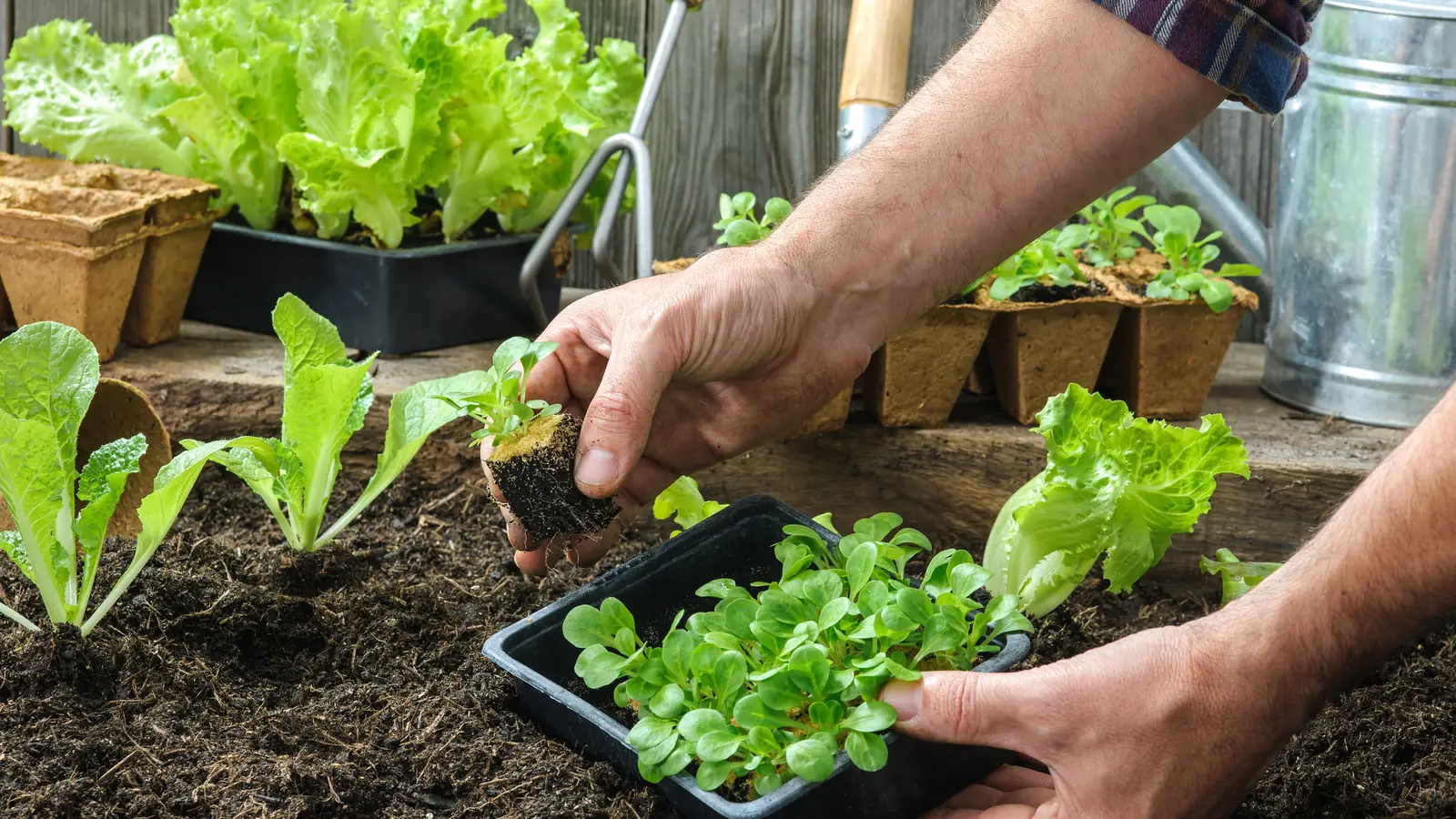
- Plant in the late afternoon or on an overcast day to reduce stress.
- Water the seedlings before transplanting so root balls slide out intact.
- Water the planting hole if soil is dry.
- Provide temporary shade for 1 to 3 days if the sun is intense (a piece of shade cloth, a lightweight row cover, or even an overturned crate works).
Troubleshooting
My seedlings got sunburned. Should I bring them back inside?
If the forecast is mild, keep hardening off but move back to bright shade for a couple of days. Remove only fully crispy leaves. Partly bleached leaves can still contribute some energy, but focus on protecting and supporting new growth, which is where the comeback happens.
They wilt every time I take them out.
That is usually wind plus low humidity. Use a more sheltered spot, shorten outdoor time, and make sure moisture is consistent. Also check whether they are root-bound, which makes them dry out faster.
Can I harden off near an open window?
An open window helps with temperature and a tiny bit of airflow, but it does not replicate UV intensity and wind. It is a helpful step, not a full substitute. If outdoor access is limited, use a balcony, stoop, or even a bright outdoor stair landing for short intervals.
Do I need to harden off store-bought transplants?
Sometimes. Plants from a greenhouse are often somewhat hardened, but they can still scorch if they go straight into hot sun. Give them at least a few days of gradual exposure, especially if you are planting into full sun and windy conditions.
Quick checklist
- Start in bright shade, not sun.
- Add morning sun first, then extend exposure.
- Increase wind exposure gradually.
- Keep moisture consistent, check twice daily.
- Add overnights last, and only within the crop’s temperature comfort zone (and in a protected spot).
- Transplant on a calm, mild day when possible.
If you take one thing from all of this, let it be this: hardening off is not a rigid rulebook. It is paying attention, making small adjustments, and giving your seedlings time to build resilience. Your future garden will thank you with faster growth and fewer “why are you not doing anything?” weeks after planting.