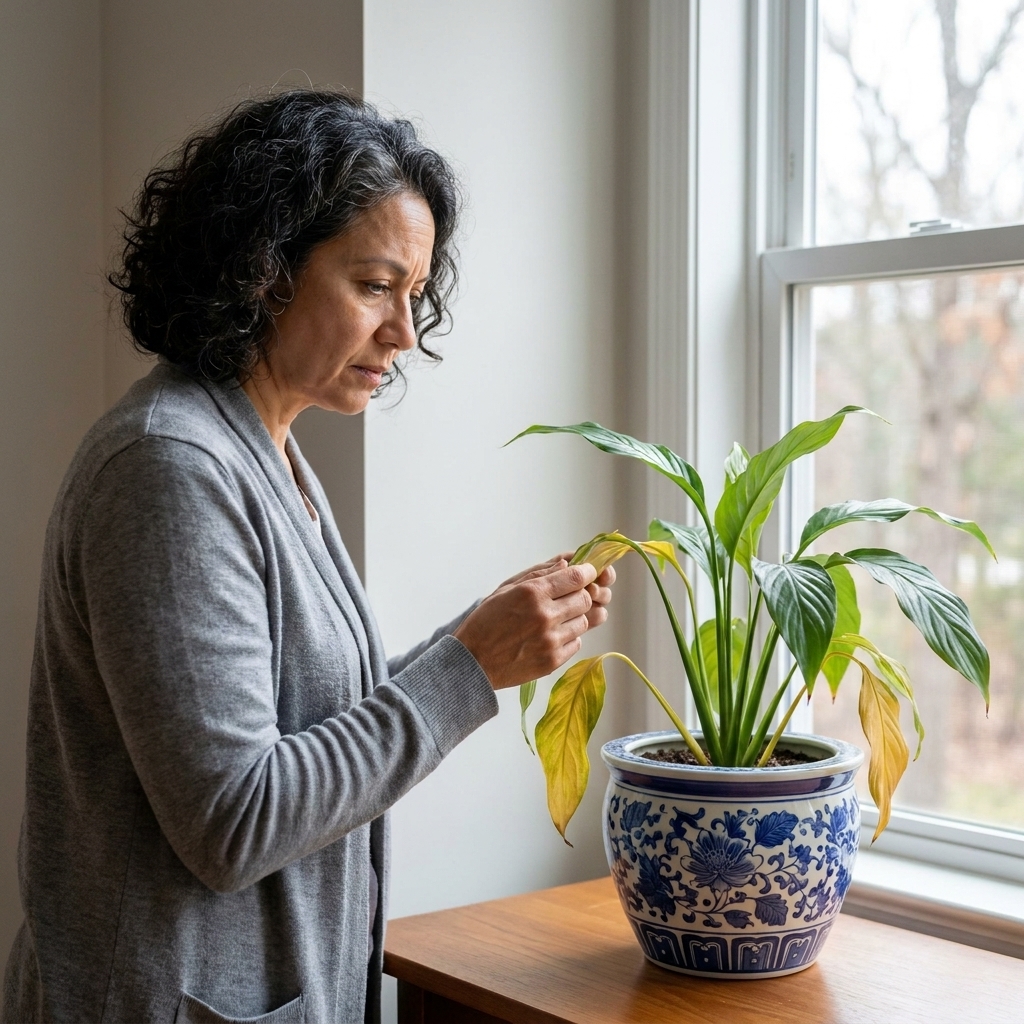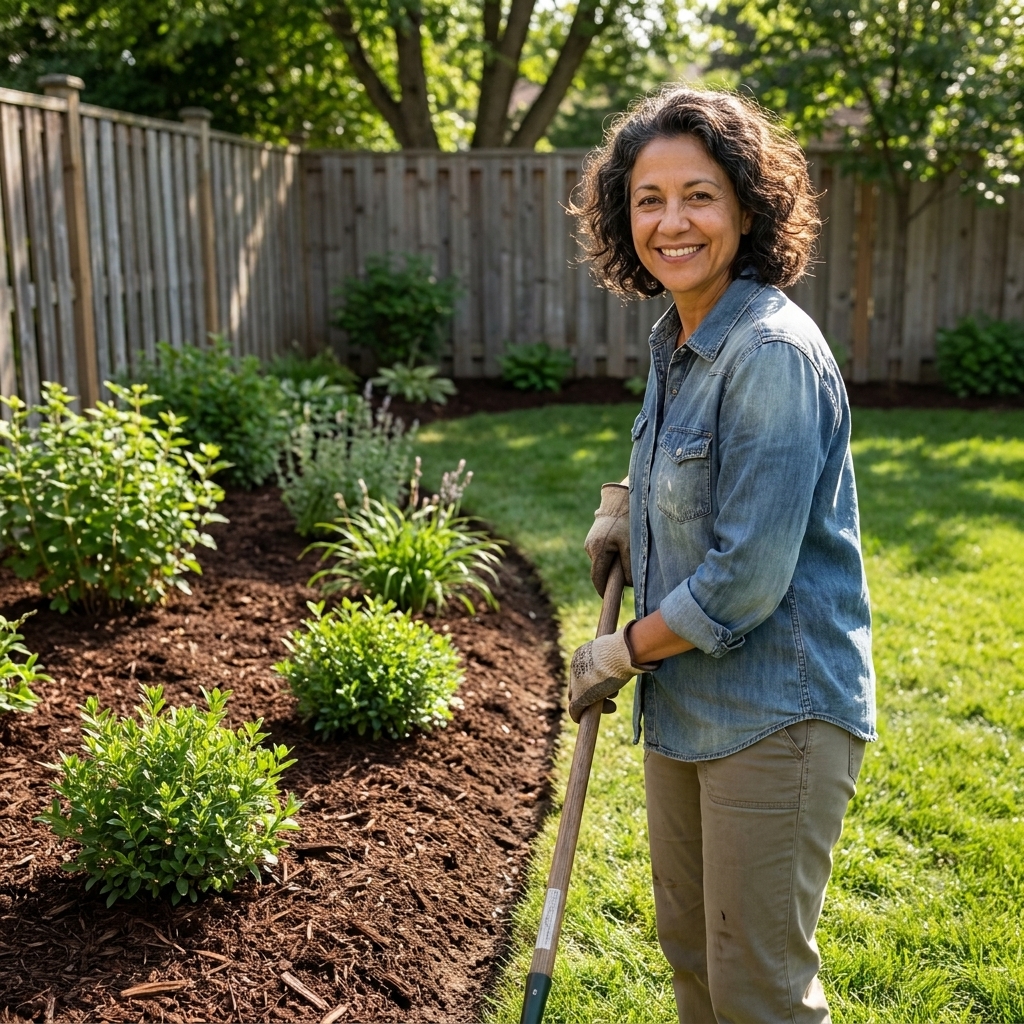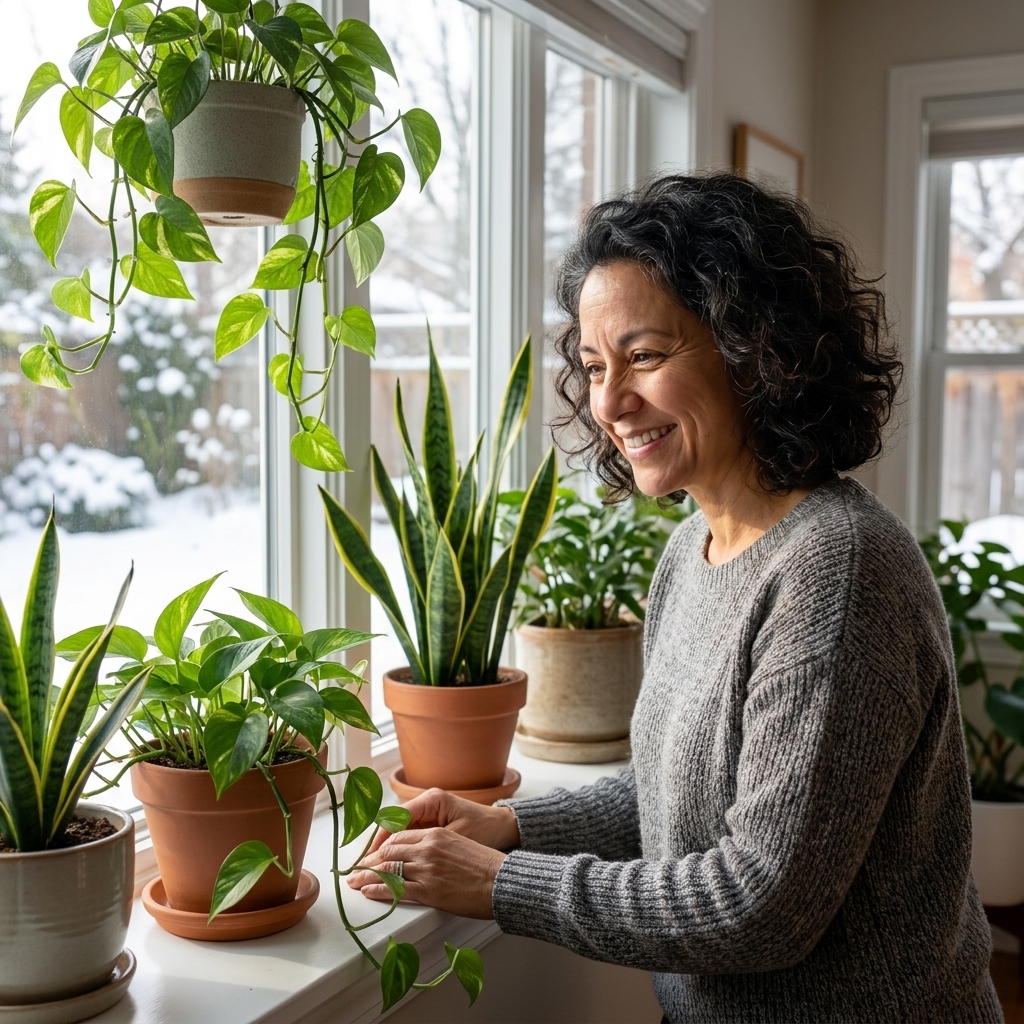
Winter can be tough on houseplants. Learn how to adjust watering, boost humidity, and maximize low winter light so your indoor plants stay happy until spring.
Gardening insights
Protect Outdoor Potted Plants from Winter Frost in 5 Steps
Keep your container garden alive through cold snaps with five practical steps: know plant limits, use microclimates, insulate pots, adjust watering, and cover smartly on frost nights.

Elena Rosales
Elena Rosales is a certified Master Gardener and lifelong plant enthusiast who believes anyone can cultivate a green thumb. After transforming her tiny urban balcony into a thriving plant oasis, she moved to a half-acre homestead to grow her own food and flowers. Today, she shares practical, hands-on gardening advice to help the Hortello community bring more green into their lives.
Published September 21, 2026
Updated September 21, 2026
If you garden in containers, you already know the truth: pots feel winter first. Roots in the ground have the earth’s insulation. Roots in a pot have… a thin wall of plastic, terracotta, or ceramic between them and freezing air. The good news is that you do not need a greenhouse to get your outdoor potted plants through winter. You just need a plan.
Below is my five-step frost protection checklist. It’s the same routine I use on my patio and around my homestead when the forecast starts whispering “overnight lows.” I have also learned it the hard way, including one memorable season when I wrapped everything except the pot bottoms and basically created tiny ice buckets. We live, we learn.
Quick note on pot size: small pots freeze fast and thaw fast, which is rough on roots. Big tubs change temperature more slowly and are generally easier to overwinter.
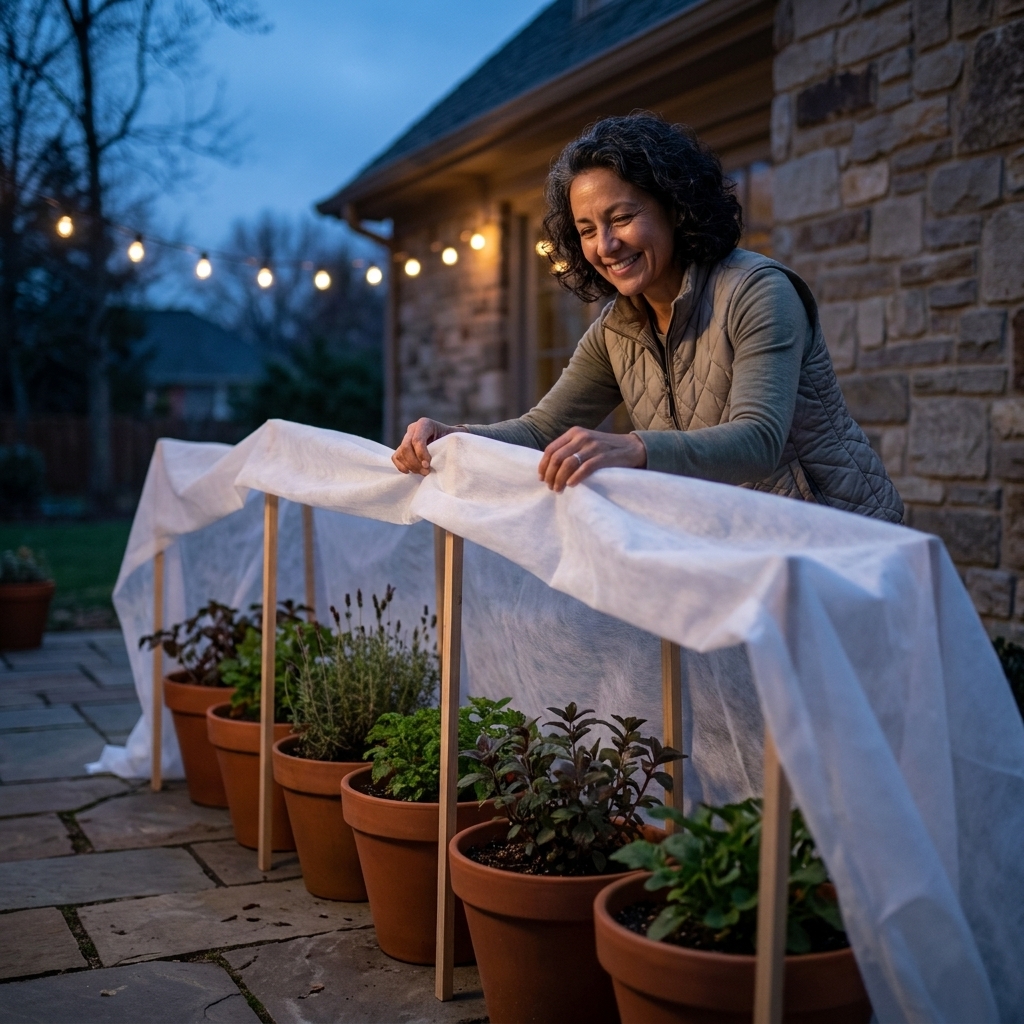
Step 1: Know what you are overwintering
Before you haul out bubble wrap or run for a frost blanket, take five minutes to identify what is actually in your pots and what it can tolerate. This step saves the most effort because not every plant needs the same level of protection.
Reality check: roots in pots are less hardy
A plant that is rated to handle cold in-ground often needs extra help in a container. A common rule of thumb is that a potted plant often behaves about one to two hardiness zones less hardy than the same plant in the ground, depending on pot size, material, wind exposure, and how wet the soil stays.
- True annuals (basil, petunias): frost ends the season. Plan to harvest, compost, or bring indoors.
- Tender perennials and tropicals (citrus, rosemary in cold climates, succulents): bring inside or into a protected, bright, frost-free spot.
- Hardy perennials and small shrubs (lavender, hardy herbs, some hydrangeas): often overwinter outdoors with pot and root protection.
Hydrangea heads up: some types can survive winter in a pot but still lose flower buds after a hard season. Hardy types like panicle hydrangea tend to be more forgiving, while bigleaf types can be finicky.
Tip: If you still have the plant tag, look for USDA zone info or a minimum temperature rating (for example, “to 10°F”). If not, a quick ID now is easier than guessing later when the wind is howling.
Step 2: Use microclimates
Where you place containers can matter as much as what you wrap them with. Think of your yard, balcony, or porch as a collection of tiny climate pockets.
Best winter spots for containers
- Against a house wall, especially brick or stone, which absorbs heat during the day and releases it at night.
- Under an eave or overhang to reduce exposure to clear night sky and to keep pots from getting waterlogged by winter rain or snow melt. Just remember: under cover also means less natural watering, so check moisture now and then.
- In a corner where two walls block wind (wind is sneaky, it strips heat and dries plants out).
- Out of the open if possible. Clear night skies increase radiational cooling, which encourages frost.
Avoid: The middle of an open patio, the top of windy stairs, or anywhere water pools and re-freezes.
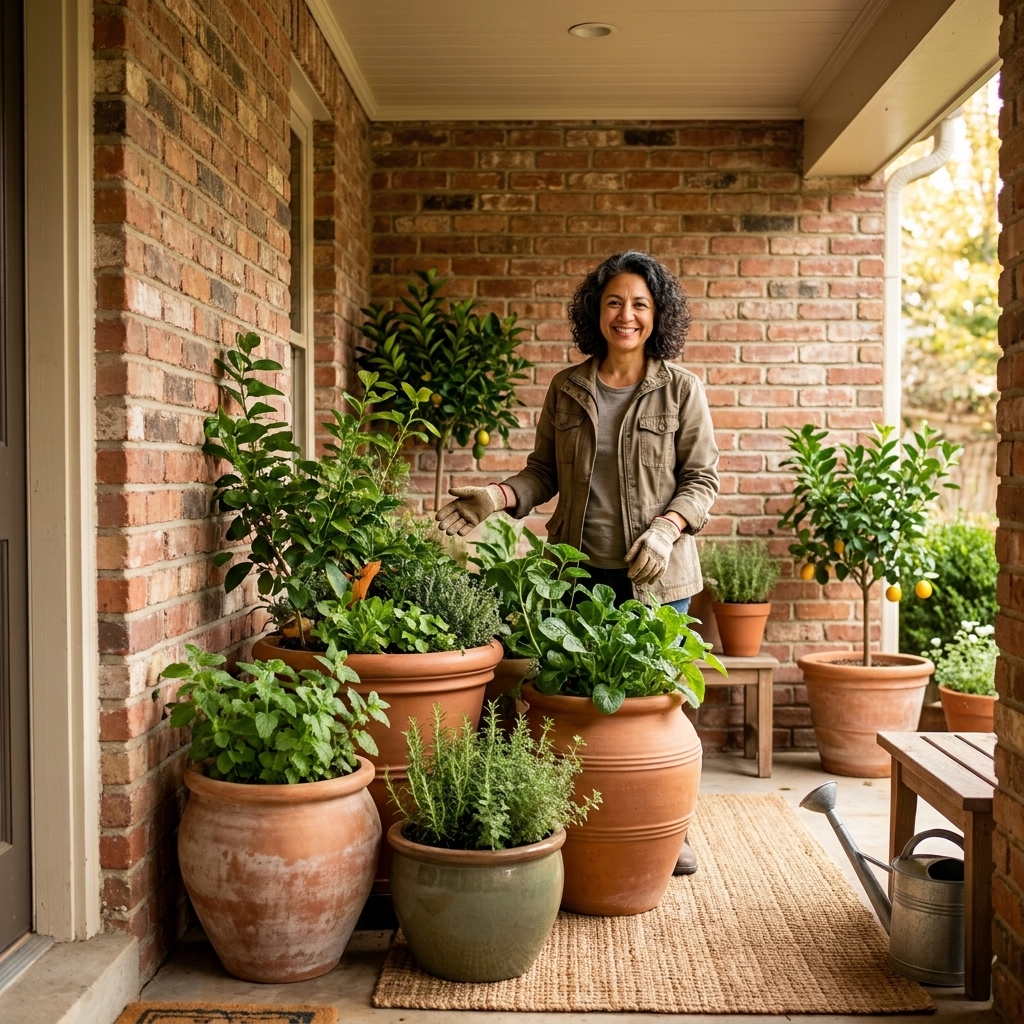
Small move, big payoff: Cluster pots together so they share warmth and reduce wind exposure. I like to put the most tender plants in the middle of the group.
Step 3: Insulate the pot
Most winter damage in containers happens below the soil line. Leaves might look fine after a light frost, but repeated freeze and thaw cycles can kill fine feeder roots. Your goal is to slow temperature swings around the root ball.
Simple insulation options (pick what you have)
- Wrap pots with burlap, old blankets, moving pads, or frost cloth. Secure with twine.
- Add a buffer layer like bubble wrap under burlap (keep bubble wrap out of direct sun to slow UV breakdown).
- Mulch the soil surface with 2 to 4 inches of straw, shredded leaves, or pine needles to protect the crown and reduce heaving.
- Double-pot: place the nursery pot or smaller container inside a larger one and fill the gap with straw or dry leaves.
Do not forget the bottom
If your pot sits directly on cold concrete or stone, it will chill faster. Lift it slightly with pot feet, bricks, scrap wood slats, or a piece of rigid foam insulation. This also helps drainage holes stay open.
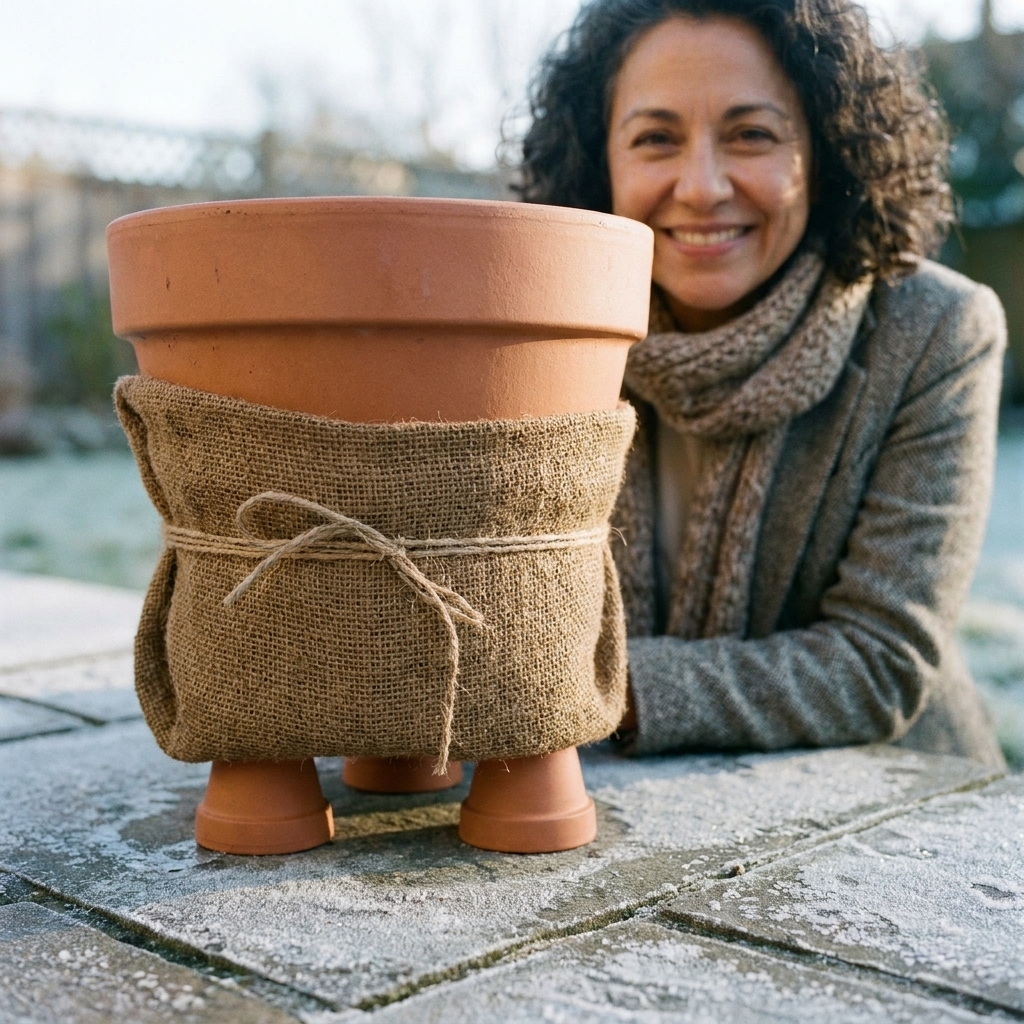
Container material matters: Terracotta and ceramic can crack in freeze and thaw cycles, especially if they stay wet. If you have borderline-hardy plants in these pots, consider slipping the whole pot into a sheltered area or overwintering the plant in a cheaper nursery pot and storing the nice container dry.
Step 4: Water differently
Winter watering is where a lot of well-meaning gardeners accidentally do damage. In cold weather, plants use less water, soil dries more slowly, and soggy mix freezes harder. But completely dry soil can also be a problem, especially for evergreens and winter-active perennials.
The winter watering sweet spot
- Water earlier in the day so extra moisture can drain before nighttime freezes.
- Check soil first: stick a finger 1 to 2 inches down for small and medium pots. For big tubs, check a little deeper if you can, or use a simple moisture meter.
- Prioritize evergreens (boxwood, conifers, hardy herbs) because they lose moisture through their leaves even in cold weather.
- Drainage stays non-negotiable: make sure holes are clear.
- Skip the saucers in winter: remove them entirely if possible. Freezing rain can refill a saucer fast and block drainage before you even notice.
Heads up: If the soil is frozen solid, do not force water in. Wait for a mild day when the top layer thaws, then water gently.
Also worth doing: avoid late-season fertilizing that pushes tender new growth. And be careful with fall pruning on spring bloomers, since you can prune off next year’s flower buds.
Step 5: Cover on frost nights
When a frost advisory pops up, coverings can make the difference between “a little cosmetic damage” and “why is everything limp and black?” The key is to hold onto the day’s stored warmth and reduce radiational heat loss, while keeping the cover from crushing foliage.
Best covers for potted plants
- Frost cloth (also called row cover): breathable and designed for this job.
- Old sheets in a pinch: better than nothing for light frost.
- Upside-down buckets or storage totes for small pots: quick and surprisingly effective for short cold snaps.
How to cover (so it actually helps)
- Cover before sunset to hold heat in.
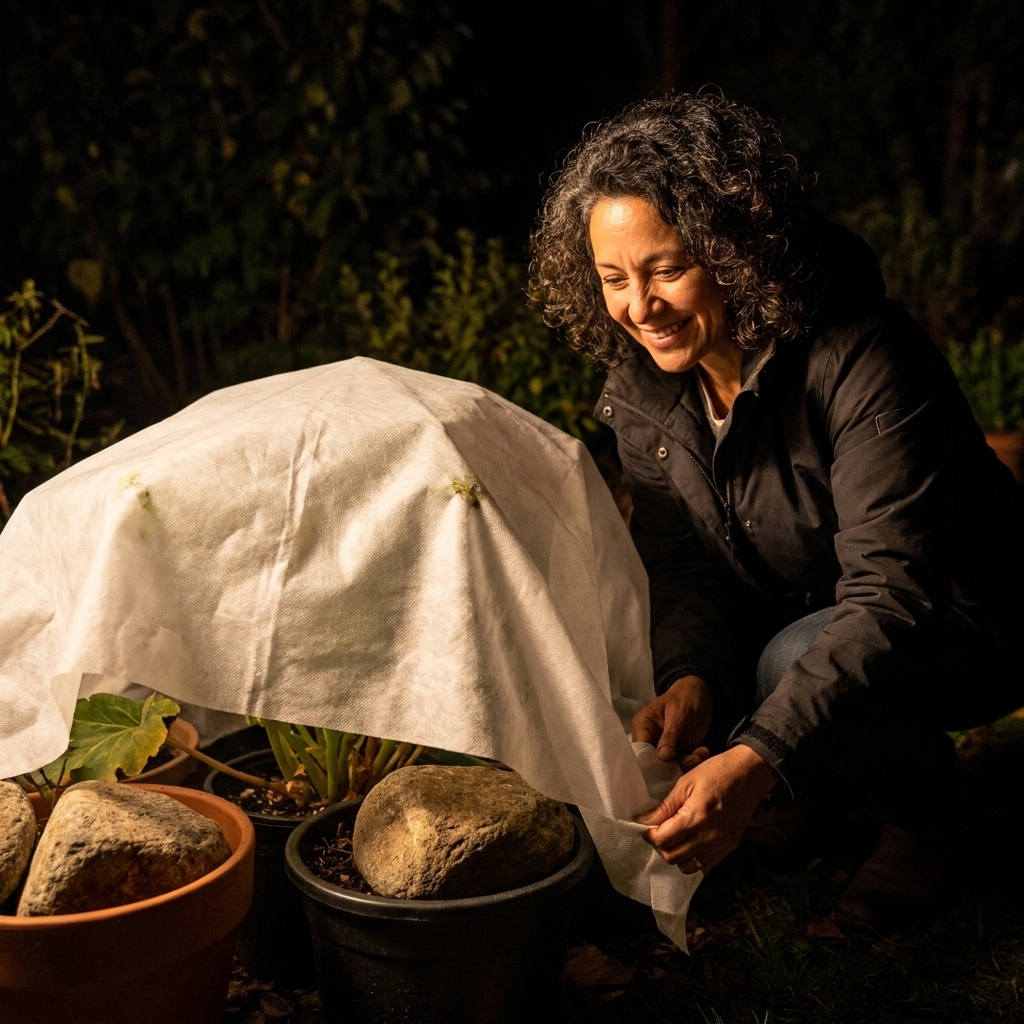
- Anchor to the ground or pot so wind cannot sneak underneath.
- Use stakes or a tomato cage to keep fabric off tender leaves if you can.
- Vent or remove in the morning once temperatures rise above freezing, especially in sun.
- After snow or ice, brush heavy buildup off covers so stems do not snap.
Avoid plastic on leaves: Plastic is not breathable and it can trap condensation that freezes, which is a fast way to get cold damage where it touches foliage. If you use plastic for rain or snow shielding, keep it above the plant like a little roof, not wrapped directly on the greenery.
Troubleshooting
My plant looks fine, then suddenly collapses
That often points to root damage from repeated freeze and thaw. Add more insulation around the pot, cluster with other containers, and reduce exposure to wind.
My pot cracked over winter
Usually a combo of moisture plus freezing. For ceramics and terracotta, keep soil slightly drier, ensure excellent drainage, and move pots under cover if possible. If a container is valuable, consider emptying it for winter and overwintering the plant in a cheaper nursery pot.
Leaves are brown but stems are green
That can be wind burn or sun scorch on cold days, especially for broadleaf evergreens. A windbreak (burlap screen) and consistent, light watering on mild days helps a lot.
Quick frost checklist
- Identify which pots are hardy outdoors and which need to come inside.
- Move containers into a protected microclimate (wall, corner, overhang).
- Insulate pots, lift them off cold surfaces, and mulch the soil surface.
- Water lightly on mild days, remove saucers, and keep drainage holes clear.
- Cover on frost nights, uncover in the morning, and clear snow load when needed.
If you want a second set of eyes on your specific plants and winter lows, leave a note in the comments (or wherever you are reading this) with what you are growing and your typical minimum temperatures, and I can help you decide what can stay out with protection and what should come in until spring.