Curious about bottom watering? Here is what it does well, when it backfires, and exactly how to bottom water without soggy soil, salt buildup, or sad roots.
Gardening insights
Overwatered vs. Underwatered Plants
Not sure if your plant is thirsty or drowning? Learn the telltale signs of overwatering vs. underwatering, plus simple, step-by-step fixes to help stressed houseplants and garden plants bounce back.

Elena Rosales
Elena Rosales is a certified Master Gardener and lifelong plant enthusiast who believes anyone can cultivate a green thumb. After transforming her tiny urban balcony into a thriving plant oasis, she moved to a half-acre homestead to grow her own food and flowers. Today, she shares practical, hands-on gardening advice to help the Hortello community bring more green into their lives.
Published September 21, 2026
Updated September 21, 2026
One of the most common gardening puzzles goes like this: your plant looks sad, so you water it… and it looks more sad. I’ve been there, friends. More than once. The tricky part is that overwatered and underwatered plants can look surprisingly similar at first glance, especially when the leaves are drooping.
The good news is you don’t need a “plant whisperer” gene to figure it out. You just need a few quick checks and a calm plan. Let’s sort out what you’re seeing, then get your plant on the road to recovery.
Start here: the 60-second diagnosis
If you only read one section, make it this one. Before you change your watering routine, do these checks in order.
1) Feel the soil, not the vibes
- Stick a finger into the potting mix. Aim for about 1 to 2 inches (or to the first knuckle), depending on pot size. If it feels wet or cool and spongy, overwatering is likely. If it feels dry and dusty, underwatering is likely.
- Lift the pot. Heavy usually means wet soil. Surprisingly light usually means dry soil.
2) Look for the tells on the leaves
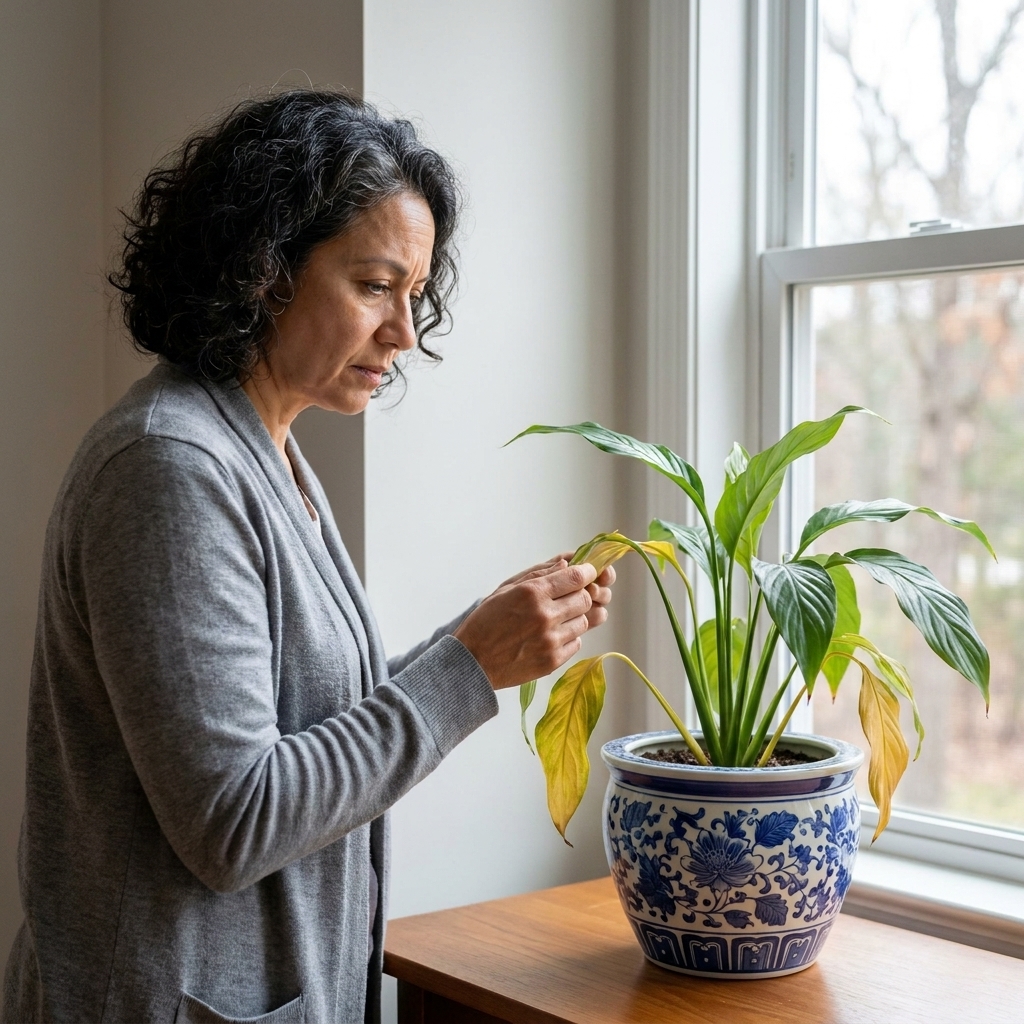
- Overwatered: yellowing, soft leaves, leaf drop, limp stems, sometimes a mushy look.
- Underwatered: dry, crispy edges, curling, leaves that feel thin or papery, and wilting that improves quickly after watering.
3) Check the drainage
If your pot has no drainage hole, or it sits in a saucer that stays full of water, your plant is at much higher risk of overwatering. Roots need oxygen as much as they need moisture. Waterlogged soil squeezes the air out.
4) Sniff for root trouble
Healthy soil smells earthy. If you smell something sour, swampy, or off, suspect root rot from chronic overwatering.
5) Rule out lookalikes
Before you blame watering, do a quick scan for other common troublemakers: pests (like spider mites or thrips), a cold draft or heat blast, a recent repot, or fertilizer salt buildup. Any of those can cause droop, yellowing, or crispy edges that mimic watering problems.
Overwatered plants: signs and fixes
Overwatering isn’t about the amount you pour in one day as much as it’s about how long the soil stays wet. A thorough soak can be great, as long as excess water drains and the mix dries a bit before the next watering.
Common signs
- Yellow leaves (often starting with older, lower leaves)
- Wilting even though the soil is wet
- Soft, mushy stems near the base
- Leaves dropping with little warning
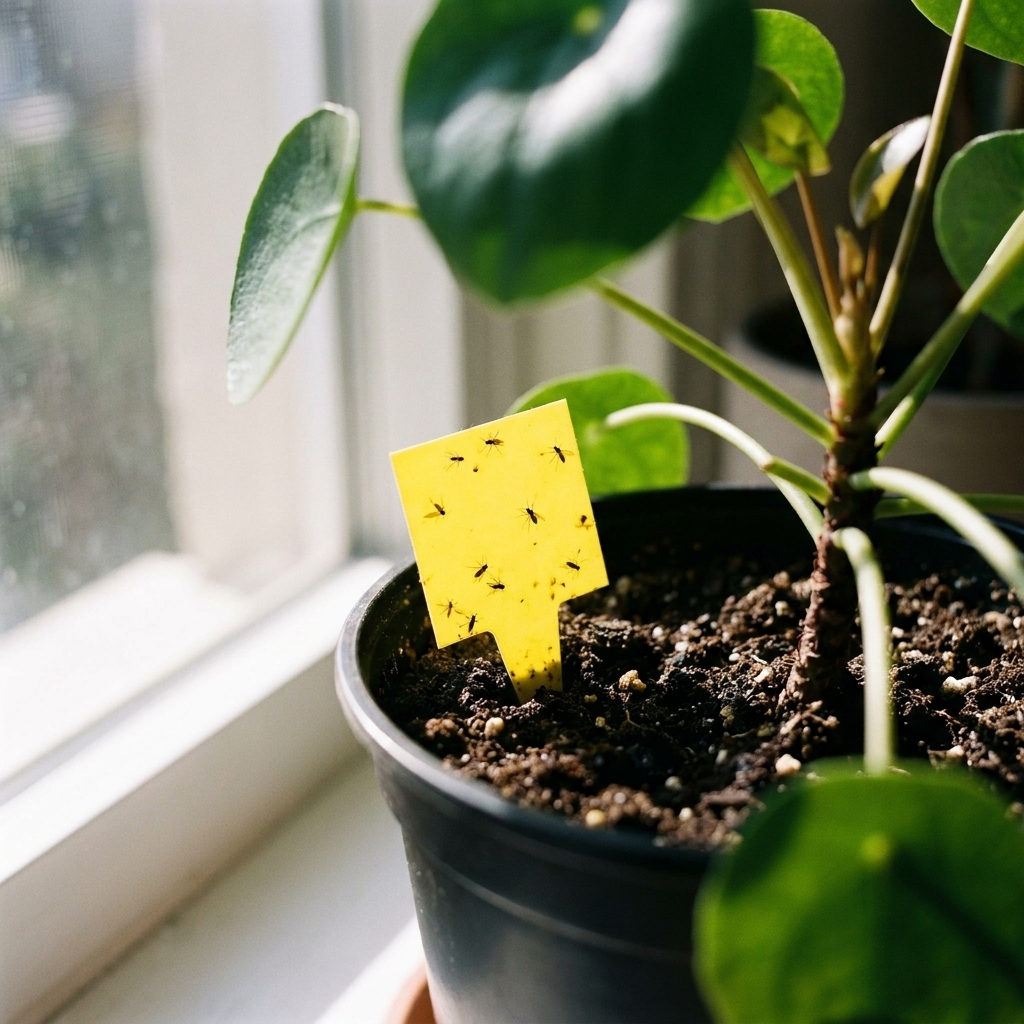
- Fungus gnats hovering around the pot (they love consistently damp mix)
- Musty smell or visible mold on the soil surface
Why it happens
- Watering on a schedule instead of checking the soil
- Poor drainage (no hole, clogged hole, compacted mix)
- Potting mix that holds too much water for the plant type
- Low light or cool temperatures, which slow drying
- Oversized pot, where unused soil stays wet for a long time
- Seasonal slowdown, especially in winter, when many plants drink less
How to save an overwatered plant
Move step by step. Don’t repot in a panic, only do it if the plant truly needs it.
Step 1: Pause watering and increase airflow
- Skip watering until the top few inches dry out (for many houseplants), or until the soil is mostly dry (for succulents and cacti).
- Place the plant in bright, indirect light and make sure there’s decent air circulation.
- Empty the saucer or cachepot after watering. No roots should sit in standing water.
Step 2: If the soil is soggy, speed up drying safely
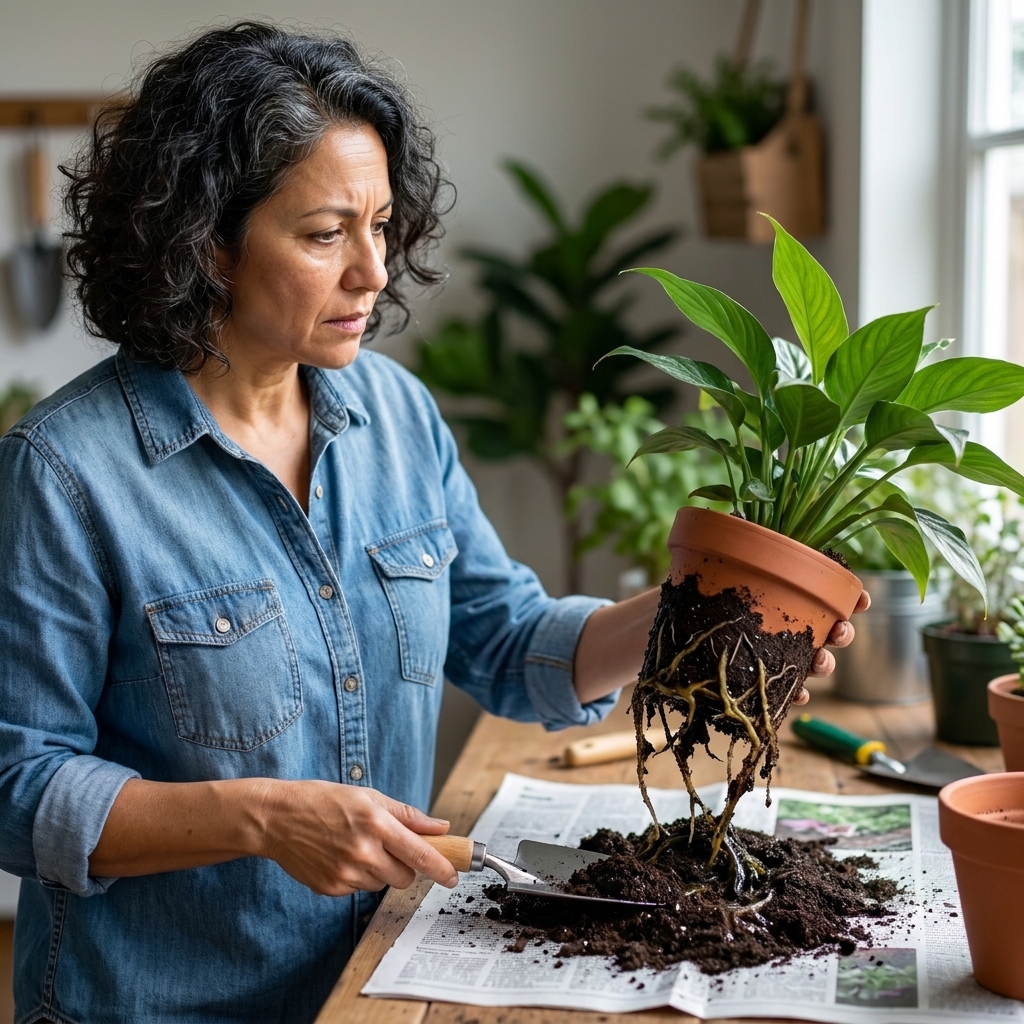
- Unpot and inspect if the plant is very limp and the mix is saturated. Set the root ball on newspaper or a towel for 30 to 60 minutes to wick moisture. Keep it out of direct sun and strong wind, and don’t let it dry bone-dry.
- Loosen the surface gently with a chopstick to improve airflow, without tearing roots.
Step 3: Check roots for rot
Healthy roots are typically firm and pale (white to tan). Rotting roots are brown or black, mushy, and may smell unpleasant.
- Trim rotted roots with clean scissors.
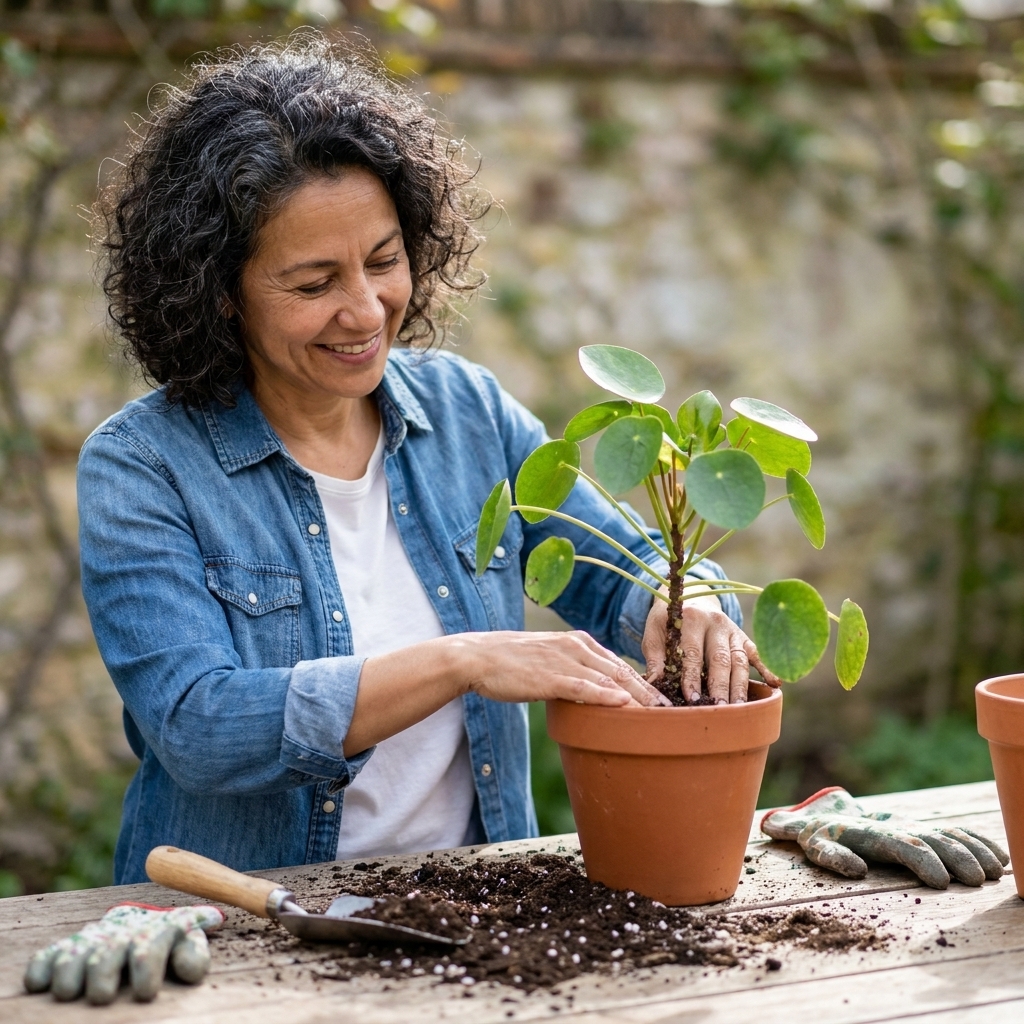
- Repot into fresh, well-draining mix.
- Choose a pot with a drainage hole, ideally only 1 to 2 inches wider than the root ball.
Step 4: Water differently going forward
When you do water again, water thoroughly until it drains, then let the plant dry to its preferred level before the next watering. This soak and dry rhythm keeps roots both hydrated and oxygenated.
One quick reality check: any yellow leaves from this episode probably won’t turn green again. What you’re watching for is improved firmness (turgor) and, eventually, fresh new growth.
Underwatered plants: signs and fixes
Underwatering is usually simpler to fix than overwatering, unless the plant has been dry for so long that roots have died back or the potting mix has turned water-repellent.
Common signs
- Dry, crispy leaf tips or edges
- Leaves curling inward
- Wilting with dry soil
- Potting mix pulling away from the sides of the pot
- Slow growth, smaller leaves, and more frequent droop in warm weather
Why it happens
- Infrequent watering or forgetting during hot, bright, windy spells
- Fast-draining mixes (great for some plants, risky for others)
- Small pots that dry quickly
- Root-bound plants that can’t hold much soil moisture
- Hydrophobic potting mix that repels water after drying out completely (peat-heavy mixes are famous for this)
How to save an underwatered plant
Step 1: Rehydrate deeply (not just a sip)
Water slowly until you see water drain from the bottom. Wait 5 minutes, then water again. This helps evenly moisten dry pockets.
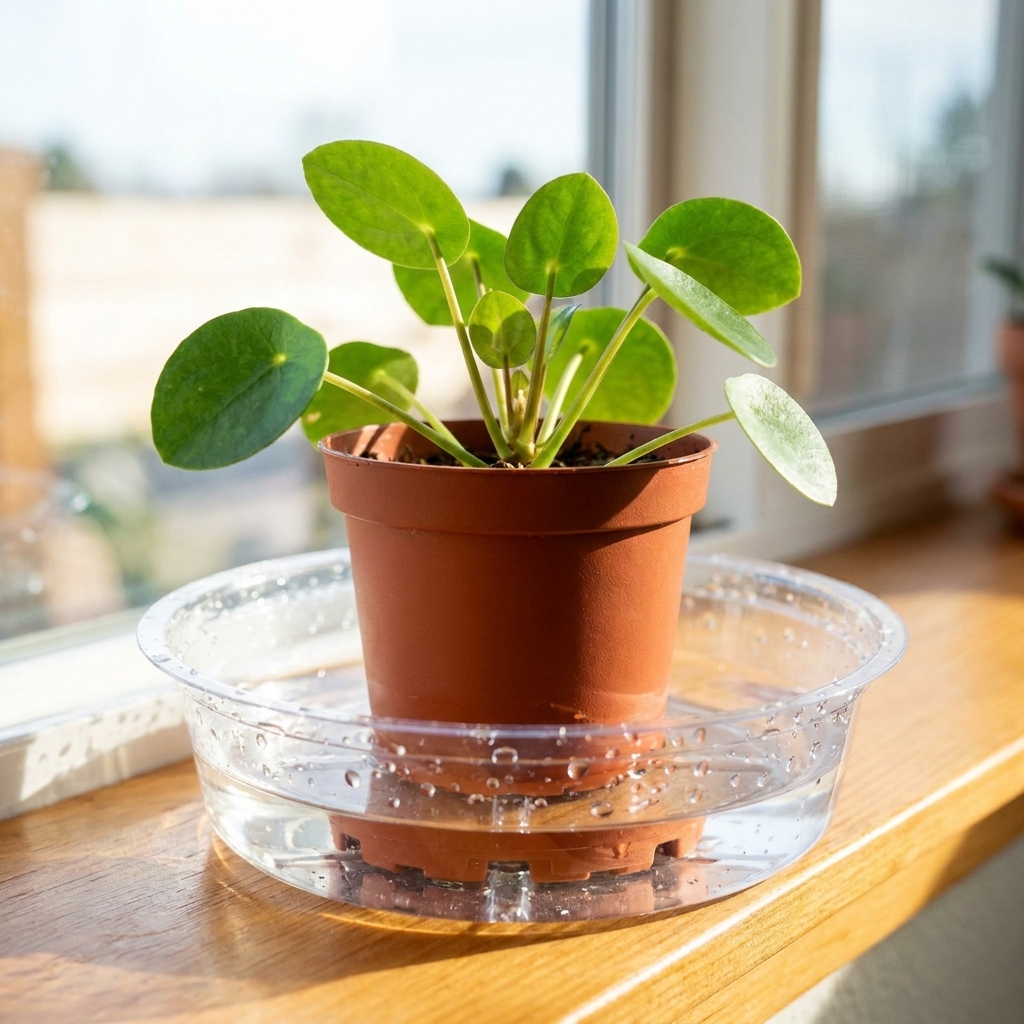
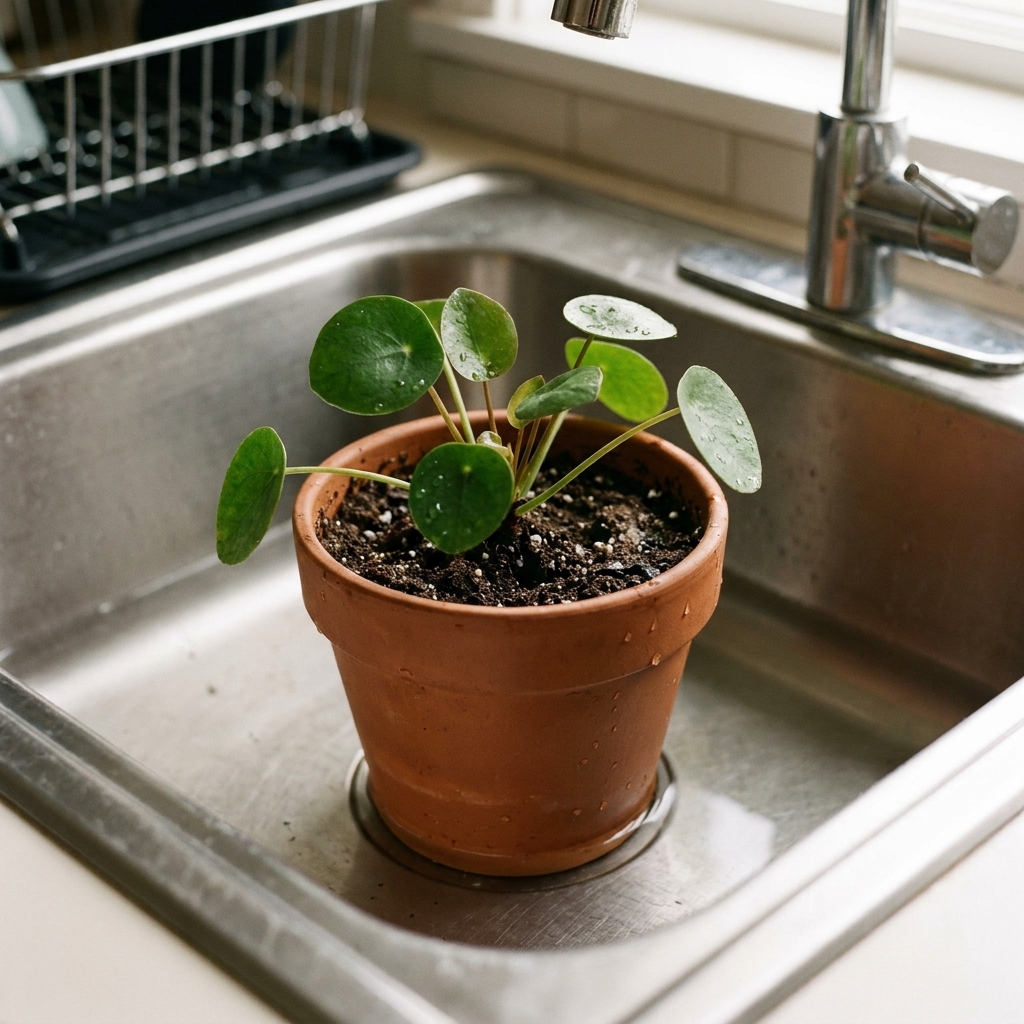
Step 2: If water runs straight through, bottom-water
When mix gets too dry, it can act like a raincoat. Bottom-watering is my favorite reset.
- Place the pot in a basin or sink with 1 to 2 inches of water.
- Let it soak until the top of the mix feels evenly cool and damp, or the surface darkens. This is often 10 to 30 minutes for small pots, and longer for larger ones.
- Remove and let it drain completely. Don’t leave it soaking for hours.
Step 3: Prune the worst damage
Crispy leaves won’t turn green again. Trim dead foliage so the plant can focus on new growth. If only the tips are brown, you can snip just the damaged portion to tidy it up.
Step 4: Adjust your routine
- Check soil moisture more often during heat waves and bright summer windows.
- Consider a slightly larger pot or a less fast-draining mix if your plant dries out daily.
- Add mulch outdoors to reduce evaporation.
Why wilting looks the same
Wilting is basically a plant saying, “I can’t move water the way I need to.”
- Underwatering: there isn’t enough water available in the soil, so leaves lose pressure and droop.
- Overwatering: roots sit in low-oxygen, waterlogged soil and cannot function properly, so the plant still cannot move water upward, even though the pot is wet.
That’s why the finger-in-soil test and root check are more reliable than leaf drama alone.
Plant-specific clues
Succulents and cacti
- Overwatered: translucent, mushy leaves or pads, sudden leaf drop, black spots near the base.
- Underwatered: wrinkling, slight puckering, leaves thinning and curling inward.
Tip: If you’re in doubt, wait a day. Succulents tolerate dryness much better than wet feet.
Tropical houseplants (pothos, philodendron, peace lily)
- Overwatered: yellowing and limpness that doesn’t improve after watering, gnats.
- Underwatered: dramatic wilt that perks up within hours after a thorough drink (peace lilies are famous for this).
Herbs (basil, rosemary, mint)
- Basil: wilts fast when dry, but hates soggy roots. Water when the top inch dries.
- Rosemary: more often killed by overwatering than underwatering. Needs sharp drainage.
- Mint: tolerates more moisture, but still needs drainage to avoid rot.
Outdoor annuals in containers
Hanging baskets and small pots can dry out shockingly fast in summer. If you’re watering daily and they still wilt by afternoon, you may need a larger container, afternoon shade, or a deeper soak in the morning.
When to repot
Repotting isn’t always necessary, but sometimes it’s the fastest way to save the plant.
Repot if:
- Soil stays wet for many days and smells sour
- Roots are brown, mushy, or sloughing off
- The pot has no drainage and the plant is declining
Hold off if:
- The plant is only mildly droopy and the soil is just a bit too wet
- You suspect underwatering and the plant perks up after a deep soak
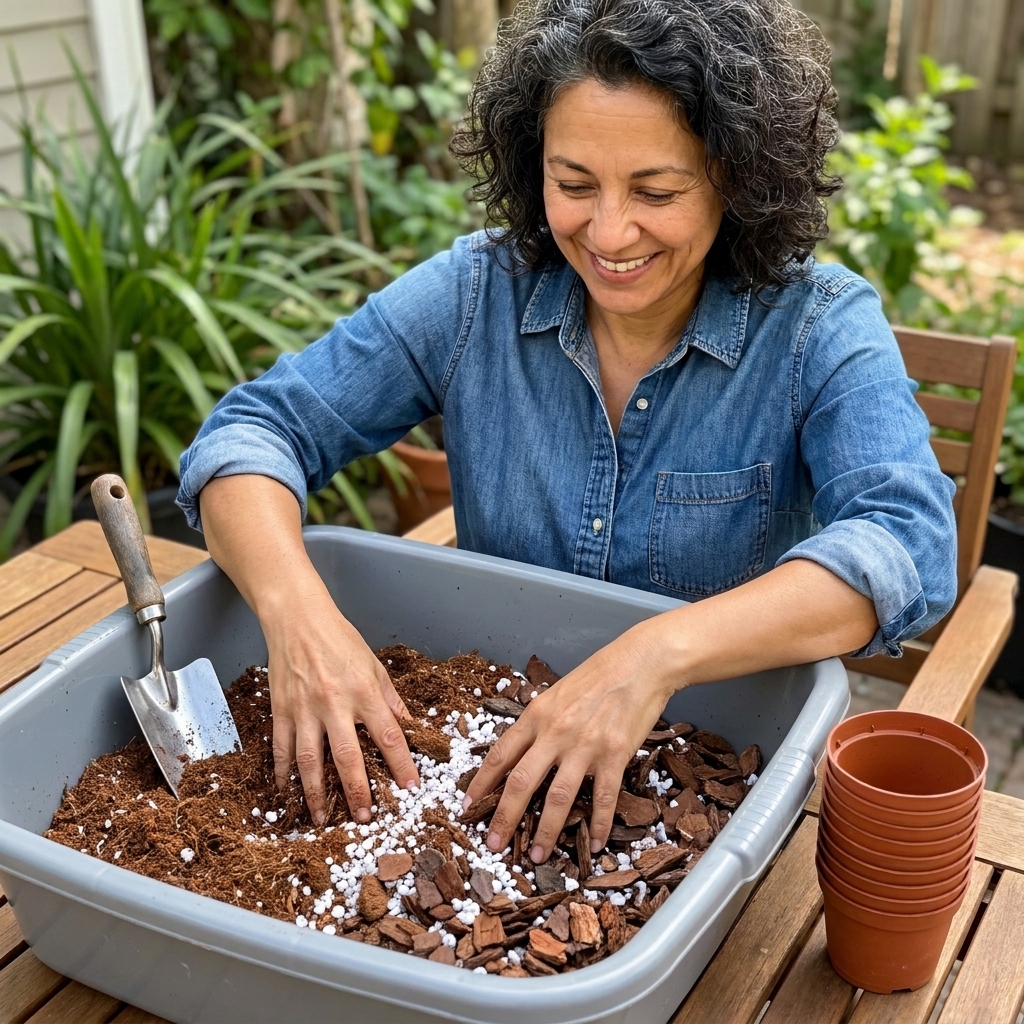
If you do repot, match the mix to the plant. For many houseplants, a quality indoor mix plus extra perlite or orchid bark improves oxygen flow. For succulents, use a cactus mix and consider adding pumice or perlite for even faster drainage.
How to water right next time
Use the check then water rule
I know schedules are comforting. Plants aren’t always cooperative. Instead, set a reminder to check moisture, not to water automatically.
Water thoroughly, then let it drain
- Water until you see steady drainage from the bottom.
- Let it finish dripping before returning it to a saucer.
- Empty any leftover water after 10 to 15 minutes.
Match light and season to watering
In low light, plants drink slowly. In bright light and warm temps, they drink faster. In winter, many slow down and need less frequent watering. If you moved a plant to a darker corner for aesthetic reasons (guilty), it may need less water than it used to.
Consider a moisture meter, but don’t worship it
Moisture meters can help beginners, but they’re not perfect. Use them as a second opinion alongside your finger test and pot weight.
Common scenarios
My plant is drooping and the soil is wet
Pause watering. Improve drainage and airflow. If it doesn’t improve within a few days, check roots for rot.
My plant is drooping and the soil is dry, but watering didn’t help
Suspect hydrophobic soil or dead roots from severe drought. Try bottom-watering, then monitor for new growth. If it stays limp, unpot and inspect roots. A root-bound plant may need a pot size up.
Leaves are yellowing. Is that always overwatering?
No. Yellowing can also come from low light, nutrient issues, natural aging of old leaves, temperature stress, or pests. But if yellowing is paired with wet soil and leaf drop, overwatering jumps to the top of my suspect list.
Fungus gnats appeared out of nowhere
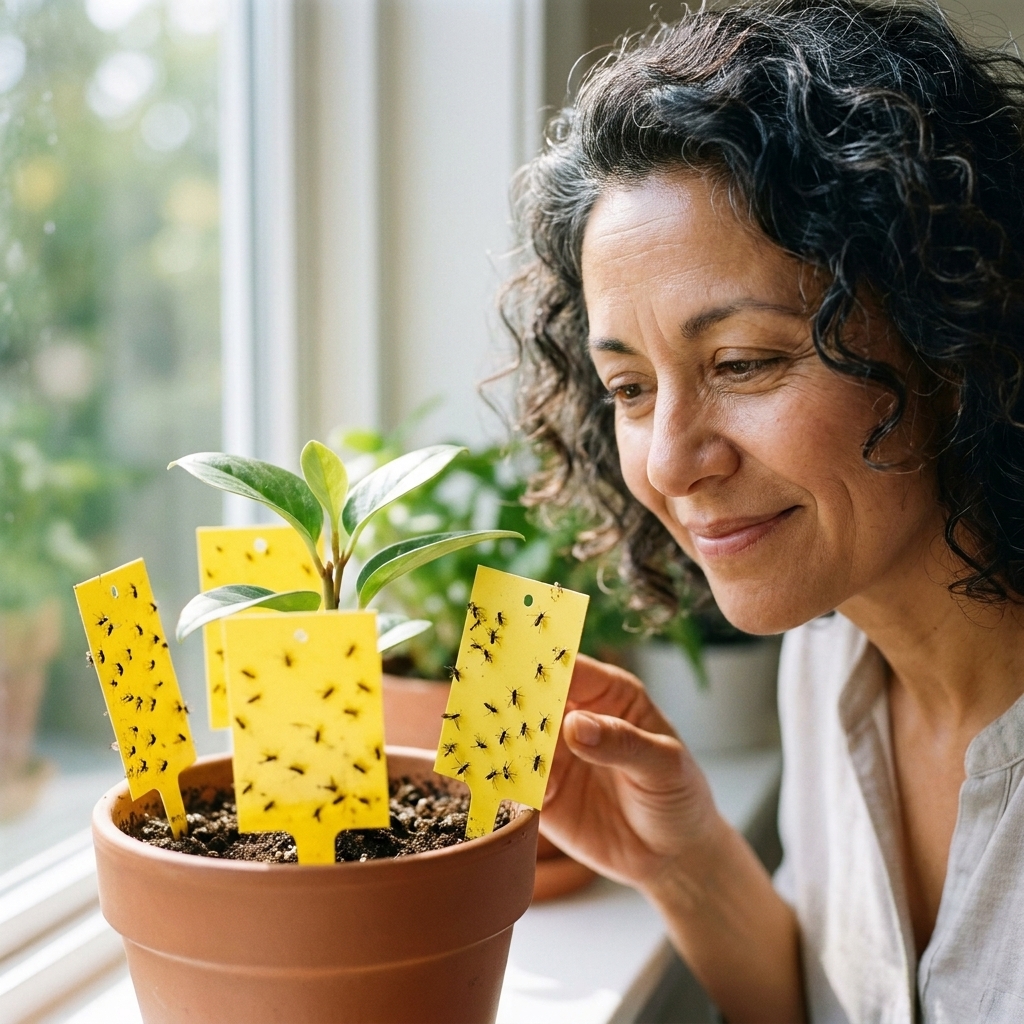
They usually show up when the top layer stays consistently damp. Let the mix dry more between waterings, use yellow sticky traps, and consider a BTi drench (commonly sold for gnat larvae).
Optional: some people top the soil with horticultural sand or diatomaceous earth to discourage adults from laying eggs. It can help if kept dry on the surface, but it’s not a magic fix, and you don’t want to smother airflow to the roots.
FAQ
How long does it take an overwatered plant to recover?
If it’s mild, drooping can improve in a few days once oxygen returns to the root zone. Cosmetic recovery takes longer, and damaged yellow leaves won’t revert. If roots were damaged, recovery can take several weeks, and you’ll be watching for new growth as the real sign of improvement.
Should I fertilize a stressed plant?
Not right away. Fertilizer is like asking someone with the flu to run a marathon. Wait until you see healthy new growth, then feed lightly during the plant’s active season.
Can I save a plant with severe root rot?
Sometimes. Trim all mushy roots, repot into fresh mix, and water sparingly. For plants that root easily (pothos, many philodendrons), it can be smarter to take healthy cuttings as backup while you rehab the mother plant.
Is it better to water in the morning or evening?
Outdoors, morning is generally best because foliage dries faster and plants are ready for the day’s heat. Indoors, timing matters less than consistency and good drainage.
A final pep talk
If you’ve ever killed a plant with too much love, welcome to the club. I chaired a whole chapter after the Great Zucchini Invasion of 2019, which was less about watering and more about my confidence outpacing my common sense. The win here isn’t perfection. It’s paying attention.
Check the soil, look at the roots when needed, and remember that most plants would rather swing a little dry than stay soggy. You’ve got this.