A step-by-step, no-panic guide to diagnosing yellow houseplant leaves and getting your plant back to healthy green growth.
Gardening insights
Why Are My Vegetable Plants Turning Yellow?
Yellow leaves in the veggie garden are common, but they are fixable. Learn 5 likely causes, how to diagnose them fast, and simple organic fixes that get plants growing healthy again.

Elena Rosales
Elena Rosales is a certified Master Gardener and lifelong plant enthusiast who believes anyone can cultivate a green thumb. After transforming her tiny urban balcony into a thriving plant oasis, she moved to a half-acre homestead to grow her own food and flowers. Today, she shares practical, hands-on gardening advice to help the Hortello community bring more green into their lives.
Published September 21, 2026
Updated September 21, 2026
Few things make a gardener’s stomach drop faster than walking out with your coffee and spotting it: yesterday’s lush tomato plant has leaves the color of weak lemonade. Before you panic (or start throwing fertilizer at everything), take a breath. Yellowing leaves are a symptom, not a diagnosis.
In my early balcony-gardening days, I used to treat every yellow leaf like an emergency and respond with… enthusiasm. Sometimes that “help” made things worse. The good news is that most causes of yellowing are easy to narrow down if you look at where the yellowing shows up, how fast it’s spreading, and what the soil is doing.
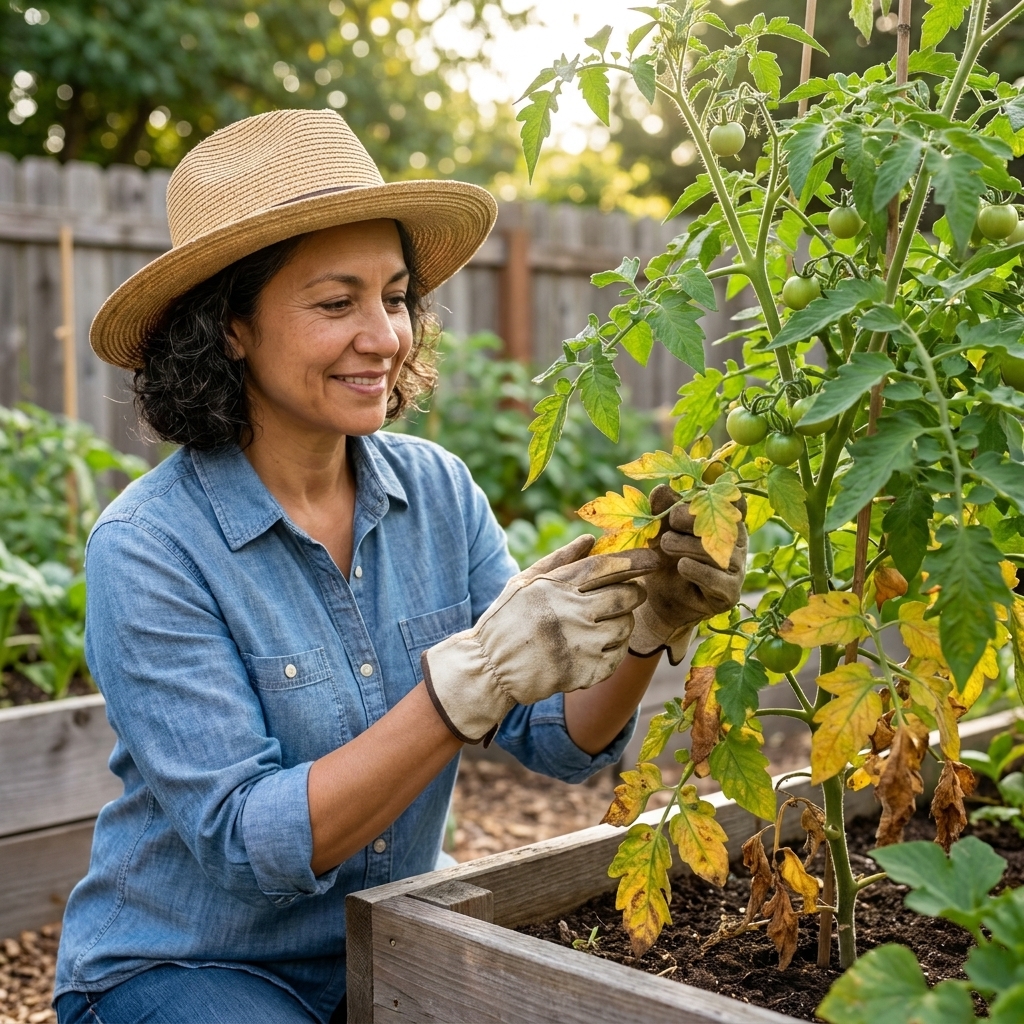
Below are five of the most common reasons vegetable plants turn yellow, plus fixes you can start today.
First: a quick yellow-leaf check
Before we get into the five causes, do this 60-second scan. It helps you choose the right fix instead of guessing.
- Which leaves are yellow? Older, lower leaves first often point to nutrients or normal aging. Newest leaves first can point to iron issues, root damage, temperature stress, or certain diseases.
- Is it between the veins or the whole leaf? Yellow between green veins is classic chlorosis (interveinal yellowing), often tied to iron or magnesium.
- Is the plant wilting too? Yellow plus wilting can mean watering issues, root stress, or disease. If wilting persists even when the soil is moist, consider vascular issues (like bacterial or fungal wilts) and reach out to Extension for help with ID.
- What’s the soil moisture? Poke a finger 2 inches down. Dust-dry or soggy-wet both cause problems.
- Any spots, fuzzy growth, curling, or weird distortion? Spots and coatings nudge you toward disease. Twisted, strapped, or cupped leaves can also suggest chemical injury (like herbicide drift) rather than nutrition.
Cause #1: Watering problems
If I had to pick the number one reason veggie leaves yellow, it would be inconsistent moisture. Plants need oxygen at the roots as much as they need water. When soil stays waterlogged, roots can’t breathe and may start to rot. When soil swings bone-dry, the plant can’t move nutrients properly and older leaves often yellow and drop.
Clues it’s watering
- Overwatering: Yellowing plus a slightly limp plant even though the soil is wet. Leaves can look puffy or soft and may yellow more uniformly. Soil smells sour or swampy.
- Underwatering: Yellowing with crispy edges, dry potting mix pulling away from the container, midday wilting that improves in the evening.
Fix it
- Check drainage. In beds, loosen compacted soil and avoid walking in planting rows. In containers, make sure there are drainage holes and you are not letting pots sit in saucers of water.
- Water deeply, less often. Aim for moisture that reaches the root zone. A slow soak beats a daily sprinkle.
- Use mulch. A 2 to 3 inch layer of straw, shredded leaves, or untreated grass clippings keeps moisture steady and roots cooler.
- Use a rule of thumb, then adjust. Many in-ground beds do well with about 1 to 1.5 inches of water per week total, adjusted for heat, wind, and soil type. Containers are different: pots can need water far more often in hot or windy weather (sometimes daily) because they dry out faster.
Little confession from me: The Great Zucchini Invasion of 2019 started with overwatering and overfeeding. Zucchini forgave me by producing enough fruit to feed the whole neighborhood. My peppers, however, did not appreciate the same “care.”
Cause #2: Nitrogen deficiency
Nitrogen is what helps plants build leafy, green growth. In many gardens, it is one of the most common nutrient culprits behind yellow leaves, especially when soil is tired or heavy rains have washed nutrients out. When a plant runs low, it will often pull nitrogen from older leaves to feed new growth. That means the lower leaves yellow first, then may drop.
Clues it’s nitrogen
- Yellowing starts on older, lower leaves
- Overall plant looks pale and grows slowly
- No obvious spotting, mildew, or leaf distortion
Fix it (organic-friendly options)
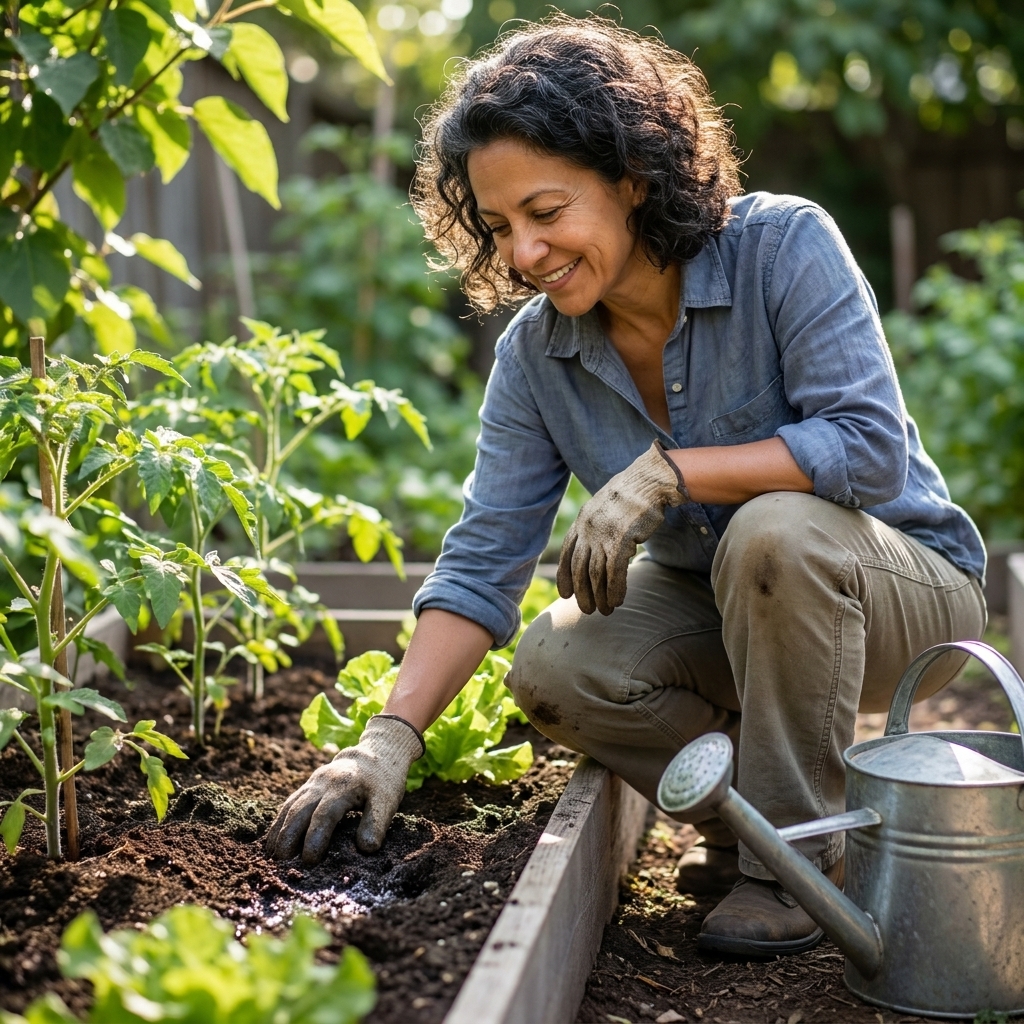
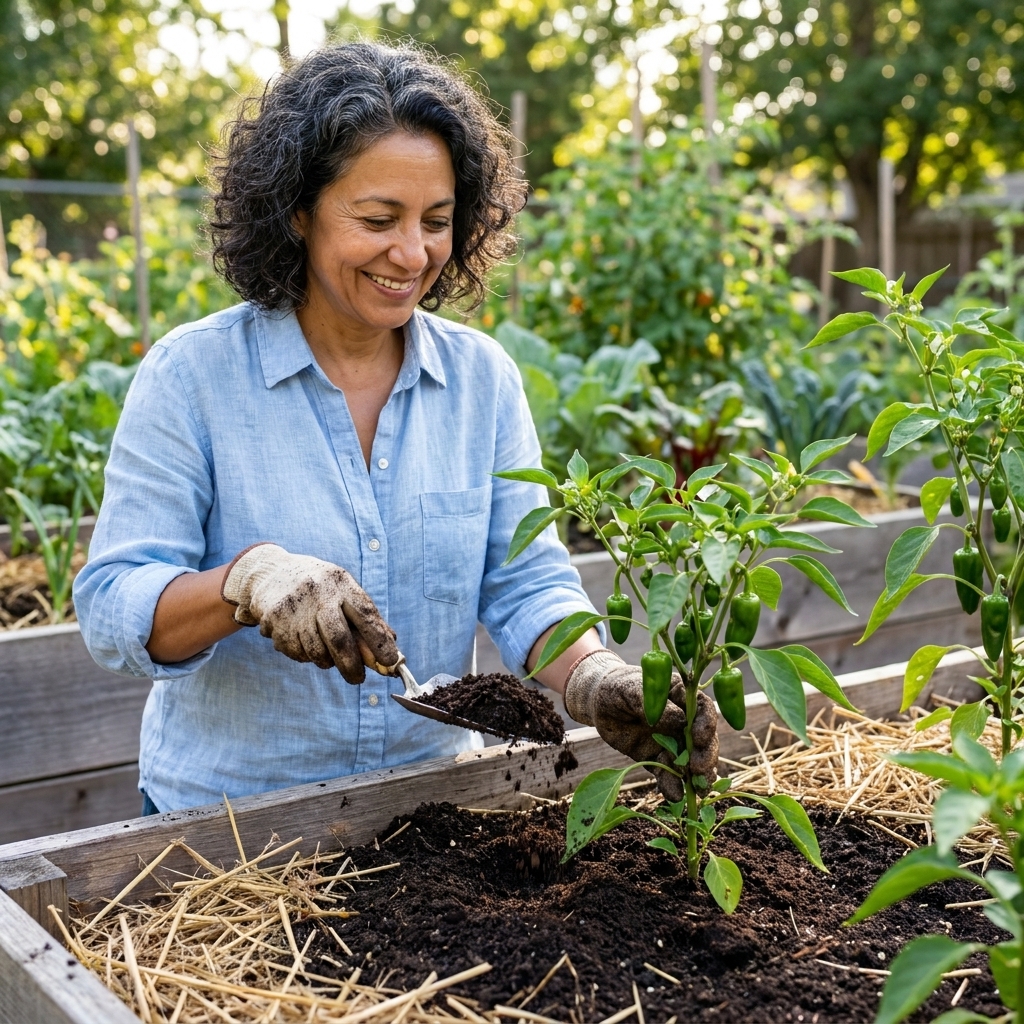
- Side-dress with compost. A half-inch to one-inch layer around the plant (not piled on the stem) gently feeds and improves soil.
- Use a balanced organic fertilizer. Look for something like 5-5-5 or a veggie blend. Follow label rates, and water it in.
- For a quicker nitrogen boost: fish emulsion can help, especially for container veggies. Seaweed is great too, but think of it more as a trace-mineral and stress-support supplement than a true nitrogen source. Use the recommended dilution. More is not better.
Watch-out: Too much nitrogen can cause gorgeous leaves and very few fruits (especially tomatoes and peppers). If your plant is tall, dark green, and all foliage with no flowers, ease up on nitrogen and make sure it’s getting enough sun.
Cause #3: Iron or magnesium issues
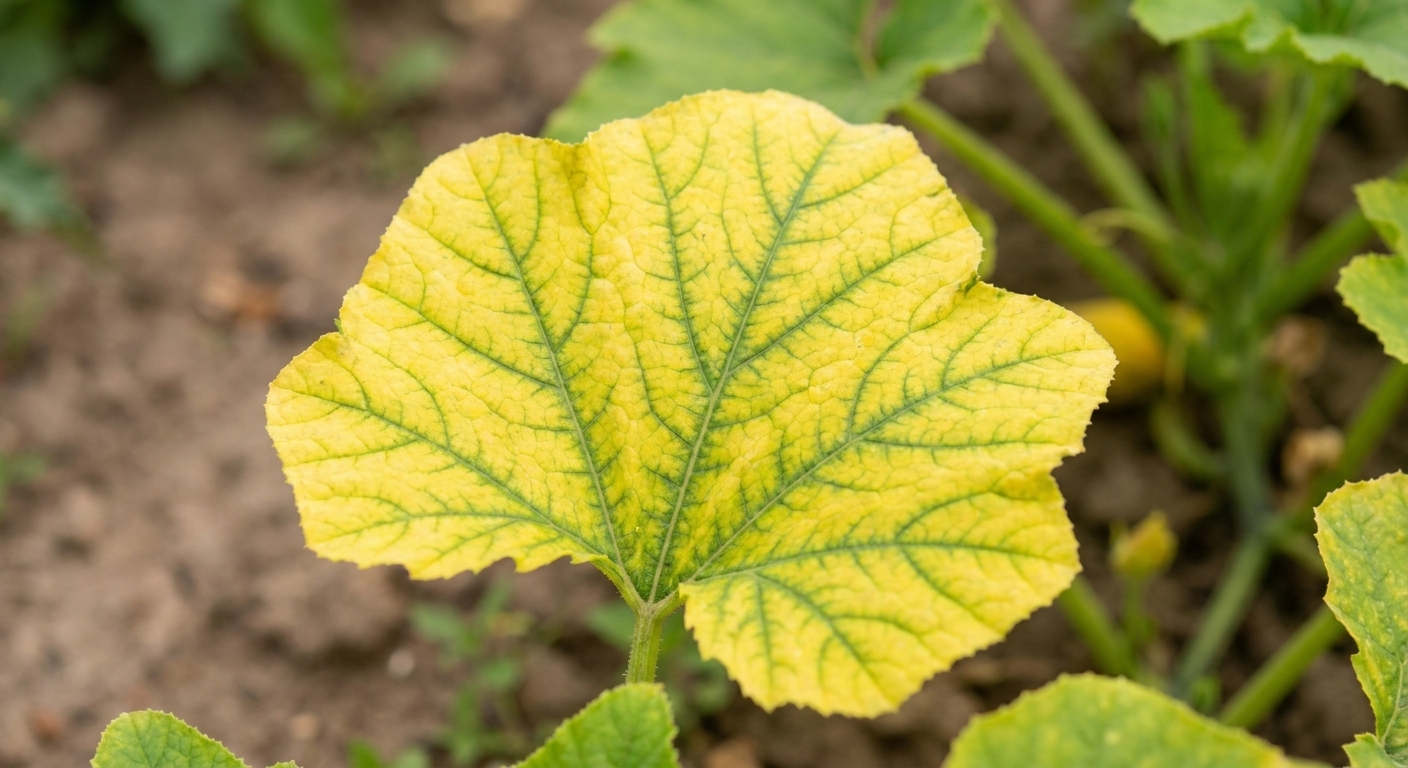
If your leaves are turning yellow but the veins stay noticeably green, you’re likely dealing with chlorosis (interveinal yellowing). Two common players in vegetable gardens are iron and magnesium.
- Iron deficiency: Often shows up on newest leaves first with yellowing between green veins. Iron may be present in the soil but unavailable because the pH is too high.
- Magnesium deficiency: Often shows up on older leaves first with yellowing between veins. Common in tomatoes, peppers, and beans, especially in containers or sandy soils.
Fix it the smart way
- Test your soil. A basic soil test (even a simple at-home pH test plus a lab test when you can) saves so much time and money. Many Extension offices offer affordable tests.
- Correct pH gradually. If pH is high and iron is locked out, elemental sulfur can help lower pH over time (follow soil test recommendations).
- For iron chlorosis: use a chelated iron product labeled for gardens. It works faster than trying to “feed” iron with compost alone when pH is the issue.
- For magnesium: Epsom salt (magnesium sulfate) can help when magnesium deficiency is likely. A common light-touch approach for containers is about 1 tablespoon per gallon of water as a drench, applied once and then reassessed. Rates vary by product and plant size, and repeated applications without confirmation can lead to salt buildup, so test first when you can.
Container note: Potting mix can drift in pH over time, and frequent watering can wash nutrients out. A gentle, regular fertilizing routine often prevents these “mystery yellows.”
Cause #4: Disease
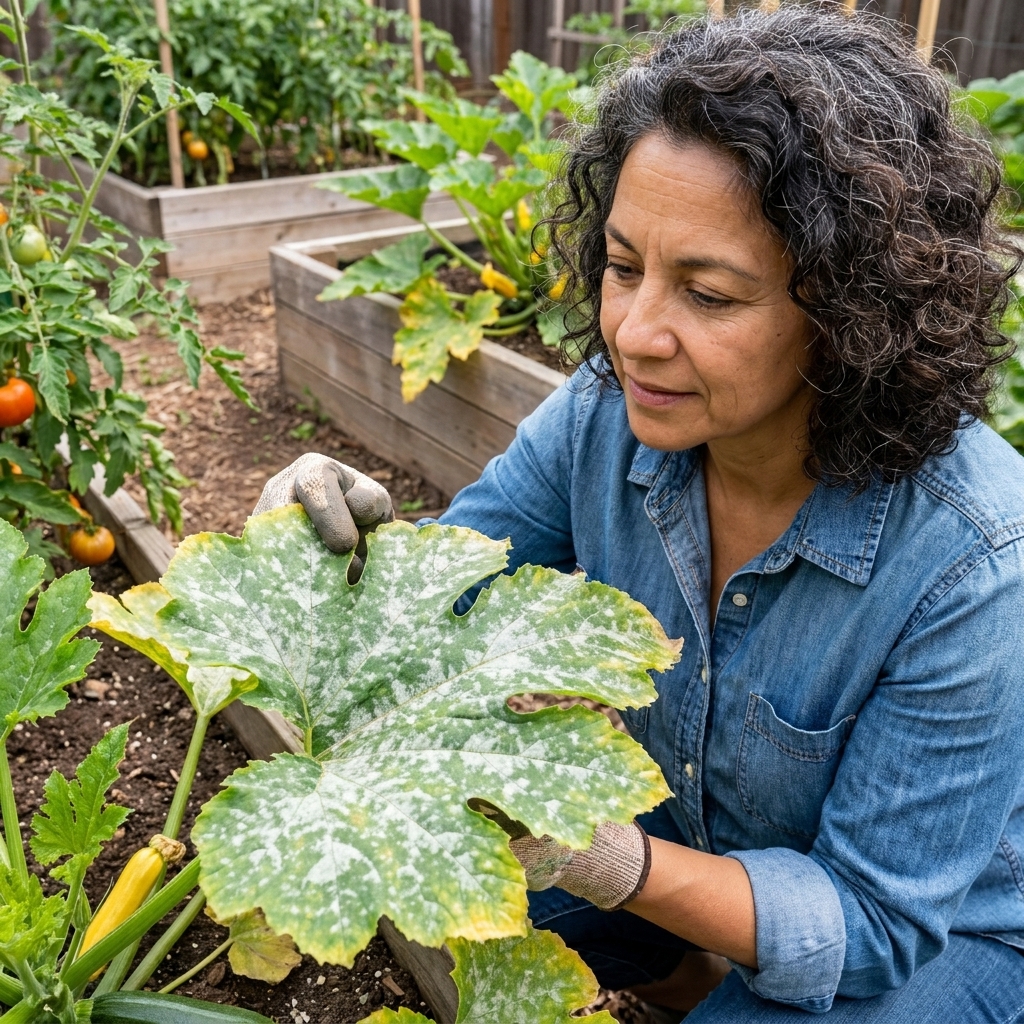
Sometimes yellowing is not a feeding issue at all. Many common garden diseases start with yellow patches, then progress to brown spots, rings, or fuzzy growth. Tomatoes, cucumbers, squash, and beans are frequent targets.
Clues it’s disease
- Yellowing comes with spots, blotches, or a powdery coating
- Leaves yellow, then brown and die back
- Problem spreads plant-to-plant, especially after humid weather or overhead watering
Fix it (and slow the spread)
- Remove the worst leaves. Snip off heavily affected foliage and throw it in the trash, not the compost.
- Improve airflow. Space plants properly, prune tomatoes for better ventilation, and keep leaves off the soil with trellises or cages.
- Water at the base. Drip irrigation or a soaker hose reduces leaf wetness.
- Choose sprays based on the problem. Some products can help depending on the disease. For example, potassium bicarbonate or sulfur is commonly used for powdery mildew, while copper is sometimes used for certain fungal and bacterial leaf issues. Neem is more reliable for insects and may help with some mildews, but it is not a universal fix for fungal leaf diseases. Sprays work best early and preventatively, and always follow label directions.
- Rotate crops. Avoid planting the same family in the same spot year after year (tomatoes, peppers, and eggplant are all nightshades, for example).
If you suspect a specific disease and want a confident ID, your local Extension office can often help from a clear photo and a description of your growing conditions.
Cause #5: Pests or root stress
Yellow leaves can also be the result of sap-sucking pests or damaged roots. When roots are compromised, plants cannot take up water and nutrients even if the soil is perfect.
Common culprits
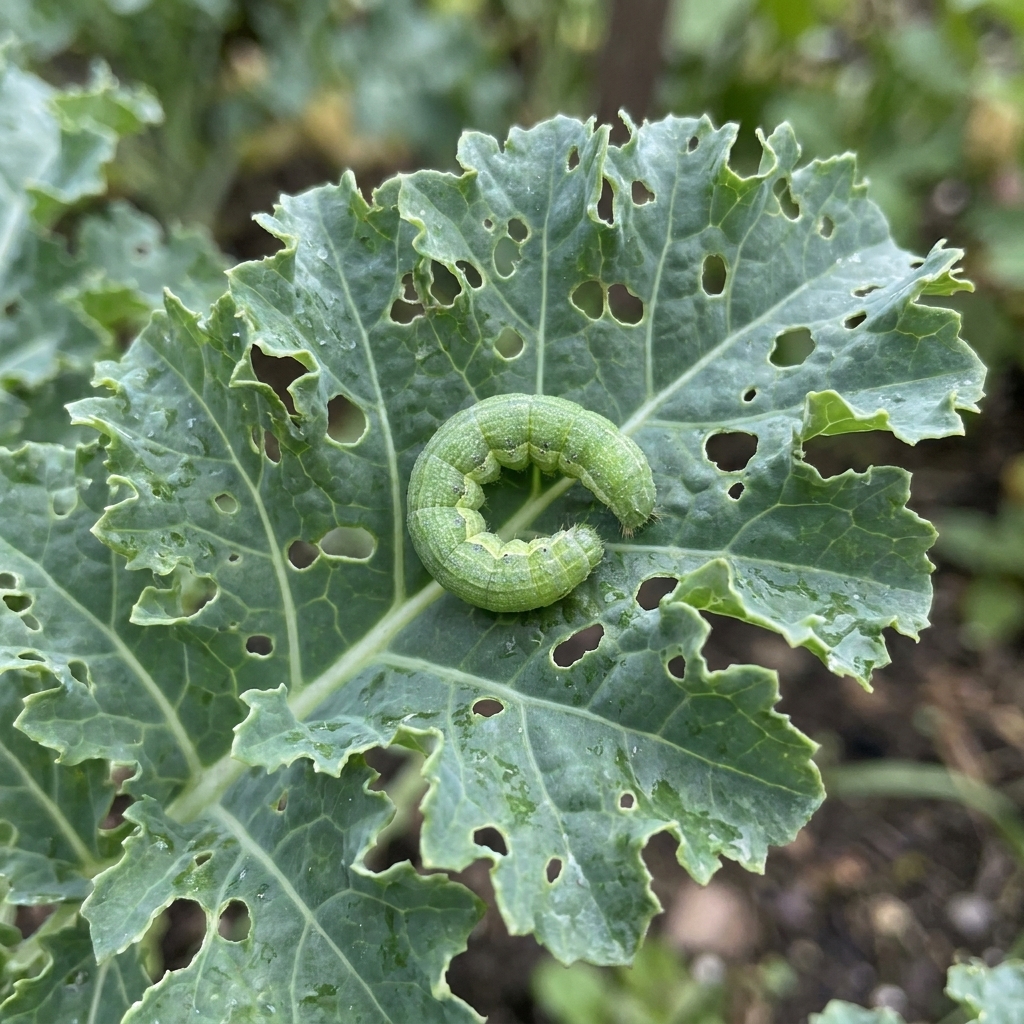
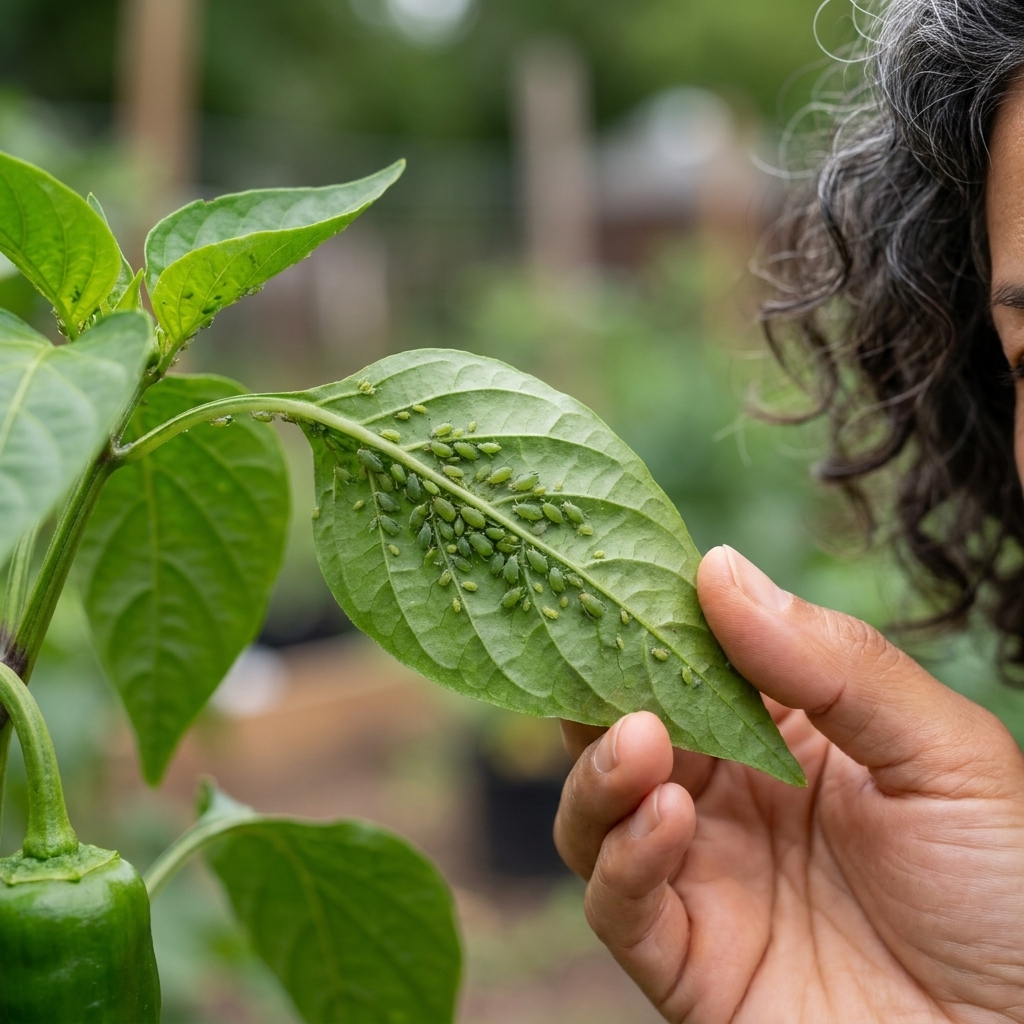
- Aphids: Clusters on new growth, sticky honeydew, curling leaves.
- Spider mites: Fine webbing and tiny pale speckles that can turn leaves yellow and bronzed, especially in hot, dry weather.
- Whiteflies: Little white insects that flutter up when you shake the plant.
- Root damage: From transplant shock, overheating in black pots, compacted soil, or even overcultivating near roots.
Fix it
- Inspect the undersides of leaves. That’s pest central. Use a magnifying glass if you have one.
- Blast with water first. A strong spray can knock off aphids and whiteflies. Repeat every few days.
- Use insecticidal soap when needed. Spray in the evening and coat leaf undersides. Test a small section first, especially in heat.
- Support stressed roots. Provide consistent moisture, add mulch, and avoid digging near the base. For containers, consider a lighter-colored pot or shade cloth during heat waves.
Also common: stress and chemical injury
Two more “sneaky but common” causes, especially in suburban yards and on balconies:
- Temperature or light stress. Cold nights, heat waves, or suddenly moving a plant into full sun can cause yellowing, bleaching, or a general washed-out look. The fix is boring but effective: give plants a few days of steady care, add temporary shade in extreme heat, and avoid heavy fertilizing while they recover.
- Herbicide drift or residue. Lawn weed killers and “weed-and-feed” products can drift on a breeze and cause yellowing plus twisted, cupped, or strapped leaves. If this is a possibility, rinse foliage, keep plants evenly watered, and avoid spraying anything else until you see what new growth does. For severe symptoms, contact Extension for next steps.
When yellowing is normal
Not every yellow leaf is a crisis. A few normal situations:
- Older leaves aging out. It’s common for the lowest leaves to yellow as plants mature, especially on tomatoes and peppers.
- After transplanting. A little yellowing can happen as roots settle in. Keep conditions steady and avoid heavy fertilizing for a week or two.
- Season change. As days shorten and temperatures cool, warm-season crops slow down and may yellow before they finish.
If the plant is otherwise vigorous, flowering, and setting fruit, you can often simply remove the yellow leaves and keep going.
A simple step-by-step plan
Check soil moisture 2 inches down and adjust watering first.
Look closely for spots, powdery growth, insects under leaves, or weird distortion.
Note the pattern: older leaves or new leaves, between veins or whole leaf.
Feed gently with compost or a balanced organic fertilizer if the pattern suggests nutrient issues.
Test the soil if problems persist more than 1 to 2 weeks or show up every season.
Yellow leaves often will not fully turn green again, especially once they are mostly chlorotic. Your real goal is to make sure new growth comes in healthy. That’s how you know you nailed the diagnosis.
FAQ
Should I cut off yellow leaves on vegetable plants?
Usually, yes. Once a leaf is mostly yellow, it is not doing much photosynthesis. Removing it can improve airflow and reduce disease pressure. Use clean snips and avoid removing more than about one-third of the plant’s foliage at once.
Why are my tomato leaves turning yellow from the bottom up?
The most common reasons are inconsistent watering, nitrogen being low or unavailable, or normal aging of older leaves. If you see spots or rapid spread, consider early blight or another leaf disease and switch to watering at the base plus removing affected leaves.
Why are my cucumber or squash leaves yellowing?
Check for powdery mildew, spider mites, and watering swings first. Cucurbits are also heavy feeders, so a midseason compost side-dress can help.
Can I fix yellow leaves fast?
You can often stop the cause quickly, but the yellowed leaves themselves may not fully “green up.” Look for healthy new growth after you adjust watering, nutrition, or pest control.