Winter can be tough on houseplants. Learn how to adjust watering, boost humidity, and maximize low winter light so your indoor plants stay happy until spring.
Gardening insights
How to Fix Yellow Leaves on Houseplants
Yellowing leaves are your houseplant’s SOS. Learn how to diagnose the cause and fix it fast, from watering issues and light problems to pests and nutrient deficiencies.

Elena Rosales
Elena Rosales is a certified Master Gardener and lifelong plant enthusiast who believes anyone can cultivate a green thumb. After transforming her tiny urban balcony into a thriving plant oasis, she moved to a half-acre homestead to grow her own food and flowers. Today, she shares practical, hands-on gardening advice to help the Hortello community bring more green into their lives.
Published September 21, 2026
Updated September 21, 2026
Yellow leaves can feel like a personal insult. One day your pothos is trailing like a jungle queen, the next it is dropping buttery leaves like confetti. Take a breath. Yellowing is one of the most common houseplant complaints, and it is usually fixable once you figure out the “why.”
In this guide, I will walk you through a calm, practical troubleshooting process. We will start with quick clues (where the yellowing shows up matters), then move through the most common causes: watering, light, soil and roots, nutrients, temperature, pests, and a few sneaky “gotchas” like tap water and repotting shock.
First, don’t panic: some yellowing is normal
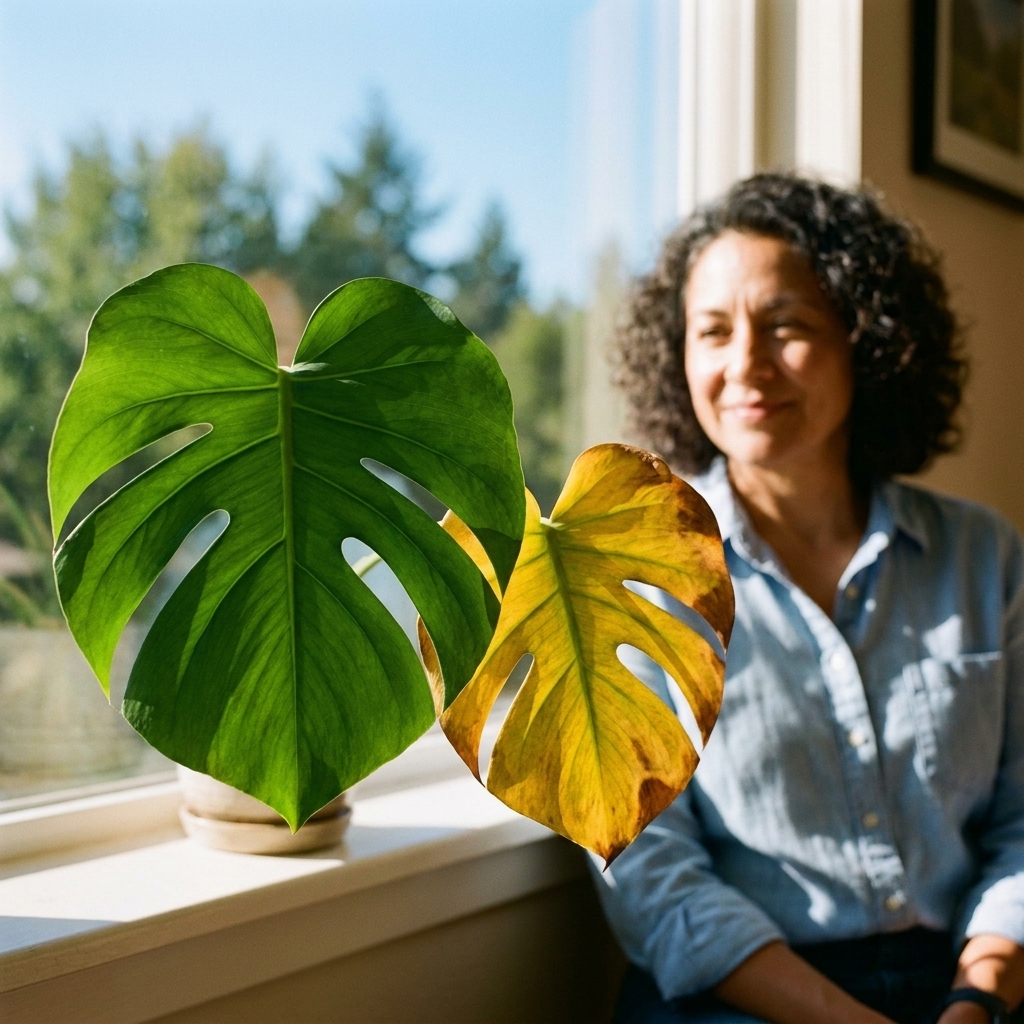
If the plant is pushing new growth and only an older, lower leaf or two is turning yellow, you may simply be seeing natural leaf turnover. Many houseplants shed older leaves as they grow, especially in lower light seasons.
- Normal: one or two older bottom leaves yellow slowly, then drop; the rest of the plant looks sturdy and is growing.
- Not normal: many leaves yellow quickly, new growth is pale or limp, stems soften, or you see spots, pests, or a bad smell from the pot.
Your 60-second diagnosis
Before you change anything, do a quick check. This saves you from the classic mistake of “fixing” the wrong problem and making it worse (I have absolutely done this, more than once).
1) Where are the yellow leaves?
- Bottom leaves only: often natural aging, low light, underwatering, or mild nutrient deficiency.
- New leaves yellowing first: often iron or micronutrient issues, very high pH, or root damage preventing uptake.
- Random leaves throughout: common with overwatering, pests, drafts, or sudden environmental changes.
2) What does the leaf feel like?
- Yellow and mushy: overwatering or root rot is likely.
- Yellow and crispy: underwatering, low humidity, too much sun, or salt buildup.
- Yellow with green veins: often chlorosis from nutrient or pH issues.
3) Check the soil and pot
- Stick your finger 2 inches into the soil. Is it wet, damp, or dry?
- Lift the pot. Does it feel heavy with water or oddly light?
- Look for drainage holes. If there are none, that is an immediate red flag.
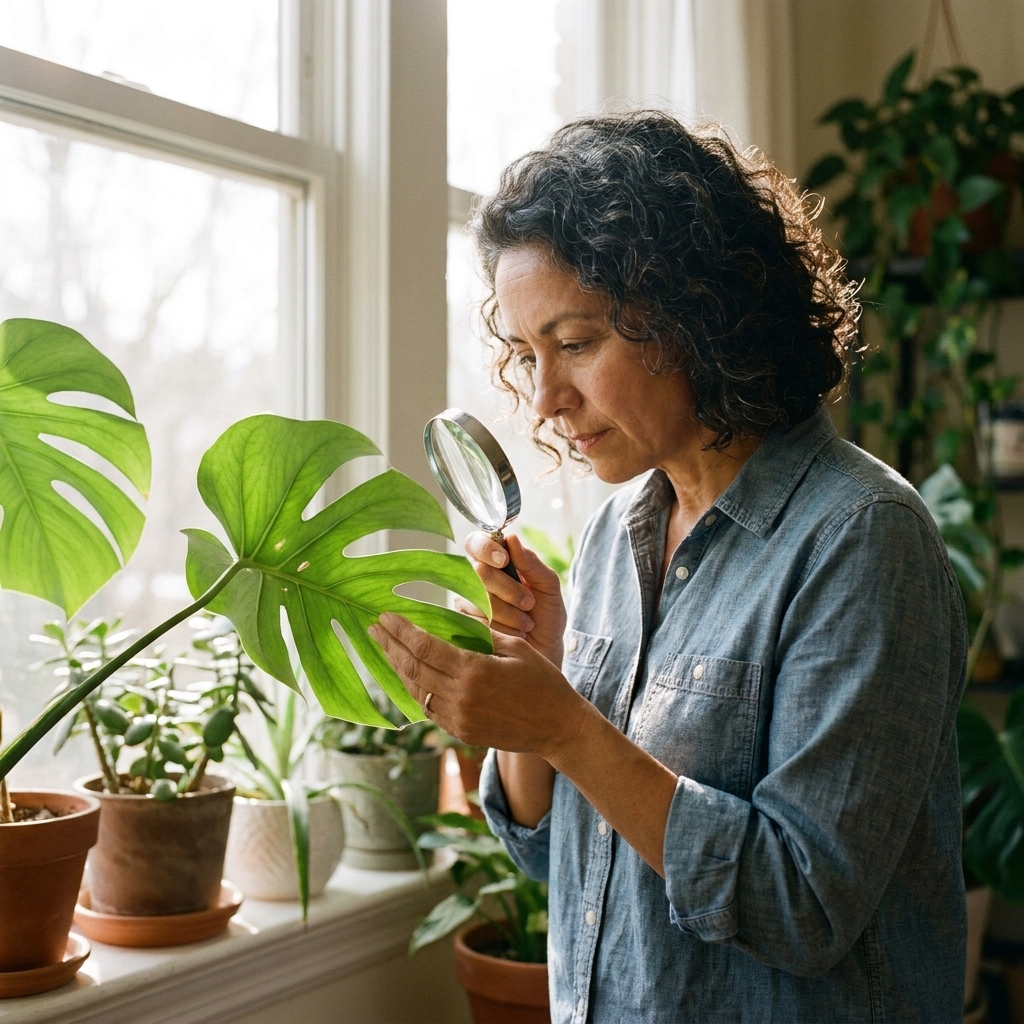
4) Look under leaves and along stems
Flip a few leaves over. Many pests hang out on the undersides like tiny stowaways.
Cause #1: Overwatering (the most common culprit)
If I could only fix one thing in most yellow-leaf cases, it would be watering habits. Overwatering is not about frequency as much as it is about oxygen. Roots need air spaces in the potting mix. When soil stays constantly wet, roots suffocate and begin to rot. The plant then yellows because it cannot take up water and nutrients properly, even though it is sitting in water.
Signs it is overwatering
- Several leaves yellowing at once, often starting with older leaves
- Soil feels wet days after watering
- Leaves feel soft or limp
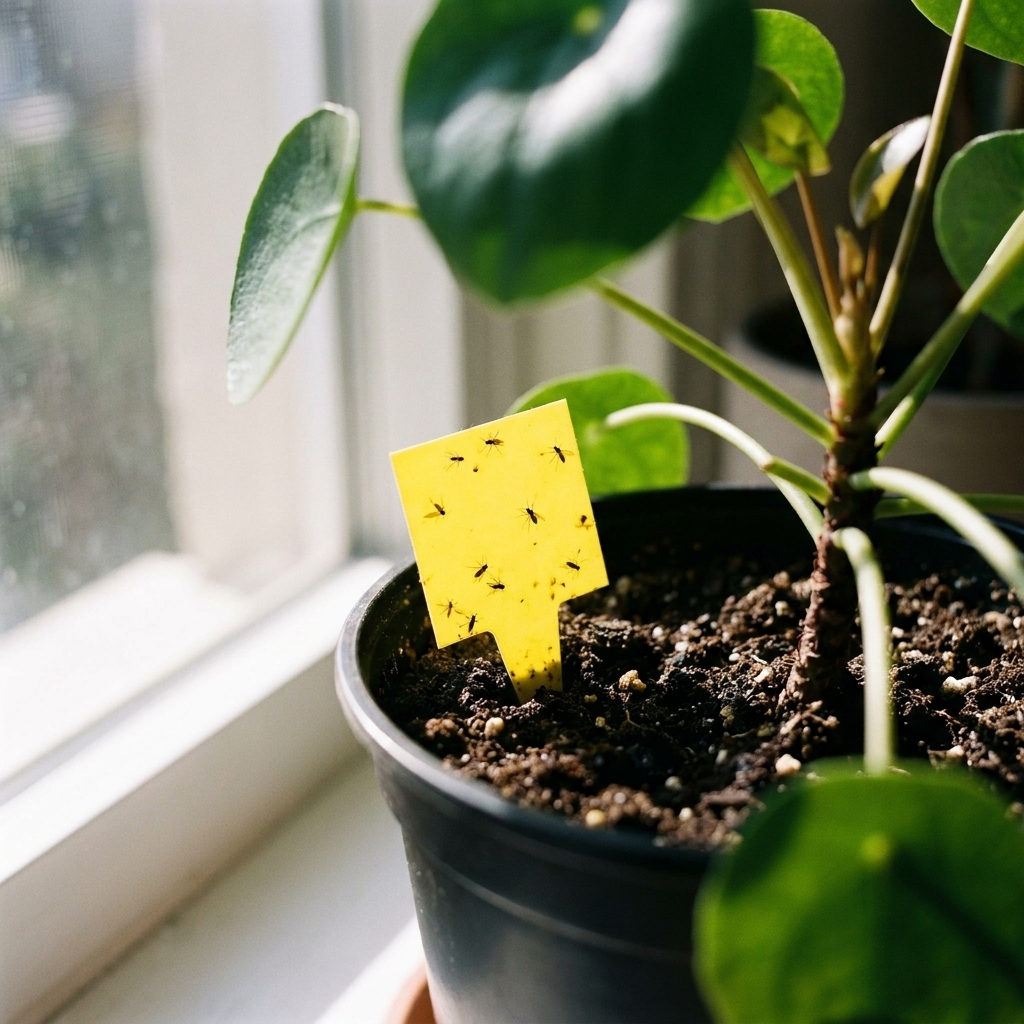
- Fungus gnats hovering around the pot
- A musty smell from the soil
What to do
- Stop watering for now. Let the top 1 to 3 inches dry out (species-dependent).
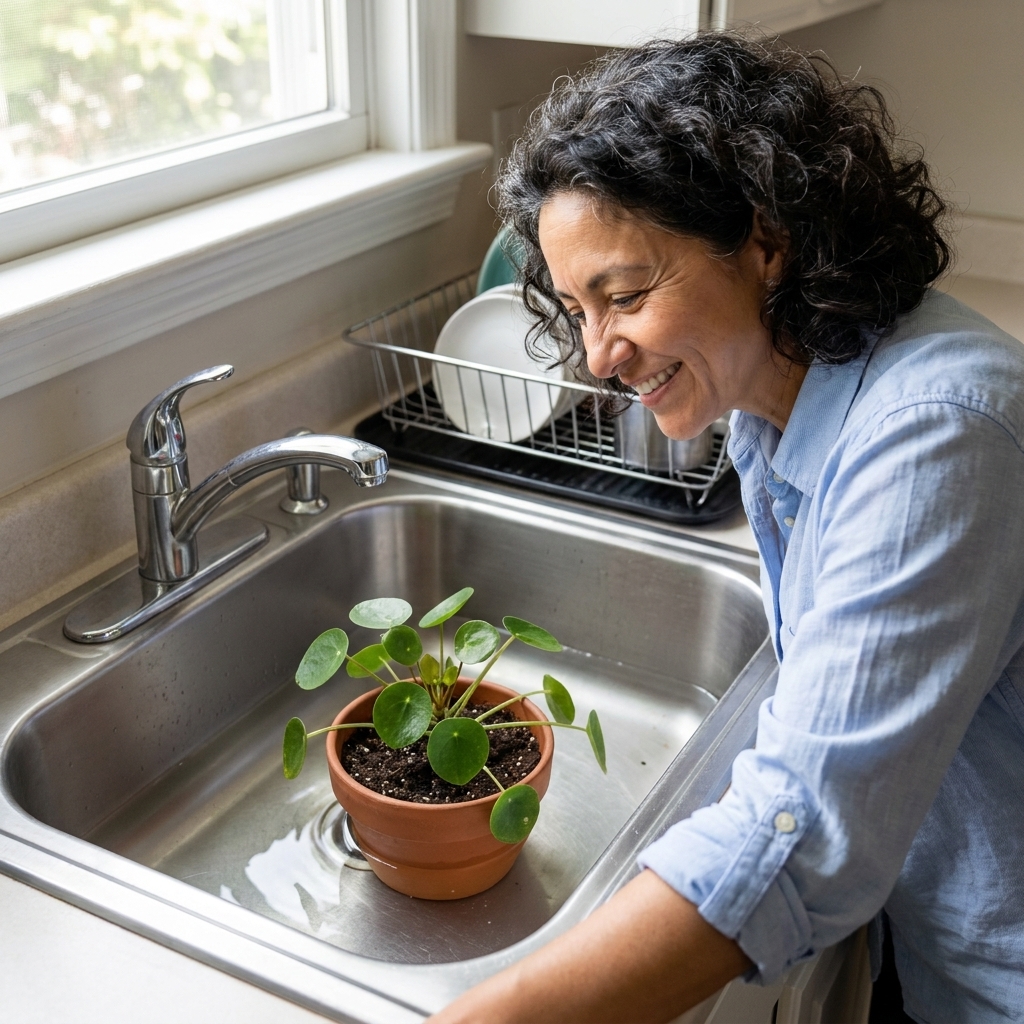
- Improve drainage. Make sure the pot has a drainage hole. Empty the saucer after watering.
- Check roots if symptoms are strong. Slide the plant out of the pot. Healthy roots are firm and light-colored. Rotten roots are brown or black and mushy.
- Trim rot and repot if needed. Snip mushy roots with clean scissors, then repot into fresh, airy mix.
My rule of thumb: water thoroughly, then let the plant use that water up. “Sips” keep the lower soil wet and invite rot.
Cause #2: Underwatering (especially in heating season)
Underwatering tends to show up as yellowing that turns crispy, often with drooping first. Some plants, like peace lilies, are drama queens and will faint before they yellow. Others quietly crisp one leaf at a time.
Signs it is underwatering
- Soil is dry several inches down
- Pot feels very light
- Leaves yellow, then brown and crunchy at edges
- New growth is smaller than usual
What to do
- Rehydrate deeply. Water until it runs out the drainage holes, then let it drain fully.
- If soil is hydrophobic (water runs right through): bottom-water the pot in a bowl for 20 to 40 minutes, then drain.
- Adjust your routine. Check weekly, but water based on soil dryness, not the calendar.
Cause #3: Light problems (too little or too much)
Light is food. When plants do not get enough, they cannot maintain all that foliage, so older leaves may yellow and drop. On the flip side, harsh direct sun can bleach leaves to a yellowish tone and cause scorched patches.
Too little light
- Long, leggy stems reaching toward the window
- Smaller new leaves
- Slow growth and gradual yellowing of lower leaves
Fix: Move the plant closer to a bright window, or add a grow light. Rotate the pot weekly so one side does not do all the “photosynthesis heavy lifting.”
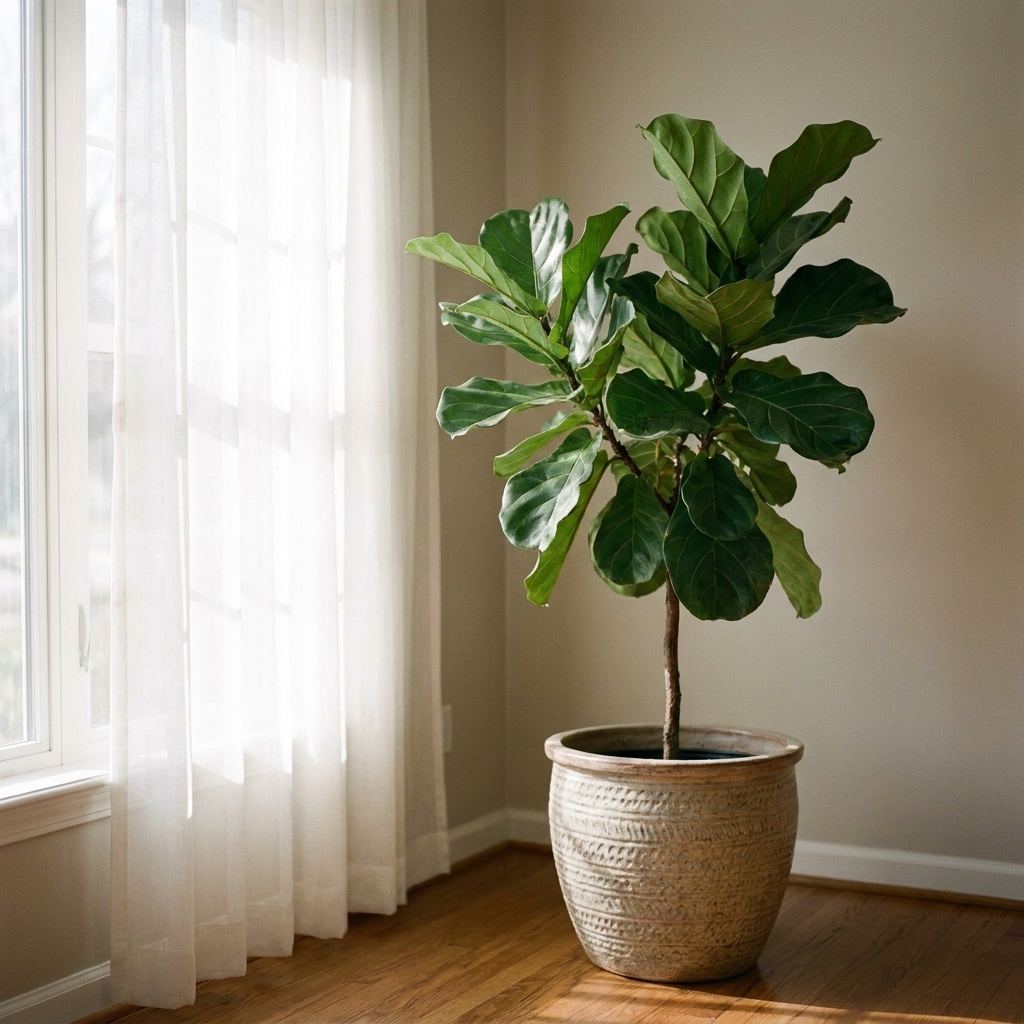
Too much light
- Yellowing that looks like fading or bleaching
- Crispy brown patches, especially on the sun-facing side
- Leaf edges may curl in
Fix: Pull the plant back from the glass, filter light with a sheer curtain, or move to bright indirect light.
Cause #4: Poor drainage and compacted soil
You can water “correctly” and still get yellow leaves if the potting mix is old, compacted, or peat-heavy and staying wet too long. Over time, potting mix breaks down and holds less air.
Clues
- Water pools on top before soaking in
- Soil shrinks away from the pot edge or becomes dense and muddy
- Plant dries unevenly: soggy bottom, dry top
Fix
- Refresh the mix. Repot with a chunky, well-draining blend suited to your plant type.
- Consider adding structure. Many tropicals love mixes amended with orchid bark, perlite, pumice, or coco chips.
Cause #5: Nutrient deficiencies (or too much fertilizer)
Yellowing can be a nutrition problem, especially if a plant has been in the same pot for a long time. But too much fertilizer can also burn roots and cause yellowing, so we want to read the signs carefully.
Common deficiency patterns
- Nitrogen deficiency: older leaves turn uniformly pale or yellow first, growth slows.
- Iron or micronutrient deficiency: new leaves yellow with greener veins (interveinal chlorosis), often linked to high pH or hard water.
- Magnesium deficiency: older leaves show yellowing between veins, sometimes with green triangles near the base.
What to do
- If you have not fertilized in months: start with a balanced houseplant fertilizer at half strength during active growth.
- If you fertilize often: pause fertilizing and flush the soil with plain water to remove salts.
- For chronic chlorosis: switch to filtered or rainwater and consider a micronutrient supplement. If the plant is in a very alkaline mix, repotting can help.
Quick reality check: a plant with root damage can look “hungry” because it cannot absorb nutrients. If you see yellowing plus a wet pot and limp leaves, address roots and watering first.
Cause #6: Temperature swings, drafts, and low humidity
Indoor plants are surprisingly sensitive to little microclimates. A vent blasting hot air, a cold window at night, or a drafty door can trigger yellow leaves.
Clues
- Yellowing shortly after you move the plant
- Leaves dropping after a cold snap or heat wave
- Brown, crispy edges plus yellowing in very dry air
Fix
- Keep plants away from heating and AC vents.
- Avoid pressing foliage against cold window glass in winter.
- Group plants together to raise local humidity, or use a humidifier for humidity-loving species (calatheas, ferns, some begonias).
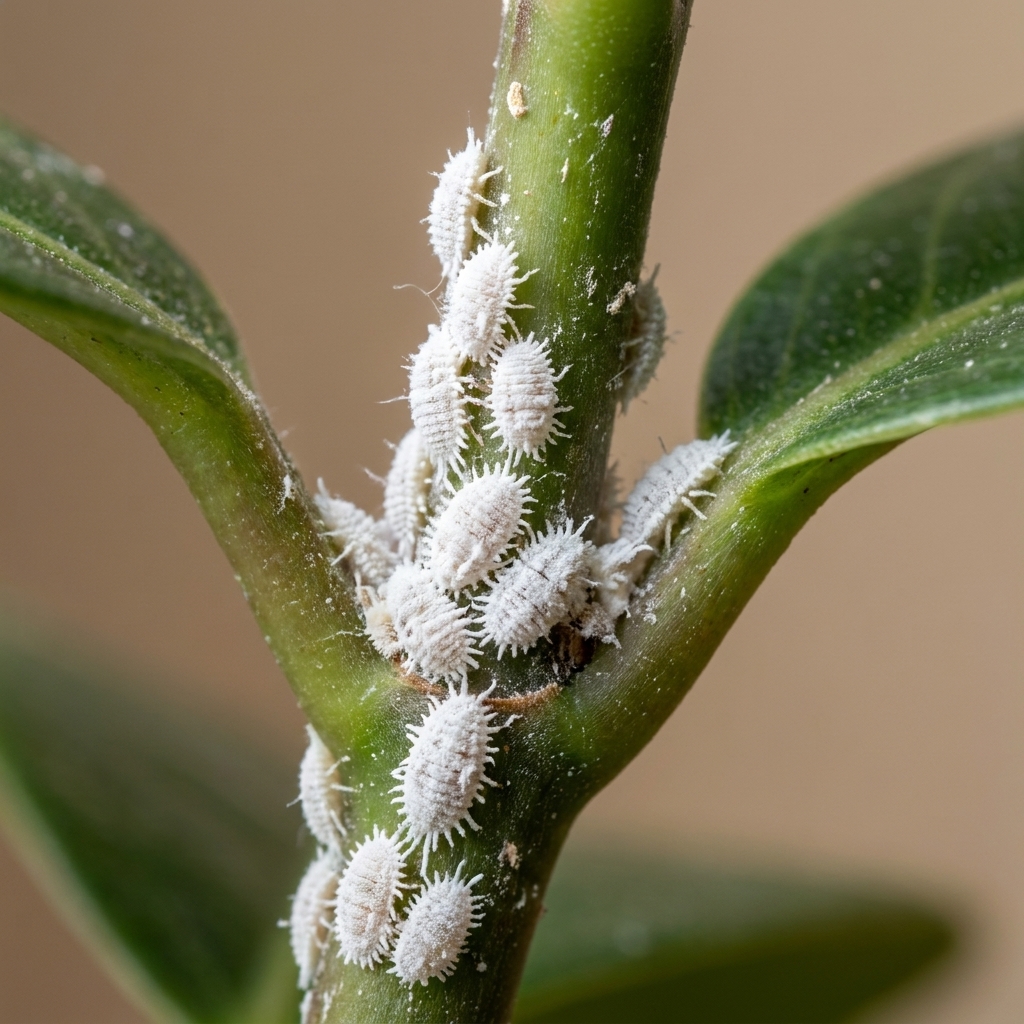
Cause #7: Pests (tiny, but mighty)
When yellowing seems random, or you notice stippling, sticky residue, or distorted new growth, pests deserve a close look.
Common indoor culprits
- Spider mites: fine webbing, pale speckling, leaves fade and yellow.
- Mealybugs: white cottony clusters in leaf joints, sticky honeydew.
- Scale: small brown bumps on stems and leaf undersides, sticky residue.
- Thrips: silvery scarring and distorted new growth, tiny fast insects.
- Aphids: clusters on tender growth, sticky honeydew.
Fix
- Isolate the plant. Pests spread faster than you think.
- Rinse and wipe. A thorough shower and a gentle wipe down removes a surprising number of pests.
- Treat consistently. Use insecticidal soap or horticultural oil, repeating every 5 to 7 days for several rounds to catch new hatchlings.
- For fungus gnats: let soil dry more between waterings, use sticky traps, and consider BTi (mosquito bits) in the watering routine.
Cause #8: Water quality and salt buildup
This one surprises a lot of plant parents. Hard water and softened water can contribute to yellowing over time by affecting nutrient uptake and leaving salts behind in the soil.
Clues
- White crust on soil surface or pot rim
- Leaf tips brown and crispy along with overall yellowing
- Plant perks up when you switch water sources
Fix
- Switch water. Try rainwater, distilled, or filtered water for sensitive plants.
- Flush monthly. Water heavily so excess drains out, carrying salts with it.
- Avoid water from a softener. It can be high in sodium, which many plants hate.
Cause #9: Repotting shock and relocation stress
Plants are creatures of habit. Repotting, moving to a new room, or even changing seasons can cause a few leaves to yellow while the plant rebalances. This is especially true if roots were disturbed or the new light level is very different.
What to do
- Give it two to four weeks of consistent care.
- Keep light stable and avoid fertilizing right after repotting (wait about a month unless you used an inert mix).
- Water cautiously while roots re-establish.
Cause #10: Rootbound plants
Sometimes yellowing is your plant saying, “I have no more room.” When a plant is rootbound, water can run through too quickly, nutrients get depleted fast, and leaves may yellow even if you are doing everything else right.
Clues
- Roots circling the bottom or poking out drainage holes
- Soil dries out very quickly after watering
- Growth stalls and leaves yellow intermittently
Fix
- Repot into a container 1 to 2 inches wider in diameter.
- Loosen circling roots gently and refresh with new potting mix.
What to do with yellow leaves
Yellow leaves do not turn green again, even if you fix the problem. Once the issue is addressed, you are watching for healthy new growth.
- If the leaf is mostly yellow: remove it with clean scissors or a gentle tug if it releases easily.
- If it is partly green: you can leave it for a bit so the plant can reclaim some resources, then remove once it declines further.
- Always remove fallen leaves from the soil surface to discourage fungus and gnats.
Troubleshooting by plant type
Pothos, philodendron, monstera
Most yellowing comes from overwatering plus low light. Let soil dry a bit more between waterings, and give them bright indirect light.
Peace lily
Often yellows from inconsistent watering. They like evenly moist soil, but not soggy. If it is drooping dramatically, water deeply and let drain.
Snake plant and ZZ plant
These almost always yellow from too much water. Use a fast-draining mix and water sparingly, especially in winter.
Ferns
Commonly yellow from dry air or letting the root ball dry out. Keep moisture more consistent and boost humidity.
Calathea and maranta
Yellowing can be water quality plus low humidity. Filtered water and a humidifier are often the turning point.
When to act fast
Most yellowing is a slow conversation. A few situations are more urgent:
- Soft, collapsing stems and a foul smell from soil (possible advanced root rot)
- Rapid yellowing across many leaves in a week
- Black spots or water-soaked lesions spreading quickly (possible bacterial or fungal issue)
- Visible pests multiplying fast, especially thrips
In those cases, isolate the plant, remove the worst foliage, and consider repotting into fresh mix after inspecting roots. If you suspect disease, keep leaves dry, improve airflow, and sanitize tools between plants.
FAQ
Can yellow leaves turn green again?
No. Once the chlorophyll is gone, that tissue will not re-green. Your goal is to stop additional yellowing and encourage healthy new growth.
Should I fertilize as soon as I see yellow leaves?
Not automatically. If the soil is wet and the plant looks limp, address watering and roots first. Fertilizer on stressed roots can make things worse.
How often should I water to prevent yellow leaves?
There is no universal schedule. Water when the soil reaches the dryness level your plant prefers. As a starting point, many tropical foliage plants like the top 1 to 2 inches to dry before watering again, while drought-tolerant plants want much more drying time.
What is the fastest fix for overwatered plants?
Let it dry, increase light slightly (without scorching), and improve airflow. If the pot stays wet for many days or the plant is declining, check roots and repot into fresh, airy mix.
A gentle checklist for next week
If you want a simple plan, here is what I would do over the next 7 days:
- Remove the fully yellow leaves and clear debris from the soil surface.
- Check drainage holes and empty any saucers after watering.
- Assess soil moisture at 2 inches deep before you water again.
- Move the plant to stable bright light, away from vents and drafts.
- Inspect undersides of leaves for pests twice this week.
And remember, you are not “bad at plants” because a leaf turned yellow. Gardening, even indoors, is a long series of tiny experiments. Sometimes the plant teaches us, loudly, what it needs.