Stop fungus gnats at every life stage with a simple, natural indoor plant plan: dry-outs, sticky traps, BTI drenches, and long-term prevention.
Gardening insights
DIY Indoor Plant Soil Mix
Mix your own indoor potting soil with simple ingredients like coco coir, perlite, and orchid bark. Get easy base recipes, plant-specific blends, and troubleshooting tips.

Elena Rosales
Elena Rosales is a certified Master Gardener and lifelong plant enthusiast who believes anyone can cultivate a green thumb. After transforming her tiny urban balcony into a thriving plant oasis, she moved to a half-acre homestead to grow her own food and flowers. Today, she shares practical, hands-on gardening advice to help the Hortello community bring more green into their lives.
Published September 21, 2026
Updated September 21, 2026
Potting soil is one of those quiet, behind-the-scenes things that decides whether your houseplants merely survive or actually thrive. And if you have ever bought a bag that smelled like a swamp and compacted into a brick two weeks later, you already know why I mix my own.
Making DIY indoor plant soil is not about being fancy. It is about building the right balance of moisture retention, drainage, air pockets, and gentle nutrition for the kinds of plants you grow and the way you water.
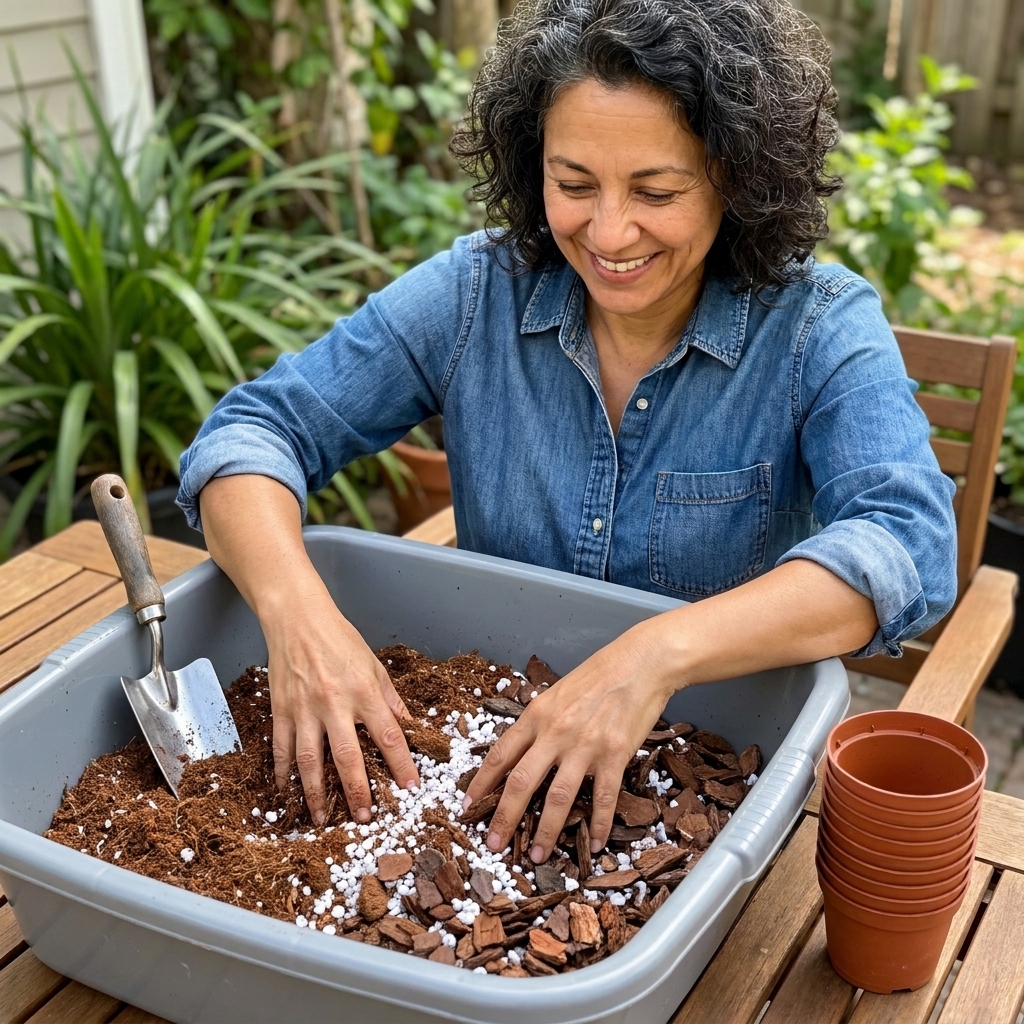
Below, I will walk you through the ingredients that matter, a simple base mix you can use for most houseplants, and a few targeted recipes for the plants that tend to be picky.
What makes a great indoor potting medium
Indoor plants live in a closed system. In a pot, roots depend on you for oxygen, drainage, and nutrients. A good potting mix creates a root zone that stays:
- Airy so roots can breathe and beneficial microbes can do their thing
- Evenly moist without staying soggy
- Structurally stable so it does not collapse into mud after a few waterings
- Low in pests and pathogens compared with digging soil from outdoors
Translation: we are building a sponge with lots of tiny air tunnels.
Quick reality check: the same mix can behave very differently in different homes. Terracotta dries faster than plastic, small pots dry faster than big ones, and brighter light plus airflow dries everything faster. Keep that in mind as you tweak ratios.
Key ingredients and what each one does
You do not need a pantry of 12 amendments to make good soil. But it helps to understand the “jobs” each ingredient does so you can adjust for your home and your habits.
Coco coir or peat moss (moisture manager)
Coco coir is my go-to for indoor mixes. It holds water well, rewets more easily than peat, and has a fluffy texture that supports airflow. If you use coir bricks, hydrate them fully and break up clumps before measuring.
One important note: coir quality varies. Some coir contains excess salts if it was not properly processed, which can contribute to leaf tip burn in sensitive plants. When you can, buy coir labeled washed and buffered. If you are unsure, you can rinse or soak it, then drain before mixing.
Peat moss also holds moisture and is naturally acidic, which some plants enjoy. If you use peat and you know your plant prefers a more neutral pH, add a small measured amount of garden lime per gallon or liter of mix according to the label. If you are not sure, skip the lime and let the plant tell you how it feels. Also wet peat thoroughly since dry peat can repel water at first.
Perlite (air pocket builder)
Perlite is the lightweight white volcanic “popcorn” that keeps mixes from compacting. It improves drainage and root oxygen. If the dust bothers you, moisten it before mixing or wear a mask. Same goes for peat or coir dust. Do not breathe that in on purpose.
Orchid bark (chunk and structure)
Orchid bark adds chunky texture that creates long-lasting air gaps. It is especially helpful for aroids and epiphytes. Choose small or medium bark for houseplants so it blends evenly through the pot.
Compost or worm castings (gentle nutrition)
For indoor pots, I keep this part modest. A little worm castings or high-quality screened compost adds nutrients and beneficial biology without making the mix too heavy. Too much can reduce airflow and invite fungus gnats if you keep things damp.
Pumice (heavier alternative to perlite)
Pumice does the same “aeration” job as perlite but is heavier and tends to stay mixed instead of floating to the top over time. If you have it, it is a lovely upgrade.
Horticultural charcoal (optional extra)
Optional, but useful for plants that like airy mixes (think: monsteras, philodendrons). Charcoal may help keep mixes fresher and reduce funky odors over time, especially if you tend to overwater. Use horticultural charcoal, not briquettes.
What to skip indoors
- Garden soil: compacts, can bring pests, often drains poorly in containers
- Sand from outdoors: can create a concrete-like mix when combined with fine organic material
- “Moisture control” mixes for plants that prefer drying: many hold water a bit too well
A simple base mix for most houseplants
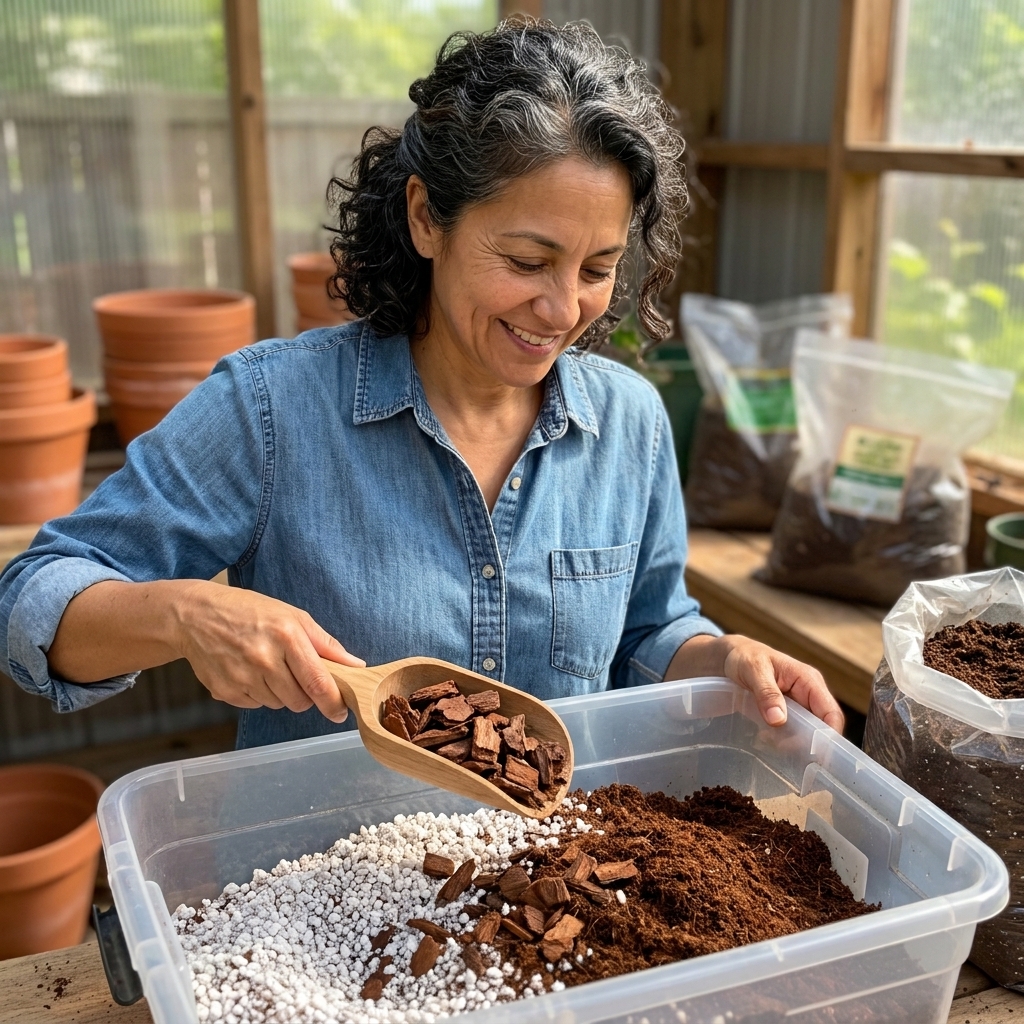
If you only want one reliable recipe, start here. It is forgiving, airy, and works for many common leafy houseplants.
All-purpose indoor mix (by volume)
- 2 parts coco coir (or peat)
- 1 part perlite (or pumice)
- 1 part orchid bark
- 1/4 part worm castings or screened compost (optional)
How to measure: Use any scoop, cup, or small bucket, as long as you keep the ratios consistent. For example, 2 cups coir + 1 cup perlite + 1 cup bark makes a small batch.
When to tweak this base mix
- If you overwater (we have all been there): add another 1/2 part perlite or bark
- If your home is very dry or you forget to water: reduce perlite slightly and add a bit more coir
- If pots stay wet for a week: your mix is too fine or your pot has drainage issues. Increase chunky materials and check the pot and saucer setup.
Plant-specific recipes
Different plants evolved for different root environments. Here are blends that match what their roots expect.
Aroids (monstera, philodendron, pothos, syngonium)
Aroids love oxygen around their roots. They want moisture, yes, but they do not want to sit in a soggy sponge.
- 2 parts coco coir
- 1 part perlite or pumice
- 1 1/2 parts orchid bark
- 1/2 part horticultural charcoal (optional)
- 1/4 part worm castings (optional)
Succulents and cacti
My “Great Zucchini Invasion” of 2019 taught me one thing: plants will exploit whatever conditions you give them. Succulents do the opposite. Give them too much moisture and they will quietly rot from the inside out.
- 1 part coco coir (or potting mix base)
- 1 part perlite or pumice
- 1 part gritty mineral component (pumice, crushed lava rock, or coarse horticultural grit)
- 1/4 part bark (optional, for structure)
Tip: If you only have perlite and coir, go heavier on perlite for succulents. Think 60 to 70 percent drainage material as a starting point, then adjust based on how fast it dries in your pot type and your conditions. Some setups do better closer to 70 to 80 percent mineral.
Ferns
Ferns like consistent moisture and a fluffier, finer texture, but they still need air at the roots.
- 3 parts coco coir or peat
- 1 part fine orchid bark or pine fines
- 1 part perlite (or 1/2 part perlite if your air is very dry)
- 1/4 part worm castings (optional)
Snake plant and ZZ plant
These are drought-tolerant plants with thick, water-storing tissues. They do best in an airy mix that dries reliably.
- 1 part coco coir
- 1 part perlite or pumice
- 1 part bark
African violets
They like a light, fine mix that stays evenly moist but not soggy.
- 2 parts coco coir or peat
- 1 part perlite
- 1/2 part vermiculite (optional, for gentle moisture holding)
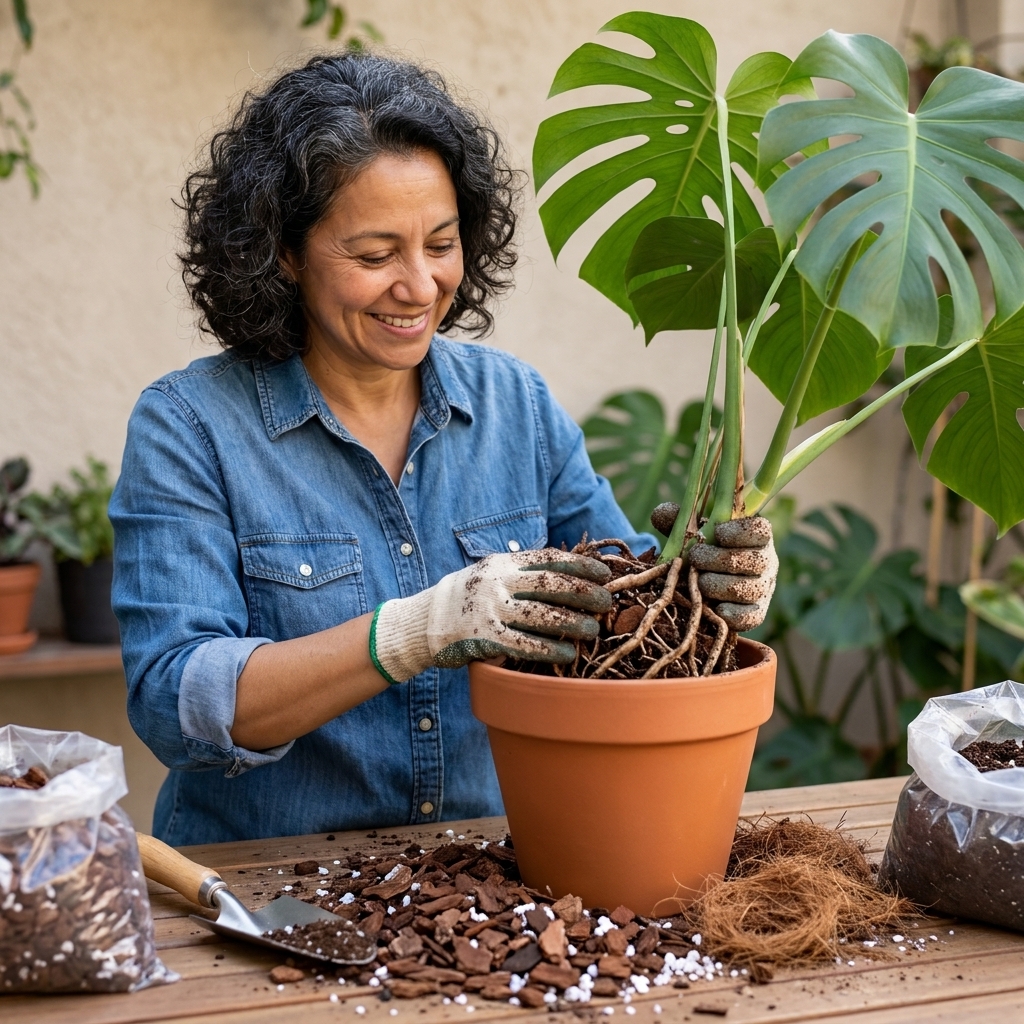
How to mix and store DIY potting soil
Step-by-step
Hydrate coir or peat first. Coir bricks need time to expand. Break up chunks with your hands.
Moisten dusty ingredients. Lightly dampen perlite to keep dust down.
Mix in a tub. Use a large storage tote, bucket, or even a clean trash bag you can shake.
Aim for “wrung-out sponge” moisture. When you squeeze a handful, it should hold shape but not drip.
Let it sit 10 minutes. This helps moisture distribute evenly before potting.
Storage
Store leftover mix in a sealed tote or bucket with a lid. Keep it in a dry spot. If it dries out, re-moisten before use. If it ever smells sour or swampy, toss it or use it outdoors in a thin layer, then start fresh for houseplants.
Do you need to sterilize your mix?
Most of the time, no. If you are using bagged components like coir, perlite, and bark, you are already starting relatively clean.
I do recommend extra caution if:
- You are reusing old potting mix from a plant that had root rot, pests, or disease
- You are potting up a plant that is already stressed and you want to reduce risk
Better option than sterilizing: Use fresh mix, clean pots, and avoid overwatering. Sterilizing can knock back helpful microbes along with the bad guys.
Common DIY mix problems (and easy fixes)
The soil stays wet forever
- Likely cause: Too much fine material, not enough air space, or a pot without good drainage
- Fix: Add more perlite or bark, repot into a pot with drainage holes, and avoid leaving water in the saucer
Water runs straight through and the plant wilts fast
- Likely cause: Mix is too chunky for that plant, or coir or peat became hydrophobic
- Fix: Add more coir, or bottom-water once to rehydrate the root zone evenly
Fungus gnats appear
- Likely cause: Constantly moist top layer, or too much composty material
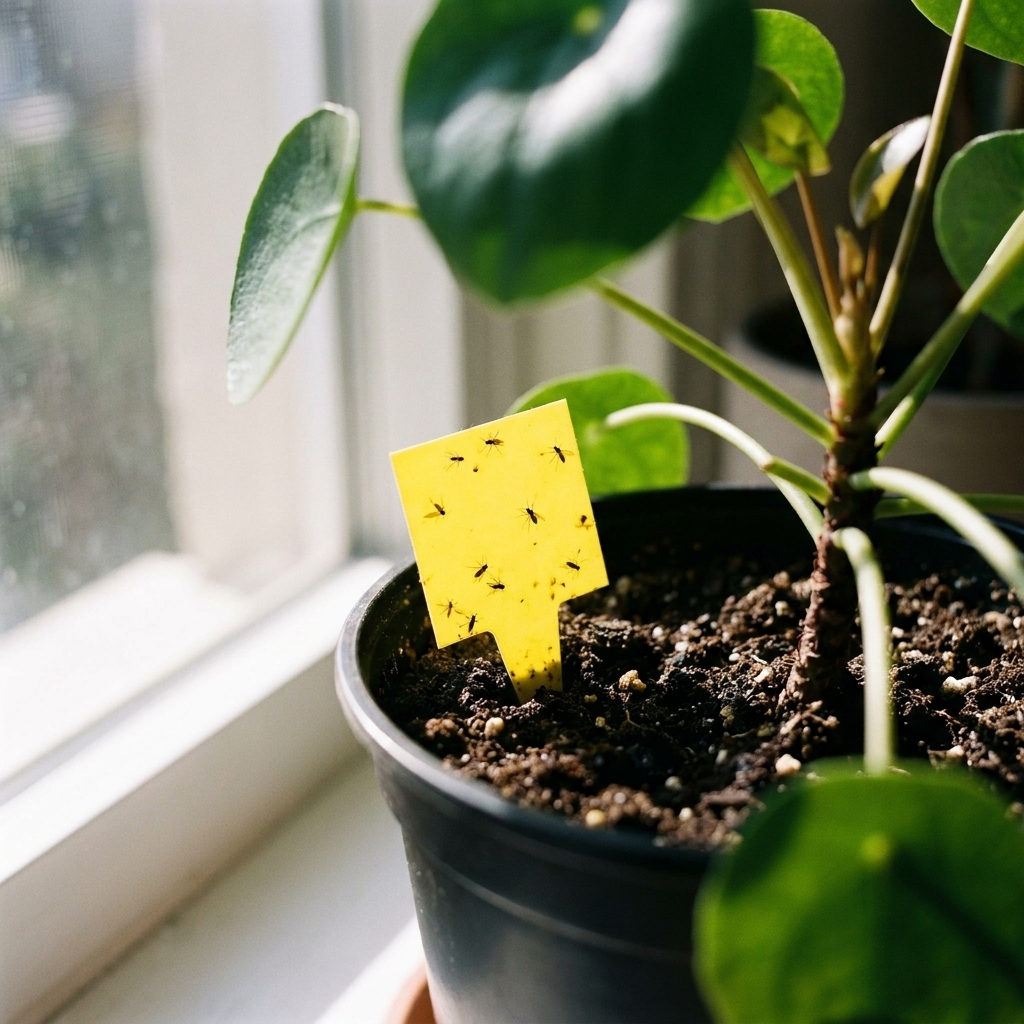
- Fix: Let the top inch dry between waterings when appropriate, use yellow sticky traps, and top-dress with a thin layer of fine pumice or horticultural grit to discourage egg laying. If you use sand, make it a very thin layer and only if it does not keep the surface wetter in your setup.
White crust on top of the soil
- Likely cause: Mineral buildup from hard water or fertilizer salts
- Fix: Flush the pot occasionally with plain water, and consider switching to filtered or rainwater for sensitive plants
Quick shopping list
If you want a streamlined setup that covers most indoor plants, this is the shortest ingredient list I would recommend:
- Coco coir (brick or bag), ideally washed and buffered
- Perlite or pumice
- Small or medium orchid bark
- Worm castings (optional but nice)
That combination alone will let you make an all-purpose mix plus a grittier version for succulents by adjusting the ratios.
FAQ
Is coco coir better than peat for houseplants?
Neither is perfect for every plant, but coir is very beginner-friendly indoors because it rewets easily and stays airy when paired with perlite and bark. Peat can work beautifully too, especially for plants that like a slightly acidic mix, as long as you moisten it well and keep compaction in check.
Can I use straight coco coir as potting soil?
I do not recommend it for most houseplants. Straight coir holds water but lacks structure and nutrition. Roots generally do better with added aeration (perlite or pumice) and some chunk (bark) so the mix does not collapse.
How often should I repot into fresh mix?
For many houseplants, every 12 to 24 months is a good rhythm. If your mix is breaking down, staying wet too long, or the plant is struggling despite good light and watering, fresh soil is often the reset button.
Do I need fertilizer if I add worm castings?
Usually, yes eventually. Castings are gentle and helpful, but they are not a complete long-term feeding plan. I treat them like a baseline, then supplement with either a balanced liquid fertilizer during the growing season or a gentle slow-release fertilizer, depending on the plant and how often I water.
My best rule of thumb
If you are unsure where to start, make the all-purpose mix, pot one plant, and pay attention to how long it takes to dry about halfway down the pot. That drying time tells you everything. If it is still wet after 7 to 10 days in average indoor conditions, add more air space next round. If it dries in two days and your plant looks thirsty, add a bit more moisture-holding material.
DIY soil mixing is just like gardening itself: a little science, a little observation, and a lot of learning as you go. And if you get it slightly wrong the first time, welcome to the club. I have killed plants in professionally mixed soils too.