A practical, gardener-to-gardener breakdown of liquid vs. granular fertilizer, including best use cases, timing tips, and common mistakes to avoid.
Gardening insights
Why Your Hydrangea Isn’t Blooming
Hydrangea all leaves and no flowers? Diagnose the most common causes, from pruning at the wrong time to too little sun, fertilizer issues, winter bud loss, and deer browsing, with quick fixes that work.

Elena Rosales
Elena Rosales is a certified Master Gardener and lifelong plant enthusiast who believes anyone can cultivate a green thumb. After transforming her tiny urban balcony into a thriving plant oasis, she moved to a half-acre homestead to grow her own food and flowers. Today, she shares practical, hands-on gardening advice to help the Hortello community bring more green into their lives.
Published October 1, 2026
Updated October 1, 2026
Few garden letdowns sting like a hydrangea that looks healthy, leafy, and downright smug, but refuses to bloom. I have been there. The good news is that hydrangeas are usually very consistent once you match your care to the type you have. Most “no blooms” mysteries come down to a handful of repeat offenders: pruning timing, not enough light, fertilizer choices, winter damage, wildlife browsing, and a few totally normal variety and timing quirks.
This guide is set up like a diagnosis. Find the description that matches what you see, then jump to the fix.
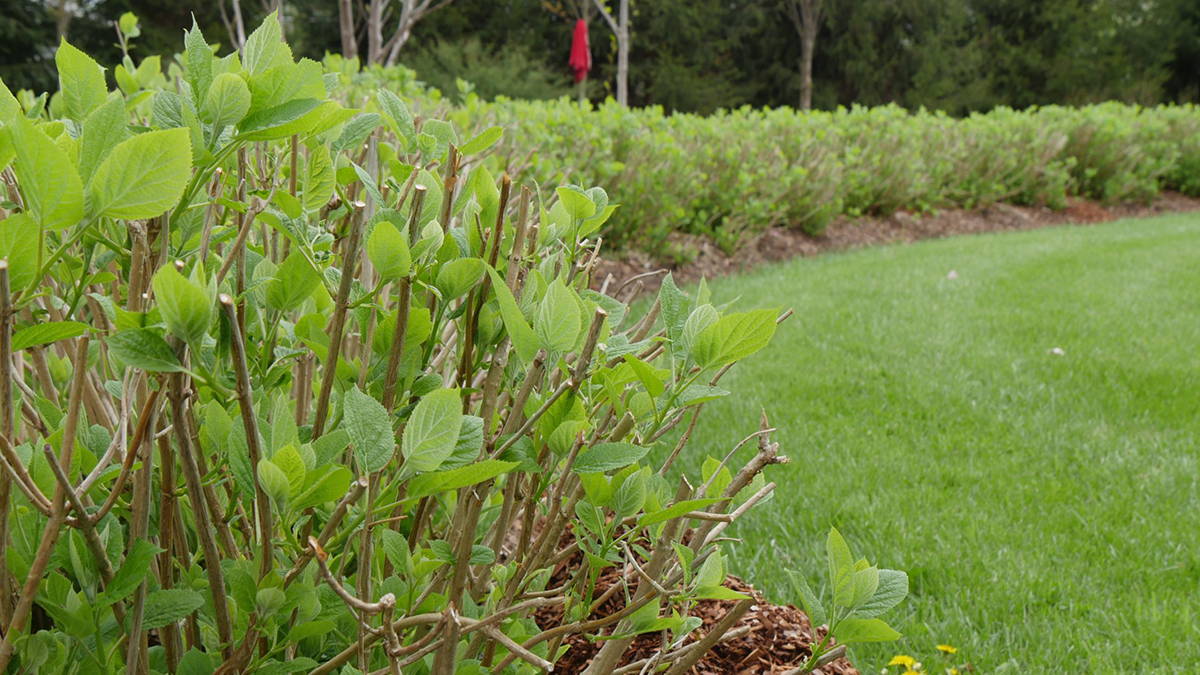
First, identify what you are growing
Hydrangeas do not all bloom the same way. Before you change anything, take two minutes to narrow down the type. The pruning rules and winter risks depend on this.
- Bigleaf hydrangea (Hydrangea macrophylla): classic blue or pink mopheads or lacecaps. Leaves are big and glossy. Many cultivars bloom primarily on old wood, and some are reblooming (they can also bloom on new growth).
- Mountain hydrangea (Hydrangea serrata): similar to bigleaf but usually smaller leaves and a more delicate look. Often blooms primarily on old wood, with some reblooming cultivars.
- Panicle hydrangea (Hydrangea paniculata): cone-shaped blooms, often white aging to pink. More sun tolerant. Blooms on new wood.
- Smooth hydrangea (Hydrangea arborescens): round white or greenish-white blooms like ‘Annabelle’. Blooms on new wood.
- Oakleaf hydrangea (Hydrangea quercifolia): oak-shaped leaves, gorgeous fall color, cone blooms. Typically blooms on old wood.
- Climbing hydrangea (Hydrangea anomala subsp. petiolaris): vines with flat white blooms. Can take years to bloom while it establishes.
If you still are not sure, snap a photo of the leaves and any flowers (or last year’s dried flowers) and compare to reputable nursery photos. Getting the ID right saves years of frustration.
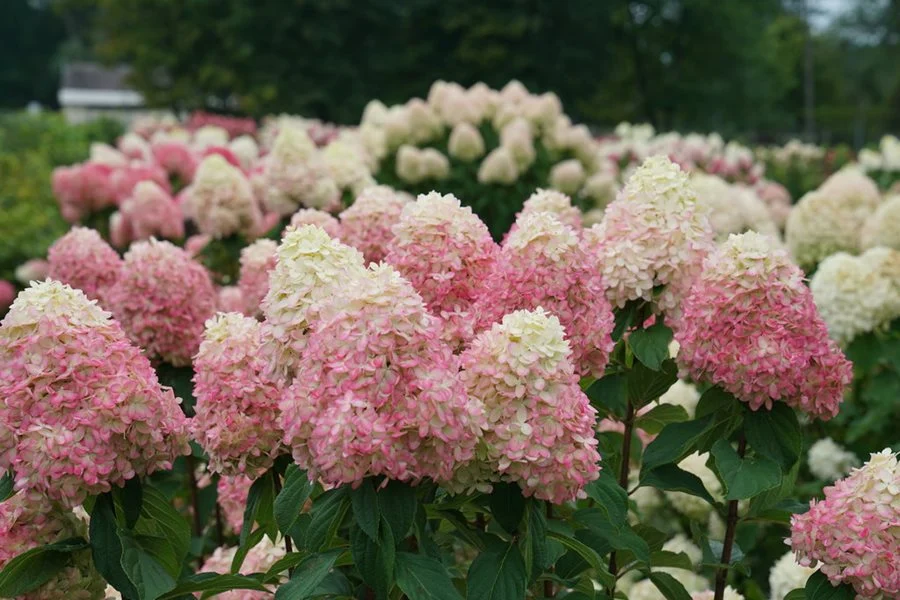
Pruning timing
If your hydrangea bloomed before and then stopped after a haircut, pruning is the prime suspect. The key phrase to know is old wood vs new wood.
Rule of thumb: bigleaf, mountain, and oakleaf are usually “prune after bloom” plants; panicle and smooth are “late winter or early spring” plants.
Symptom: lots of leaves, no buds, after pruning
Many bigleaf, mountain, and oakleaf hydrangeas form next year’s flower buds on old wood, meaning stems that grew last year. If you prune those stems in fall, winter, or early spring, you can remove the flower buds you were counting on.
Fix
- Stop pruning for one full season and let the plant reset. In spring, wait until you see what truly leafs out before you cut. What looks “messy” in April is sometimes the exact stem that would have flowered in June.
- For old-wood bloomers: prune only right after flowering, and keep it light. Think “tidy and shape,” not “shrink and shear.”
- When in doubt: do minimal pruning. Hydrangeas are not boxwoods and they do not respond well to being treated like hedges.
Good news: some types forgive you
Panicle and smooth hydrangeas bloom on new wood, so you can prune them in late winter or early spring and still get flowers the same year. If you have a panicle or smooth type and you are not blooming, pruning is less likely to be the issue.
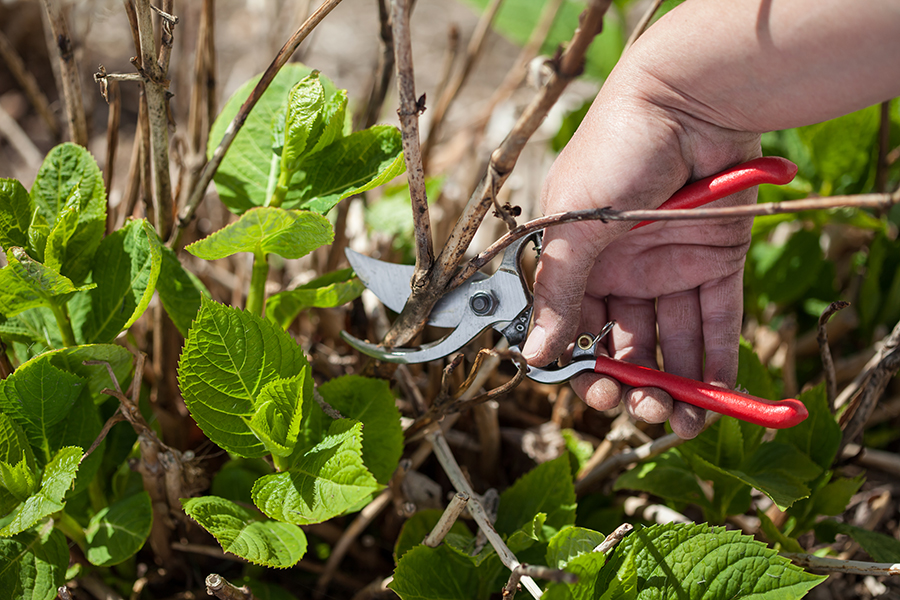
Sunlight
Hydrangeas can survive in more shade than they can bloom in. Many plants will keep pushing leafy growth in low light, which makes them look healthy while quietly skipping flowers.
Symptom: lush plant in deep shade, little to no flowering
If your hydrangea gets less than about 3 to 4 hours of direct sun, blooming can suffer in many gardens. The exact sweet spot depends on your climate. In hot zones, a few hours of morning sun may be perfect. In cooler coastal areas, a bit more sun is often fine and can improve flowering.
Fix
- Increase light gradually: thin overhead branches, remove nearby shrubs, or relocate the hydrangea in fall or early spring (while dormant).
- Aim for: morning sun with afternoon shade for bigleaf and oakleaf; more sun is fine for panicle and often for smooth hydrangeas if moisture is consistent.
- In containers: move the pot 3 to 6 feet into brighter light for a week, then evaluate. Small shifts can make a big difference.
One note from my urban balcony days: reflected light from a bright wall can boost bloom production, but it can also dry pots faster. If you brighten the spot, adjust watering too.
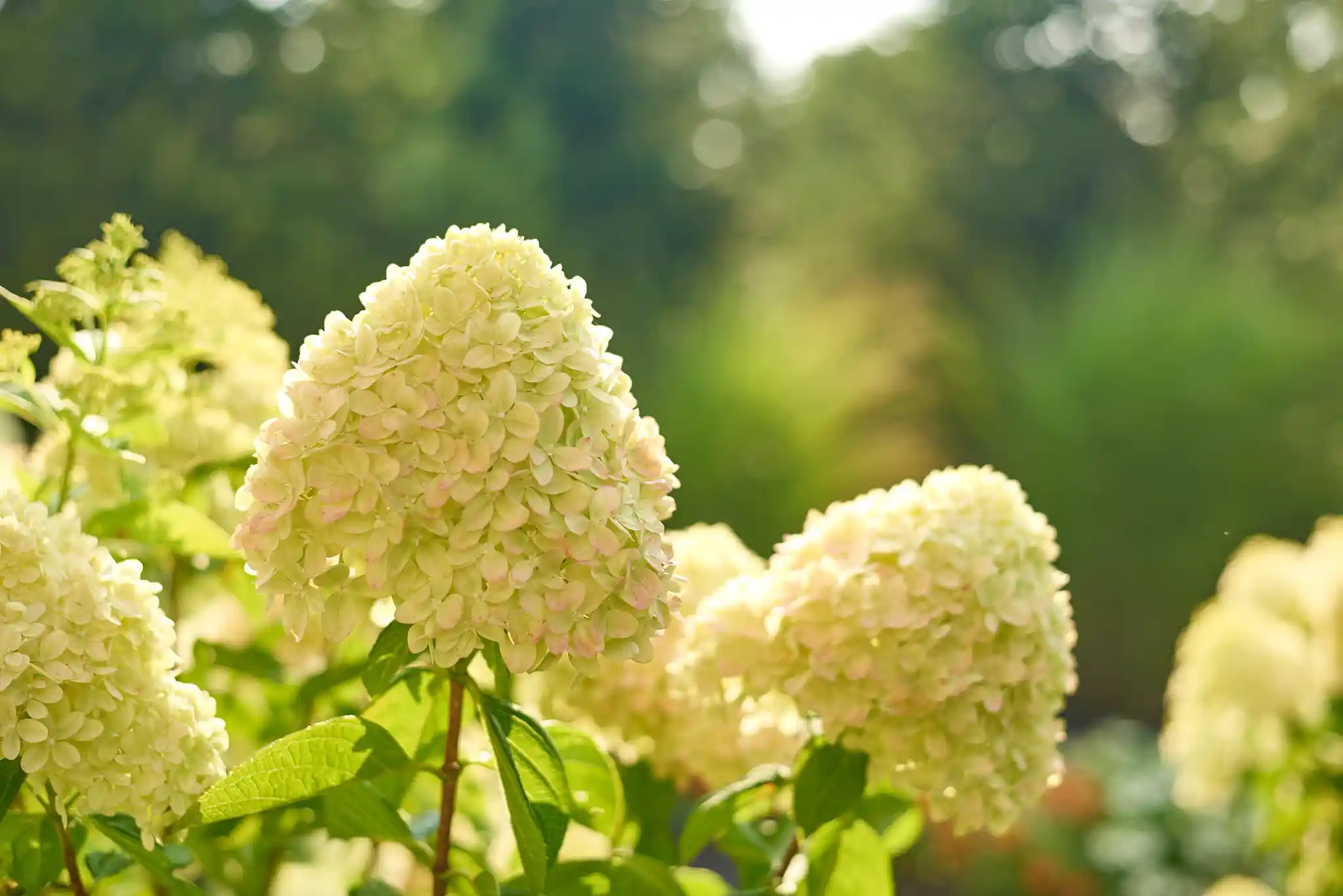
Fertilizer
Hydrangeas that are overfed often look like supermodels of foliage. Deep green leaves, long stems, no flowers. That is usually a nitrogen imbalance.
Symptom: fast leafy growth, weak or absent blooms
High-nitrogen fertilizers (common lawn fertilizers, some all-purpose blends) push leaves. Flowering takes a back seat.
Fix
- Do not fertilize blindly. If you can, get a simple soil test through your local extension office.
- Avoid lawn fertilizer drift: if you fertilize turf near hydrangeas, keep granules off the bed and water in the lawn carefully.
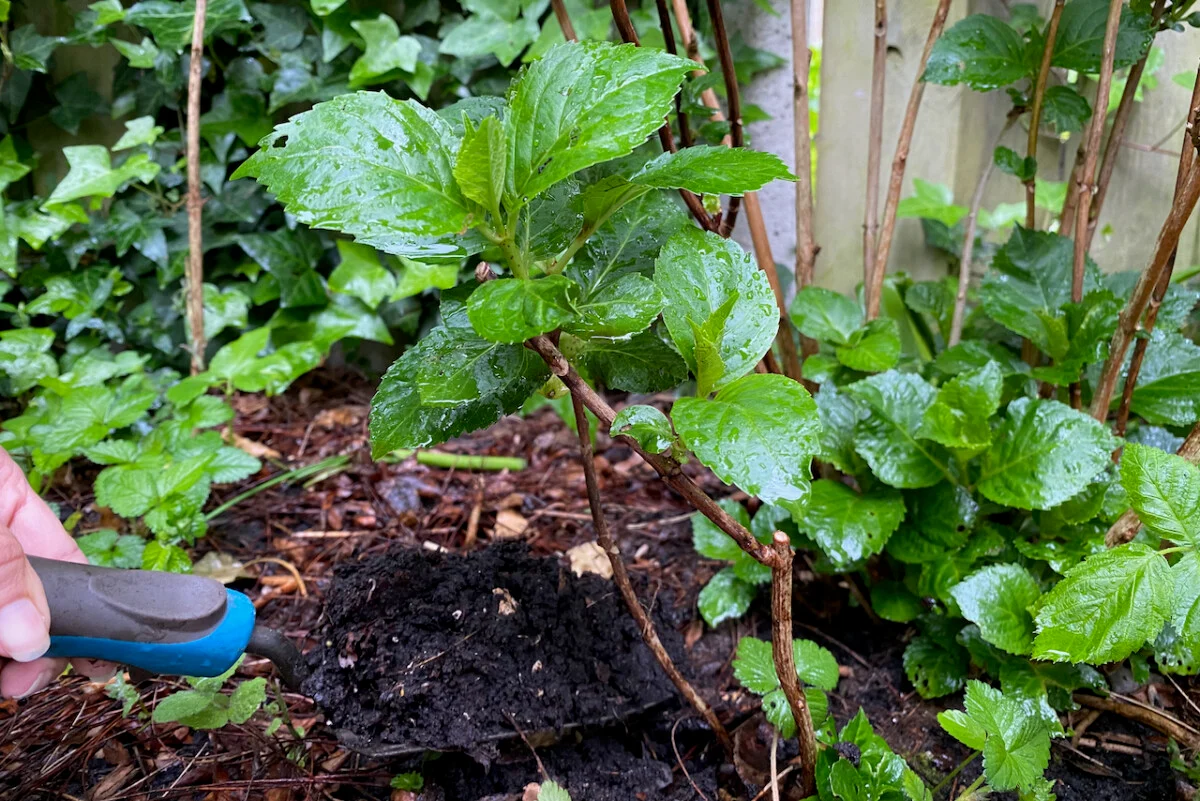
- If you fertilize at all: use a balanced, slow-release fertilizer in spring, or top-dress with compost. Many established hydrangeas need very little feeding.
- Skip mid to late summer feeding: it encourages tender growth that is more likely to get zapped by winter, especially on bigleaf types.
Also, if you have been watering with heavy doses of liquid fertilizer, ease off. Hydrangeas prefer steady, moderate nutrition, not energy drinks.
Winter damage
This is the heartbreak story for many bigleaf and oakleaf hydrangeas. The plant leafs out in spring, so it looks alive, but the flower buds that formed last year were killed by cold, drying wind, or late frosts.
Symptom: healthy leaves in spring, but no flowers on bigleaf or oakleaf types
If you had an unusually cold winter, a late freeze, or a warm spell followed by a hard frost, your flower buds may have been sacrificed.
Fix
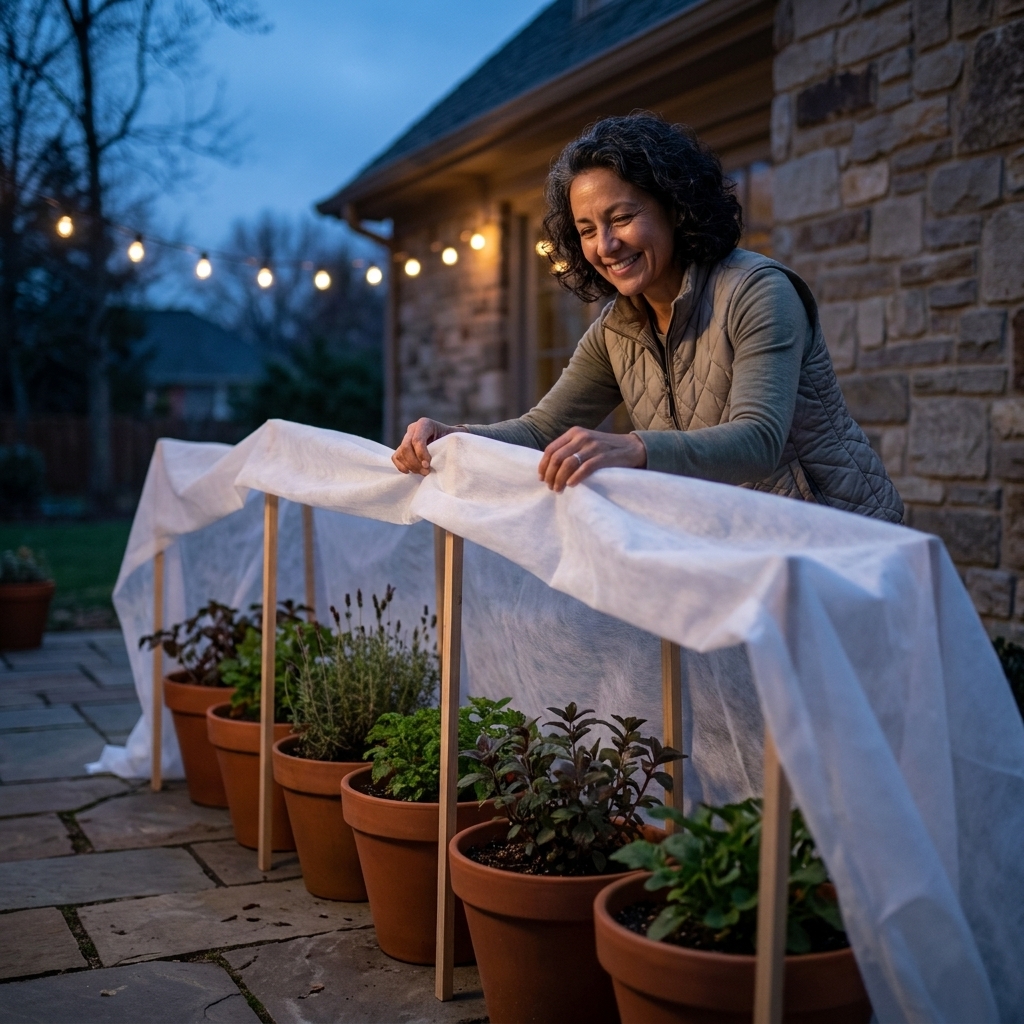
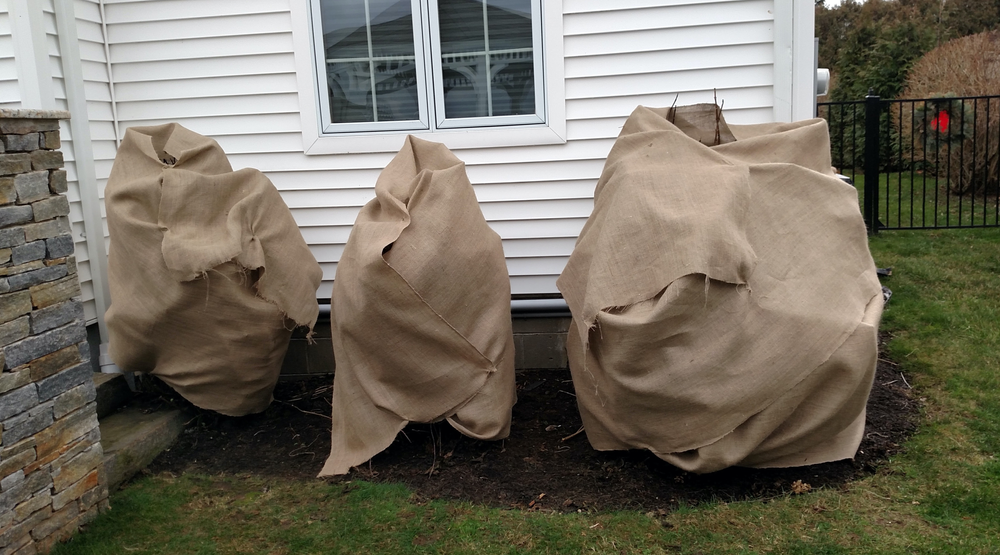
- Protect stems and buds next winter: mulch helps stabilize soil moisture and temperature (great for overall vigor), but bud protection is about shielding the above-ground stems from wind and temperature swings. After the ground begins to freeze, add a 3 to 6 inch layer of mulch over the root zone, and in borderline climates consider a breathable burlap wrap around the plant.
- Choose a sheltered microclimate: near a foundation, fence, or evergreen windbreak, but not under roof drip lines where ice and salt can splash.
- Consider reblooming cultivars: many modern bigleaf varieties can bloom on new wood as well, which helps after winter bud loss. They are not magic, but they are more forgiving.
- Be patient after a tough winter: some plants need a season to rebuild enough mature stems to set buds again.
A quick reality check: if you live where winter temperatures regularly dip below what bigleaf hydrangeas can tolerate, you may get sporadic blooms unless you protect them or pick a hardier type like panicle or smooth.
Wildlife browsing
If your hydrangea “almost” blooms but never quite gets there, check for hungry visitors. Deer and rabbits love hydrangeas, and they often nip off the tender tips where flower buds live.
Symptom: stems look clipped, buds disappear, new growth is chewed
Fix
- Look closely at the tips: clean, angled cuts can be rabbit; rougher torn ends can be deer. Either way, those missing tips can mean missing flowers for old-wood bloomers.
- Protect the plant: fencing is the most reliable. Repellents can help, but they need regular reapplication, especially after rain.
- In winter: browsing often gets worse when food is scarce, which is extra painful because it can remove next season’s buds.
Age and establishment
Newly planted hydrangeas often focus on roots first. And some types, especially climbing hydrangea, can take their sweet time.
Symptom: a young plant that grows, but has never bloomed
Fix
- Give it time: many hydrangeas bloom reliably by year two or three once established. Climbing hydrangea can take longer.
- Keep care steady: consistent moisture, mulch, and minimal pruning do more than frequent tinkering.
- Avoid transplant stress: moving a hydrangea repeatedly can delay flowering.
Water and drainage
Hydrangeas are not delicate flowers made of glass, but they do not bloom well under water stress. Drought can cancel flowering, and soggy roots can quietly stall the whole plant.
Symptom: wilting in heat, crispy leaf edges, weak flowering
Fix
- Deep water: soak the root zone rather than frequent sprinkles. The goal is consistent moisture.
- Mulch: 2 to 3 inches of leaf mold, bark fines, or compost helps keep soil evenly moist.
- Containers: check daily in summer. Pots can go from fine to fainting in one hot afternoon.
If your hydrangea wilts at midday but perks up later in the afternoon or evening after temperatures drop, that can be normal in heat. If it stays wilted into the evening, it is asking for water.
Symptom: lots of leaves, slow growth, and soil that stays wet
Fix
- Check drainage: hydrangeas like moisture, not swamps. If water sits for hours after rain, improve drainage with organic matter, adjust grading, or consider a raised bed.
- Water less often: if the top couple inches of soil are still damp, wait. Constantly wet soil can reduce vigor and flowering.
Variety and timing
Sometimes the plant is blooming exactly as designed, just not when you expect or not on the stems you are watching.
Late bloomers
Panicle hydrangeas often bloom later in summer. If you are comparing them to a neighbor’s bigleaf hydrangea, it can feel like yours is “not blooming” when it is simply not time yet.
Rebloomers are not nonstop
Reblooming bigleaf types can flower on old wood and new wood, but they still need enough sun, moisture, and time to build stems. After winter bud loss, they may bloom later and lighter than expected.
Flower color confusion
Color changes (blue vs pink) are about soil chemistry, not blooming. Adjusting color will not fix a no-bloom issue, and overdoing amendments can stress the plant.
Quick checklist
- You pruned in fall or early spring and now have no blooms: likely removed buds on an old-wood type. Pause pruning and only tidy after bloom.
- Plant is in deep shade: increase morning sun or relocate.
- Plant is huge and leafy, especially near a fertilized lawn: cut back on nitrogen, use compost, consider a soil test.
- Bigleaf or oakleaf looked fine but had a harsh winter or late frost: buds likely winter-killed, protect stems next year or switch to hardier or reblooming options.
- Tender tips keep disappearing: deer or rabbits may be eating buds. Protect the plant.
- New plant or recently transplanted: give it a season to settle, keep watering consistent.
FAQ
Should I cut my hydrangea to the ground to make it bloom?
Only consider a cut-back that drastic for smooth hydrangeas, which bloom on new wood. For panicle hydrangeas, you can cut back hard in late winter or early spring, but usually not all the way to the ground. A hard prune can give you fewer, larger blooms, and it can also delay bloom time and sometimes cause floppier stems if you go too far.
For bigleaf, mountain, and oakleaf types, cutting to the ground usually removes flowering wood and can set you back.
My hydrangea has buds, but they turn brown and fall off. Why?
Late frost, drying winds, or drought stress are common causes. Protect during spring cold snaps (a light sheet overnight can help), water deeply during dry spells, and avoid pushing tender growth with late-season fertilizer.
Can I move my hydrangea to get more blooms?
Yes, especially if it is too shady. Transplant in fall or early spring, keep as much root ball as you can, water consistently the first season, and expect a brief pause in flowering while it re-establishes.
Do I need to deadhead hydrangeas?
Deadheading makes the plant look tidier, but it is rarely the reason a hydrangea will not bloom. If you have an old-wood bloomer, avoid cutting stems back far. Snip just below the spent flower head, above a set of healthy buds.
Why do potted hydrangeas fail to bloom after winter?
Containers expose roots and stems to colder temperatures and drying winds than in-ground plants. In cold climates, overwinter pots in a sheltered spot like an unheated garage or against a protected wall, and keep soil barely moist. The goal is to prevent deep freezing and bud damage, not to keep the plant actively growing.
Next step
If you take away one thing, let it be this: match pruning and expectations to your hydrangea type. That single change fixes most bloom problems. If you want, take a photo of the leaves and overall plant shape and compare it to the types listed above. Once you know what you are growing, the solution usually becomes obvious.