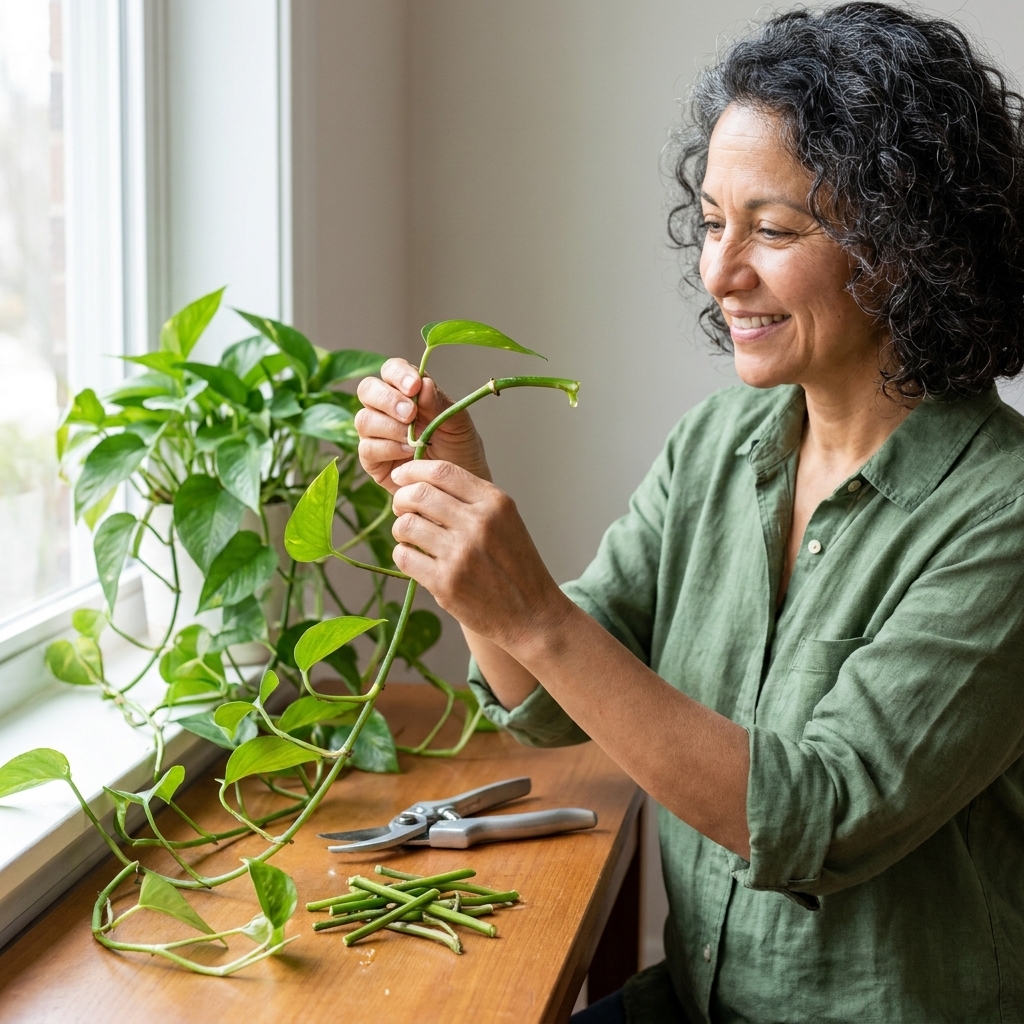
Turn sparse, stretched houseplants into fuller plants with smart pruning. Clear steps on where to cut, how to root the cuttings, and aftercare for fast regro...
Gardening insights
When to Prune Lavender for Bigger Blooms
Prune lavender at the right time for fuller plants and bigger blooms. Learn the best seasonal window, how much to cut back, and how to avoid woody stems, plus an easy yearly schedule.

Elena Rosales
Elena Rosales is a certified Master Gardener and lifelong plant enthusiast who believes anyone can cultivate a green thumb. After transforming her tiny urban balcony into a thriving plant oasis, she moved to a half-acre homestead to grow her own food and flowers. Today, she shares practical, hands-on gardening advice to help the Hortello community bring more green into their lives.
Published September 30, 2026
Updated September 30, 2026
Lavender is one of those plants that rewards you for one simple habit: regular pruning. Skip it, and you often get a leggy shrub with a woody base and blooms that look a little tired. Prune at the right time, though, and you will get a tighter, healthier plant that produces more flowering stems and stays attractive for years.
I learned this the hard way on my old balcony. My first lavender looked like a little gray tumbleweed by year two because I was too timid to cut it back. Once I started pruning with a plan, the difference was immediate: bushier growth, more buds, and stems that did not flop open the moment summer heat hit.
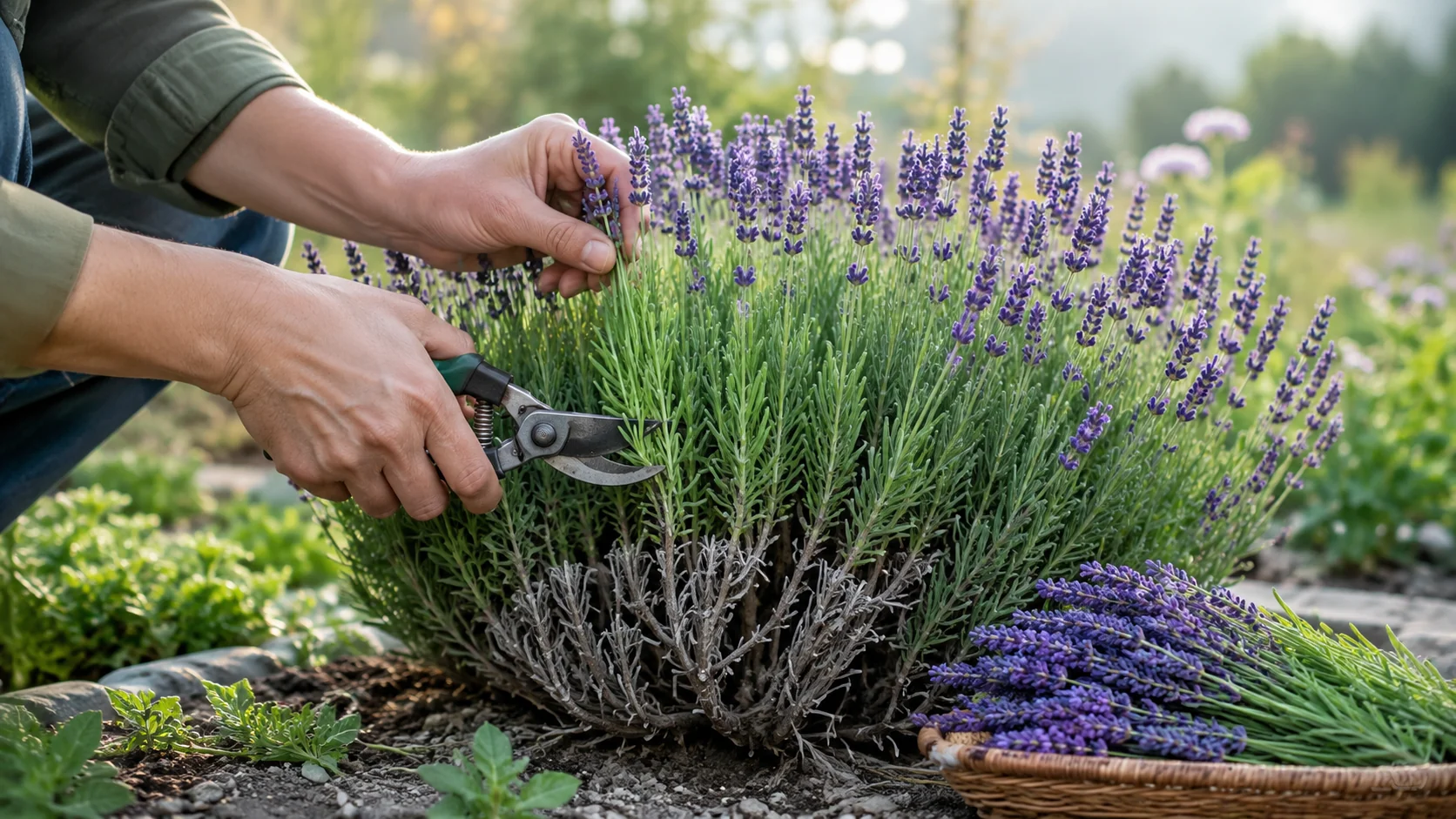
The best time to prune lavender
The best pruning window depends on what you are trying to accomplish. For bigger blooms and a fuller plant, think in two main sessions: a post-bloom prune (your most important one) and a light spring tidy.
After flowering: the main prune
Timing: Right after the main flush of flowers fades, typically mid to late summer. In cool climates this may be earlier; in hot climates it can stretch later.
A helpful rule of thumb: In places with real winter, try to finish your main prune about 4 to 6 weeks before your first expected frost. That gives the plant time to make and harden off some fresh growth.
Why it works: Pruning right after blooming encourages the plant to branch while conditions are still warm and bright. More branching means more flowering tips next season. Some flower buds are influenced by growth made the prior season, and timing varies by cultivar and climate, but the big-picture benefit is consistent: a well-pruned plant tends to bloom better and hold its shape.
Early spring: a light tidy
Timing: When you see new green growth starting at the base and along stems, but before the plant is in full leaf and definitely before it buds heavily.
Why it helps: A light spring prune tidies winter damage and keeps the plant symmetrical, but it is not the moment for aggressive cutting. In many regions, hard spring pruning can delay flowering and increase stress if a late frost hits tender new growth.
What about fall pruning?
If you live where winters are mild and dry, a late-summer prune (after bloom) often blends right into early fall, and that is fine. But avoid a hard prune very late in the season in colder or wetter climates. Tender new growth may not harden off before frost, and wet cold around fresh cuts can invite dieback, especially in poorly drained soil.
How much to cut back
Here is the biggest lavender pruning rule, and it is worth taping to the inside of your garden shed:
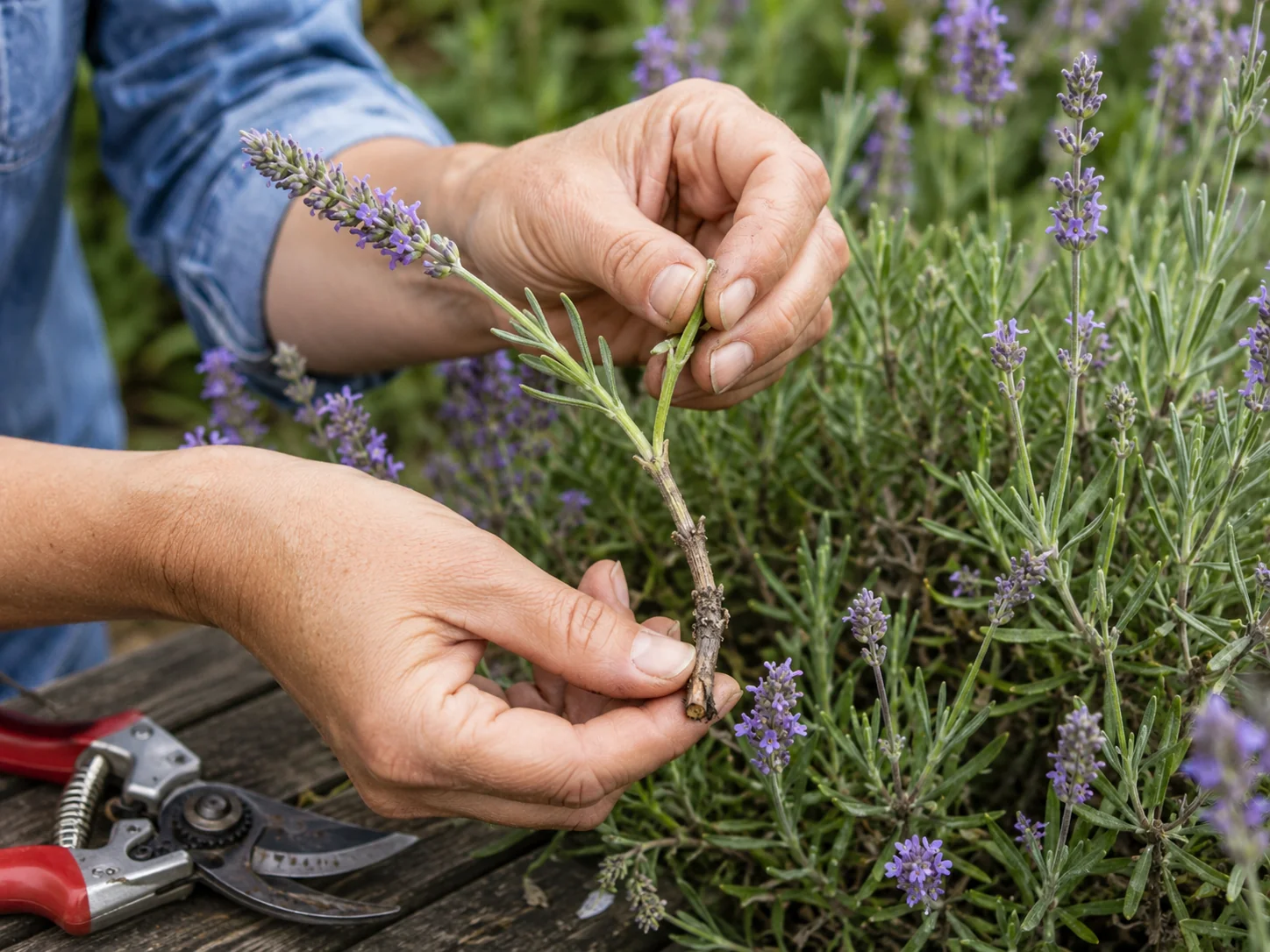
Do not cut into old, leafless wood unless you know that variety reliably resprouts from it.
Some lavender will resprout from older wood under ideal conditions, but it is inconsistent. Do not bet the plant on it.
Most common lavenders do not bounce back well from a deep cut into bare wood. Instead, prune where you still see green leaves.
For routine pruning on healthy plants
- Remove the spent flower stalks down into the leafy part of the plant.
- Then take an additional 1 to 2 inches of green growth off the mound to shape it.
- Aim to remove up to about one-third of the plant’s current green growth after flowering (closer to one-quarter if the plant is stressed, closer to one-third or even a bit more if it is vigorous).
This “up to one-third of green growth” approach encourages branching without forcing the plant to regenerate from old wood.
Shaping vs renovation
Lavender pruning is not one-size-fits-all. There is the regular annual haircut, and then there is a more cautious renovation approach for older, woody plants.
Light shaping
Use this when: your lavender is under about 4 or 5 years old, still has lots of leafy growth, and looks like a tidy mound.
What you do: after bloom, cut off spent stalks and shape the plant into a dome, removing up to about one-third of the green growth. In spring, do a small tidy only.
Renovation pruning
Use this when: the plant has a thick woody base, stems are bare for several inches, and flowering happens mostly at the ends.
What you do: renovate gradually over 2 to 3 seasons. Each year after flowering, cut back a bit more than usual, but still stop above where you see green leaves. Your goal is to coax leafy growth closer to the base over time.
When renovation will not work: If your lavender is mostly woody with very little green, and the stems are bare all the way down, it may not resprout well. In that case, taking cuttings from the healthiest tips and replacing the plant is often the kinder, faster path to a lush lavender hedge.
A simple pruning schedule
If you want an easy routine you can repeat every year, this is it:
Late winter to early spring
- Wait until you see new growth starting.
- Remove winter-killed tips and any broken stems.
- Lightly shape only. Think: tidy, not drastic.
During bloom
- Harvest flowers freely. Snipping flower stems for bouquets counts as light grooming.
- Avoid shearing the whole plant while it is actively pushing blooms unless you are deadheading a small flush.
Right after the main flush
- Deadhead and prune back into the leafy mound.
- Remove up to about one-third of the green growth.
- Shape into a rounded dome to shed water and encourage even regrowth.
Late fall to early winter
- Leave it mostly alone.
- Only remove obvious dead, diseased, or snapped stems.
Step-by-step pruning
Start with clean, sharp tools. Hand pruners are ideal for most plants, especially when you are trying to stay above that green line. For a big hedge of lavender, you can use shears to lightly shape after you have removed flower stalks, but be careful not to skim so low that you expose bare wood.
If you are cutting out anything that looks diseased, disinfect your blades before moving on to the next plant.
Find the green line. Look for where leafy growth starts on each stem. Plan your cuts above that point.
Cut off spent flower stems first. This gives you a clearer view of the plant’s structure.
Shape the plant into a dome. Rounded lavender tends to hold up better in wind and rain, and it grows more evenly.
Step back every few cuts. It is surprisingly easy to over-prune one side. I do the “two steps back” check like I am trimming bangs.
Why pruning boosts blooms
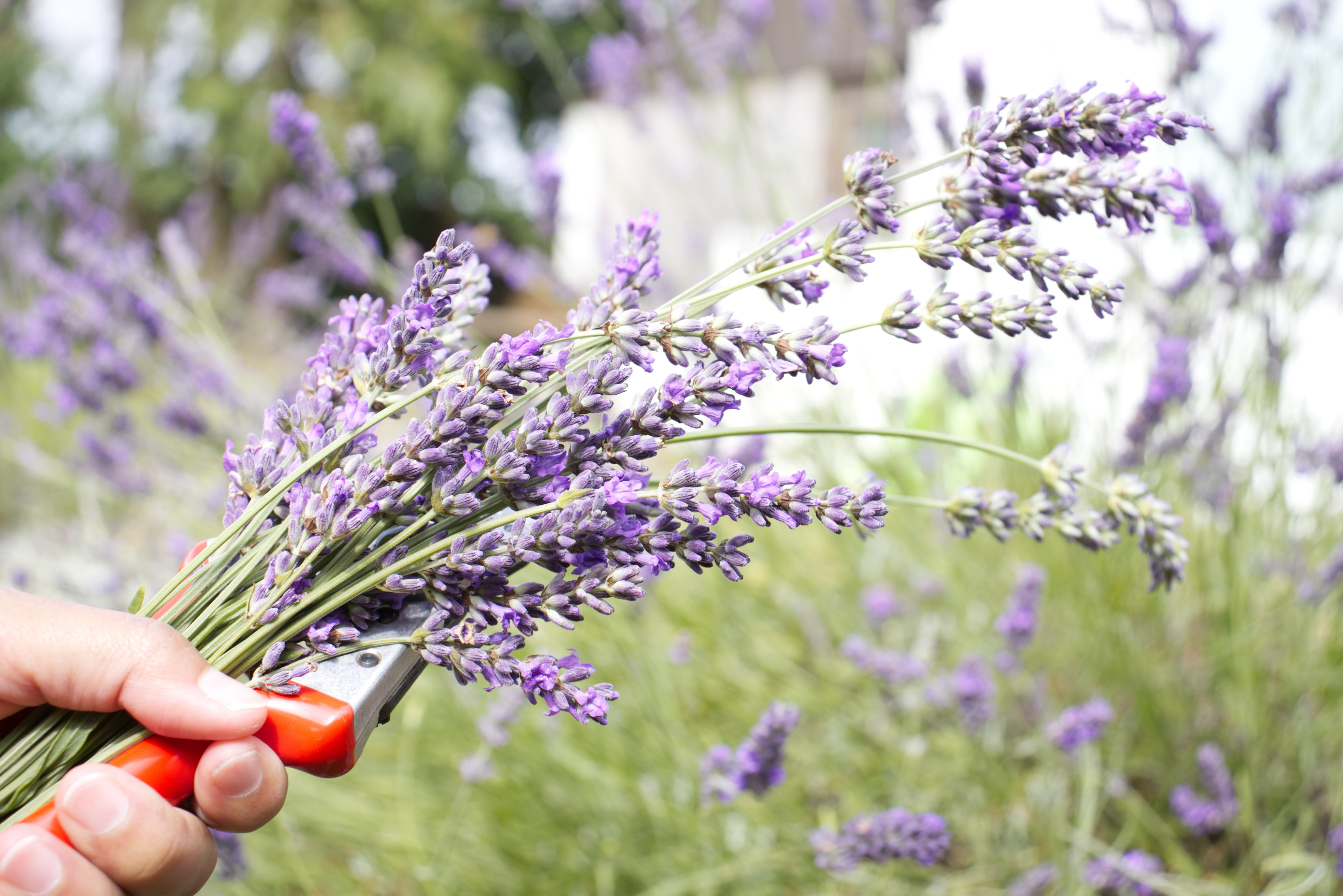
Lavender blooms form at the tips of new growth. When you prune, you encourage the plant to branch. More branches means more tips. More tips means more flower spikes. The timing matters because you want those new branches to develop when conditions are favorable and before the plant shifts into winter survival mode.
The other reason pruning helps is airflow and light. A dense, well-shaped lavender plant with plenty of young growth tends to produce sturdier flowering stems and fewer weak, shaded shoots.
Common pruning mistakes
Cutting into bare wood
Why it is a problem: Many lavenders struggle to push new shoots from old wood, so deep cuts can leave permanent bald patches or kill sections.
Do this instead: Always leave a cushion of leafy green growth on every stem you cut. Even if you have heard that some plants resprout from older wood, it is unreliable.
Pruning too late
Why it is a problem: Late cuts can trigger tender new growth that gets zapped by frost or sits wet in cold weather.
Do this instead: Make your main prune right after flowering and aim to finish 4 to 6 weeks before first frost in colder zones.
Skipping pruning
Why it is a problem: Plants get leggy and woody, blooms move farther from the base, and the shrub can split open.
Do this instead: Even a modest post-bloom cut and a spring tidy will dramatically improve longevity.
Shearing like a hedge every few weeks
Why it is a problem: Constant shearing can remove forming buds and create a thin “skin” of foliage over wood.
Do this instead: Do one thoughtful post-bloom prune, plus light cleanup as needed.
Does type change timing?
Yes, a little. The basic rule is the same, but bloom timing can shift.
- English lavender (Lavandula angustifolia): Often blooms early to mid-summer. Prune after the main flush, then do a light spring tidy.
- Lavandin (Lavandula x intermedia): Typically blooms a bit later and grows larger. It benefits from the same post-bloom prune, and shaping matters because big plants can split.
- Spanish lavender (Lavandula stoechas) and other tender types (often including Lavandula dentata): Can bloom in waves in mild climates. Instead of one big cut, you may do repeated deadheading and a moderate shaping after the strongest bloom period. Still avoid cutting into leafless wood.
FAQ
Can I prune lavender when it is flowering?
You can harvest flower stems while it blooms, and that is perfectly fine. Save the heavier shaping cut for right after the main flush is finishing so you do not remove lots of developing buds.
How do I know if a stem is dead?
Dead lavender stems look gray-brown and brittle, and they snap cleanly. Living stems usually have some flexibility and may show a hint of green if you lightly scratch the surface with your fingernail.
My lavender is huge and woody. Should I cut it to the ground?
I would not. Most lavenders do not reliably regrow from a hard cut to bare wood. Renovate gradually over a few seasons, or take cuttings and replace the plant if it is mostly wood with very little leafy growth.
Should I fertilize or water after pruning?
Lavender prefers lean, well-drained soil. Heavy feeding can give you lush leaves and fewer flowers. If your soil is truly poor, a very light top-dressing of compost can help, but avoid rich, moisture-holding amendments.
After pruning, water only as needed. The goal is steady growth, not soggy roots. Good drainage does more to prevent dieback than any fertilizer ever will.