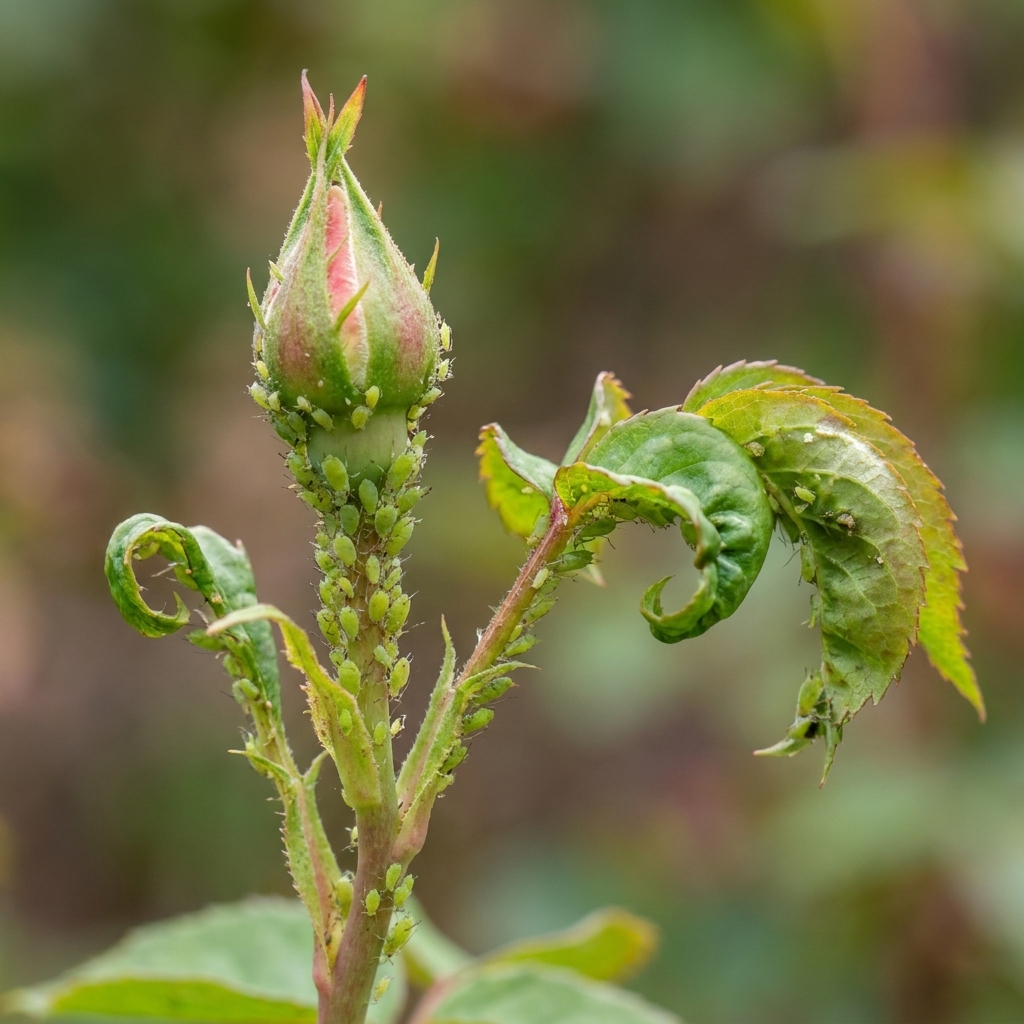
Aphids love tender rose growth, but you can beat them organically. Try water sprays, beneficial insects, insecticidal soap, and neem or horticultural oil wit...
Gardening insights
Aphids on Garden Plants
Seeing curled leaves or sticky stems? Learn how to spot aphids early, which plants they love most, and how to get rid of them naturally with water, pruning, soap sprays, and beneficial insects.

Elena Rosales
Elena Rosales is a certified Master Gardener and lifelong plant enthusiast who believes anyone can cultivate a green thumb. After transforming her tiny urban balcony into a thriving plant oasis, she moved to a half-acre homestead to grow her own food and flowers. Today, she shares practical, hands-on gardening advice to help the Hortello community bring more green into their lives.
Published September 28, 2026
Updated September 28, 2026
If you have ever walked out to the garden and found brand-new growth looking crinkled, sticky, and generally offended by life, you have probably met aphids. They are tiny, they multiply fast, and they love the soft, juicy parts of plants. The good news: for light to moderate infestations, you can usually knock them back with simple, low-cost, pollinator-friendly habits. Stubborn or severe outbreaks may take repeated treatments and tighter prevention.
I have battled aphids everywhere from a windy apartment balcony to my current homestead beds. The biggest lesson I learned is this: aphids are easiest to manage when you catch them early. Let’s get you to that “two-minute garden scan” level of confidence.
What aphids look like
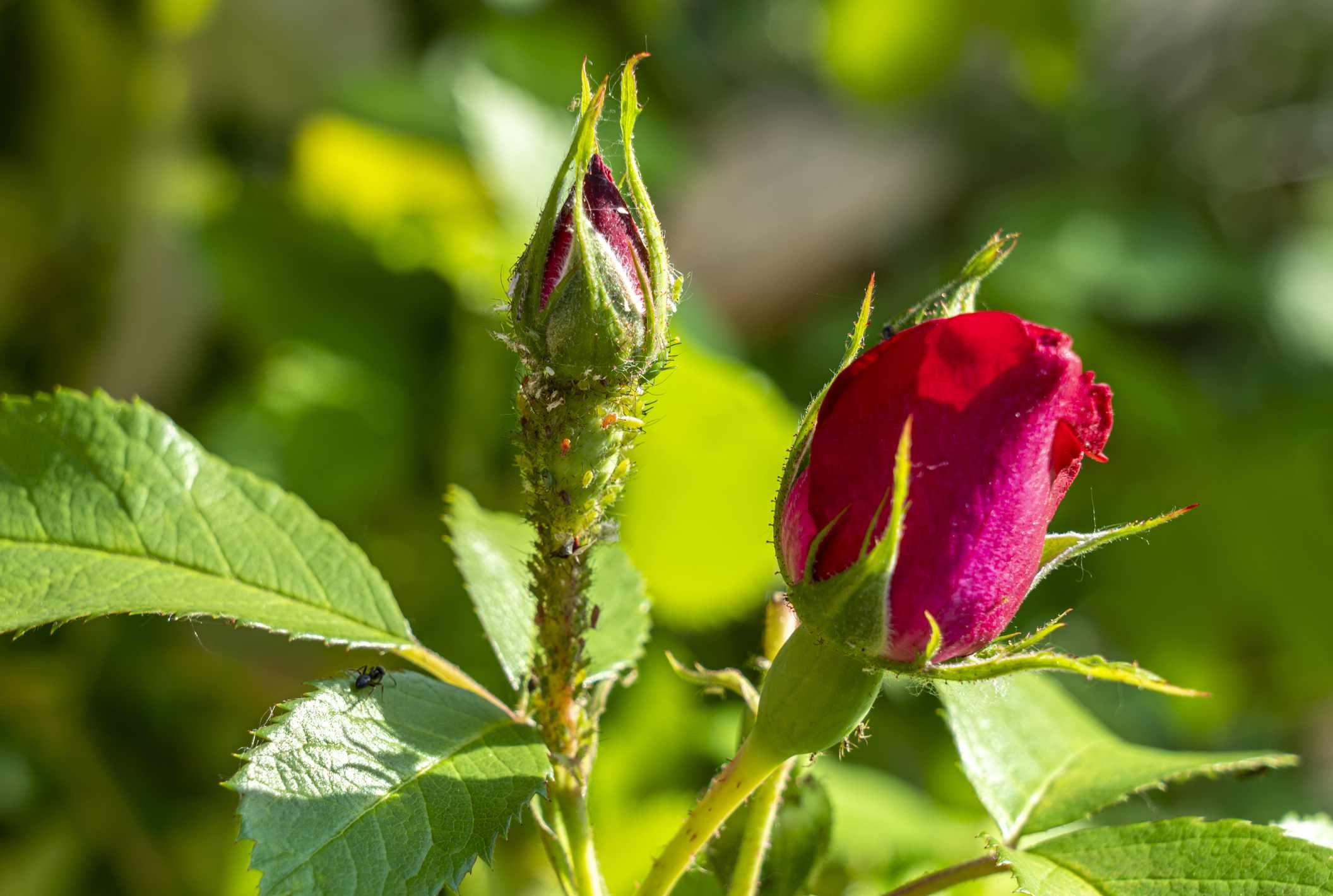
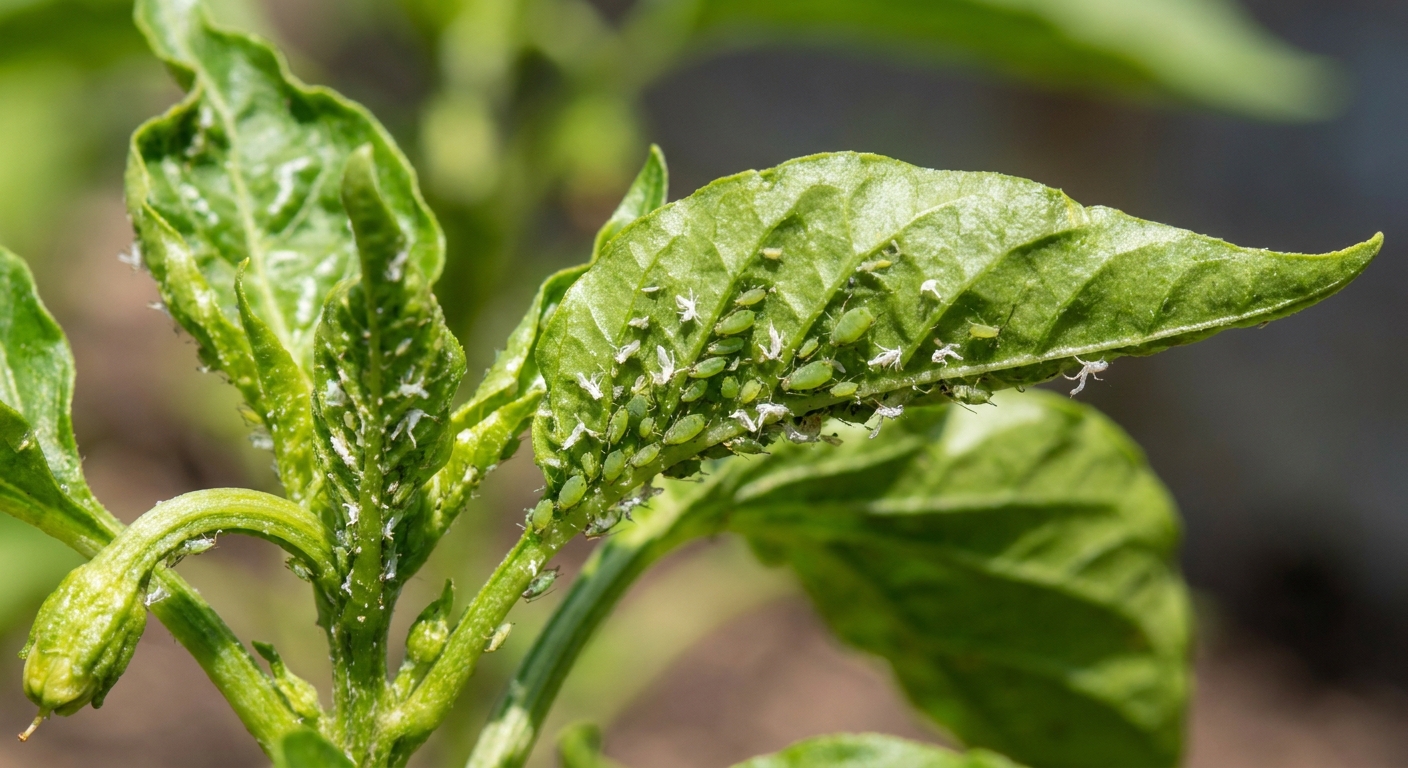
Aphids are small, soft-bodied insects that suck plant sap. Most are 1 to 3 mm long. You will usually see them in clusters, rarely solitary.
Common aphid colors
- Green (very common on roses, peppers, and many leafy plants)
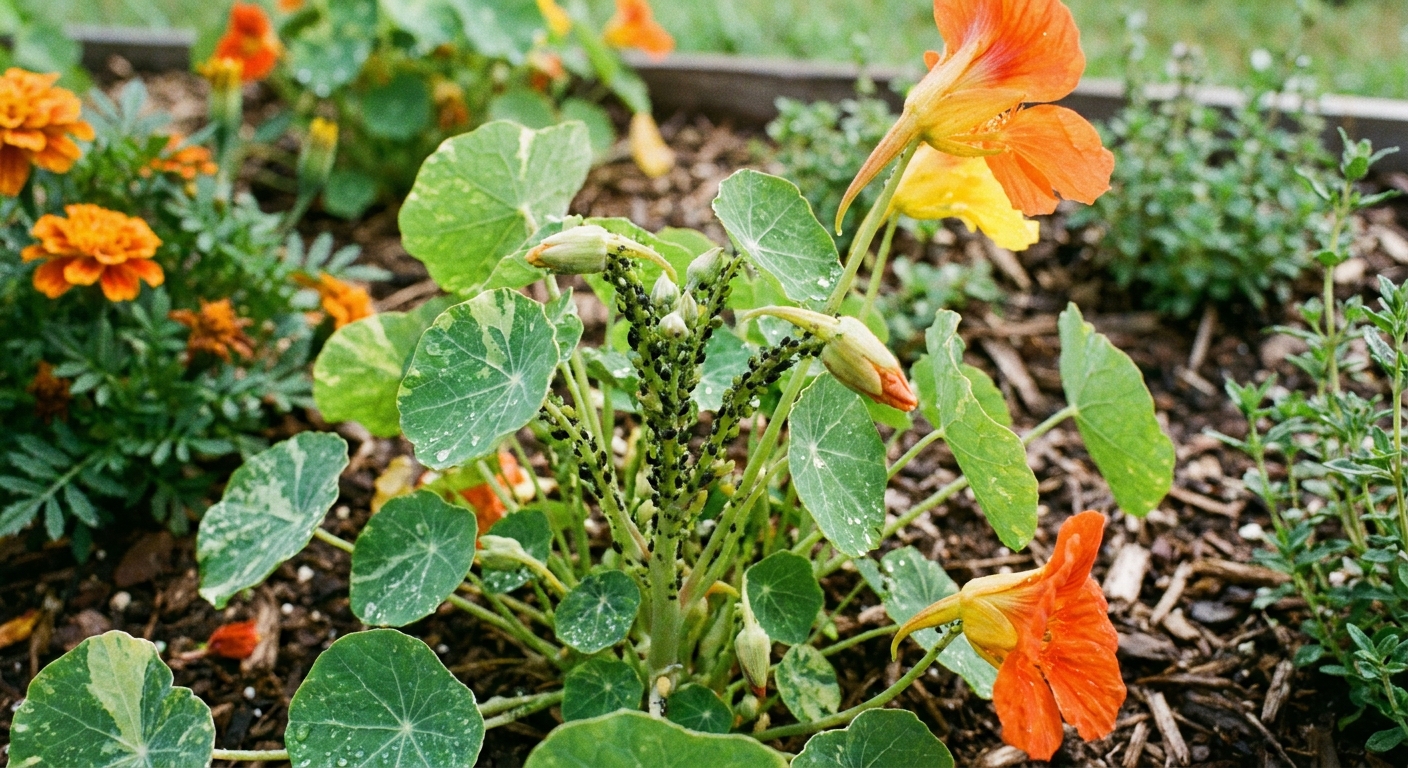
- Black (often on fava beans, nasturtiums, and some ornamentals)
- Yellow, gray, or pink (varies by species and host plant)
Where they hide
- On new growth, especially tips and tender shoots
- On the undersides of leaves
- Inside folded or curled leaves
- Along flower buds and stems
Sometimes you will also spot shed white “skins” (molted exoskeletons) stuck to leaves. That is a clue the colony has been there for a bit.
Signs of aphid damage
Aphid damage can look dramatic, especially on tender annuals, but it usually builds in a predictable way.
1) Curled or distorted leaves
Aphids target soft growth. The plant tissue gets misshapen as it develops, so you end up with tight curls, wrinkling, and stunted tips.
2) Sticky residue (honeydew)
As aphids feed, they excrete a sugary liquid called honeydew. You might notice leaves or patio furniture beneath the plant feeling tacky.
3) Sooty mold
Honeydew can lead to a blackish film called sooty mold. It is mostly cosmetic, though heavy coatings can weaken plants by blocking light. Remove the aphids and it stops spreading.
4) Ant traffic
Ants love honeydew. If you see ants marching up a plant, look closely for aphids. Ants sometimes “farm” aphids and protect them from ladybugs and other predators.
5) Buds that open poorly
On roses and other flowering plants, aphids can cause buds to deform or open poorly.
Plants aphids love
Aphids are not picky, but they do have favorites. In general, they target lush, nitrogen-rich, tender growth. That is why a plant that was recently fertilized can suddenly become an aphid magnet.
Commonly affected vegetables
- Kale, collards, broccoli, and cabbage (look for aphids tucked into folds)
- Lettuce (especially in warm spells)
- Beans
- Peppers and tomatoes (usually on new tips)
- Cucumbers and squash (tender shoots and leaf undersides)
Commonly affected herbs and flowers
- Dill, fennel, and parsley (umbel flowers can host large colonies)
- Milkweed (oleander aphids are common)
- Roses (classic aphid host, especially spring flushes)
- Nasturtiums (often act as a “trap plant” because aphids flock to them)
Tip from my container-gardening days: patio peppers, basil, and roses get aphids fast because plants are close together and new growth is constant. A quick hose rinse every few days during warm weather can keep a small problem from turning into a full-blown takeover.
Before you treat: a 60-second check
Not every aphid sighting calls for spraying. A few aphids can be a snack bar for beneficial insects.
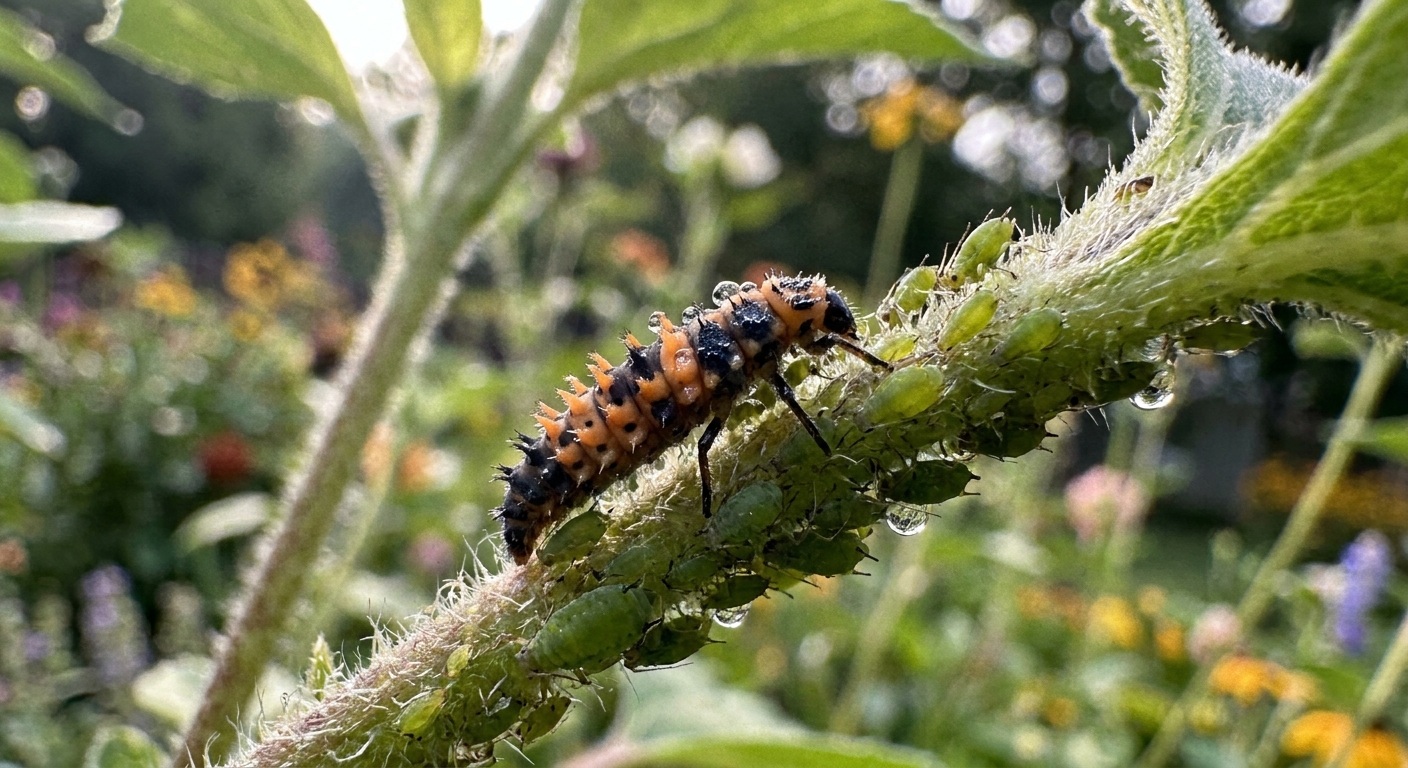
- Check for beneficials: ladybugs (adults and alligator-looking larvae), lacewing larvae, syrphid fly larvae, and tiny parasitic wasps.
- Check the plant’s overall health: Is it growing well, flowering, or setting fruit? Mild aphid pressure on a vigorous plant is often manageable.
- Decide your threshold: Seedlings and new transplants need faster intervention. Established shrubs can tolerate more.
When to act fast
If you are growing peppers, cucurbits (cucumbers, squash), potatoes, or other virus-prone crops, treat early. Aphids can transmit plant viruses, and it can take only a small number feeding briefly to spread disease. In that situation, do not wait for a big colony.
Natural ways to get rid of aphids
I like to treat aphids like a ladder. Start with the gentlest step and move up only if you need to.
Step 1: Blast them off with water
This is my go-to for most vegetables and ornamentals. Use a firm spray of water to knock aphids off stems and leaf undersides.
- How: Aim at the undersides and new growth. A spray nozzle with a jet setting helps.
- When: Morning is best so foliage dries quickly.
- How often: Every 1 to 3 days for a week if needed.
A significant portion of aphids that get knocked off will not make it back, especially in mulch or soil. That said, some can crawl back, and winged aphids can re-colonize, so plan on repeat sprays during flare-ups.
Step 2: Prune the worst parts
If a plant tip is heavily coated and already distorted, snip it. You are removing a big chunk of the population in seconds.
- Drop prunings into a bucket of soapy water, or seal them in a bag.
- On roses, pruning also encourages fresh growth once the pressure is reduced.
Step 3: Squish small clusters
It sounds a little gross, but it is effective. Gloves help. On sturdy plants, you can wipe aphids off with your fingers or a damp paper towel.
Step 4: Use insecticidal soap
Insecticidal soap works by disrupting cell membranes on soft-bodied insects. It is effective and relatively gentle when used correctly, but it must contact the aphids to work.
- Best choice: A labeled, ready-to-use insecticidal soap from a garden store.
- How to apply: Spray directly on aphids, including leaf undersides. Spray to wet the surfaces, not to dripping runoff.
- Timing: Evening or early morning, not in midday heat.
- Reapply: Every 4 to 7 days as needed, especially after rain.
About DIY soap mixes: I do not recommend them for most gardeners because many dish soaps contain degreasers, dyes, or fragrances that can burn foliage. If you still choose to try a homemade mix, keep it mild, use unscented soap with no degreasers, mix at a low concentration, test on a few leaves, and wait 24 hours before treating the whole plant. When in doubt, stick to a labeled insecticidal soap.
Step 5: Use neem oil or horticultural oil thoughtfully
Oils can help with aphids, but they are a broader tool and can harm some beneficials on contact. They can also injure plants that are heat-stressed or drought-stressed.
- Use only as needed, and spray when pollinators are not active.
- Avoid spraying during hot weather or on thirsty plants. Treat in the cool of the day and water appropriately.
- Follow label directions closely. More is not better with oils.
Step 6: Invite beneficial insects
Ladybugs get the glory, but a whole cast of tiny predators and parasitoids keep aphids in check.
- Plant for beneficials: sweet alyssum, dill, yarrow, calendula, borage, and native flowers.
- Go easy on broad sprays: even organic sprays can disrupt helpers.
- Provide water: a shallow dish with stones can support beneficial insects.
About buying ladybugs: it can be hit or miss. Many fly away. I prefer building habitat and letting local beneficials move in, but purchased ladybugs can help if you release them at dusk, lightly mist plants first, and provide nearby flowering plants.
Optional tools for veggies
- Row covers: On young plants, a lightweight insect netting or floating row cover can reduce aphid pressure (remove for pollination when plants flower).
- Reflective mulch: Silver reflective mulch can deter aphids on some crops by confusing them visually, especially early in the season.
What not to do
- Do not over-fertilize with nitrogen. That tender growth is basically an aphid buffet.
- Do not spray in hot sun. Soap and oils can cause leaf burn, especially on stressed plants.
- Do not rely on a single spray and expect it to be “done.” Aphids rebound quickly. Plan on repeating gentle controls.
- Do not ignore ants. If ants are protecting aphids, your ladybugs are fighting an uphill battle.
Preventing aphids
Prevention is not about perfection. It is about making your garden a less welcoming place for explosive aphid populations.
Keep plants steady
- Water consistently, especially for containers that dry out fast.
- Mulch to moderate soil moisture and temperature.
Feed the soil
Compost and slow-release organic fertilizers support balanced growth. The goal is sturdy, resilient plants rather than a sudden flush of soft leaves.
Scout weekly
Flip a few leaves, check new tips, and look for ants. Early detection is the difference between a quick hose rinse and a full treatment plan.
Manage ants
- Use sticky barriers on trunks for fruit trees and roses trained on standards.
- Reduce nearby ant nests when practical.
- Trim leaves that touch the ground or structures that become ant bridges.
Use trap plants
Nasturtiums, calendula, and even a sacrificial pot of fava beans can lure aphids away from favorite crops. When the trap plant gets loaded, prune it back hard or remove it.
Special situations
Aphids on houseplants
Quarantine the plant first. Then rinse leaves in the sink or shower, wiping undersides. Follow with insecticidal soap if needed. Check nearby plants since aphids spread.
Aphids on milkweed
Oleander aphids are common. The good news is they rarely kill established milkweed. If you are growing milkweed for monarchs, many gardeners choose to tolerate a light infestation rather than risk any spray exposure to caterpillars. If the plant is getting smothered, start with water sprays and hand removal. Avoid spraying anything that could contact caterpillars. If a stem is heavily coated, prune that portion and dispose of it.
Aphids on fruit trees
Focus on protecting tender new growth in spring. A strong spray of water and encouraging beneficial insects often works. For recurring issues, dormant season practices like horticultural oil applications should be timed carefully and done according to label directions.
Quick aphid action plan
- Today: Check leaf undersides and new tips. Blast aphids off with water.
- Tomorrow: Prune the worst clusters and monitor ant activity.
- This week: If needed, spot-treat with insecticidal soap in the cool of the day.
- This season: Add a few small-flowered blooms nearby to keep beneficials around.
FAQ
Will aphids go away on their own?
Sometimes, especially if beneficial insects move in and your plant is healthy. But on tender seedlings or rapidly growing plants, aphids can multiply faster than nature can balance them. A gentle hose rinse is a great middle ground.
Are aphids harmful to humans or pets?
Aphids do not bite people, and they are not poisonous in the typical garden sense. The bigger issue is the plant stress they cause and the sticky honeydew they leave behind.
Can I eat produce after treating aphids?
Yes, in most cases, but follow the product label for any pre-harvest interval instructions. Even with gentle products, rinse harvests well with clean water before eating.
Why do I keep getting aphids every spring?
Spring brings fresh, tender growth, and aphids are built to capitalize on it. Consistent scouting, avoiding nitrogen overload, managing ants, and planting for beneficial insects makes spring outbreaks smaller and shorter.