Winter can be tough on houseplants. Learn how to adjust watering, boost humidity, and maximize low winter light so your indoor plants stay happy until spring.
Gardening insights
7 Easy Ways to Increase Humidity for Tropical Indoor Plants
Ferns, calatheas, orchids, and other tropicals love moist air. Try these 7 simple, practical ways to raise humidity indoors without turning your home into a swamp.

Elena Rosales
Elena Rosales is a certified Master Gardener and lifelong plant enthusiast who believes anyone can cultivate a green thumb. After transforming her tiny urban balcony into a thriving plant oasis, she moved to a half-acre homestead to grow her own food and flowers. Today, she shares practical, hands-on gardening advice to help the Hortello community bring more green into their lives.
Published September 21, 2026
Updated September 21, 2026
If your calathea is crisping at the edges, your fern looks like it lost a fight with a hair dryer, or your maranta leaves are curling up like they are trying to save themselves, low humidity is often the culprit. Most tropical houseplants evolved in warm, humid forests where the air is naturally moist all day and night. Our homes, especially in winter heat or summer AC, tend to run much drier.
A helpful baseline: many homes hover around 40% to 60% in milder seasons, but can drop into the 20% to 40% range during winter heating (and sometimes get surprisingly dry with heavy air conditioning, too). That is why a plant can look fine in September and crispy by January, even if you did not “change anything.”
The good news is you do not need a greenhouse to make tropicals thrive. You just need a few small habits that nudge humidity up where your plants actually live. Here are seven easy, realistic ways to do it, plus my favorite “what actually works” tips from years of growing plants in both a tiny apartment and a drafty old farmhouse.
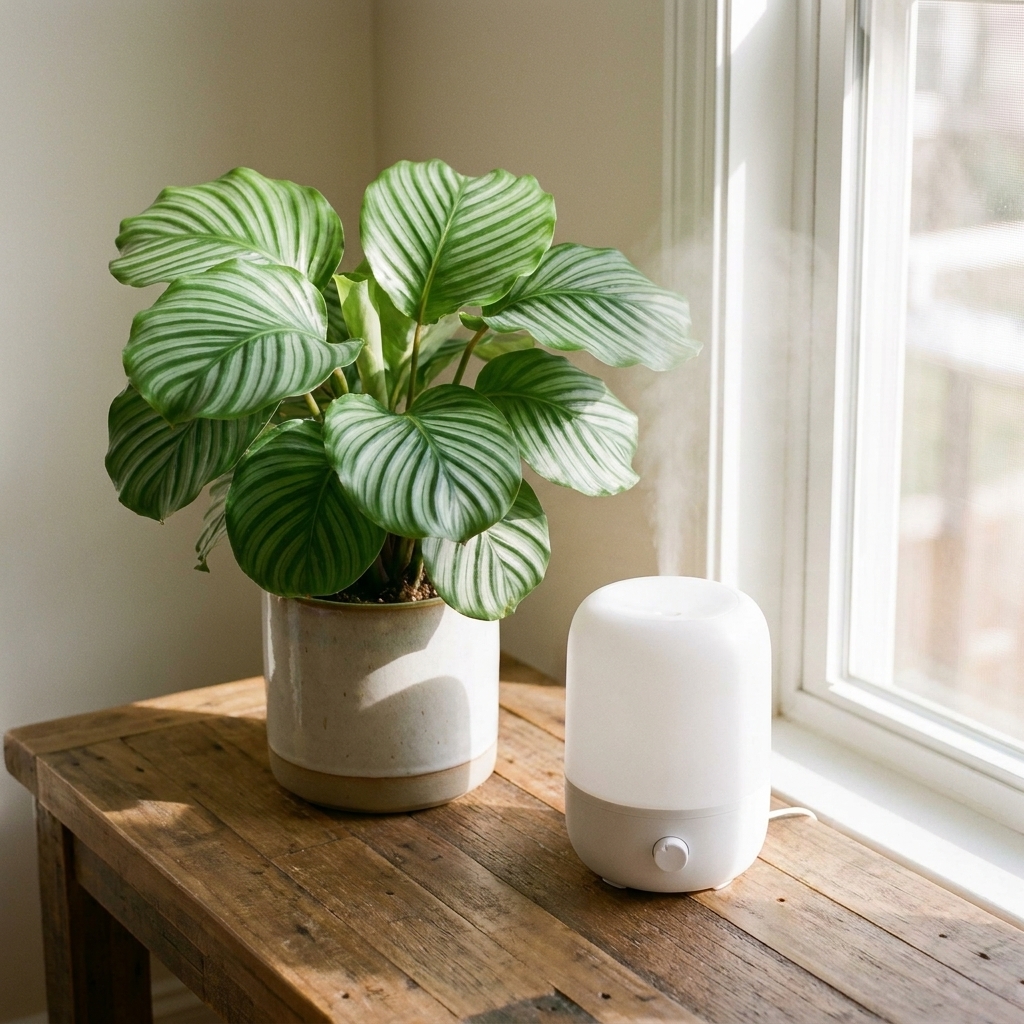
First, know your target
Many tropical houseplants often do best around 50% to 70% relative humidity, but plenty of common houseplants can adapt to 40% to 60% with good watering, gentle light, and consistent care. Some are more forgiving, and some are drama queens.
- Usually fine at 40% to 50%: pothos, philodendron, many hoyas, snake plant (not tropical, but tolerant), monstera
- Often happier at 50% to 70%: calatheas, marantas, many alocasias, ferns, fittonia, many orchids (varies by type)
- Often want 60%+: maidenhair fern, some anthuriums (especially velvet-leaf types), some begonias (often rex and other thin-leaved types), and many small or juvenile plants
If you want one tool that clears up a lot of confusion, grab an inexpensive digital hygrometer. It tells you what your humidity really is. I have been convinced my house was “pretty humid” more than once, only to see the hygrometer smugly flash 32%.
Tip: measure where it matters, at roughly plant height, not across the room on a bookshelf.
A quick priority list
- Measure with a hygrometer (at plant height).
- Stop the drying blast (vents, radiators, drafty doorways).
- Add consistent humidity (humidifier is the workhorse).
- Build a microclimate (grouping, trays, mini greenhouse for the fussiest ones).
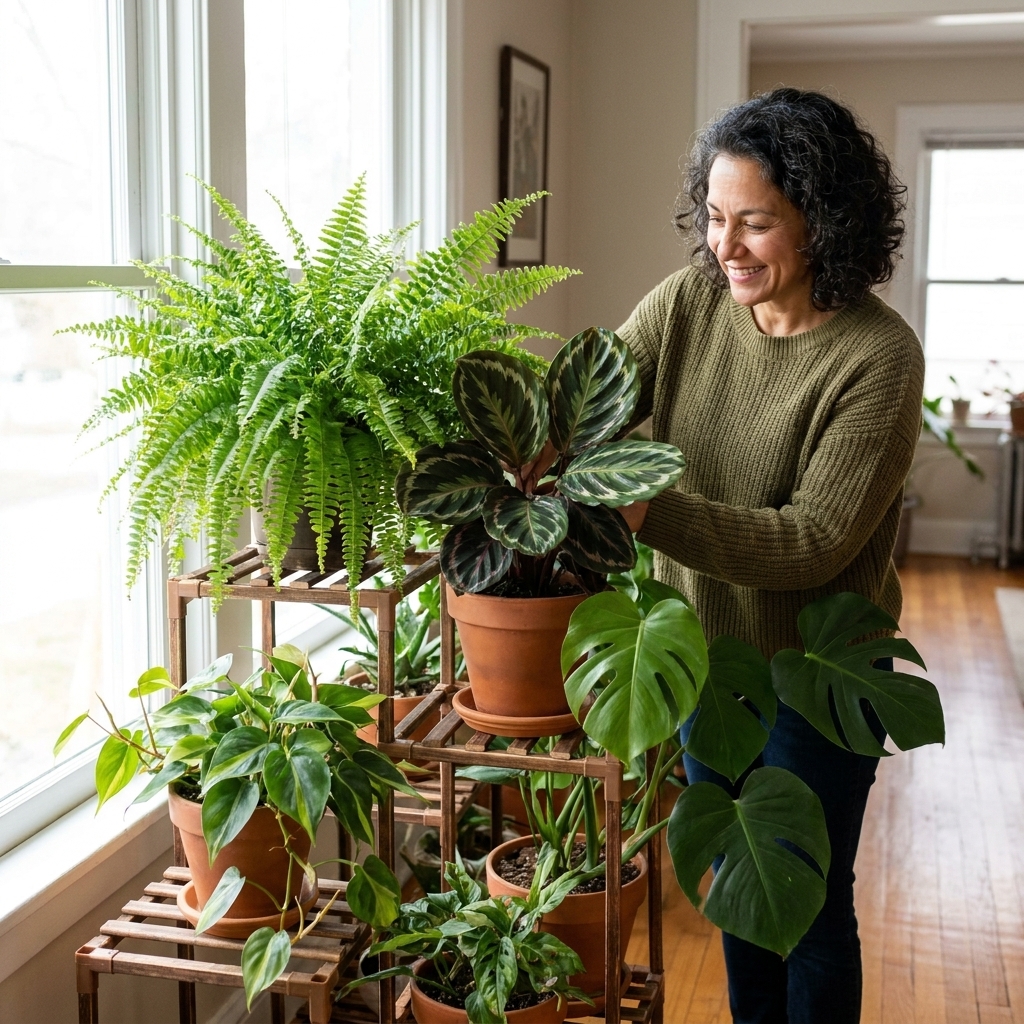
1) Group plants together
This is the easiest place to start, and it is free. Plants release moisture through transpiration, basically “breathing out” water vapor. When you cluster them, that moisture stays in the immediate area, creating a slightly more humid microclimate.
How to do it well
- Place humidity lovers close together, leaves almost touching but not jammed tight.
- Mix sizes: larger plants help buffer conditions for smaller, fussier ones.
- Keep good airflow around the group to reduce fungal issues, especially if you already struggle with powdery mildew or leaf spot.
Realistic expectation: grouping can raise humidity a few percentage points near the plants. It will not turn a 30% room into a 70% jungle, but it absolutely helps as part of a combo approach.
2) Use a pebble tray (properly)
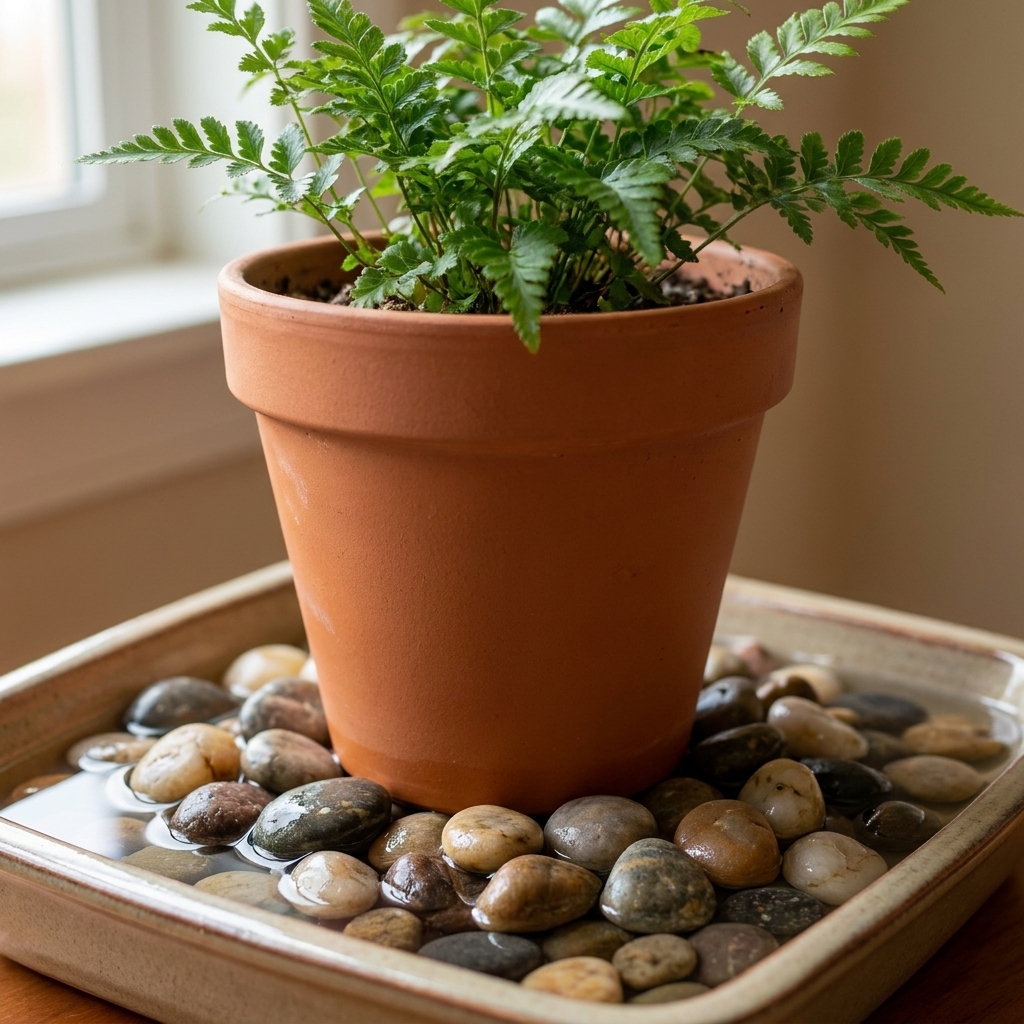
Pebble trays have a mixed reputation, and here is why: their impact is usually modest. They work best as a small, steady bump for a specific plant zone, not as a whole-room fix.
Step-by-step pebble tray setup
- Choose a waterproof tray that is wider than the pot.
- Add a layer of pebbles or LECA (clay balls).
- Pour water in until it sits just below the top of the stones.
- Set the pot on the stones so the pot bottom is not sitting in water.
- Top up water as it evaporates.
Why the “not sitting in water” part matters: if the pot base stays wet, roots can suffocate or rot, and salts can wick upward into the soil. Ask me how I learned that lesson. It was not my finest plant-parent moment.
3) Run a humidifier (my top pick)
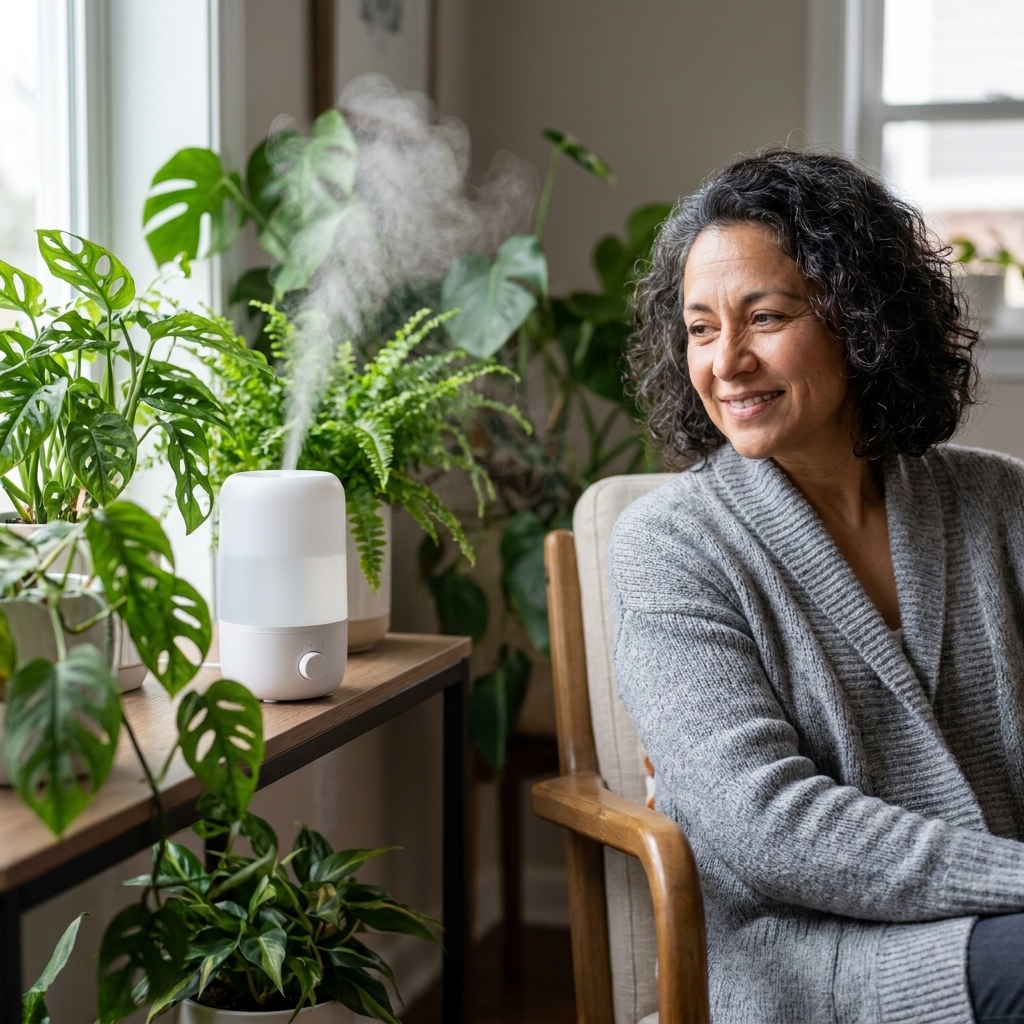
If you have more than one humidity-loving tropical, a humidifier is the most reliable, least fussy option. It is the closest thing to “set it and forget it” in the humidity world.
Tips for the best results
- Pick the right size: a small desktop unit is great for a plant shelf; a larger unit is better for a whole room.
- Aim for consistency: big swings (30% one day, 65% the next) can stress sensitive plants.
- Use distilled or demineralized water if you can, especially with ultrasonic models, to avoid white dust on leaves and furniture.
- Place it thoughtfully: near the plant zone, but do not blast mist directly onto foliage all day.
- Clean it regularly: at least weekly, or follow the manufacturer instructions. A dirty humidifier can aerosolize gunk you do not want in your lungs or on your plants.
A good home range: 45% to 60% is comfortable for most people and helpful for plants. Consistently high humidity (often 60%+) can increase the risk of condensation and mold, especially in colder climates or in tightly sealed homes. If you notice wet windows or musty smells, dial it back and increase ventilation.
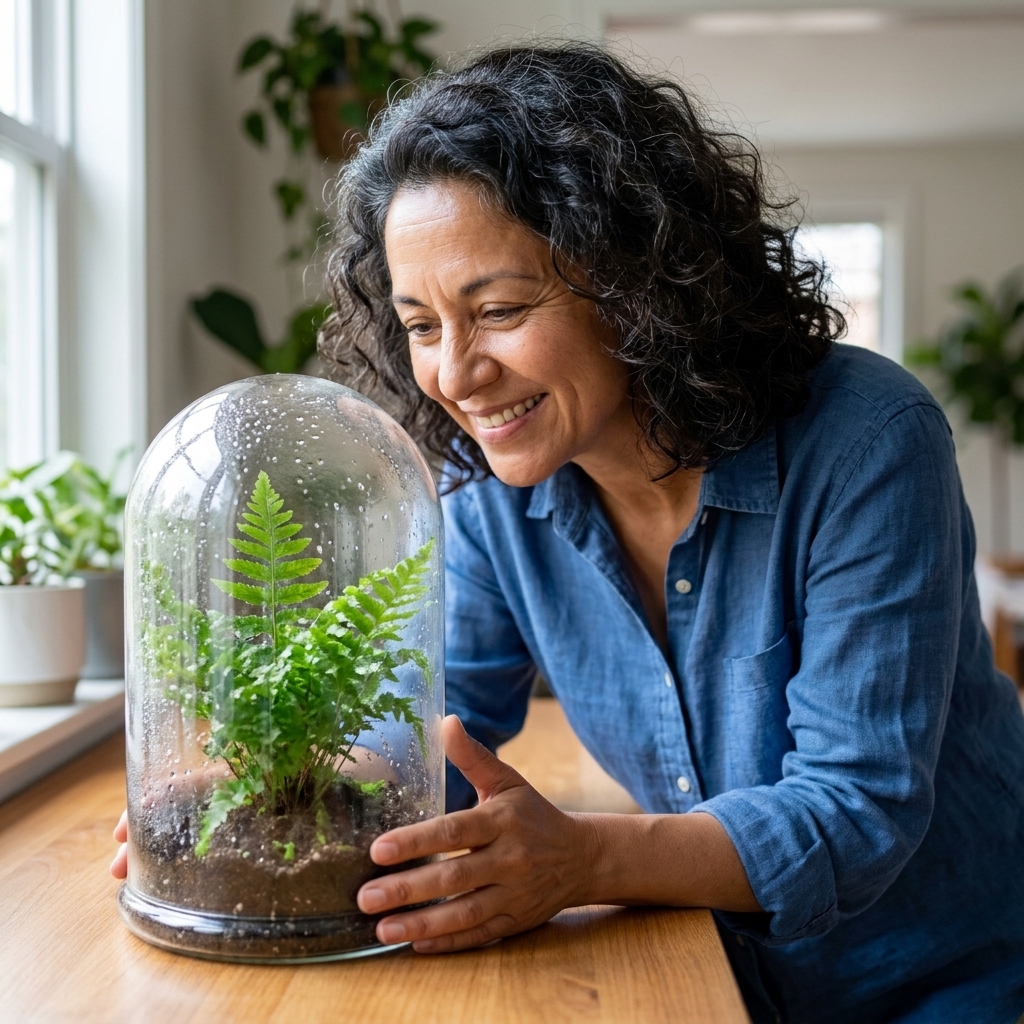
4) Make a mini greenhouse
This sounds fancy, but it can be as simple as giving one fussy plant a protected, humid pocket. This is wonderful for maidenhair fern, baby plants, cuttings, and calatheas that are struggling after a move.
Easy options
- Glass cloche: great for small plants, but watch heat buildup in sun.
- Clear storage bin: flip it upside down over a plant on a tray for a temporary recovery chamber.
- Indoor greenhouse cabinet: a popular setup for collectors, especially for begonias and anthuriums.
Important: even “greenhouse” plants need fresh air. Crack the lid or open the cabinet daily, and wipe down excess condensation to prevent fungal issues.
5) Avoid drying airflow
This one is sneaky: you can raise humidity and still lose the battle if your plant is parked in the path of a heat vent, baseboard heater, fireplace draft, or blasting AC.
Quick fixes
- Keep tropicals at least a few feet away from vents and radiators.
- Avoid placing them right beside exterior doors that open often in winter.
- If the only good light is near a vent, use a deflector to redirect airflow.
Dry moving air pulls moisture from leaves fast. When you reduce that airflow, your existing humidity goes further.
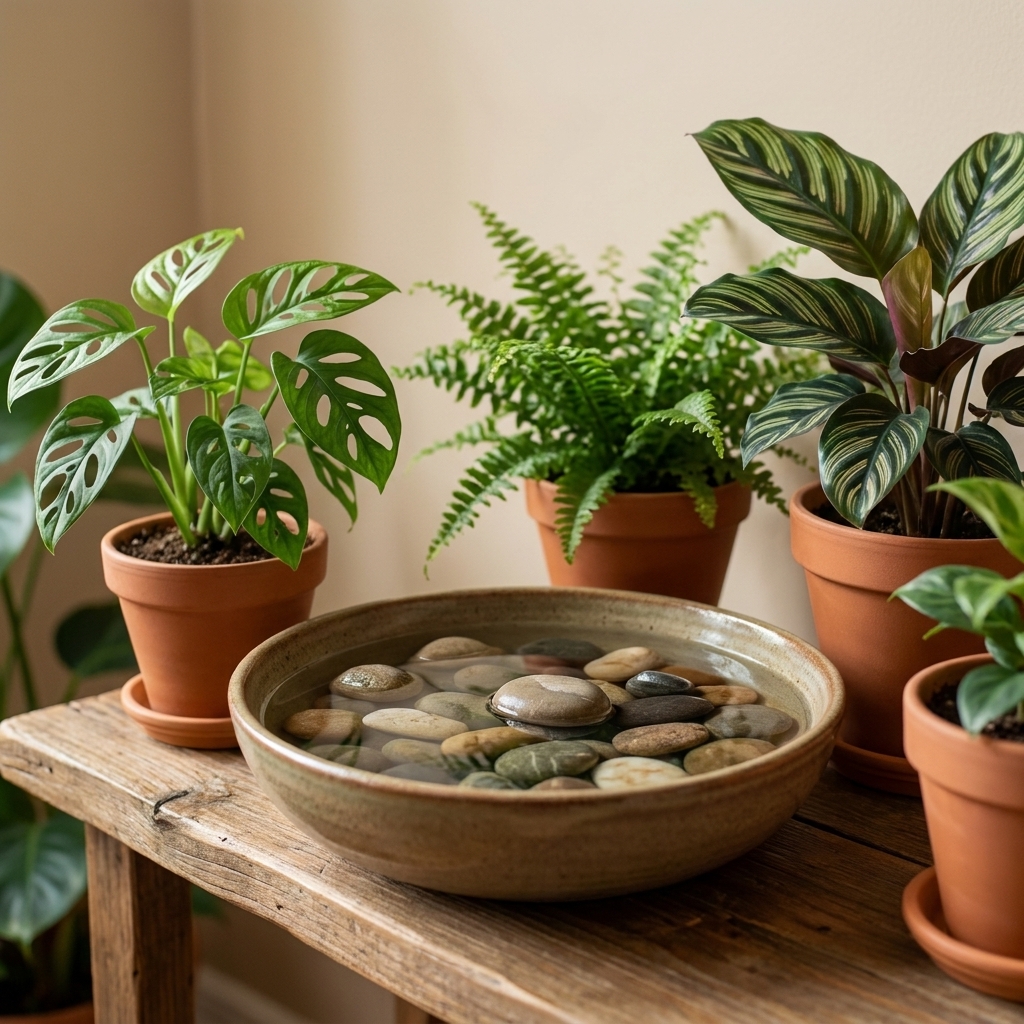
6) Add open water nearby
Open water evaporates, and while it is not as powerful as a humidifier, it is a gentle, low-effort boost for a small plant area.
How to use it well
- Set a shallow bowl or tray of water near your plant grouping (not directly under pots where spills are likely).
- For more evaporation, increase surface area: a wider container beats a tall jar.
- Add clean stones for more surface area and a prettier look.
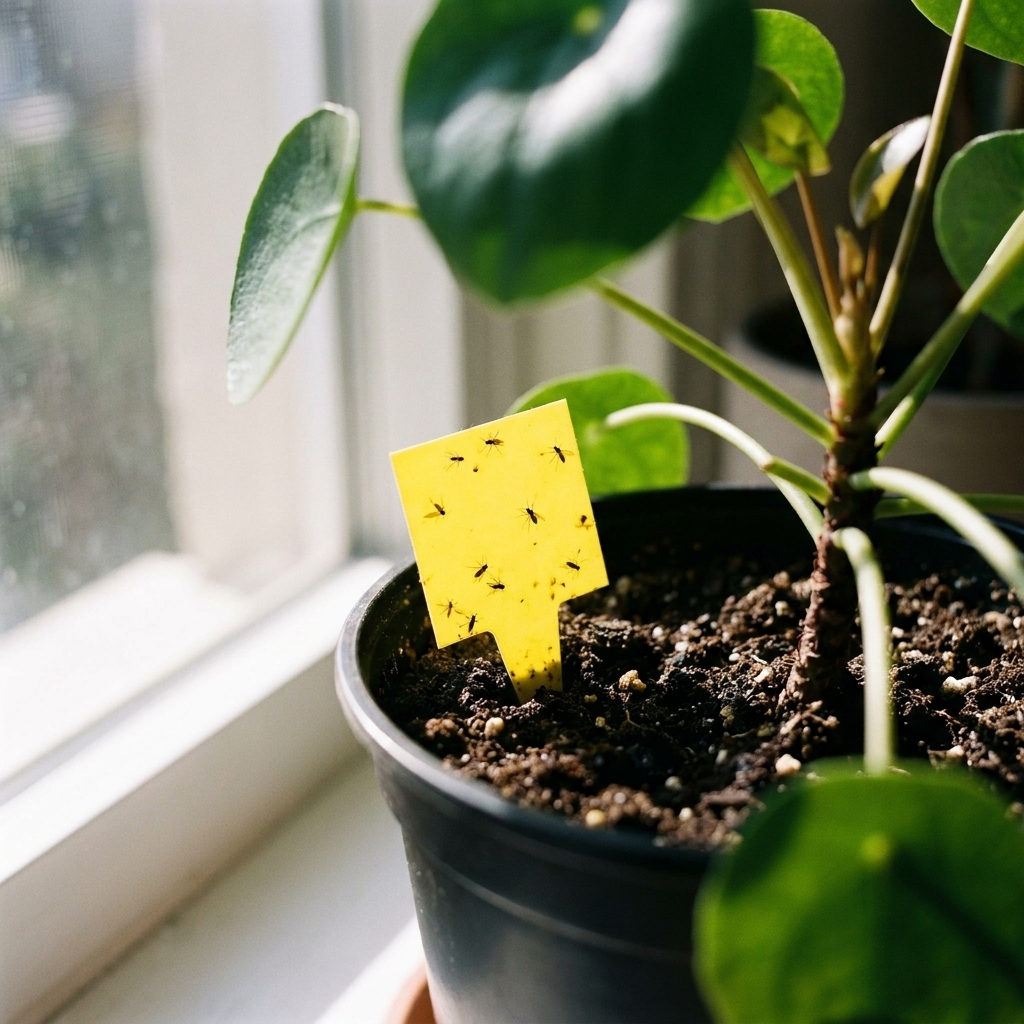
Keep it clean: change water regularly. Standing water can encourage algae, odors, and sometimes unwanted pests. If you are battling fungus gnats, focus on letting the top of your potting mix dry a bit more between waterings, since they usually breed in moist soil.
7) Tweak watering and potting
This is not “adding humidity” in the strict sense, but it is a huge part of keeping tropical plants looking lush when humidity is less than ideal. Plants that are mildly thirsty show humidity stress faster.
Practical tweaks
- Water thoroughly, then drain: do not leave pots sitting in runoff.
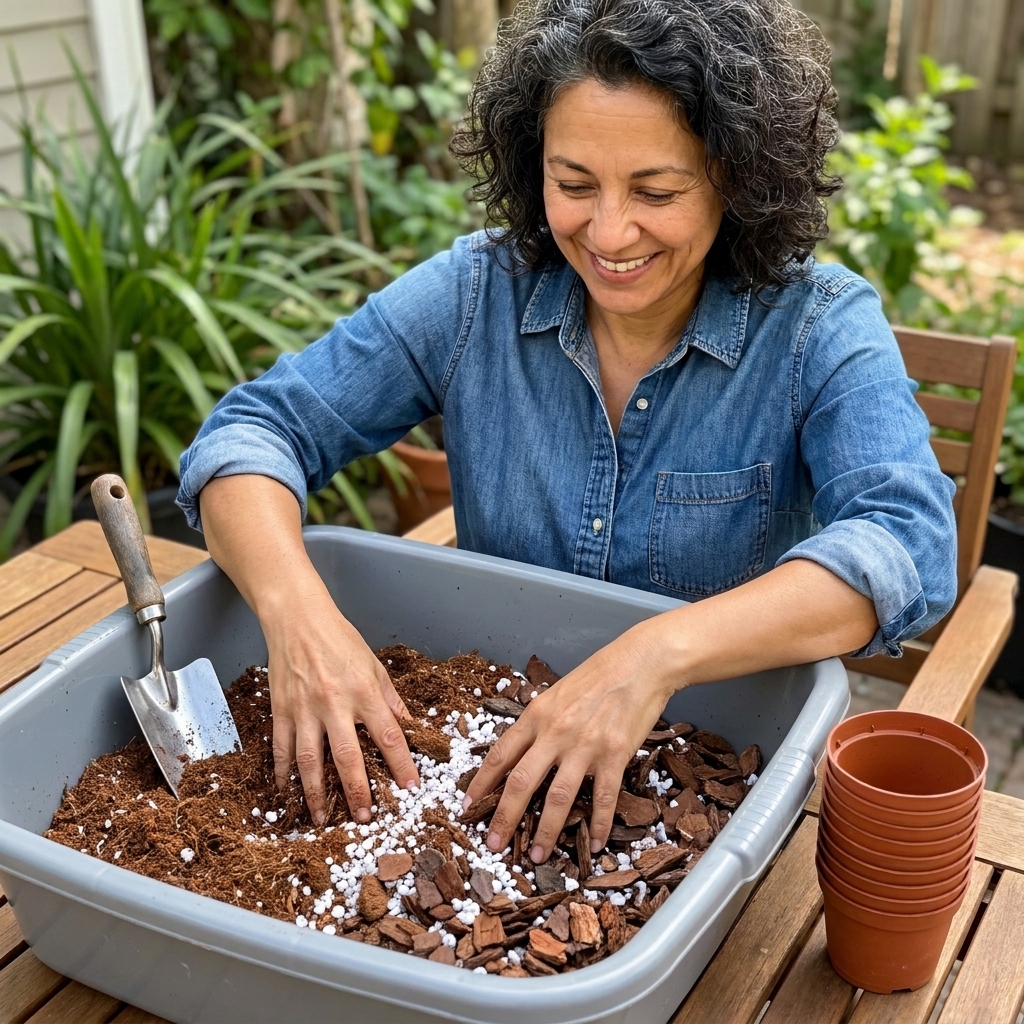
- Use an airy mix for aroids: chunky bark, perlite, and coco coir hold moisture while keeping roots oxygenated.
- Top-dress with sphagnum moss (lightly) for plants that enjoy steady moisture, like some ferns and calatheas. Keep it fluffy, not packed.
- Choose the right pot material: terracotta dries quickly; plastic or glazed ceramic hold moisture longer.
One caution: chasing humidity by overwatering is a fast track to root rot. Moist air and soggy soil are very different things.
Misting (the honest take)
Misting is popular because it feels like you are doing something helpful. I mist sometimes too, especially when I am already checking plants in the morning. But in most homes, misting gives only a very short-lived humidity bump, often lasting minutes.
If you enjoy misting, do it for leaf-cleaning or routine care, not as your main humidity strategy. Also remember the key difference: humidity is moisture in the air, while wet leaves are just wet leaves. Constantly damp foliage can invite spotting and fungal issues if the plant cannot dry.
Avoid misting plants with fuzzy leaves (like African violets) or plants prone to leaf spot, unless you have excellent airflow and the foliage can dry quickly.
Signs humidity is too low
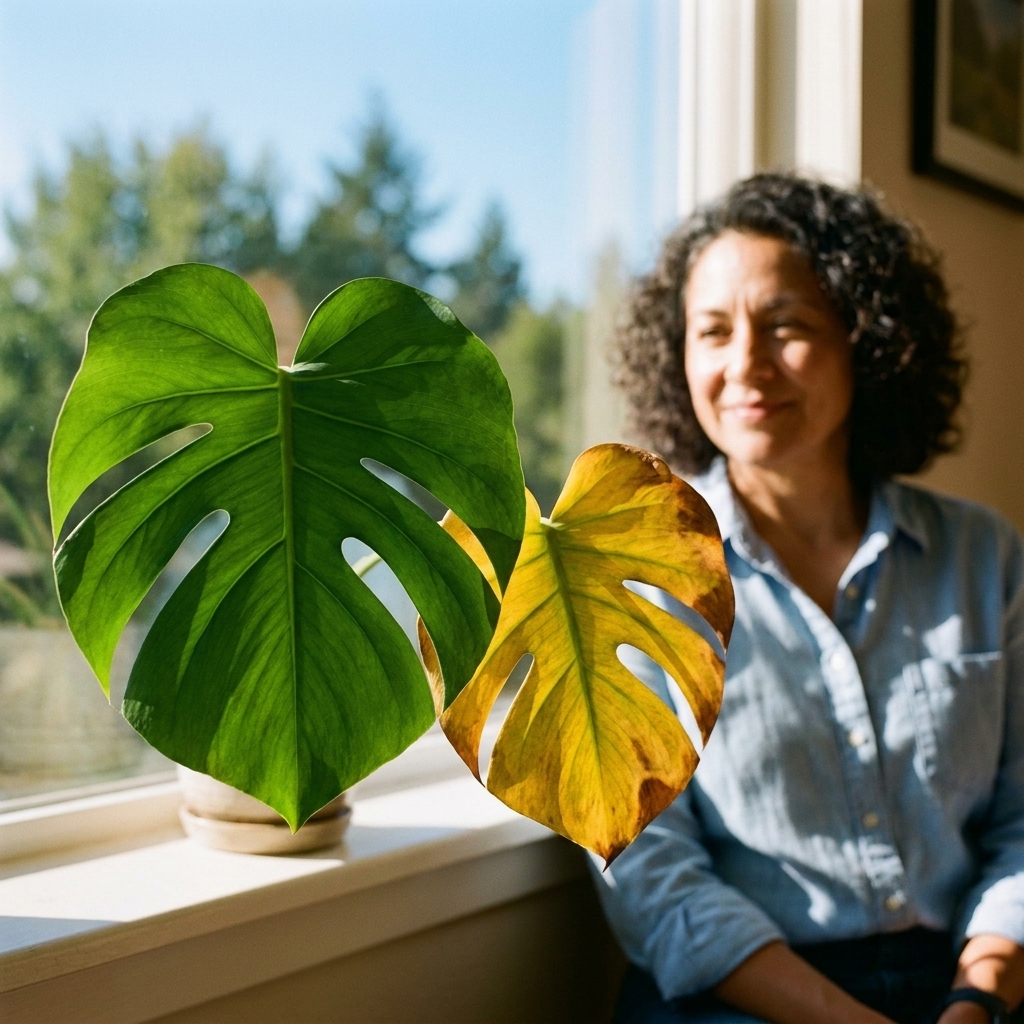
- Brown, crispy leaf edges (common on calatheas and marantas)
- New leaves that unfurl with damage or tears
- Leaf curling or “taco-ing”
- Fern fronds drying from the tips inward
- Flower buds dropping (especially orchids and some begonias)
Also check these look-alikes: underwatering, salt buildup from fertilizer, too much sun, and cold drafts can mimic low humidity symptoms.
FAQ
What is the fastest way to raise humidity for a calathea?
A humidifier placed near the plant zone is the fastest and most reliable. Pair it with grouping plants and moving the calathea away from vents for the biggest improvement.
Is 40% humidity enough for tropical houseplants?
For many easy tropicals like pothos and philodendron, yes. For ferns, calatheas, and some alocasias, 40% can lead to crispy edges and slow growth. Aim closer to 50% to 60% if you can.
Do orchids really need high humidity?
It depends on the orchid. Many common Phalaenopsis do fine around 40% to 60% if watering and airflow are on point. Other orchids, especially those with thinner roots or more cloud-forest preferences, often appreciate 50% to 70% or higher. If you are not sure what you have, start around 50% to 60% and watch how it responds.
Can high humidity cause problems indoors?
It can. Consistently high humidity, often 60%+ for long stretches, can raise the risk of condensation and mold, especially in colder climates or in homes with limited ventilation. Keep airflow moving, wipe condensation, and consider dialing the humidifier back a bit.
Do bathrooms make good plant rooms?
If there is decent light, bathrooms can be fantastic for humidity-loving plants. Just watch for temperature swings and make sure the plant is not getting blasted by hot air from a vent.
Wrap-up
If you try just one thing, make it a humidifier or a better microclimate setup. If you try two, add plant grouping and get those plants out of the vent path. Most tropical plant success comes from small, steady improvements, not one dramatic change.
And if you are reading this while staring at a calathea with crispy edges, take heart. Tropical plants can be wonderfully forgiving once you get their air and watering back in balance. I have resurrected more than one “I swear it is dead” fern with a little humidity, a little patience, and a promise to do better next winter.