A down-to-earth list of houseplants that tolerate low light, with practical watering, placement, drainage, and grow light tips for darker rooms.
Gardening insights
15 Pet-Safe Houseplants for Cats and Dogs
Want a greener home without worrying about curious cats or nibbling dogs? Here are 15 non-toxic houseplants that are beautiful, resilient, and genuinely pet-safe, plus simple care tips.

Elena Rosales
Elena Rosales is a certified Master Gardener and lifelong plant enthusiast who believes anyone can cultivate a green thumb. After transforming her tiny urban balcony into a thriving plant oasis, she moved to a half-acre homestead to grow her own food and flowers. Today, she shares practical, hands-on gardening advice to help the Hortello community bring more green into their lives.
Published September 21, 2026
Updated September 21, 2026
If you have pets, you already know the “sniff, paw, nibble” routine. My old balcony pothos used to be a magnet for curious whiskers and one overconfident puppy. The good news is you do not have to choose between a cozy jungle vibe and your pet’s safety. There are plenty of genuinely non-toxic houseplants that look gorgeous and hold up well in real homes.
Quick note from your friendly plant person: “Non-toxic” does not mean “edible.” Even safe plants can cause mild stomach upset if your pet eats a bunch. And even a non-toxic plant can become a problem if it was treated with pesticides, systemic insecticides, or fertilizer residues. If you suspect your pet chewed something questionable or is acting off, call your vet or a pet poison hotline right away.
Where these safety notes come from: I’m aligning this list with widely used veterinary references, including the ASPCA Animal Poison Control plant database. It is always smart to verify the exact plant you bring home there, because labels and common names can be unreliable.
Before you buy: what “pet-safe” means
For this list, I’m focusing on commonly sold houseplants that are widely regarded as non-toxic to cats and dogs when ingested in small amounts. Always double-check the exact plant name, because common names can be sneaky. A “palm,” for example, might be a pet-safe parlor palm or it might be a toxic sago palm.
- Use the botanical name when shopping or searching.
- Choose sturdy plants if you have a dedicated leaf-sampler.
- Place plants smartly, even if they are non-toxic. Pets and pots have opinions about gravity.
15 non-toxic houseplants for cats and dogs
Here are my favorite pet-safe picks for Hortello homes, from low-light survivors to bright-window showstoppers. I’m including care basics and a little “pet reality check” for each one.
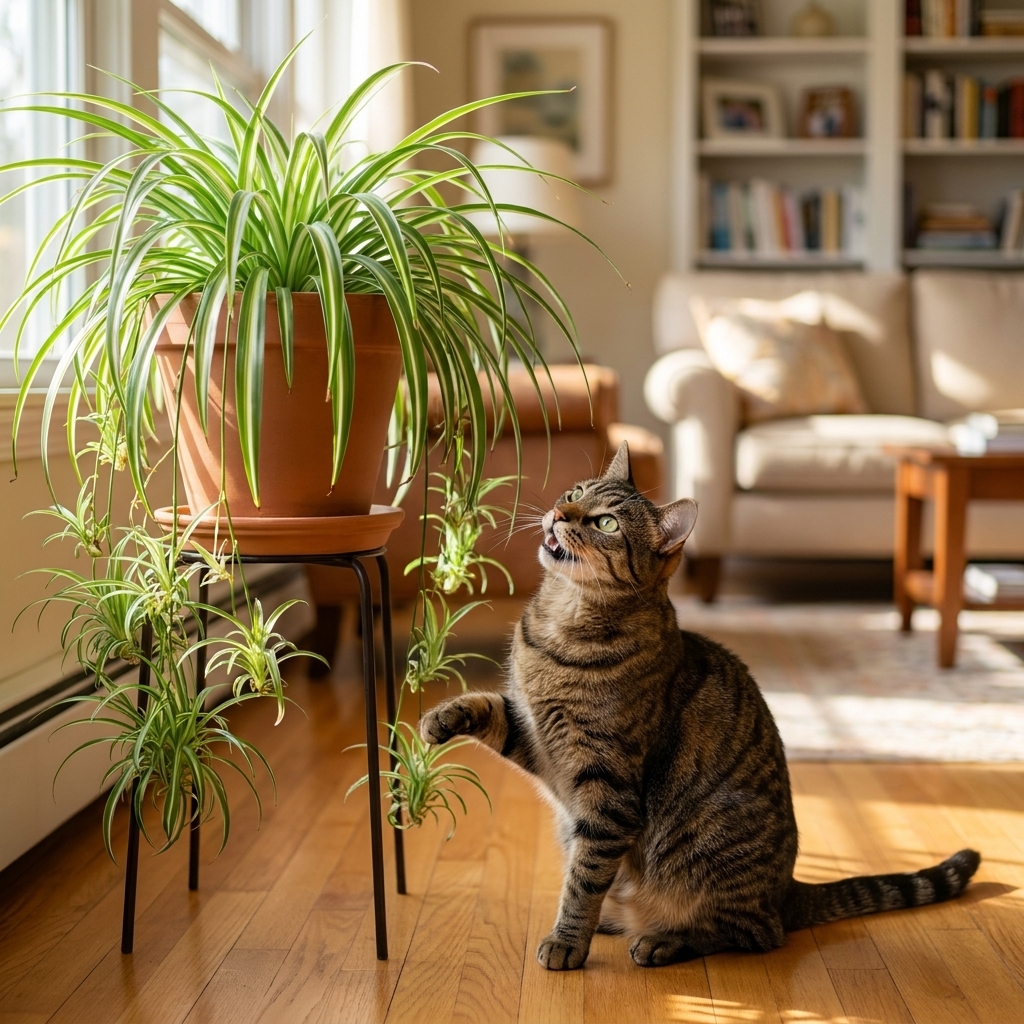
1) Spider Plant (Chlorophytum comosum)
If you want a plant that forgives missed waterings and still looks cheerful, spider plant is it. The arching leaves and baby “spiderettes” are also extremely tempting to cats, so hang it up if you can.
- Light: Bright indirect is best, tolerates medium light
- Water: When top inch of soil dries
- Pet note: Non-toxic, but overeating can cause mild GI upset (yes, sometimes dramatic)
2) Parlor Palm (Chamaedorea elegans)
Classic, elegant, and refreshingly unfussy. Parlor palms handle average indoor light better than most palms, which is why I recommend them so often for apartments.
- Light: Medium to bright indirect (tolerates low)
- Water: Keep lightly moist, not soggy
- Pet note: Safe choice if your dog likes “grass-like” leaves
3) Areca Palm (Dypsis lutescens)
Want that breezy, resorty look? Areca palm brings soft fronds and a fuller silhouette. Give it bright filtered light and it will reward you with steady growth.
- Light: Bright indirect
- Water: When top 1 to 2 inches dry
- Pet note: Non-toxic, but fronds can become a chew toy if placed at floor level
4) Cast Iron Plant (Aspidistra elatior)
This is the plant for anyone who says, “Elena, I love plants but I am a known plant-forgetter.” Cast iron plant tolerates low light, dry air, and occasional neglect like an absolute champ.
- Light: Low to medium, avoid harsh sun
- Water: Let top few inches dry
- Pet note: Thick leaves usually do not invite nibbling
5) Peperomia (Peperomia spp.)
Peperomias are like the perfect small houseplant lineup: cute, compact, and varied. Try baby rubber plant types, watermelon peperomia, or ripple-leaf varieties.
- Light: Medium to bright indirect
- Water: Let soil dry about halfway down
- Pet note: Generally safe and a great windowsill option
6) Prayer Plant (Maranta leuconeura)
Those patterned leaves look hand-painted, and they fold upward at night like they’re saying a little bedtime prayer. It likes humidity, so it can be a sweet bathroom plant with decent light.
- Light: Medium to bright indirect
- Water: Keep evenly moist, do not let fully dry
- Pet note: Non-toxic, but leaves can get ragged if repeatedly batted
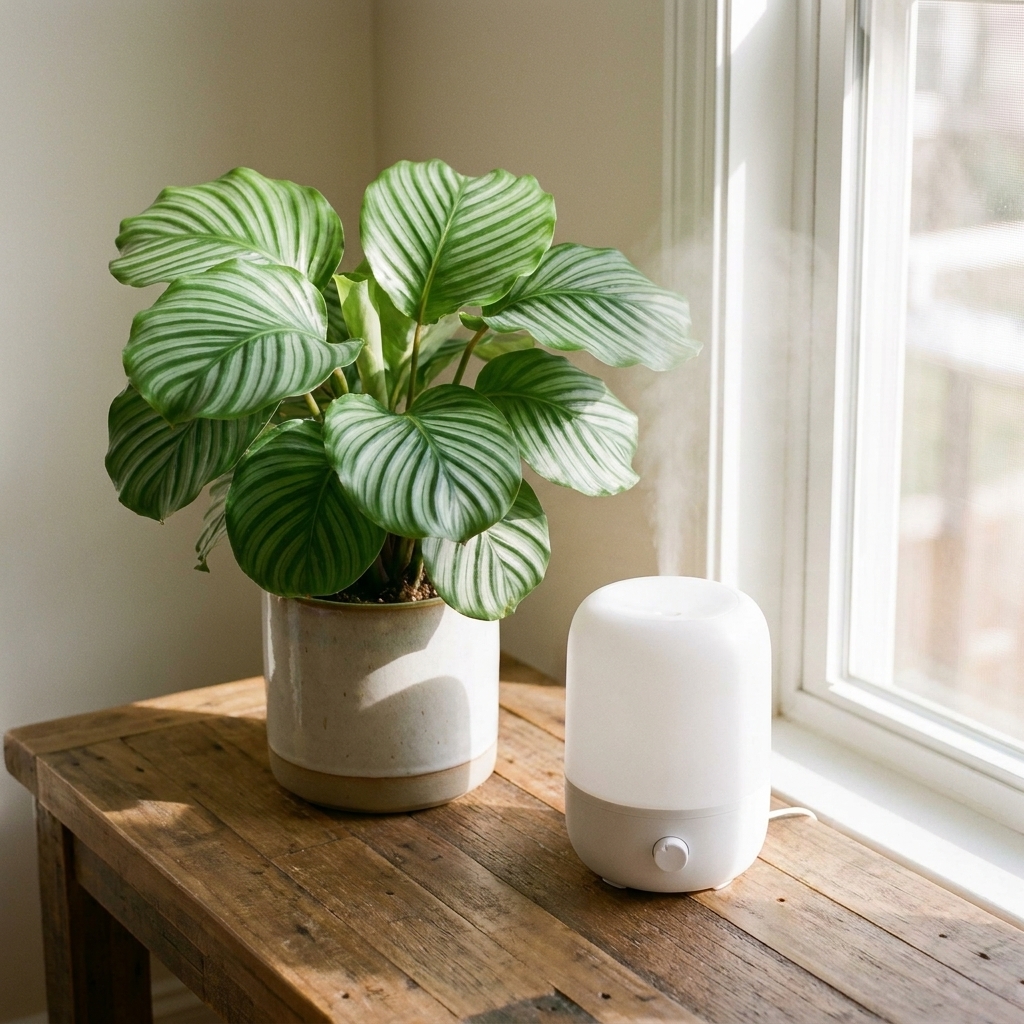
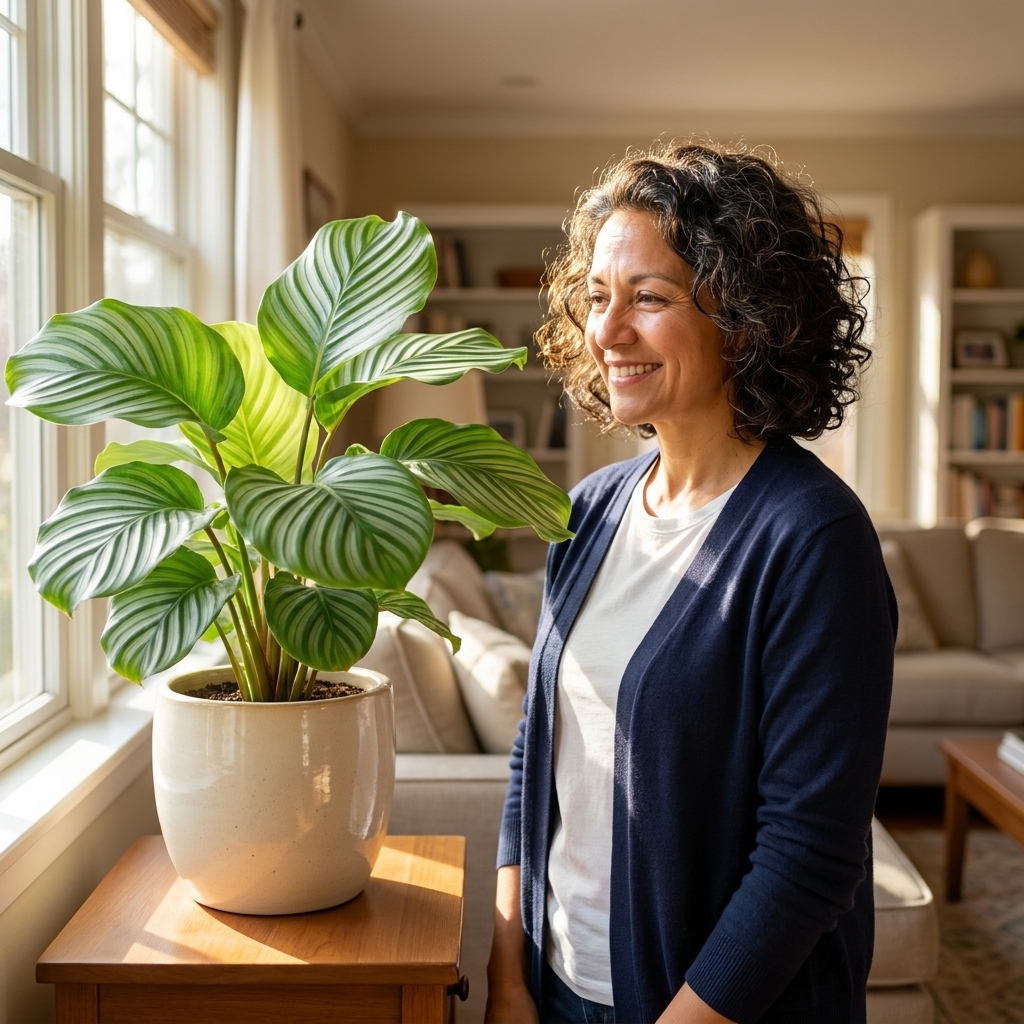
7) Calathea (Goeppertia) (Calathea/Goeppertia spp.)
Calatheas are pet-safe and drop-dead beautiful, but I will be honest: they can be dramatic. Dry air and hard water are their two biggest complaints. If you are up for a little extra TLC, they are worth it.
- Light: Medium to bright indirect
- Water: Keep lightly moist; consider filtered or distilled water
- Pet note: Safe for cats and dogs, but not a “set it and forget it” plant
8) Polka Dot Plant (Hypoestes phyllostachya)
Polka dot plant is pure joy, like confetti in leaf form. It can get leggy indoors, so pinch the tips to keep it bushy.
- Light: Bright indirect to gentle morning sun
- Water: Evenly moist; it droops dramatically when thirsty
- Pet note: Non-toxic, but best placed where paws will not “rearrange” it
9) Fittonia (Fittonia albivenis)
Fittonia, also called nerve plant, has striking veined leaves and stays compact. It thrives in terrariums or small pots where humidity is easier to maintain.
- Light: Low to medium indirect (too much sun fades it)
- Water: Keep consistently moist
- Pet note: Safe, but delicate leaves tear easily
10) African Violet (Saintpaulia ionantha)
If you want blooms indoors without complicated care, African violets are a classic for a reason. Their fuzzy leaves and bright flowers feel like a little windowsill celebration.
- Light: Bright indirect, east window is lovely
- Water: Bottom-water to keep leaves dry; do not let sit in water
- Pet note: Non-toxic, but flowers can be irresistible to curious noses
11) Phalaenopsis Orchid (Phalaenopsis spp.)
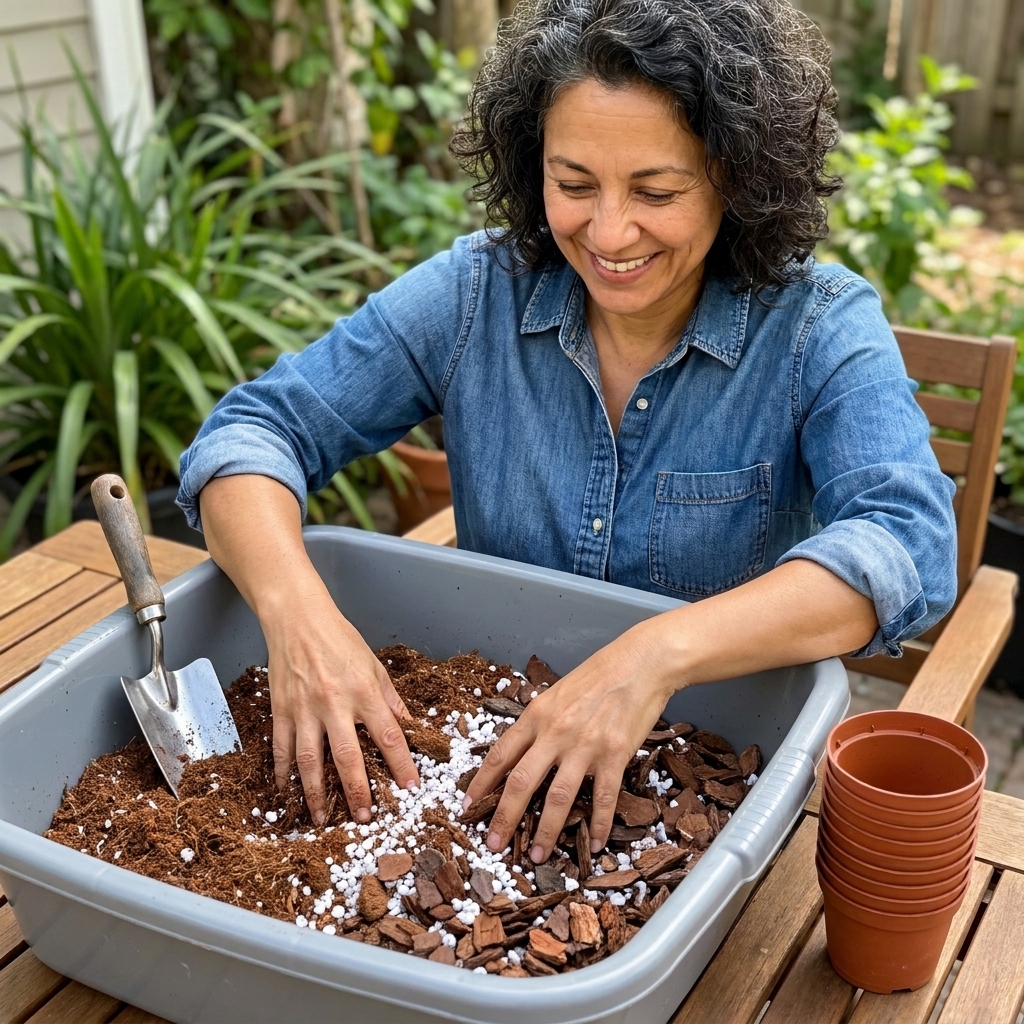
Moth orchids look fancy, but they are surprisingly beginner-friendly once you understand their rhythm. Bright, indirect light, a chunky orchid mix, and watering when roots look silvery usually does the trick.
- Light: Bright indirect
- Water: Soak and drain when mix is nearly dry
- Pet note: Pet-safe and a great alternative to toxic flowering houseplants
12) Christmas Cactus (Schlumbergera spp.)
These trailing holiday bloomers are tough, long-lived, and easy to share as cuttings. If you have a bright spot out of harsh sun, they are wonderfully cooperative.
- Light: Bright indirect
- Water: Water when top inch is dry; do not keep soggy
- Pet note: Non-toxic; segments may break if a cat decides it is a toy
13) Hoya (Hoya spp.)
Hoyas are my go-to for plant lovers who want something hardy and a little magical. Waxy leaves, trailing vines, and those starry blooms that smell sweet in the evening.
- Light: Bright indirect, some gentle sun is fine
- Water: Let dry between waterings
- Pet note: Safe, but dangling vines invite playful swats
14) Bromeliads (Bromeliaceae family)
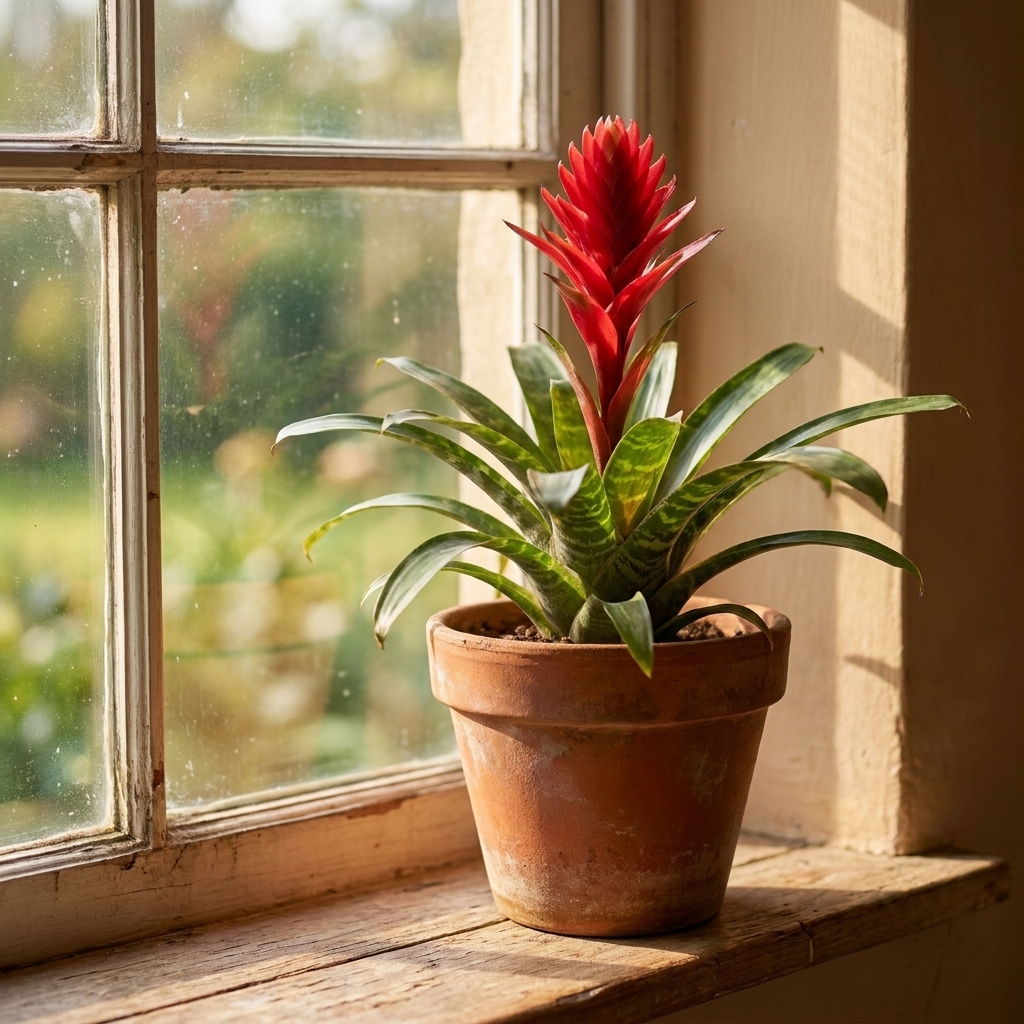
Bromeliads bring bold color and a fun, sculptural shape. Most commonly sold bromeliads are considered non-toxic, but it is still worth checking the exact species or cultivar if you have a committed plant-chewer.
- Light: Bright indirect
- Water: Keep the central “cup” topped up with fresh water; flush regularly
- Pet note: Generally non-toxic; choose varieties without sharp spines if your pet is a close-range investigator
15) Ponytail Palm (Beaucarnea recurvata)
Not a true palm, but absolutely one of the easiest pet-safe statement plants. It stores water in that bulbous base, so it tolerates the occasional “oops I forgot” week.
- Light: Bright light, can take some direct sun
- Water: Let soil dry thoroughly before watering
- Pet note: Safe, but the strappy leaves are very tempting to chew
Plants to avoid (toxic look-alikes)
This is the part where I gently wave a caution flag. These are popular houseplants, but they are not pet-safe. I’m listing them because they are often confused with safe options.
- Sago palm (Cycas revoluta): Highly toxic, especially the seeds
- Peace lily (Spathiphyllum): Causes mouth irritation and digestive upset
- Lilies and daylilies (Lilium, Hemerocallis): Extremely dangerous for cats
- Pothos and philodendrons (Epipremnum, Philodendron): Irritating crystals, common chewers react quickly
- ZZ plant (Zamioculcas zamiifolia): Can cause irritation and stomach upset
Pets and plants: living together
Even with non-toxic plants, a few simple habits make life calmer for everyone. Also, every pet is an individual. Some can ignore a whole indoor jungle, and others will audition for “Top Chef: Leaf Edition.”
- Use stable, heavy pots or add a wider cachepot so a tail swipe does not topple everything.
- Try a plant shelf or hanging planter for extra “paw-proofing,” especially with cats.
- Offer an acceptable chew option like pet grass (wheatgrass) in its own pot.
- Skip risky topdressings like cocoa shell mulch indoors, and avoid small stones that could be swallowed.
- Be cautious with treatments such as systemic insecticides, leaf shine, and concentrated fertilizers. Follow labels, and keep pets away until products dry and the plant is back in place.
- Rinse dusty leaves regularly so pets are not licking residue from the plant surface.

FAQ
What is the easiest pet-safe houseplant for beginners?
For most homes, I vote spider plant, cast iron plant, or ponytail palm. They are forgiving, widely available, and do not require special humidity tricks.
What pet-safe plants do well in low light?
Cast iron plant, parlor palm, and many fittonias can handle lower light. Growth will be slower, but they can still look great.
My cat eats everything. Are any plants truly “cat-proof”?
Cat-proof is tough. In my experience, cast iron plant and some thicker-leaved peperomias are less interesting to chew. Hanging planters and a dedicated pot of pet grass help a lot, too.
Should I still call my vet if the plant is non-toxic?
If your pet is vomiting repeatedly, seems lethargic, has trouble breathing, or you are unsure what was eaten, yes. It is always better to call and get peace of mind.
My favorite starter set
If you want an easy mix that looks intentional, try this trio:
- One upright: Parlor palm
- One trailing: Hoya
- One tabletop color pop: African violet or fittonia
Put them in similar pots, group them near a bright window (not pressed against the glass), and you have a pet-safe little indoor garden that feels like home.