Tomatoes can bloom without setting fruit when temperature, pollination, watering, or nutrients are off. Learn the most common causes plus a simple fix list a...
Gardening insights
Why Tomato Flowers Drop Before Fruit Sets
Tomato blossoms falling off? Learn the most common causes, from heat and watering swings to pollination problems and excess nitrogen, plus a quick troubleshooting order to boost fruit set.

Elena Rosales
Elena Rosales is a certified Master Gardener and lifelong plant enthusiast who believes anyone can cultivate a green thumb. After transforming her tiny urban balcony into a thriving plant oasis, she moved to a half-acre homestead to grow her own food and flowers. Today, she shares practical, hands-on gardening advice to help the Hortello community bring more green into their lives.
Published September 29, 2026
Updated September 29, 2026
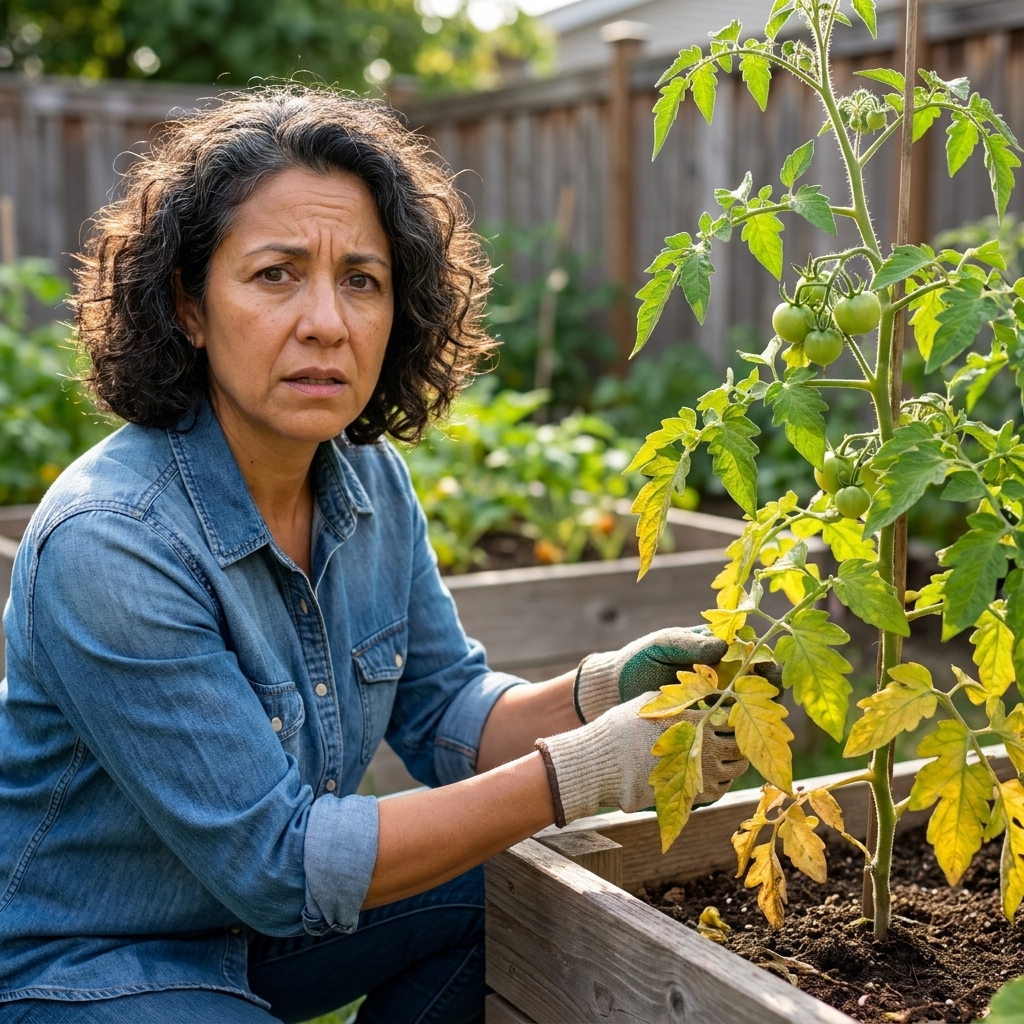
If your tomato plant is covered in cheerful yellow blossoms and then those blossoms end up on the soil like tiny confetti, you are not alone. I have absolutely stood over a tomato like a worried parent, whispering, “You had one job.”
The good news: a certain amount of blossom drop is normal, especially early in the season or during weather swings. The better news: when it becomes a pattern, there is usually a very fixable cause.
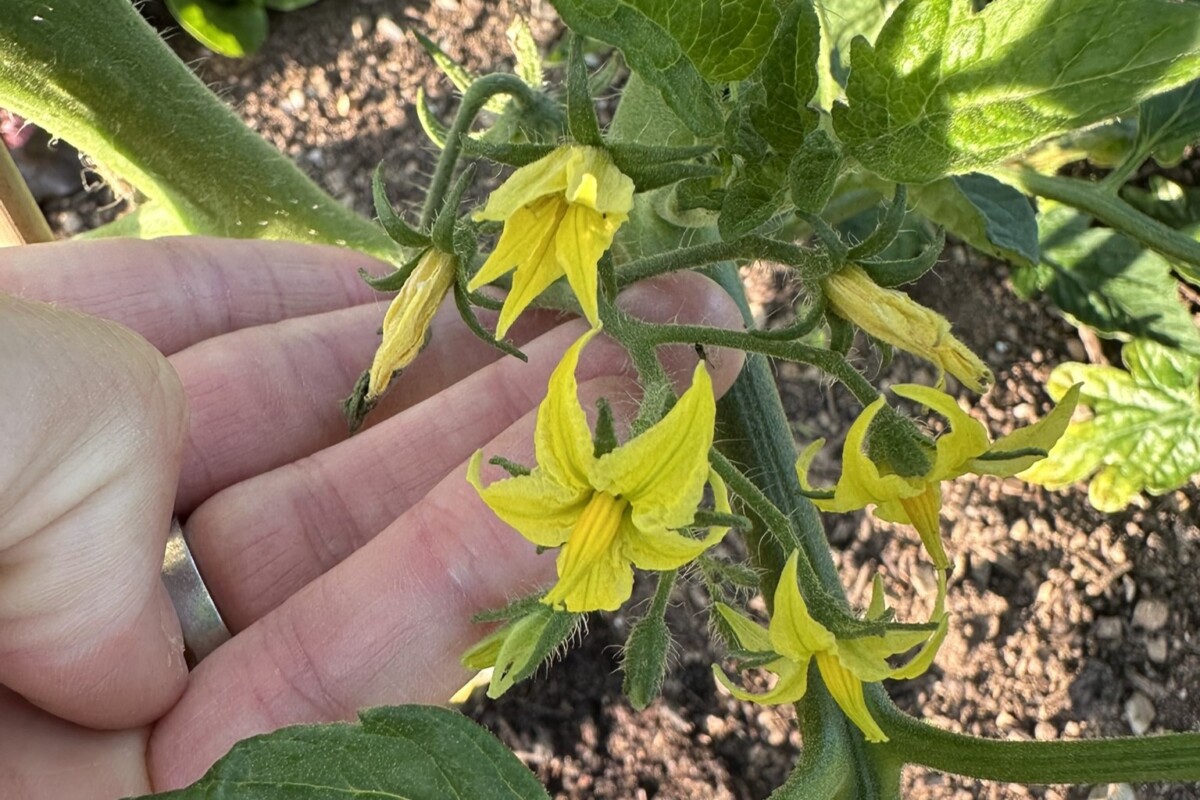
Below are the most common reasons tomato flowers drop before fruit sets, plus the exact order I use to troubleshoot quickly without guessing.
First, a quick reality check
Tomatoes will sometimes shed blossoms even when everything is “fine.” Common harmless triggers include:
- Young plants that are still building roots and leaf mass
- Transplant shock during the first couple of weeks after planting out
- A sudden cold snap or heat wave that lasts a few days
- Very first flower cluster on some varieties, especially if the plant is still small
If the plant otherwise looks healthy and new blossoms keep appearing, you may not need to do much besides keep conditions steady.
Don’t confuse blossom drop with this: It is normal to lose a few blooms here and there. Also, a flower dropping is different from a tiny fruit forming and then falling off later. That second scenario often points to a stress that hit after pollination, like watering swings, heat, or a pest problem.
Fast troubleshooting order
When I am trying to solve blossom drop quickly, I go in this order because it catches the biggest culprits first:
- Temperature stress (too hot or too cold)
- Watering swings (dry, then drenched)
- Pollination issues (flowers never get properly pollinated)
- Fertilizer and nitrogen (lush leaves, few fruits)
- Plant load and other stresses (pests, disease, cramped roots)
Work through these one by one. You will usually find the “aha” within the first two.
1) Heat is a top cause
Tomato flowers are picky about temperature right when pollination and fertilization are supposed to happen. In heat, pollen can become less viable, and flowers may abort and drop.
One important note: these are approximate, cultivar-dependent ranges. Microclimates matter too. A tomato next to a heat-radiating wall will have a very different “weather report” than the one in open ground.
Common heat and cold ranges
- Daytime highs above about 90 to 95°F (32 to 35°C) can reduce fruit set.
- Nighttime temps above about 70 to 75°F (21 to 24°C) are especially notorious for blossom drop because overnight conditions strongly affect pollination and fertilization.
- Cool nights below about 50 to 55°F (10 to 13°C) can also interfere early in the season.
Different varieties have different tolerance, but those ranges are good general guardrails.
What you will notice
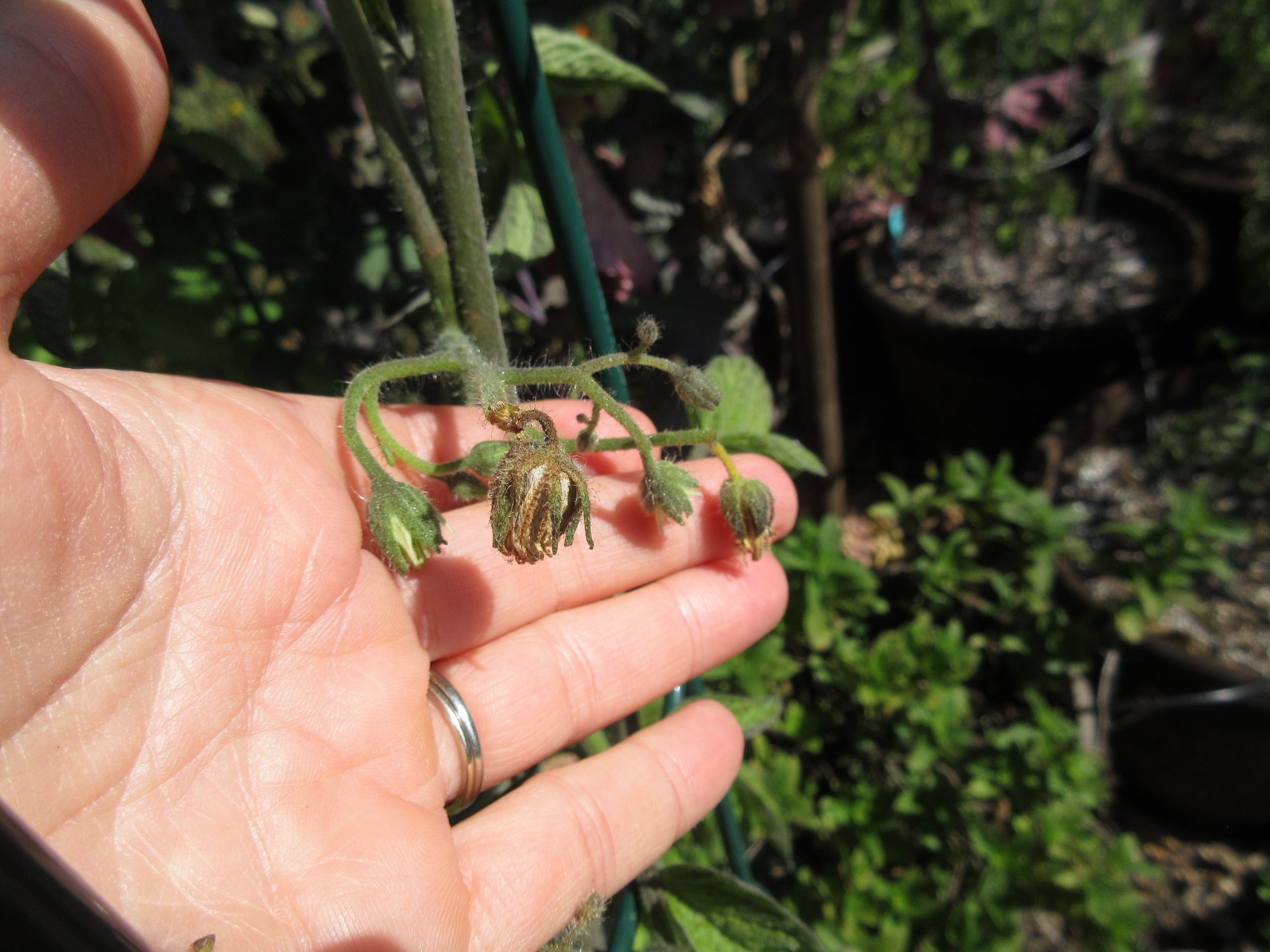
- Flowers look normal, may yellow slightly, then fall off
- Plant looks otherwise healthy, sometimes a bit wilted in late afternoon
- Problem shows up during a heat wave and eases when weather moderates
What to do
- Add afternoon shade during extreme heat. A piece of shade cloth (30 to 40 percent) over a simple frame can make a huge difference.
- Mulch 2 to 3 inches deep (straw, shredded leaves, untreated grass clippings that have dried). This buffers soil temperature and moisture.
- Water early so the plant goes into the hottest part of the day well-hydrated.
- Be patient. Once temperatures come back into range, tomatoes usually start setting fruit again with the next flower clusters.
Variety tip: Cherry tomatoes often set more reliably than big beefsteaks in challenging weather. If heat is a yearly theme where you live, look for varieties marketed as heat tolerant or heat set. Some parthenocarpic types can also set fruit better when pollination conditions are rough.
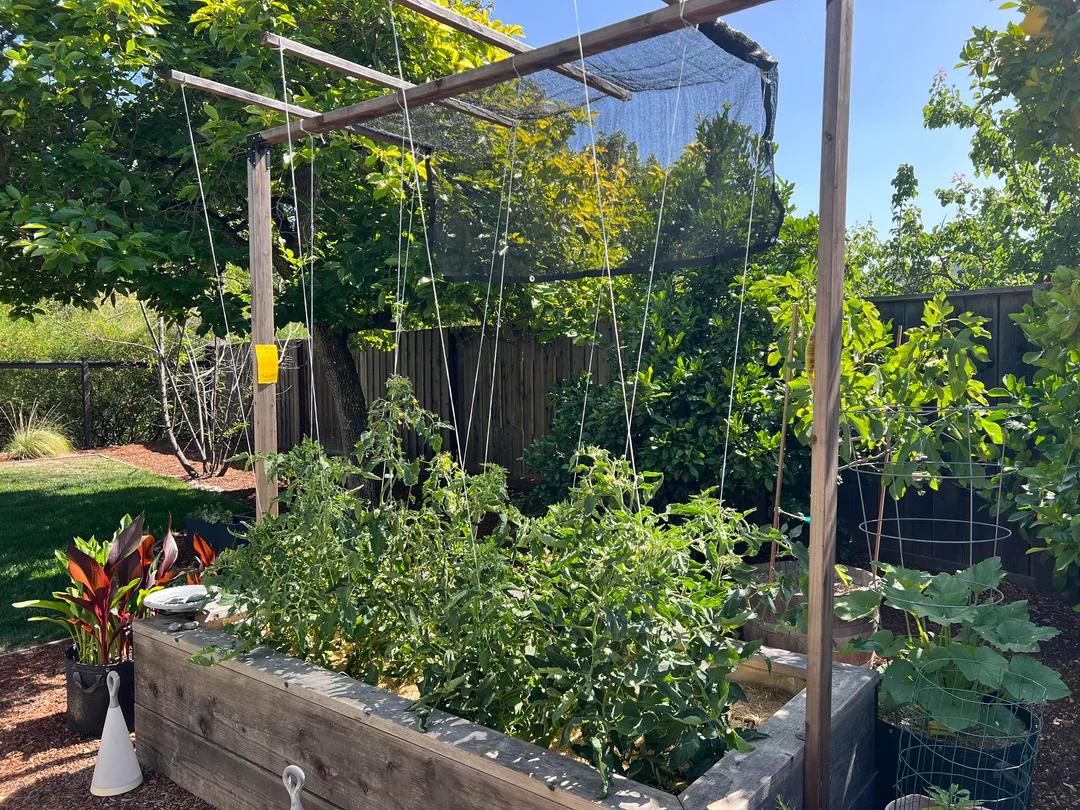
2) Watering swings
Tomatoes hate extremes. If the root zone goes bone-dry, then gets flooded, the plant responds by dropping blossoms because it cannot support new fruit reliably.
What it looks like
- Buds or flowers dry up and drop
- Leaves may curl or droop in afternoon
- Soil swings between cracked-dry and soggy
- In containers: the pot feels feather-light one day and heavy the next
How to fix it
- Water deeply and less often in beds. Aim to moisten the root zone, not just the surface. Frequency depends on your weather and soil, but consistency matters more than the exact schedule.
- Use the finger test: if the top 1 to 2 inches are dry, water. If it is still evenly damp, wait.
- Mulch to slow evaporation and reduce those dramatic swings.
- Use drip or soaker hoses if you can. They are great at keeping moisture steady and they avoid wet foliage, which helps with disease too.
- Containers need extra attention. In summer, a fruiting tomato in a pot may need daily watering. Self-watering planters or drip irrigation can be sanity-saving.
Important: “More water” is not the goal. Steady water is the goal. Constantly soggy soil can also trigger blossom drop by stressing roots.
3) Pollination problems
Tomatoes are self-fertile, meaning each flower has both male and female parts. But they still need movement to shake pollen loose. Outdoors, wind and buzzing bees do that job. In a greenhouse, on a sheltered balcony, or during long stretches of still, humid weather, pollination can lag.
Clues this is the issue
- Flowers stay on briefly, then drop with no tiny “baby tomato” behind them
- You are growing in a greenhouse, high tunnel, or very protected spot
- Weather has been rainy or humid with little breeze
Easy ways to improve pollination
- Gently tap or flick flower clusters once a day for a week when blooms are open. Midday is often best because pollen is more likely to be dry and mobile.
- Use an electric toothbrush held against the stem near the flower cluster for a second or two. It mimics buzz pollination surprisingly well.
- Invite pollinators by planting small-flowered companions nearby (sweet alyssum, basil left to flower, borage, calendula).
- Ventilate greenhouses to reduce humidity and improve air movement.
Also worth noting: Very strong wind can cause its own problems by drying flowers and stressing plants. If your garden is in a wind tunnel, a simple windbreak (even a section of garden fabric on stakes) can help.
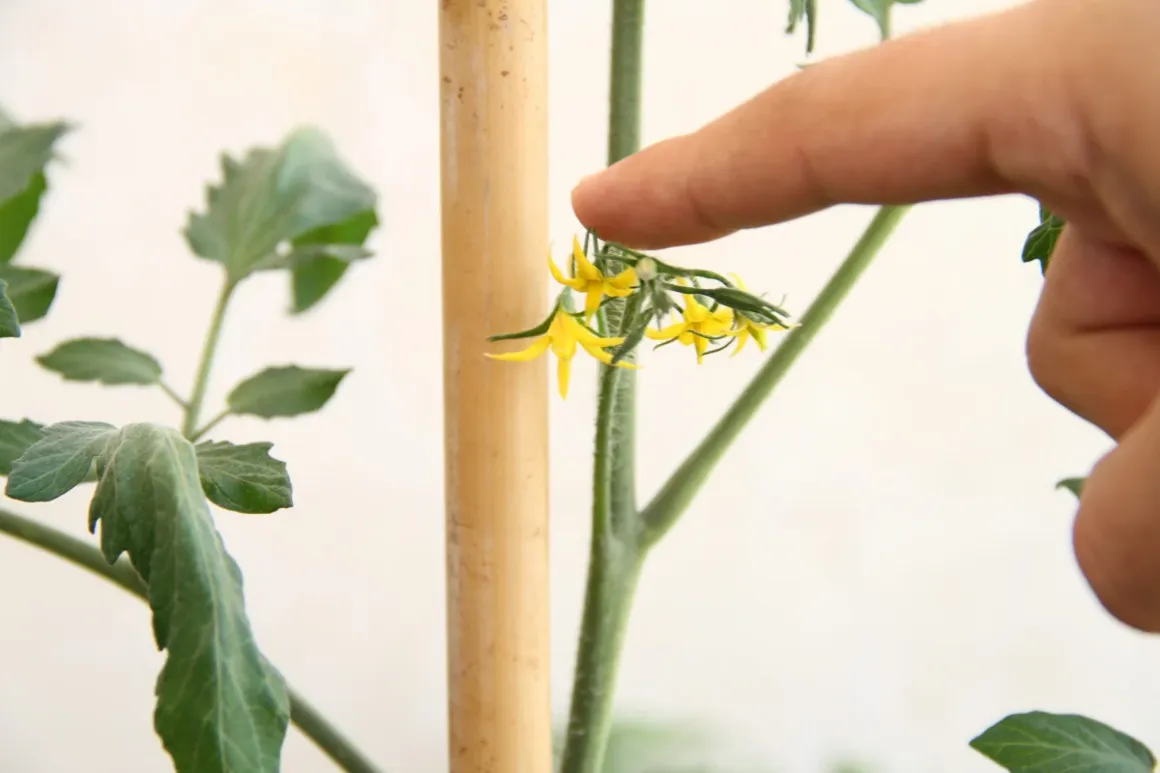
4) Too much nitrogen
If your tomato looks like it is auditioning to be a houseplant model, all lush green growth and very few fruits, excess nitrogen is a prime suspect. Nitrogen pushes leafy growth. Fruit set needs a more balanced nutrient picture, plus adequate light and steady moisture.
Signs you are overdoing nitrogen
- Very dark green leaves
- Rapid, bushy growth with thick stems
- Few blossoms, or blossoms that drop
- Lots of side shoots and foliage shading flower clusters
Common ways gardeners accidentally add too much nitrogen
- Frequent feeding with a high-nitrogen fertilizer
- Using lawn fertilizer near the vegetable bed
- Planting into soil heavily amended with fresh manure
- Overapplying rich compost or “hot” amendments right at planting
Nuance: Compost by itself is not usually the villain unless it is applied very heavily or paired with other high-nitrogen inputs. Fresh manure and high-N fertilizers are the usual troublemakers.
What to do
- Pause nitrogen-heavy feeding. Switch to a tomato-focused or balanced fertilizer (look for a lower first number, N, relative to P and K).
- Do not over-prune as a fix. Removing a little foliage for airflow is fine, but heavy pruning can stress the plant and worsen blossom drop.
- Water consistently. Excess nitrogen plus water swings is a classic blossom-drop combo.
If you are unsure what you have been feeding, check the label. The first number in N-P-K is nitrogen.
5) Other stress triggers
Once you have ruled out temperature, watering, pollination, and nitrogen, look for these less glamorous but very real factors.
Humidity swings
Very high humidity can make pollen sticky. Very low humidity can make pollen less able to transfer. As a rough guide, long stretches above about 70 to 80 percent RH can cause trouble, and very dry air can too. Improving airflow and watering consistently helps.
Low light
Tomatoes want full sun. If a plant is in too much shade, it may bloom but struggle to set fruit. In containers, sometimes the fix is simply rolling the pot into a sunnier spot.
Pests and disease
Anything that weakens the plant can lead to blossom drop. Look for:
- Spider mites (fine stippling on leaves, webbing)
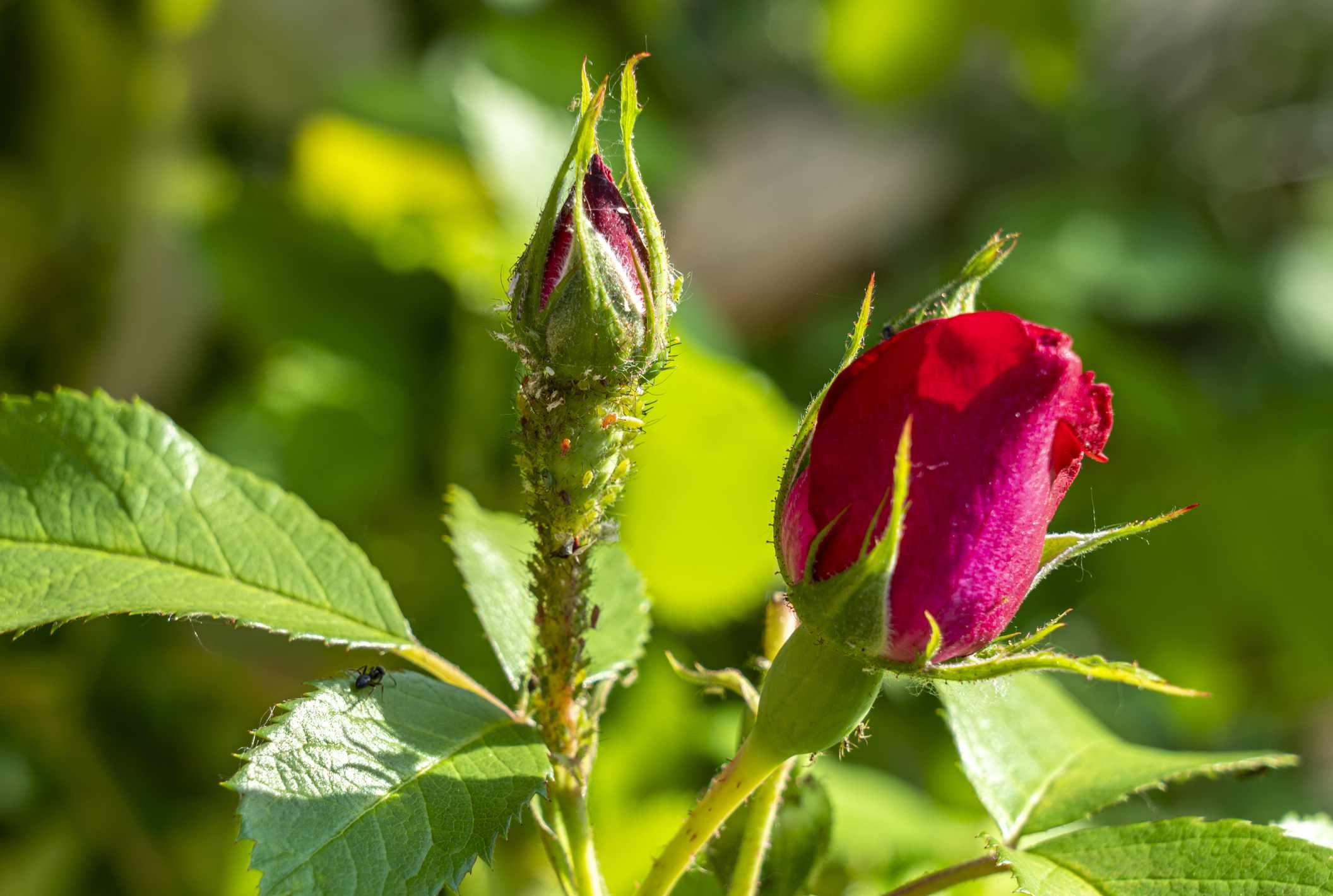
- Aphids (clusters on new growth)
- Thrips (tiny insects, scarring on flowers)
- Early blight or septoria leaf spot (spotted, yellowing leaves creeping upward)
Address the root issue and keep the plant as unstressed as possible. Healthy leaves power fruit production.
Root restriction
A tomato that is rootbound dries out faster and struggles to support fruit set. If your plant is large and the pot is small, upgrading to a bigger container can make a dramatic difference.
Fix it this week
If you want a simple plan you can start today, here is what I would do in the next 7 days:
- Check temps: note daytime highs and nighttime lows for a few days (your yard’s microclimate counts).
- Stabilize moisture: water deeply, add mulch, and avoid the dry-then-drench pattern.
- Help pollination: tap flower clusters daily or use the toothbrush trick.
- Stop high-nitrogen feeding until you see fruit set, then feed lightly and consistently.
- Observe new flowers: the next flush of blooms tells you if your changes worked.
Tomatoes are wonderfully forgiving once conditions come back into their comfort zone. I have had plants go from “all blossoms, no fruit” to a full-on tomato parade within two or three weeks after a heat wave breaks.
FAQ
Should I remove fallen blossoms?
You can, but you do not have to. I usually brush them aside when I am checking soil moisture so they do not mat against the stem. If disease pressure is high in your garden, keeping the soil surface tidy is a nice bonus.
Do I need blossom set spray?
Usually, no. Blossom set sprays can help in specific situations, but they are not a substitute for correcting heat stress, watering swings, or excess nitrogen. I treat them as a last resort, not a first step.
Can too much pruning cause blossom drop?
Yes. Heavy pruning can stress the plant and reduce the leaf area needed to fuel fruit development. Aim for light pruning for airflow and access, especially on indeterminate varieties.
Why are my tomato flowers dropping in a greenhouse?
Greenhouses often run hot and humid with still air. Ventilation, shading during peak heat, and gently vibrating flower clusters can make a big difference.
When to worry
If blossoms drop for more than 2 to 3 weeks and you see additional symptoms like severe leaf yellowing, stunting, or obvious pest damage, it is time to dig deeper. At that point, I recommend inspecting the underside of leaves, checking for spots or lesions, and confirming the plant is not sitting in waterlogged soil.
Otherwise, take a breath. Tomatoes can be dramatic, but with steady moisture, sensible feeding, and a little help during temperature extremes, most plants settle down and start setting fruit right on schedule.