From plant division to repurposed edging, these 15 cost-effective garden design ideas help you refresh your landscape with less money and more creativity.
Gardening insights
When to Divide Hostas, Daylilies, and Irises
A seasonal, side-by-side guide to dividing hostas, daylilies, and bearded irises, including the best timing, signs they need splitting, sanitation tips, spacing, and simple steps to replant divisions successfully.

Elena Rosales
Elena Rosales is a certified Master Gardener and lifelong plant enthusiast who believes anyone can cultivate a green thumb. After transforming her tiny urban balcony into a thriving plant oasis, she moved to a half-acre homestead to grow her own food and flowers. Today, she shares practical, hands-on gardening advice to help the Hortello community bring more green into their lives.
Published September 29, 2026
Updated September 29, 2026
If you have ever looked at a once-gorgeous clump of hostas or daylilies and thought, “Why are you suddenly sulking?”, it might not be pests or soil at all. It might simply be time to divide. Many clump-forming perennials appreciate a good split every few years. It refreshes growth, improves blooming, and gives you free plants to fill in bare spots.
Below is the quick, comparison-style guide I wish I had taped to my potting bench back when I accidentally created the Great Zucchini Invasion of 2019 and then had zero space left for the “free” plants I made by dividing.
Quick timing chart: spring vs fall
If you only read one section, make it this one. Timing accounts for half your success with dividing.
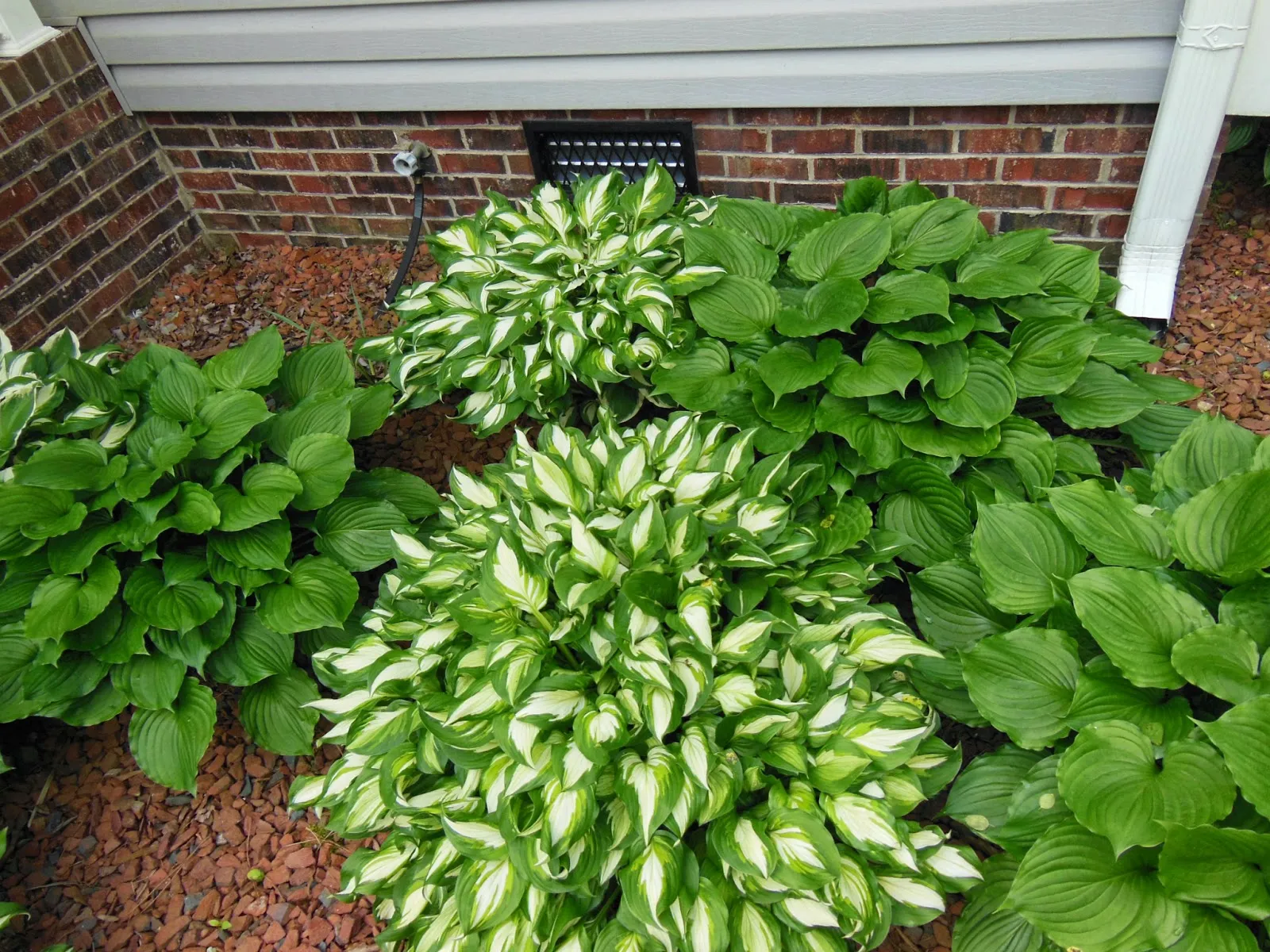
- Hostas: Best in early spring as shoots emerge, or early fall about 4 to 6 weeks before hard frost.
- Daylilies: Very flexible. Best in early spring or late summer into early fall after peak bloom. Aim for 4 to 6 weeks before hard frost.
- Bearded irises (rhizomes): Best in mid to late summer, usually about 6 to 8 weeks after flowering (often July to September, depending on region).
My simple rule: Divide when the plant can regrow roots before extreme heat or deep cold. For most gardens, that means cool spring weather or that late-summer sweet spot before frost.
How to tell it needs dividing
Dividing is not something you have to do on a strict schedule, but these signs are your plant waving a tiny flag.
- Fewer flowers than usual: Common with daylilies and irises when clumps get crowded.
- Dead or bare center: A “donut” clump where the middle thins out while the edges keep growing.
- Smaller leaves or weaker stems: The plant looks tired even though it gets decent water and sun.
- The clump is literally bulging: Roots pushing up, rhizomes stacking, or the plant creeping into paths.
- Water runs off instead of soaking in: Dense roots can shed water like a thatched roof.
One exception: If your plant is already stressed by drought, disease, or pests, fix the underlying problem first if you can. Dividing is a boost, but it is still surgery.
Quick sanity check: Not every perennial wants to be divided. Clump-formers often respond beautifully. Woody-based plants and deep taproot types tend to be less enthusiastic about the whole idea.
Hostas: when and how
Best season
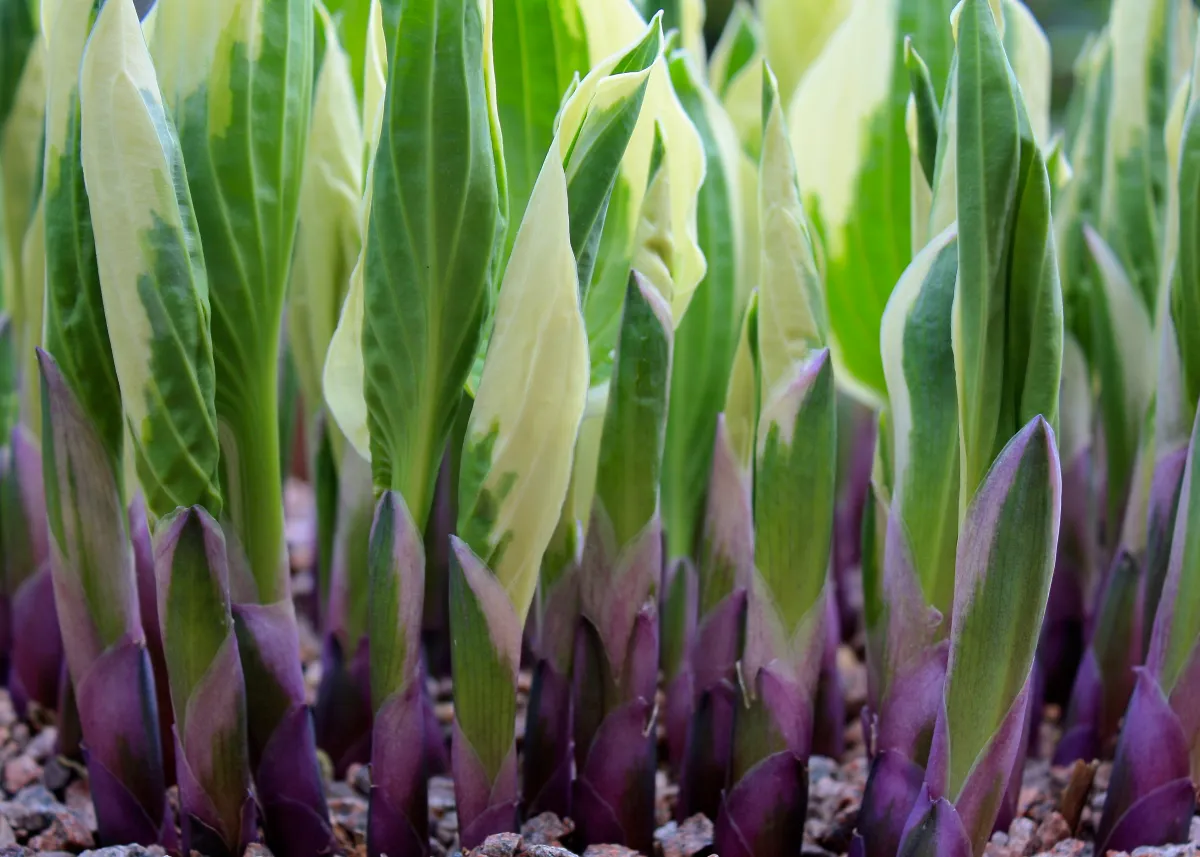
Early spring is my favorite for hostas. The “eyes” (those pointed shoots) are visible, temps are cool, and the plant has the whole growing season to recover.
Early fall also works well, especially in hot-summer areas where spring can turn into sudden heat. Aim for 4 to 6 weeks before your first hard freeze.
Extra timing tip
Hostas are tough, but they do not love being divided in the middle of summer heat. If you must divide then, provide temporary shade and steady moisture.
How to divide hostas
- Water the day before so the root ball is hydrated.
- Dig wide around the clump and lift it with as much root mass as possible.
- Split the clump using a sharp spade or soil knife. Each division should have at least 2 to 3 eyes and a healthy portion of roots.
- Trim damaged roots cleanly if they tore.
- Replant at the same depth the hosta was growing before. Burying the crown too deep can slow it down.
- Water deeply and mulch lightly, keeping mulch off the crown.
Tool tip: If you are dividing multiple plants, wipe or rinse your blade between clumps. It is a small habit that helps prevent sharing problems you did not mean to share.
Daylilies: when and how
Best season
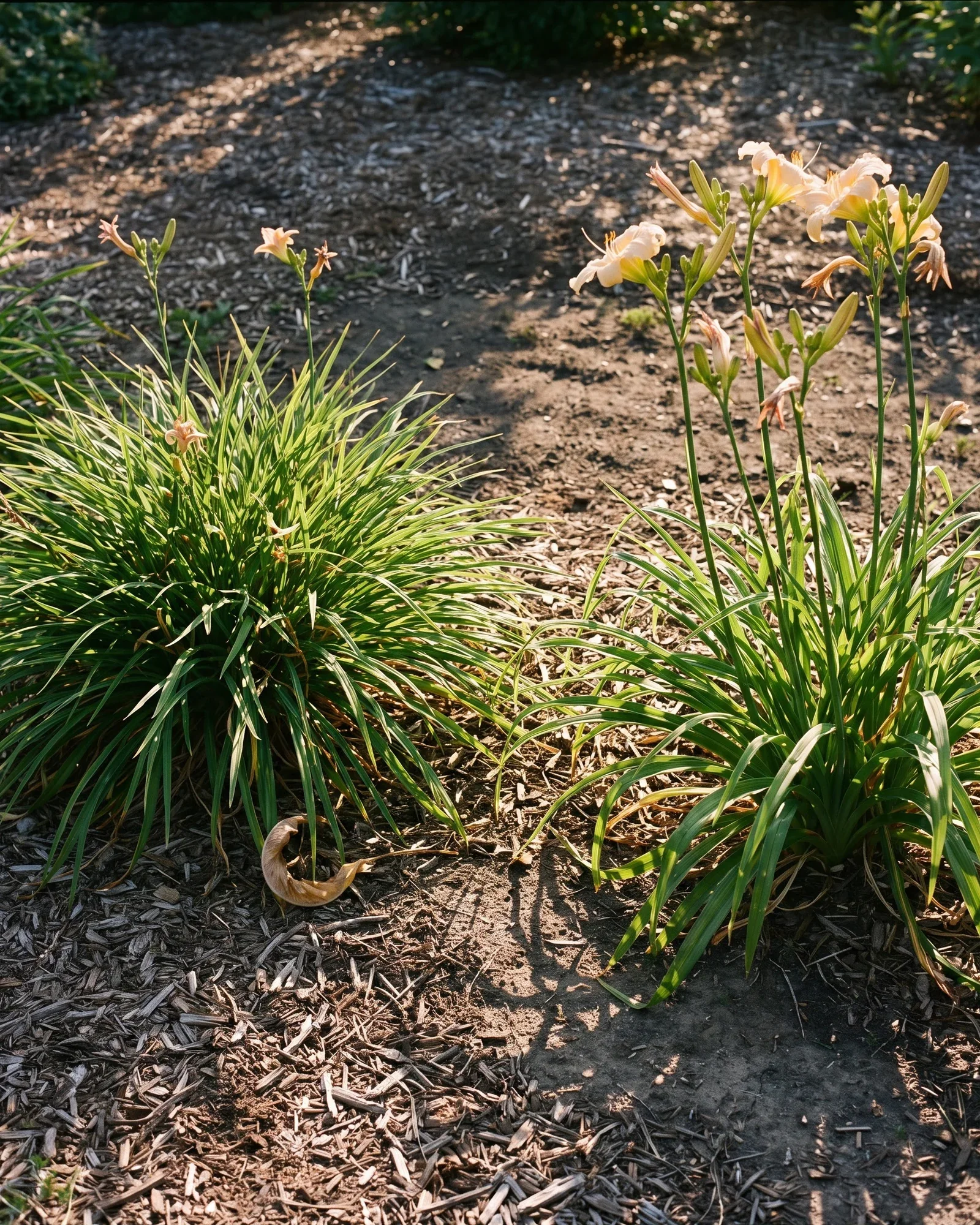
Daylilies are wonderfully forgiving. Choose based on your schedule and climate:
- Early spring: Great if you want fast regrowth and do not mind sacrificing some blooms the first summer for newly divided pieces.
- Late summer to early fall: My top pick for heavy bloomers. Divide after the main flowering flush so you are not cutting down buds.
Timing guideline: Give them at least 4 to 6 weeks to re-root before hard frost.
How to divide daylilies
- Cut foliage back to about 6 to 8 inches if you are dividing in late summer or fall. This reduces stress and makes clumps easier to handle.
- Lift the clump with a spade or fork, digging wider than you think.
- Separate fans by teasing apart with your hands or slicing through the crown. Each division should have at least 2 to 3 fans (one fan can work, but it is slower to bulk up).
- Replant promptly so roots do not dry out.
- Plant depth matters: Set the crown at soil level to no deeper than 1 inch below the soil surface. Too deep can reduce flowering.
- Water consistently for 2 to 3 weeks while new roots establish.
Sanity-saving note: Label divisions if you have multiple cultivars. Daylilies are masters of looking identical until bloom time, at which point you will swear you planted that apricot one somewhere.
Irises: when and how
This section is for bearded irises, the classic rhizome type. Other irises have different rhythms. Siberian and Japanese irises (clump-forming types) are often divided more like ornamental grasses or daylilies, while bulb irises follow bulb rules.
Best season
Bearded irises typically divide best in mid to late summer, usually about 6 to 8 weeks after blooming. That is when new rhizomes have formed, and you can pick the healthiest pieces to replant.
Why not spring? Spring division often interrupts flowering and can increase the odds of rot because soils are cooler and wetter in many regions.
Signs they need it
- Lots of leaves, fewer blooms each year
- Rhizomes piled on top of each other or creeping out of the bed
- Dead center with active growth only around the edges
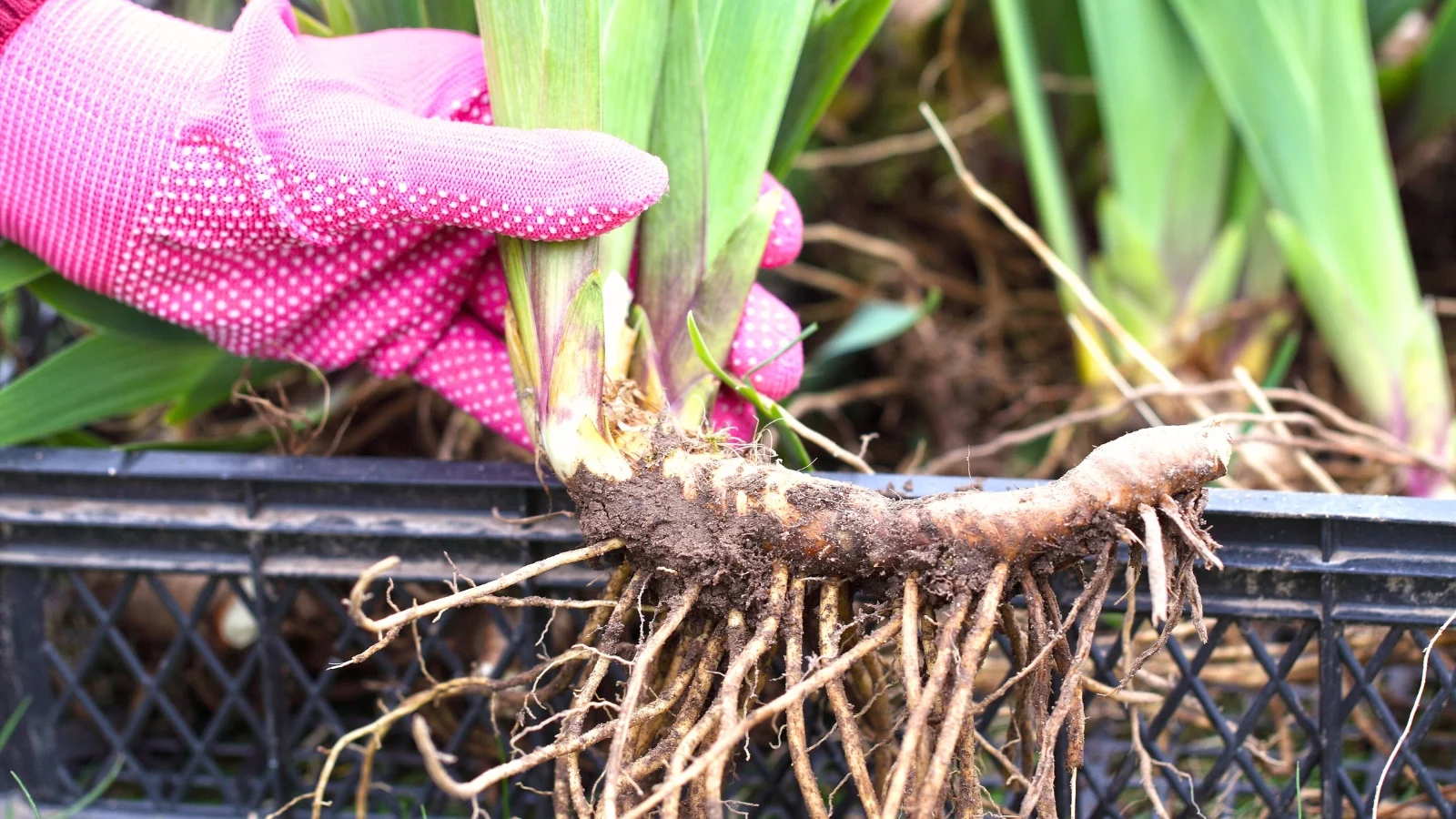
How to divide bearded irises
- Lift the clump carefully with a fork to avoid spearing rhizomes.
- Rinse or shake off soil so you can see what you are doing.
- Keep the newest rhizomes: Look for firm rhizomes with healthy roots and a leaf fan. Discard old, woody center pieces and anything soft or smelly.
- Trim leaves into a 4 to 6 inch fan (a neat “V” shape is traditional). This reduces wind rock and water loss.
- Let cuts dry for a few hours in shade if you made fresh slices. This helps reduce rot.
- Replant shallow: Set rhizomes so the top is just at or slightly above soil level. Irises hate being buried.
- Water to settle the soil, then keep the area lightly moist while roots re-establish. Avoid saturation. In very hot, dry weather, that may mean a bit more frequent light watering until you see new growth.
Optional, if rot has been an issue: Some gardeners dust fresh cuts with powdered sulfur, or disinfect tools between clumps. The goal is simple: do not help rot travel around your garden like it owns the place.
Replanting divisions
Dividing is only half the job. Replanting well is what turns those pieces into thriving plants.
Before you dig
- Prepare the new hole first so divisions do not sit around drying out.
- Loosen soil deeply and mix in compost if your soil is compacted. Hostas and daylilies especially appreciate improved soil structure.
- Match light needs: Hostas generally like part shade, daylilies bloom best with more sun, and bearded irises want full sun and good drainage.
- Clean tools between plants if you are moving through several clumps, especially if any plant looks questionable.
Spacing basics
- Hostas: Roughly 18 to 36 inches apart depending on mature size.
- Daylilies: About 18 to 24 inches apart for most types.
- Bearded irises: About 12 to 24 inches apart, with rhizomes sitting shallow and soil that drains well.
Right after planting
- Water deeply (except go easy with bearded irises).
- Mulch lightly for hostas and daylilies to conserve moisture. Keep mulch off crowns.
- Skip fertilizer for a couple weeks if you amended with compost. Tender new roots can burn with strong fertilizer.
The first month
- Watch for wilting in heat and water early in the day.
- Expect a little sulking: Some divisions pause before taking off. That is normal.
- Label varieties if you have multiple cultivars. Future-you will be so grateful.
Common mistakes
- Dividing in peak heat: If you must, do it in the evening, keep divisions shaded, and water consistently.
- Planting too deep: Daylily crowns too deep can reduce blooms. Iris rhizomes buried too deeply often rot.
- Tiny divisions: One small piece can survive, but larger divisions establish faster and look good sooner.
- Not watering beforehand: Hydrated roots handle the stress of division much better.
- Overwatering irises: They like moisture to establish, but soggy soil is an invitation to rot.
- Skipping cleanup: Dirty blades can spread disease. A quick wipe-down is faster than dealing with rot later.
FAQ
Can I divide all three in one weekend?
Yes, as long as you are in the right seasonal window for each. In many climates, early fall is the easiest overlap for hostas and daylilies, while mid to late summer is prime time for bearded irises.
How often should I divide them?
It depends on growth rate and your goals. Many gardeners divide every 3 to 5 years, but you can wait longer if plants are still blooming well and the clump looks healthy.
Will dividing stop blooms next year?
It can reduce blooms temporarily, especially if you make small divisions or divide late. Daylilies and hostas typically rebound quickly. Bearded irises often bloom the following year when divisions are healthy and planted on time, but small or late-planted pieces may skip a season.
What if I cannot replant right away?
Keep divisions cool and shaded. Wrap roots in damp paper and place them in a breathable bag for a short time. Try to replant within 24 hours for best results, especially for hostas and daylilies. Iris rhizomes can handle a short wait, but do not leave them baking in sun.