A step-by-step indoor seed-starting guide that covers soil, lighting, watering, and timing so your seedlings are sturdy and ready for spring planting.
Gardening insights
LED vs. Fluorescent Grow Lights
LED and fluorescent grow lights can both keep indoor plants thriving, but they differ in efficiency, heat, coverage, specs, and long-term cost. Here’s how to choose the right setup.

Elena Rosales
Elena Rosales is a certified Master Gardener and lifelong plant enthusiast who believes anyone can cultivate a green thumb. After transforming her tiny urban balcony into a thriving plant oasis, she moved to a half-acre homestead to grow her own food and flowers. Today, she shares practical, hands-on gardening advice to help the Hortello community bring more green into their lives.
Published September 21, 2026
Updated September 21, 2026
Indoor plants have a funny way of telling the truth. If the light is off, they will let you know with leggy stems, pale leaves, and that slow, sulky growth that makes you second-guess everything. The good news is that you do not need a greenhouse or fancy equipment to fix it. You just need the right kind of grow light for your plants and your space.
Two of the most common options are LED and fluorescent (usually T5 or compact fluorescents). Both can work beautifully. They just shine in different ways.
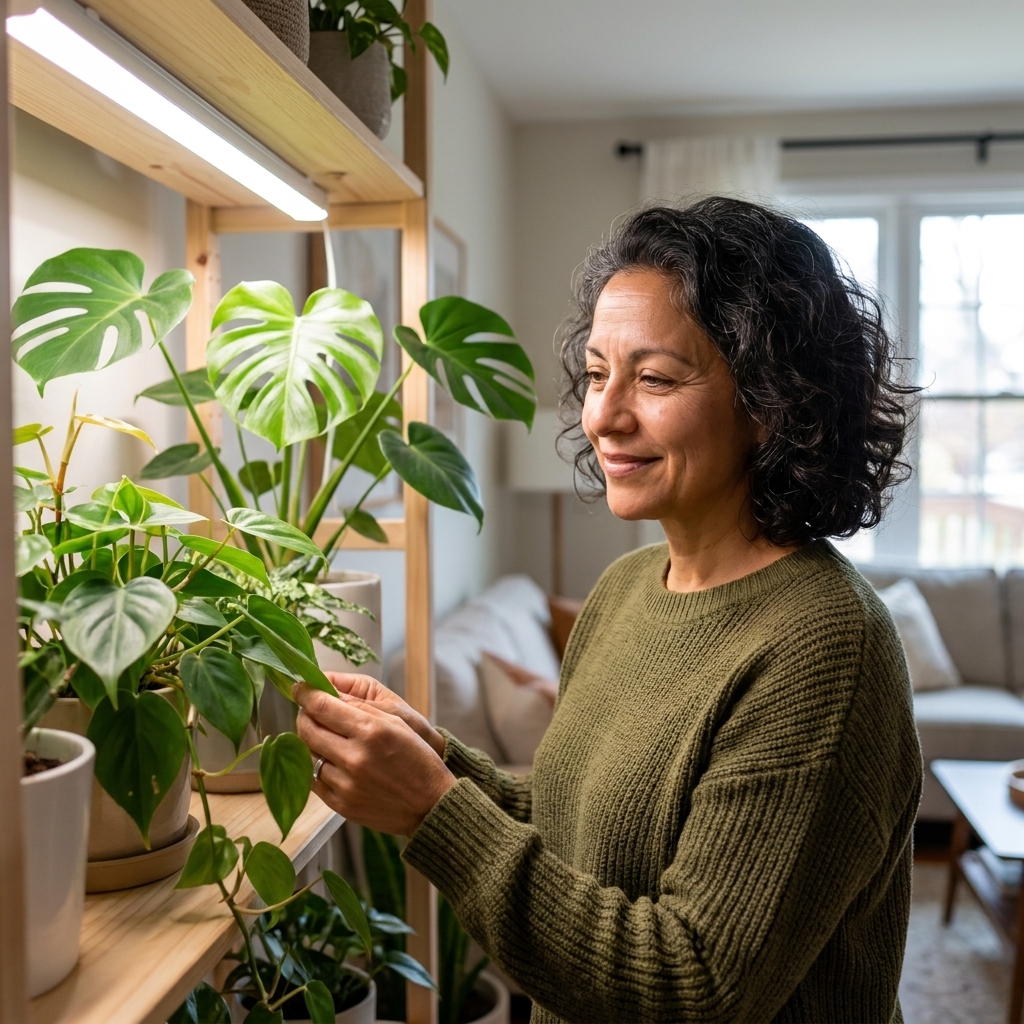
Quick comparison
If you only read one section, make it this one. Here is the practical difference I see most often in real homes and seed-starting setups.
- LED: Usually the lowest ongoing electricity cost, long lifespan, and often the best long-term choice if you are buying new.
- Fluorescent: Often cheaper upfront (especially if you already own a shop light), great for seedlings and low to medium light plants, bulbs need replacing more often.
How plants read light
Before we compare fixtures, it helps to know what actually matters to a plant.
Intensity
This is the big one. For indoor gardening, intensity is mostly about how much plant-usable light reaches the leaves. The closer the light is, the stronger it is at plant level. This is why a modest light hung close can outperform a stronger light mounted too high.
If you want one simple term to know, it is PPFD. That is a measurement of how much usable light (PAR) hits a surface each second. You do not need to memorize the science, but it helps explain why “it looks bright to me” does not always translate to “my plant is happy.”
Duration
Most houseplants do well with 10 to 14 hours under supplemental light. Seedlings and leafy greens often prefer 14 to 16 hours. Some plants care more about day length than others, so treat these as starting points and adjust based on growth and leaf color.
Spectrum
Plants use blue and red light most efficiently, and some green light still contributes. In practice, a quality “full spectrum” white light is usually excellent for home growers and much nicer to live with than purple lights.
Distance and coverage
Every light has a footprint. A bright center with dim corners is common, especially with small panels and bulbs. Whatever you choose, plan for overlap if you are lighting a wider shelf or tray.
LED grow lights
LEDs have come a long way since the early days of harsh, nightclub-purple grow bulbs. Today, there are excellent white LED bars, panels, and bulbs that are efficient and plant-friendly.
Why people love LEDs
- Efficiency: LEDs often produce more plant-usable light per watt than fluorescents, especially in modern, well-designed fixtures. Quality matters a lot here, including the diodes and the driver.
- Long lifespan: Many LED fixtures are rated for tens of thousands of hours. That is years of use for most home gardeners.
- Cooler feel at plant level: Compared with fluorescents at similar plant results, LEDs often feel cooler and radiate less heat downward. But they can still stress plants up close if intensity is high, so distance still matters.
- Flexible form factors: Bars for shelves, slim under-cabinet styles, panels for bigger areas, and screw-in bulbs for a single plant in a dark corner.
Where LEDs can disappoint
- Upfront cost: A well-made LED fixture can cost more than a basic fluorescent shop light.
- Quality varies a lot: Some inexpensive lights look bright to our eyes but do not deliver strong intensity where plants need it. With LEDs, it pays to buy from a reputable brand or a fixture with clear specs.
- Coverage can be narrow: Small LED panels may create a strong hotspot and weak edges. Bars tend to spread light more evenly across shelves.
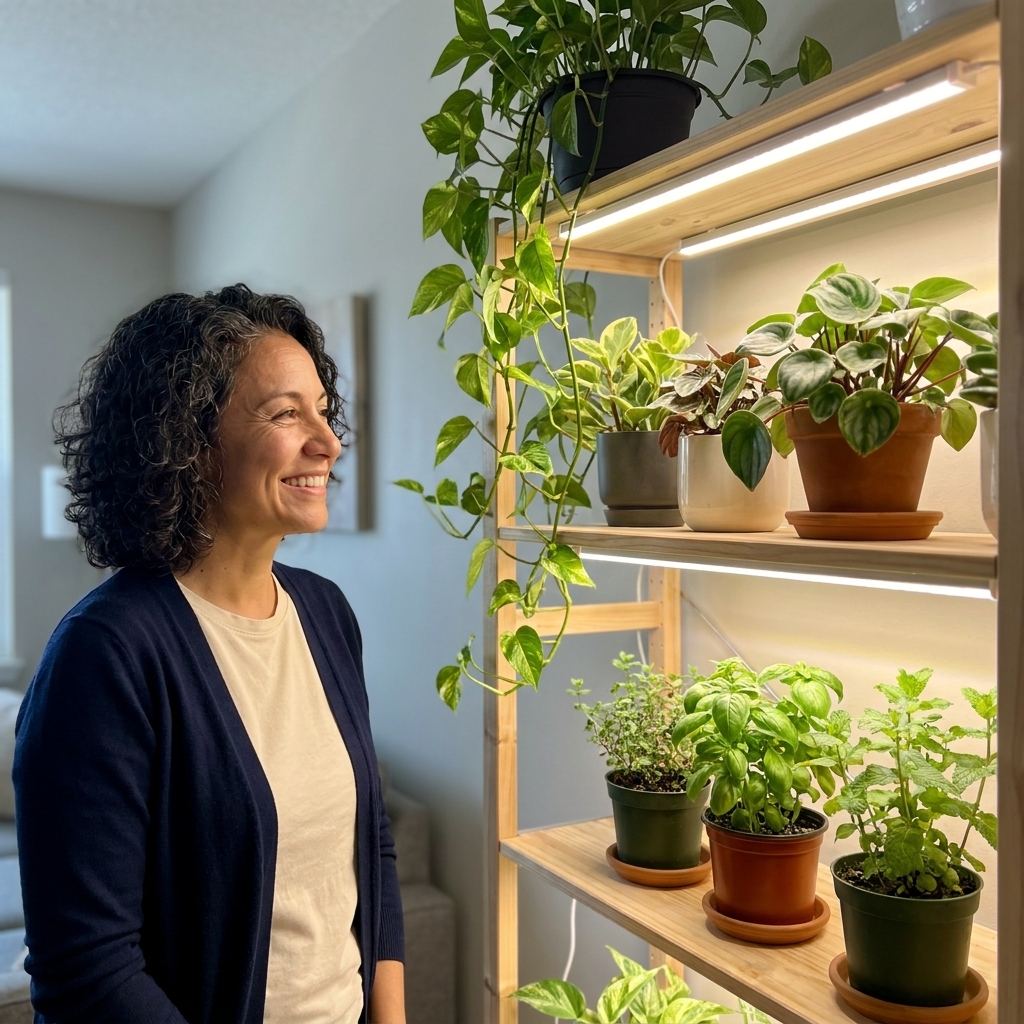
Best uses for LEDs
- Year-round houseplant shelves
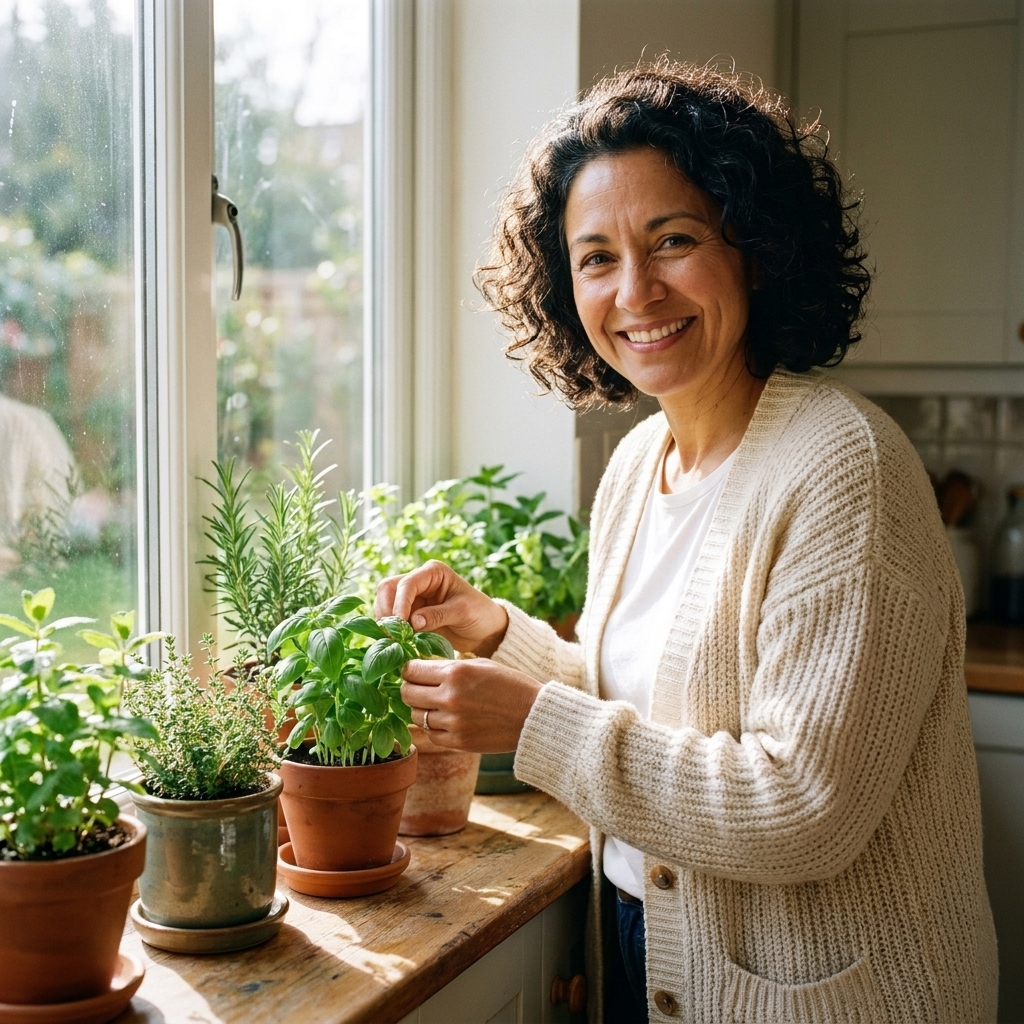
- Indoor herbs in kitchens or utility rooms
- Seed starting if you want a long-term, low-maintenance setup
- Higher-light plants like succulents when you choose a sufficiently strong fixture
Fluorescent grow lights
Fluorescents are the reliable old garden truck of indoor lighting. Not flashy, but they have started a lot of seedlings and kept a lot of spider plants happy.
Why fluorescents still earn a spot
- Budget-friendly to start: A T5 fluorescent shop light can be a cost-effective way to light a seed tray or a plant shelf, especially if you already own the fixture.
- Nice, even spread: Long tubes distribute light smoothly across trays and shelves, which is great for seedlings.
- Proven for seed starting: Hung close, fluorescents can grow stocky seedlings with good leaf color.
Where fluorescents can frustrate you
- More energy use for the same output: Compared to many modern LED fixtures, fluorescents often cost more to run over time.
- Bulb replacement: Tubes and CFL bulbs lose output as they age, even if they still turn on. Many indoor growers replace tubes regularly to keep results consistent.
- More heat at close range: Often warmer than LEDs at comparable plant results. Not dangerous when used properly, but you will notice the warmth, and tender leaves can be damaged if bulbs are too close.
- Availability and disposal: Some fluorescent bulbs contain small amounts of mercury and should be disposed of properly. Also, tube availability is becoming more limited in some areas.
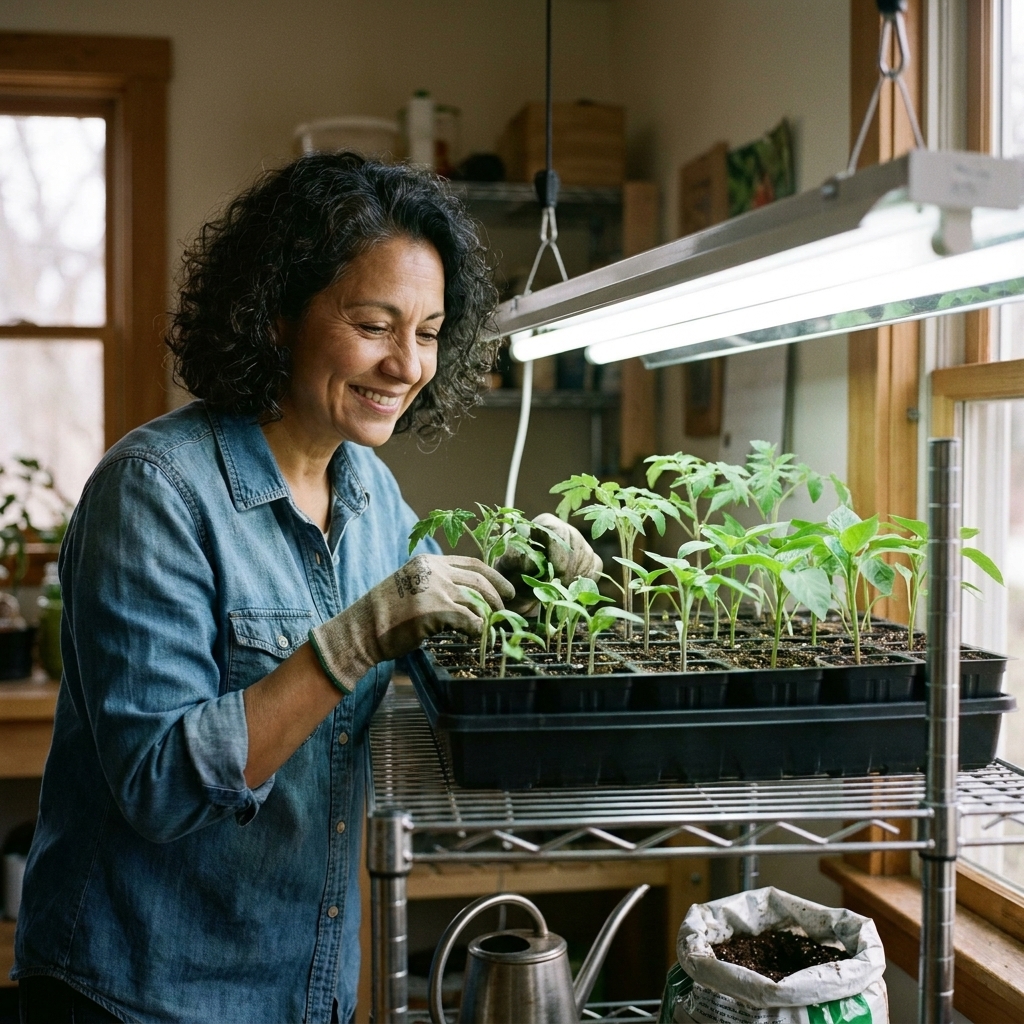
Best uses for fluorescents
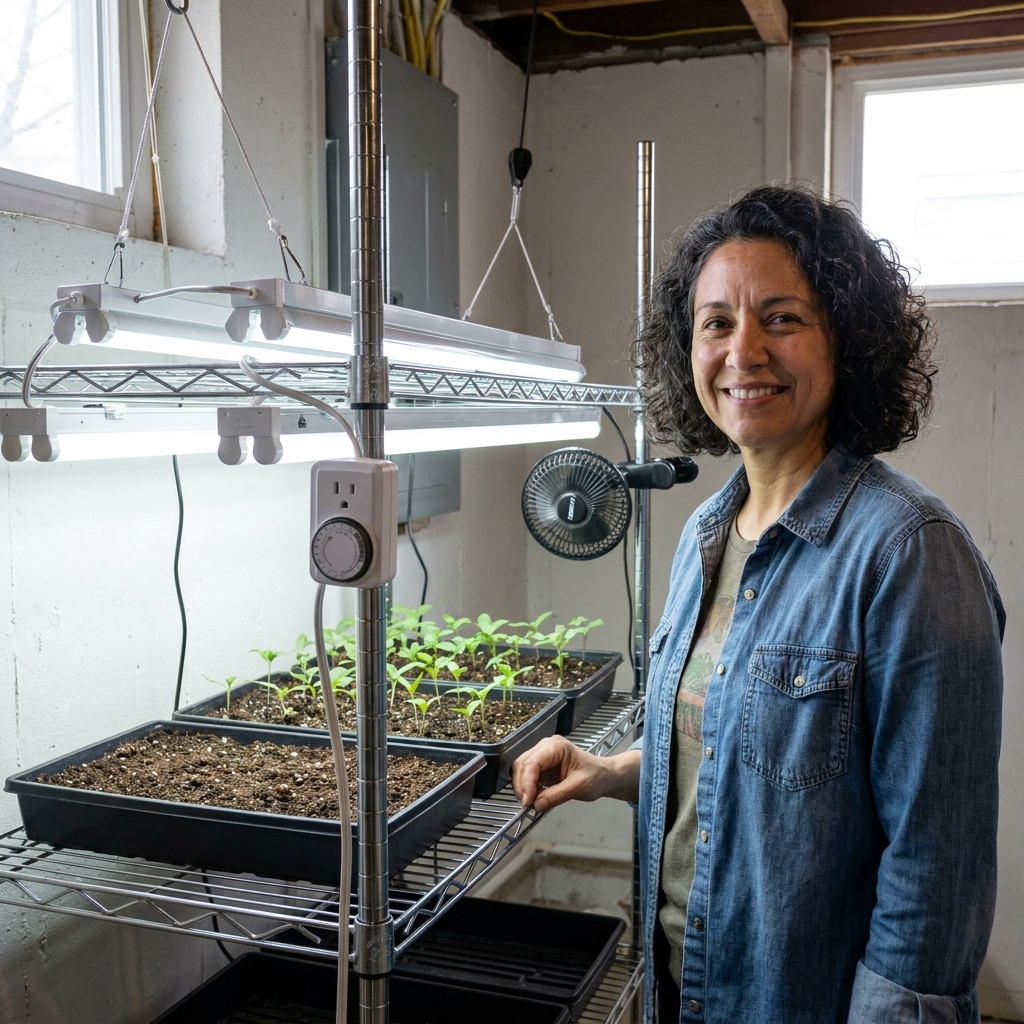
- Seed starting on a rack where lights can be kept very close
- Low to medium light houseplants
- Growers who want a simple, inexpensive setup and do not mind bulb replacement
What specs to look for
This is where marketing gets loud. You do not need to become a lighting engineer, but a few specs will keep you from buying a bright-looking disappointment.
- PPFD (or a PPFD map): This is the most useful number when brands provide it. A map is even better because it shows the bright center and the edges.
- Wattage (actual draw): Not a perfect proxy for performance, but it helps you compare energy use.
- Color temperature for white lights: For most home setups, 4000K to 6500K is a solid, pleasant range. Many seed starters like 5000K to 6500K. Warm white can also grow plants, but it may encourage a slightly stretchier habit if intensity is low.
- Coverage length and shape: Bars tend to light shelves evenly. Panels can work great for wider areas, but look for coverage info and plan overlap.
- “Full spectrum” wording: It is often marketing. Treat it as a nice-to-have label, not proof of intensity. Reputable brands back it up with measurements.
- Safety certifications: Look for UL or ETL listing, especially for inexpensive fixtures.
Starter settings
Every light is different, so there is no magic number. Still, people want a place to start. Use these as training wheels, then adjust based on plant response.
- Seedlings: 14 to 16 hours. Start with lights fairly close, often around 2 to 6 inches above the canopy for typical LED bars or T5 fixtures, then raise as plants grow and you see how they respond.
- Houseplants (most foliage plants): 10 to 14 hours. A common starting point is 8 to 18 inches away depending on how strong the fixture is and how much coverage you need.
- Succulents and cacti: 12 to 14 hours. Often need closer distances or a higher-output fixture to avoid stretching. Watch for bleaching and back off if leaves fade.
The plant will tell you what is working. Stretching means increase intensity, move closer, or extend hours. Bleaching or crispy patches means back off, raise the light, or reduce hours.
Cost
This is the part where many of us, myself included, make decisions based on the “today budget” instead of the “six months from now” budget. Both are valid, but they lead to different choices.
Upfront cost
Fluorescent fixtures and bulbs often cost less initially, especially if you are using a standard shop light. LED fixtures tend to cost more, particularly higher-output bars and panels.
Operating cost
LEDs usually win here because they often deliver similar plant results with less electricity. If your lights run daily through the winter, the savings add up.
Replacement cost
With fluorescents, plan for periodic bulb replacement to maintain results. With LEDs, replacement is less frequent, but if a non-serviceable fixture fails, you may replace the whole unit.
Heat and safety
When I was gardening on a tiny balcony and later in a cramped apartment corner, heat mattered. It still does on my seed-starting rack in late winter.
- LED: Often easier for close placement over leaves, but high output can still cause light stress up close. Keep drivers and power supplies ventilated and avoid draping fabric over fixtures.
- Fluorescent: Warm tubes can dry seedlings faster and can stress leaves if too close. Keep some airflow and check leaf tips for crisping.
Whichever you choose, use a grounded outlet, keep cords away from standing water, and consider a power strip with surge protection. If you are lighting plants near sinks, humidifiers, or watering stations, a GFCI outlet is a smart upgrade. I have learned this the hard way while juggling seed trays and watering cans.
Best choice by plant
Let’s match the light to what you are growing. If you have ever dealt with the Great Zucchini Invasion of 2019 like I did, you already know that “one size fits all” is a gardening myth.
Seedlings
LED or T5 fluorescent both work. The key is strong, close light and consistent timing.
- Hang lights close and adjust as seedlings grow.
- Run lights 14 to 16 hours a day.
- Rotate trays if edges grow slower.
Leafy greens and herbs
LED is often the easiest win because it is efficient and can be mounted neatly under shelves. Fluorescents can work well too if you have the space.
Low-light houseplants
Either is fine. These plants are forgiving, and a modest fixture placed reasonably close can maintain nice growth and color.
High-light houseplants
Lean LED, but choose a fixture designed for higher intensity. Many succulents stretch under weak lights, even if the room looks bright to us.
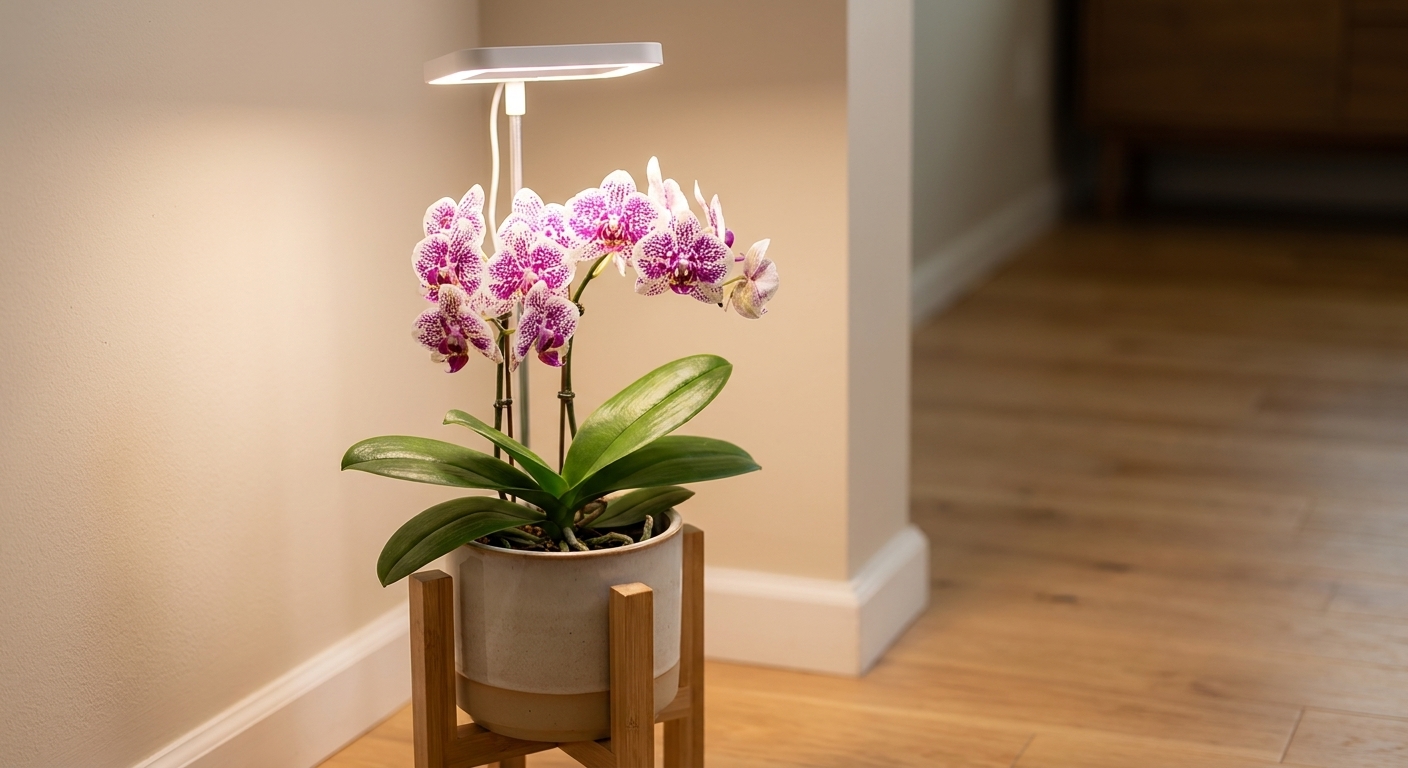
Orchids
Either can work, depending on the orchid type and your setup. Many growers like LEDs for cooler operation and good control over placement on shelves.
Decision checklist
- If you want the most efficient, long-term setup: Choose LED.
- If you are seed-starting on a budget and can keep lights close: T5 fluorescent is still a solid choice.
- If heat is a concern (small shelves, low clearance): Choose LED.
- If you already own a fluorescent shop light: Use it well now, then upgrade later if needed.
- If you hate replacing bulbs: Choose LED.
- If you are buying budget lights online: Prioritize UL or ETL listing and clear output specs.
Setup tips
I have seen “perfect” lights fail because of simple setup issues. These tweaks make a bigger difference than most people expect.
Use a timer
Consistency beats guesswork. Set it and forget it.
Keep lights close enough
For many indoor setups, the sweet spot is often closer than you think, especially for seedlings. Start conservatively, watch for bleaching or crisping, and adjust.
Reflect light back
White walls help. Mylar is not required. Even a simple white backing behind a shelf can improve efficiency.
Do a weekly plant check
- Stretching: light is too weak or too far away.
- Bleaching: light may be too intense or too close.
- Drying fast: heat or airflow may be too high, or pots are too small.
FAQ
Are fluorescent grow lights being phased out?
In some places, yes. Availability varies, and some retailers stock fewer fluorescent tubes each year. If you love fluorescents and already have a working fixture, it can still serve you well. For a brand-new setup, LEDs are often the more future-proof choice.
Do “full spectrum” lights really matter?
For most home growers, a quality white “full spectrum” LED is a great choice and pleasant to live with. The bigger factor is intensity at the leaf level and how many hours you run the light.
Can I mix LED and fluorescent lights?
Absolutely. I have done this on seed-starting racks when I was using what I had. Just keep the canopy evenly lit and watch for uneven growth where one side is brighter.
What about screw-in grow bulbs?
They can be perfect for a single plant in a dark corner. For a shelf of plants or seed trays, bars or multi-tube fixtures usually give more even coverage.
My bottom line
If you want one recommendation for most indoor gardeners, it is this: choose a good LED fixture and set it up thoughtfully. The efficiency, lifespan, and flexibility are hard to beat, and it is usually the simplest long-term path.
But if you are starting seeds right now and a fluorescent shop light is what you have, use it. Gardeners grow plants, not shopping carts. Get the timing right, keep the light close, and you will be amazed how quickly those little green seedlings stand up and say, “Okay, we can do this.”