A practical, pet-parent friendly list of 15 non-toxic indoor plants, with easy care tips and placement ideas for homes with cats and dogs.
Gardening insights
How to Get Rid of Fleas in Your Home
Fleas can hitchhike in fast and settle in even faster. Learn how to eliminate fleas from your house with a step-by-step plan: pets, laundry, vacuuming, yard checks, and prevention.

Elena Rosales
Elena Rosales is a certified Master Gardener and lifelong plant enthusiast who believes anyone can cultivate a green thumb. After transforming her tiny urban balcony into a thriving plant oasis, she moved to a half-acre homestead to grow her own food and flowers. Today, she shares practical, hands-on gardening advice to help the Hortello community bring more green into their lives.
Published October 2, 2026
Updated October 2, 2026
Fleas have a talent for making a perfectly normal week feel suddenly itchy and chaotic. If you are dealing with bites, seeing “flea dirt” (those peppery black specks), or watching your pet do that frantic scratch-and-twist, take a breath. You can get rid of fleas, but it works best when you treat the pet, the home, and the yard or entry points as one connected system.
I think of flea control like weeding: you do not just pluck what you see on top. You go after what is hiding underneath, and you come back on a schedule long enough to exhaust the seed bank. Fleas are similar. Most of the population is not on your pet right now, it is in eggs, larvae, and pupae tucked into carpets, cracks, bedding, and cozy corners.
First, know what you are up against
Understanding the flea life cycle makes your plan a lot more effective:
- Adults live on pets and bite people. They lay eggs after feeding.
- Eggs fall off into carpets, pet bedding, couch cushions, and floor cracks.
- Larvae hide in dark areas and feed on organic debris, including flea dirt.
- Pupae spin a sticky cocoon that can survive for weeks, then hatch when they sense vibration and warmth.
This is why one big cleaning day helps, but it rarely solves the problem by itself. Your goal is to break the cycle for long enough that new adults stop emerging.
Quick safety notes before you start
- Do not use dog flea medication on cats. Some dog products contain permethrin, which can be toxic to cats.
- Avoid essential oils on pets. “Natural” is not automatically safe, especially for cats. Many essential oils can cause serious reactions.
- Read labels and ventilate. If you use any pesticide, follow the label exactly, keep kids and pets away until dry, and open windows when possible.
- If bites are severe or anyone has breathing issues, consider calling a professional early.
Step 1: Treat the pet (even if you think the fleas are “in the house”)
If you have pets, they are usually the main food source for adult fleas. Start here, the rest of the plan will work better.
Best options to ask your vet about
- Oral prescription flea meds (often fast-acting and very effective).
- Topical monthly treatments applied to the skin at the back of the neck.
- Flea collars (some are excellent, others are not, so brand matters).
If you are unsure which product is right, your vet can match it to your pet’s species, age, weight, and health. This is especially important for kittens, puppies, seniors, and pets with seizures or chronic illness.
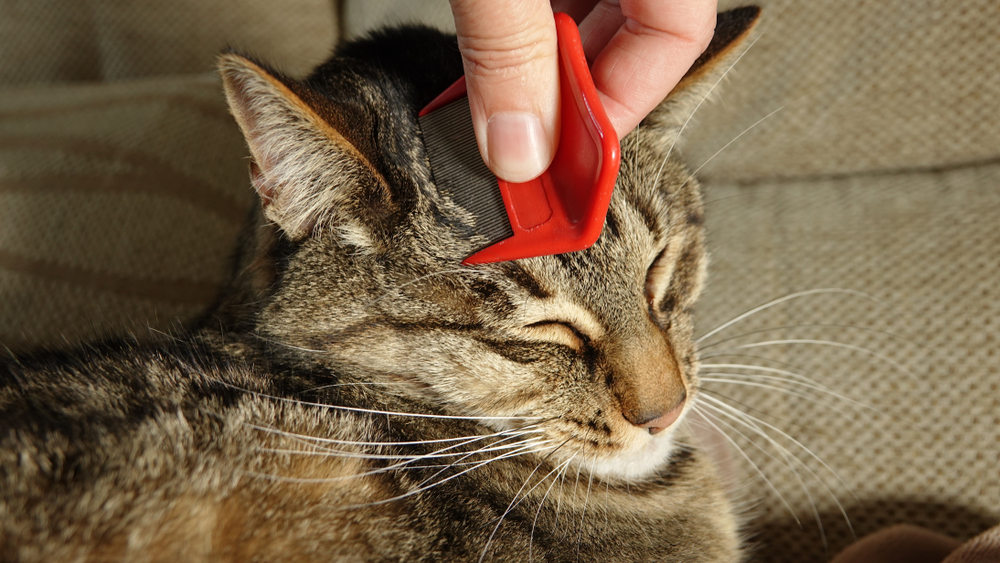
Use a flea comb for immediate relief
Comb daily for a week, especially around the neck and tail base. Dip the comb into a cup of warm water with a drop of dish soap to trap and kill fleas.
Step 2: Wash and heat-dry every soft thing fleas love
Anything your pet naps on, and anything you nap on, is fair game.
- Pet beds, blankets, crate pads
- Your bedding and throw blankets
- Couch covers and washable cushion covers
- Small rugs and bath mats
Wash in the warmest water the fabric can handle, then dry on high heat. Heat is what does the heavy lifting. If something cannot be washed, run it through a hot dryer cycle if safe, or seal it in a plastic bag for several weeks to starve emerging adults.
Step 3: Vacuum like you mean it (and do it on a schedule)
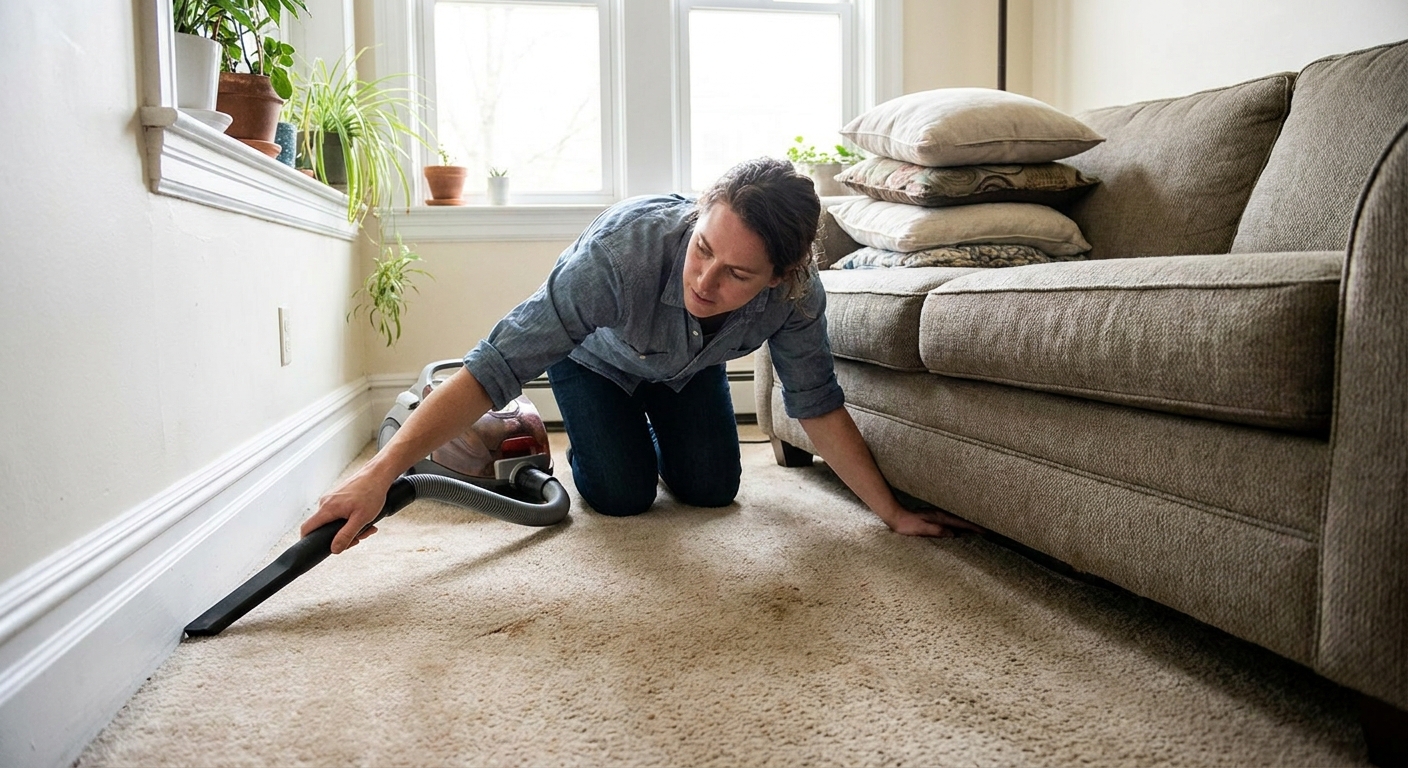
If I could pick only one home step, it would be vacuuming. It removes eggs and larvae, and the vibration encourages pupae to hatch so you can capture the adults before they reproduce again.
Where to vacuum
- Wall-to-wall carpet and area rugs
- Under furniture and along baseboards
- Between couch cushions and under cushions
- Pet sleeping areas and around litter boxes
- Cracks in hardwood or tile edges (use crevice tools)
How often
Daily for 7 to 14 days if you have an active infestation, then every few days until you go two full weeks without seeing fleas or new bites.
Important: dispose of the vacuum contents safely
Empty the canister outside into a sealed bag, or remove the vacuum bag and seal it immediately. Fleas can survive inside a warm vacuum if you leave it sitting.
Step 4: Treat the home if needed (targeted, not panicked)
Sometimes cleaning plus pet treatment is enough. If you are still seeing fleas after several days of consistent vacuuming and laundry, it is time to add a home treatment.
Look for an IGR, not just a “knockdown” spray
The most effective indoor products usually include an insect growth regulator (IGR). An IGR interrupts development so eggs and larvae cannot mature into biting adults. Products that only kill adults can feel satisfying on day one, then the next wave emerges from cocoons.
Options
- Carpet and upholstery sprays labeled for fleas, ideally with an IGR.
- Professional treatments if the infestation is widespread, you have multiple pets, or the home has lots of carpeting.
Foggers are often overused and can miss the very places fleas hide, like under furniture and along edges. If you choose a fogger anyway, follow the label precisely and plan to still vacuum and do edges and crevices thoroughly.
Step 5: Check your yard and entry points
Even though fleas are a home problem, they often start outdoors. If pets roam a yard or you have wildlife visitors, you can keep reintroducing fleas without realizing it.
Backyard flea hotspots
- Shady, moist spots under decks and shrubs
- Areas where pets rest, dig, or roll
- Along fences where cats, raccoons, or opossums travel
Keep grass trimmed, rake up leaf litter, and open up airflow in dense, damp areas. Fleas like protected, humid microclimates.

A 14-day flea removal plan you can follow
If you are feeling overwhelmed, here is a simple rhythm that works for many households:
Day 1
- Treat pets with a vet-recommended flea product.
- Wash and hot-dry pet bedding and your bedding.
- Vacuum thoroughly, especially edges, under furniture, and pet zones.
Days 2 to 7
- Vacuum daily.
- Flea-comb pets daily.
- Wash pet bedding again mid-week if you can.
Days 8 to 14
- Vacuum every other day.
- Continue pet treatment as directed.
- If fleas persist, add an indoor spray with an IGR or schedule a professional visit.
Remember the “cocoon factor.” Pupae can wait you out. Staying consistent for two weeks is often the turning point.
How to tell if fleas are gone
- Pets are scratching less and sleeping comfortably.
- You are not getting new bites for at least two weeks.
- Flea combing turns up nothing for several days in a row.
- You stop seeing flea dirt, especially on light bedding or pet blankets.
If you are still getting bites but cannot find fleas, consider other culprits like bed bugs or mosquitoes. Flea bites commonly cluster around ankles and lower legs, but patterns vary.
Prevent fleas from coming back
Once you have earned your flea-free home, prevention is so much easier than another full cleanout.
- Keep pets on consistent flea prevention during flea season, or year-round if your area stays mild.
- Vacuum regularly, especially in pet zones.
- Wash pet bedding weekly when fleas are active outdoors.
- Discourage wildlife from nesting under decks and in crawl spaces.
- Quarantine new pets or foster animals until they are treated and checked.
FAQ
Can fleas live in a house with no pets?
Yes, but they usually need a steady blood meal to keep reproducing. If wildlife is getting into crawl spaces or attics, or if fleas were brought in on clothing or belongings, you can still see activity for a while. Cleaning and targeted treatment can solve it, but identify the source if it keeps happening.
How long does it take to get rid of fleas indoors?
With consistent pet treatment plus vacuuming and laundry, many homes improve dramatically in 1 to 2 weeks. Stubborn infestations can take longer because pupae in cocoons can hatch over time.
Does baking soda or salt kill fleas?
You will hear these suggested often. In real homes, they are unreliable and can be messy, abrasive, and hard to fully remove from carpet. Vacuuming, hot laundry, and proven flea control products are typically more effective.
What is the fastest way to stop getting bitten?
Treat pets immediately, wash bedding, and vacuum the sleeping areas and soft furniture thoroughly. If bites are happening at night in bedrooms, focus there first.
When to call a professional
If you have treated pets correctly, stayed on the vacuuming and laundry schedule, and you are still seeing fleas after two to three weeks, a professional pest control company can help identify harborages and apply products safely and precisely. This can also be worth it sooner if there are multiple pets, heavy carpeting, or anyone in the home who is highly sensitive to bites.
Fleas are stubborn, but they are not magical. With a steady plan and a little grit, you can get your home comfortable again.